Wound healing is a natural process, but did you know that the vitamins and nutrients you consume can significantly speed up your recovery time? Whether you’re dealing with a minor cut or recovering from surgery, certain vitamins play crucial roles in promoting healing, reducing inflammation, and supporting tissue regeneration.
In this article, we’ll dive deep into the vitamins that help wounds heal faster. We’ll explore the science behind how each vitamin contributes to the healing process, and provide you with actionable tips on how to incorporate these nutrients into your diet.
By the end of this article, you’ll have a comprehensive understanding of which vitamins to focus on for optimal wound healing and how you can use food and supplements to boost your recovery.
Why Vitamins Are Important for Wound Healing
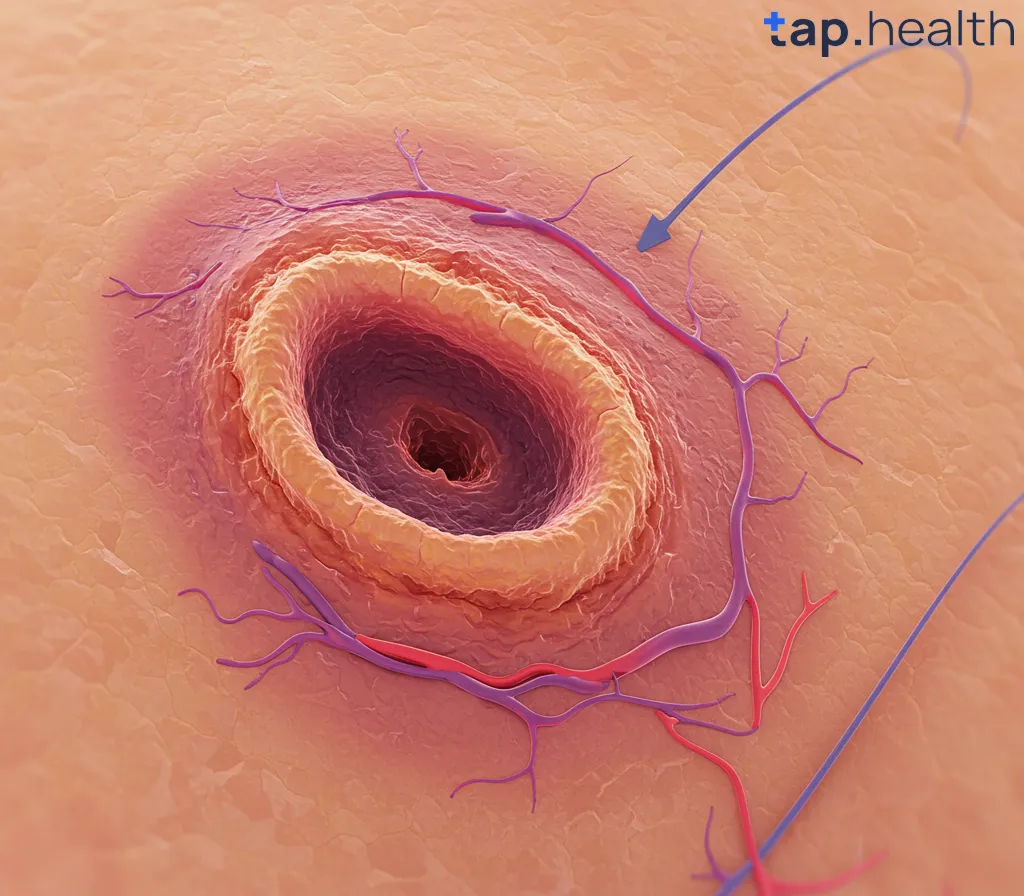
Before diving into the specifics of which vitamins help wound healing, it’s important to understand why they’re necessary. Wound healing is a complex biological process that involves multiple stages, including:
- Hemostasis: Stopping the bleeding.
- Inflammation: Preventing infection and cleaning the wound.
- Proliferation: Building new tissue and blood vessels.
- Maturation: Strengthening the new tissue and closing the wound.
Each of these stages relies on specific nutrients, especially vitamins, that support cellular repair, collagen production, immune function, and tissue regeneration. Without sufficient vitamins, the healing process can slow down, and the risk of complications, such as infection or scarring, increases.
Let’s now explore the key vitamins that are involved in wound healing.
1. Vitamin C: The Healing Champion
Vitamin C, also known as ascorbic acid, is one of the most important vitamins when it comes to wound healing. It is a powerful antioxidant and plays a central role in collagen synthesis, which is essential for tissue repair.
How Vitamin C Helps with Wound Healing
- Collagen Formation: Collagen is the protein that provides structure and strength to skin and other tissues. Vitamin C is required for the production of collagen, which is vital for wound closure and tissue regeneration.
- Boosts Immune System: Vitamin C helps to strengthen the immune system, reducing the risk of infections that could slow down the healing process.
- Reduces Inflammation: The anti-inflammatory properties of Vitamin C can help reduce swelling and promote faster healing.
Sources of Vitamin C
- Fruits: Oranges, strawberries, kiwi, and guava are excellent sources of Vitamin C.
- Vegetables: Bell peppers, broccoli, and spinach are also rich in this essential vitamin.
Benefits of Vitamin C for Wound Healing
- Speeds up tissue repair by promoting collagen formation.
- Supports the immune system to prevent infection.
- Reduces inflammation and swelling.
2. Vitamin A: Essential for Cell Growth and Repair
Vitamin A is another critical nutrient when it comes to wound healing. It supports skin health, immune function, and cell growth, making it vital for tissue repair and regeneration.
How Vitamin A Helps with Wound Healing
- Promotes Cell Growth: Vitamin A is essential for the growth of epithelial cells, which are necessary for the new skin to form over a wound.
- Supports Immune Function: Vitamin A strengthens the immune system, helping to prevent infections and supporting a healthy inflammatory response.
- Reduces Scarring: By promoting healthy tissue formation, Vitamin A may help reduce the appearance of scars after healing.
Sources of Vitamin A
- Animal Sources: Liver, egg yolks, and dairy products contain preformed Vitamin A (retinol).
- Plant Sources: Carrots, sweet potatoes, and spinach are high in beta-carotene, which the body converts into Vitamin A.
Benefits of Vitamin A for Wound Healing
- Promotes the growth of new skin cells.
- Enhances immune function to prevent infections.
- Helps minimize scarring by supporting proper tissue repair.
3. Vitamin E: A Powerful Antioxidant for Tissue Protection
Vitamin E is well-known for its antioxidant properties, which help protect cells from oxidative damage. It plays a role in the wound healing process by protecting cells and supporting tissue regeneration.
How Vitamin E Helps with Wound Healing
- Reduces Oxidative Stress: Vitamin E’s antioxidant properties help reduce oxidative stress, which can delay wound healing.
- Supports Collagen Formation: Vitamin E helps support collagen production, promoting healthy tissue growth.
- Reduces Scarring: Applying Vitamin E topically or ensuring adequate intake may help reduce the formation of scars.
Sources of Vitamin E
- Nuts and Seeds: Almonds, sunflower seeds, and hazelnuts are rich in Vitamin E.
- Vegetable Oils: Sunflower, safflower, and wheat germ oils are excellent sources.
- Leafy Greens: Spinach and kale also provide significant amounts of Vitamin E.
Benefits of Vitamin E for Wound Healing
- Protects cells from damage and supports tissue regeneration.
- Promotes collagen synthesis for stronger skin and tissue.
- Helps reduce scarring and improve the appearance of wounds.
4. Vitamin K: Essential for Blood Clotting
Vitamin K is critical for proper blood clotting, which is one of the first steps in the wound healing process. Without Vitamin K, blood cannot clot effectively, leading to delayed wound healing and increased risk of bleeding.
How Vitamin K Helps with Wound Healing
- Supports Blood Clotting: Vitamin K is necessary for the activation of clotting factors, which help stop bleeding after an injury.
- Speeds Up Wound Closure: Proper blood clotting helps initiate the healing process by ensuring the wound remains closed and protected from infection.
- Reduces Bruising: Vitamin K also helps reduce bruising, allowing the skin to heal more quickly.
Sources of Vitamin K
- Leafy Greens: Kale, spinach, and broccoli are excellent sources of Vitamin K.
- Other Sources: Fish, liver, and fermented foods like natto provide Vitamin K2.
Benefits of Vitamin K for Wound Healing
- Initiates proper blood clotting to stop bleeding.
- Speeds up wound closure by promoting clot formation.
- Reduces bruising and supports tissue healing.
5. B Vitamins: A Vital Group for Cellular Repair
The B vitamins, particularly B1 (thiamine), B2 (riboflavin), B3 (niacin), B5 (pantothenic acid), B6 (pyridoxine), and B12 (cobalamin), play a significant role in cellular repair and regeneration. These vitamins work together to support healthy skin, nerves, and tissue healing.
How B Vitamins Help with Wound Healing
- Boost Cell Regeneration: B vitamins support the regeneration of skin and tissues by helping to produce new cells.
- Promote Energy Production: B vitamins are involved in energy production, which is needed for the cellular processes required for wound healing.
- Support Nerve Repair: B vitamins, especially B1, B6, and B12, help repair nerve damage, which is particularly important for healing after deeper wounds or nerve-related injuries.
Sources of B Vitamins
- Whole Grains: Brown rice, oats, and whole wheat are rich in B vitamins.
- Animal Products: Meat, poultry, fish, and dairy products provide a significant amount of B vitamins.
- Leafy Greens and Legumes: Spinach, peas, and lentils are excellent plant-based sources.
Benefits of B Vitamins for Wound Healing
- Support skin regeneration and cellular repair.
- Promote energy production for the healing process.
- Aid in nerve repair and recovery.
6. Zinc: The Mineral for Immune Support and Tissue Repair
Although not a vitamin, zinc is an essential mineral that plays a vital role in wound healing. It supports immune function, reduces inflammation, and is involved in collagen production.
How Zinc Helps with Wound Healing
- Enhances Immune Function: Zinc boosts the immune system, reducing the risk of infection and helping to fight off bacteria that could hinder healing.
- Promotes Collagen Synthesis: Zinc is required for the production of collagen, a vital component for wound healing.
- Reduces Inflammation: Zinc helps reduce inflammation, preventing excessive swelling around the wound.
Sources of Zinc
- Animal Products: Meat, shellfish, and poultry are excellent sources of zinc.
- Plant-Based Sources: Beans, nuts, and whole grains also contain zinc, though in smaller amounts.
Benefits of Zinc for Wound Healing
- Supports immune function to prevent infection.
- Stimulates collagen production for tissue repair.
- Reduces inflammation and promotes faster healing.
FAQ on What Vitamins Help Wound Healing?
1. What is the best vitamin for wound healing?
Vitamin C is often considered the most important vitamin for wound healing due to its role in collagen formation and immune function. However, a combination of vitamins like A, E, and K, as well as minerals like zinc, are also essential for optimal healing.
2. Can vitamin E help reduce scarring?
Yes, Vitamin E can help reduce scarring by promoting healthy tissue regeneration and minimizing oxidative stress. However, it is important to use it correctly, as applying too much Vitamin E to an open wound may cause irritation.
3. How does vitamin A promote wound healing?
Vitamin A supports cell growth and immune function, which is essential for forming new skin and tissues over a wound. It also helps reduce scarring and enhances overall healing.
4. Can I get enough vitamins for wound healing through food alone?
Yes, a balanced diet rich in fruits, vegetables, nuts, seeds, and lean protein can provide the necessary vitamins and minerals for wound healing. In some cases, supplements may be recommended if you have specific deficiencies.
5. How long does it take for a wound to heal?
The healing time varies depending on the severity of the wound, your overall health, and the nutrients available. Minor cuts may heal in a few days, while deeper wounds may take weeks. Proper nutrition can speed up the process.
Conclusion
Wound healing is a multifaceted process that requires various nutrients, particularly vitamins. Vitamin C, A, E, K, the B vitamins, and zinc all play vital roles in promoting faster healing, reducing inflammation, and minimizing scarring. By incorporating these vitamins into your diet through nutrient-rich foods or supplements, you can support your body’s natural healing processes and recover more quickly from injuries.
Always consult with a healthcare professional if you have concerns about your wound healing or if you’re considering taking supplements to aid the process. Proper nutrition, along with good wound care, is the best way to ensure a speedy and successful recovery.