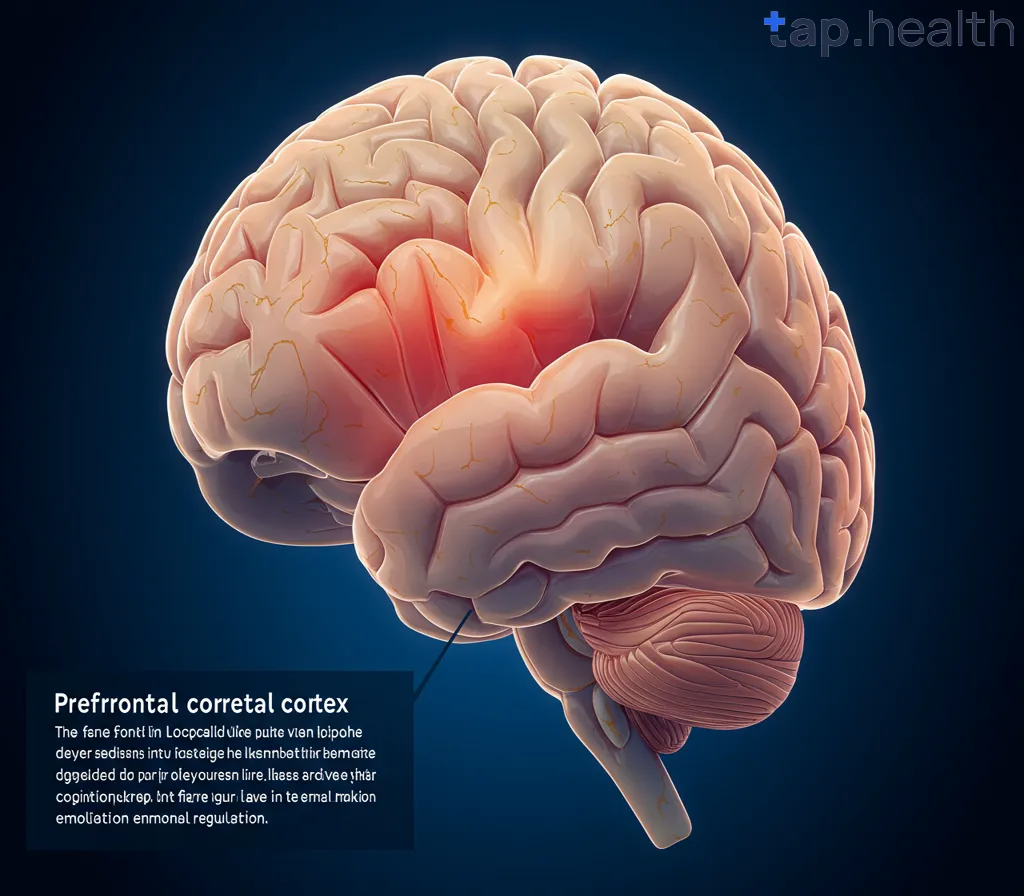
The human brain is one of the most complex and sophisticated organs in the body. It controls everything we do, think, feel, and experience. Over time, our brains have evolved to become larger and more specialized compared to other species, which has allowed us to perform advanced functions like problem-solving, language, and abstract thinking.
When we talk about the “most developed” part of the brain, we are referring to the areas that are most advanced in terms of size, function, and complexity. But which part of the human brain holds this title? In this article, we’ll explore the different regions of the brain, their functions, and which one stands out as the most developed. Along the way, we’ll dive into some interesting facts about how the human brain evolved and how it influences our everyday lives.
The Structure of the Human Brain
Before we can discuss which part of the brain is the most developed, it’s essential to understand the basic structure of the human brain. The human brain is divided into several parts, each responsible for different functions. The brain is composed of three main regions:
- The Cerebrum
- The Cerebellum
- The Brainstem
Each of these regions contains specialized areas that perform specific tasks, from basic survival functions like breathing to higher cognitive functions like thinking and decision-making. Let’s break down these areas to understand their roles in brain development.
The Cerebrum
The cerebrum is the largest part of the brain, accounting for about 85% of the brain’s weight. It is divided into two hemispheres: the left hemisphere and the right hemisphere. The cerebrum is involved in higher brain functions like reasoning, thinking, memory, and voluntary movement. It contains four main lobes:
- Frontal Lobe: Responsible for decision-making, problem-solving, and controlling movement.
- Parietal Lobe: Involved in sensory perception and spatial awareness.
- Temporal Lobe: Plays a role in memory, language, and auditory processing.
- Occipital Lobe: Primarily responsible for vision.
The Cerebellum
The cerebellum is located at the back of the brain, beneath the cerebrum. It is responsible for coordinating voluntary movement, balance, and motor skills. Though smaller than the cerebrum, the cerebellum is crucial for fine motor control and smooth, coordinated movements.
The Brainstem
The brainstem connects the brain to the spinal cord and controls basic life-sustaining functions such as heartbeat, breathing, and digestion. It consists of three main parts: the medulla oblongata, pons, and midbrain.
The Most Developed Part of the Human Brain: The Prefrontal Cortex
Now that we have a basic understanding of the brain’s structure, let’s answer the key question: which part of the human brain is the most developed?
The prefrontal cortex, which is part of the frontal lobe in the cerebrum, is widely considered the most developed part of the human brain. This region of the brain is associated with complex cognitive behaviors and decision-making. It plays a vital role in tasks such as planning, impulse control, reasoning, problem-solving, and social behavior.
Why is the Prefrontal Cortex the Most Developed?
There are several reasons why the prefrontal cortex is considered the most developed part of the human brain:
1. Size and Complexity
The prefrontal cortex is relatively large compared to other animals. In humans, it accounts for nearly 30% of the entire cerebral cortex, which is significantly larger than in other species. Its large size and the complexity of its connections with other parts of the brain are key reasons it is considered the most developed region.
2. Cognitive Functions
The prefrontal cortex is involved in what we call executive functions. These are the higher-order cognitive processes that include planning, organizing, managing time, and making decisions. This part of the brain allows us to think abstractly, evaluate consequences, and control our impulses, enabling us to function in society and solve complex problems.
3. Social and Emotional Processing
The prefrontal cortex is crucial for understanding social norms, recognizing emotions, and engaging in moral reasoning. It helps us navigate complex social situations and make judgments based on past experiences, societal rules, and emotions. This capacity for emotional regulation and understanding of others is much more advanced in humans than in any other species.
4. Self-Control and Impulse Management
Self-control and impulse regulation are also functions controlled by the prefrontal cortex. This part of the brain allows us to delay gratification and make long-term decisions, rather than being driven by immediate desires. This is particularly important in modern human societies, where planning for the future and making thoughtful decisions is essential.
Brain Evolution: How Did the Prefrontal Cortex Evolve?
The prefrontal cortex did not appear overnight. It evolved gradually over millions of years, shaped by the demands of survival and adaptation. As early humans faced more complex social structures and environments, the brain developed the ability to handle more intricate tasks.
Evolutionary Development of the Human Brain
In early hominins (the human ancestors), the brain was much smaller, and the prefrontal cortex was not as prominent. Over time, as early humans began using tools, developing language, and living in social groups, the brain adapted to handle these new challenges. The prefrontal cortex, in particular, grew in size to manage complex thinking and decision-making.
The development of language, culture, and social interaction required advanced brain functions, and the prefrontal cortex became the center for these processes. It allowed humans to think ahead, plan, and communicate in ways that no other species could.
How Does the Prefrontal Cortex Affect Our Daily Lives?
The prefrontal cortex plays a critical role in our everyday life. Its development has allowed humans to excel in areas that are essential for survival and success in society.
Decision Making
The prefrontal cortex allows us to make informed decisions. It helps us weigh the potential benefits and risks of our actions, consider long-term outcomes, and make choices that align with our goals. Without a well-developed prefrontal cortex, making even simple decisions would be much more difficult.
Problem Solving
This part of the brain is crucial for solving complex problems. It helps us approach challenges logically, come up with creative solutions, and adapt to new situations. Whether it’s solving a math problem or figuring out how to fix something around the house, the prefrontal cortex is at work.
Emotional Regulation
The prefrontal cortex also regulates our emotions. It helps us manage stress, control anger, and make decisions based on rational thought instead of emotional impulses. This ability to manage emotions is important for healthy relationships and social functioning.
Social Interaction
Humans are social creatures, and the prefrontal cortex is vital for navigating social situations. It helps us understand social cues, such as facial expressions and body language, and respond appropriately to them. This is why people with damage to their prefrontal cortex often struggle with social interactions.
Other Key Parts of the Brain and Their Development
While the prefrontal cortex is the most developed region of the brain in terms of cognitive abilities, other parts of the brain are also highly developed, each serving essential functions.
The Hippocampus: Memory and Learning
The hippocampus, located in the temporal lobe, is responsible for forming and storing memories. It plays a vital role in learning and spatial navigation. The development of the hippocampus has allowed humans to store vast amounts of information and recall it when needed.
The Occipital Lobe: Vision
The occipital lobe is the primary region of the brain responsible for processing visual information. It helps us interpret what we see and create mental images of the world around us. The development of the occipital lobe enables humans to navigate their environment and interact with the world visually.
The Limbic System: Emotions and Behavior
The limbic system, which includes structures like the amygdala and hypothalamus, is responsible for regulating emotions and certain behaviors. It plays a role in survival instincts and memory formation, helping humans react to threats and form emotional bonds.
Frequently Asked Questions (FAQs) on Which Part of the Human Brain is the Most Developed?
1. What is the Most Developed Part of the Human Brain?
The prefrontal cortex is the most developed part of the human brain. It is responsible for complex cognitive functions such as decision-making, problem-solving, impulse control, and social behavior.
2. Why is the Prefrontal Cortex So Important?
The prefrontal cortex is essential for high-level cognitive functions. It enables us to plan, make decisions, control our impulses, and interact socially. Its development has played a significant role in human intelligence and behavior.
3. How Does the Prefrontal Cortex Affect Our Behavior?
The prefrontal cortex regulates our behavior by helping us make thoughtful decisions, manage emotions, and control impulses. It also allows us to understand social norms and navigate complex situations.
4. What Role Does the Prefrontal Cortex Play in Emotional Regulation?
The prefrontal cortex helps regulate emotions by controlling the response of the amygdala, which processes emotions. It enables us to control reactions like anger or fear and make decisions based on rational thought instead of emotional impulses.
5. Is the Prefrontal Cortex Fully Developed in Children?
No, the prefrontal cortex is not fully developed in children. It continues to mature throughout adolescence and into early adulthood. This is why teenagers often struggle with impulse control and long-term decision-making.
In conclusion, the prefrontal cortex is the most developed part of the human brain, playing a central role in our ability to think, reason, and interact with the world. Its growth and development have been crucial in shaping the complex cognitive abilities that distinguish humans from other animals. Understanding how this part of the brain works helps us appreciate the incredible power of human intelligence and behavior.