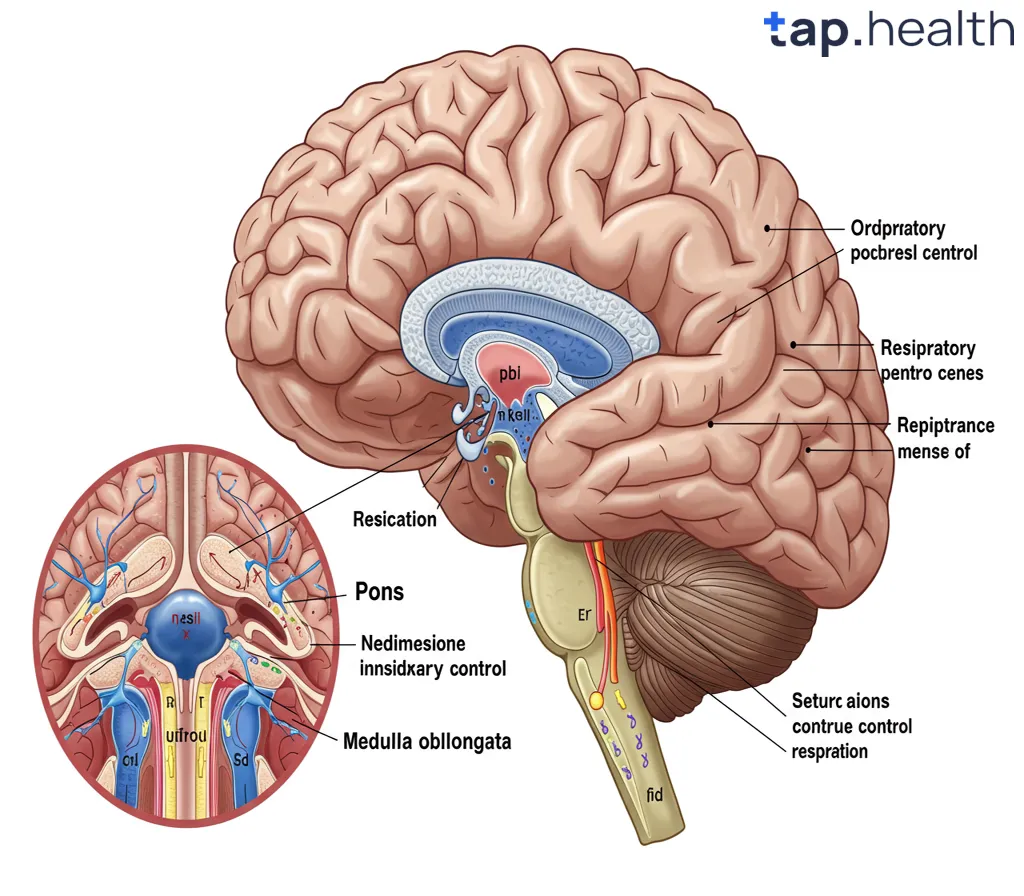
Breathing is one of the most fundamental functions of life. We breathe continuously without having to think about it, yet it’s something that is absolutely necessary for survival. Our body needs oxygen to fuel its cells and eliminate carbon dioxide, and this process of respiration is controlled by specific parts of the brain. But have you ever wondered which part of the brain controls respiration?
In this article, we will explore the key regions of the brain responsible for controlling breathing. We’ll break down the physiological processes involved in respiration and how the brain regulates this vital function. By the end of this guide, you’ll have a clear understanding of how your brain controls respiration and why this system is crucial for your health.
The Basics of Respiration
Before we dive into which part of the brain controls respiration, let’s first understand what respiration is and why it’s essential for survival.
What is Respiration?
Respiration refers to the process by which oxygen is taken into the body, transported to the cells, and carbon dioxide is expelled. There are two main types of respiration in the body:
- External Respiration: This involves the exchange of gases (oxygen and carbon dioxide) between the lungs and the blood.
- Internal Respiration: This refers to the exchange of gases between the blood and body tissues at the cellular level.
The primary organs involved in respiration are the lungs, diaphragm, and airways. But the brain plays a key role in controlling the rate, depth, and rhythm of breathing.
Which Part of the Brain Controls Respiration?
Breathing is regulated by multiple regions of the brain, but the primary centers that control respiration are located in the brainstem. The brainstem is the lower part of the brain, which connects the brain to the spinal cord and is responsible for regulating basic life-sustaining functions like heart rate, blood pressure, and breathing.
The Brainstem: The Control Center for Breathing
The brainstem consists of three major parts:
- Medulla Oblongata
- Pons
- Midbrain
Each part of the brainstem plays a critical role in regulating respiration, with the medulla oblongata being the most important structure for controlling the basic rhythm and rate of breathing.
The Medulla Oblongata
The medulla oblongata is the primary area of the brain responsible for the involuntary control of breathing. It contains two major centers involved in respiration:
- The Inspiratory Center: This center controls the basic rhythm of breathing, signaling the diaphragm and intercostal muscles to contract, initiating inhalation.
- The Expiratory Center: This center helps control the process of exhalation by sending signals that relax the muscles after inhalation.
The medulla receives feedback from the body about levels of oxygen and carbon dioxide in the blood. If carbon dioxide levels rise or oxygen levels drop, the medulla increases the rate and depth of breathing to restore balance.
The Pons
The pons, located just above the medulla, also plays an essential role in breathing. It helps modulate the rhythm set by the medulla, ensuring that the breathing pattern is smooth and controlled.
The pons contains two key centers:
- The Pneumotaxic Center: This center helps regulate the rate of breathing by controlling the transition between inhalation and exhalation. It prevents over-inhalation and maintains a steady rhythm.
- The Apneustic Center: This center helps promote prolonged inhalation, particularly when the body requires more oxygen, such as during exercise.
Together, the medulla and pons ensure that breathing is both rhythmic and flexible, adapting to the body’s needs.
The Midbrain
The midbrain, the uppermost part of the brainstem, is less involved in the basic control of respiration but still plays a role. It assists in processing sensory information related to breathing, such as detecting changes in body posture or pressure, which may influence breathing patterns. For example, if a person suddenly stands up or experiences a stress response, the midbrain can send signals to adjust breathing accordingly.
How Does the Brain Control Respiration?
The brain controls respiration by constantly monitoring levels of oxygen and carbon dioxide in the blood and adjusting the breathing rate accordingly. Here’s a step-by-step breakdown of how this process works:
- Monitoring Blood Gases: Chemoreceptors in the medulla oblongata and in the carotid arteries (located in the neck) detect the levels of oxygen and carbon dioxide in the blood.
- When the carbon dioxide levels rise or oxygen levels fall, these chemoreceptors send signals to the medulla to adjust the breathing rate.
- Signal Transmission: Once the medulla detects a need for increased breathing, it sends electrical signals through the phrenic nerve to the diaphragm and through the intercostal nerves to the muscles between the ribs. This causes the muscles to contract, leading to inhalation.
- Expiration: After inhalation, the lungs fill with oxygen, and the diaphragm and intercostal muscles relax. The expiratory center in the medulla then signals the muscles to relax completely, allowing carbon dioxide to be expelled from the lungs through exhalation.
- Fine-Tuning Breathing: The pons further fine-tunes the rhythm and depth of breathing, ensuring it remains steady and consistent. It helps transition between inhalation and exhalation smoothly.
Why is Respiration Controlled by the Brainstem?
The brainstem, including the medulla and pons, is the most crucial region for controlling respiration because it is the part of the brain that is directly connected to the spinal cord and the muscles that control breathing. It also helps maintain autonomic functions, meaning it controls bodily functions that happen automatically, without conscious effort. This is important because respiration is a continuous, involuntary process that cannot be consciously controlled all the time.
Additionally, the brainstem coordinates breathing with other vital functions, such as heart rate and blood pressure. For example, when the body requires more oxygen (during exercise), the brainstem ensures that the breathing rate increases to meet the oxygen demand.
The Role of Voluntary Control in Respiration
While breathing is primarily controlled by the brainstem, the brain also has some voluntary control over breathing. This means we can consciously alter our breathing pattern when we decide to do so. For instance, we can take a deep breath, hold our breath, or breathe faster when we are exercising.
This voluntary control comes from the cerebral cortex, the part of the brain responsible for higher cognitive functions. The cerebral cortex sends signals to the respiratory muscles, allowing for short-term adjustments in breathing. However, if the body needs more oxygen or carbon dioxide levels rise too high, the brainstem will override voluntary control to ensure that breathing returns to its automatic state.
Factors That Influence Breathing
Several factors can influence how the brain controls respiration. These include:
1. Oxygen and Carbon Dioxide Levels
The most significant factor that influences breathing is the balance of oxygen and carbon dioxide in the blood. When carbon dioxide levels rise or oxygen levels drop, the brainstem sends signals to increase the breathing rate to restore balance.
2. Exercise and Physical Activity
During physical activity, the body requires more oxygen. As a result, the brainstem detects this need and increases the rate of respiration to meet the oxygen demand.
3. Emotions and Stress
Strong emotions, such as fear, anxiety, or excitement, can alter breathing patterns. The limbic system in the brain, which controls emotions, sends signals to the brainstem to adjust breathing. This is why we may breathe faster when nervous or anxious.
4. Environmental Factors
Changes in the environment, such as altitude (where oxygen levels are lower) or exposure to pollutants, can influence breathing. The brainstem responds to these changes by adjusting the rate and depth of breathing to ensure adequate oxygen intake.
Common Respiratory Disorders and Brain Function
Certain respiratory disorders can affect how the brain controls breathing. Some of the most common disorders include:
1. Sleep Apnea
Sleep apnea is a condition in which breathing repeatedly stops and starts during sleep. This occurs when the brain temporarily fails to signal the muscles involved in breathing, leading to interruptions in airflow.
2. Chronic Obstructive Pulmonary Disease (COPD)
COPD is a lung condition that can affect breathing. It can lead to an imbalance in oxygen and carbon dioxide levels, causing the brainstem to adjust breathing. However, the respiratory system may not work as efficiently, making breathing difficult.
3. Brainstem Stroke
A stroke affecting the brainstem can disrupt the brain’s ability to regulate respiration. This can lead to irregular or even stopped breathing, requiring medical intervention.
Frequently Asked Questions (FAQs) on Which Part of the Brain Controls Respiration?
1. Which Part of the Brain Controls Respiration?
The brainstem, particularly the medulla oblongata and pons, is primarily responsible for controlling respiration. The medulla sets the rhythm and rate of breathing, while the pons fine-tunes it.
2. How Does the Brain Control Breathing?
The brain controls breathing by monitoring oxygen and carbon dioxide levels in the blood. The medulla sends signals to the respiratory muscles to regulate inhalation and exhalation, adjusting the breathing rate as needed.
3. What Happens if the Medulla Oblongata is Damaged?
Damage to the medulla oblongata can lead to serious issues with breathing, as it controls the basic rhythm and rate of respiration. In such cases, breathing may become irregular or stop altogether.
4. Can We Control Our Breathing Voluntarily?
Yes, we can control our breathing voluntarily to some extent. The cerebral cortex allows us to take deep breaths, hold our breath, or adjust our breathing during physical activities. However, the brainstem ultimately regulates breathing when it becomes automatic.
5. What is Sleep Apnea?
Sleep apnea is a condition in which breathing stops and starts repeatedly during sleep. This occurs when the brain temporarily fails to send the correct signals to the muscles involved in respiration.
In conclusion, the brainstem—especially the medulla oblongata—is responsible for regulating respiration. By monitoring oxygen and carbon dioxide levels, the brainstem adjusts the rate and rhythm of breathing to meet the body’s needs. While we have some voluntary control over breathing, the brainstem ensures that this essential process continues automatically, supporting life and health.