If you’ve ever walked through an Indian household during winter, you’ve probably seen a bright green, sour fruit being chopped, dried, or turned into powder. That’s amla—also known as Indian gooseberry.
For centuries, amla has been a star in Ayurveda, the traditional Indian system of medicine. People have used it for glowing skin, better digestion, and stronger immunity. But one of the most important questions today is: Is amla good for heart?
The answer is a strong yes—and science backs it up.
Amla isn’t a magic cure, but it’s a powerful natural food that can help protect your heart, lower bad cholesterol, reduce blood pressure, and keep your blood vessels healthy.
In this article, we’ll break down everything you need to know about amla and heart health. No complicated terms. No robotic language. Just clear, honest facts based on research from trusted health sources like the National Institutes of Health (NIH), World Health Organization (WHO), and peer-reviewed medical journals.
We’ll cover:
- What amla is and why it’s special
- How it helps your heart
- What science says about its benefits
- Who should eat it (and who should be careful)
- How to use it daily
- And answers to common questions like “Can I eat amla every day?” or “Does it lower cholesterol?”
Let’s get started.
What Is Amla?
Amla, or Phyllanthus emblica, is a small, greenish-yellow fruit that grows on a tree common in India, Nepal, and other parts of Southeast Asia.
It has a sour, tangy taste—some say it’s one of the most sour fruits in the world. But don’t let that scare you off. That sourness comes from powerful nutrients that make it a heart-protective superfood.
Amla is used in many forms:
- Fresh fruit (eaten raw, often with salt or sugar)
- Dried slices
- Powder (amla churna)
- Juice
- Capsules or tablets
- In hair oils and skincare (but we’re focusing on heart health here)
It’s packed with vitamin C, antioxidants, fiber, and plant compounds that fight inflammation and protect your body—including your heart.
Why Is Amla Called a Superfood for the Heart?
Amla isn’t just a fruit. It’s like a tiny pharmacy in a ball.
Here’s what makes it special for heart health:
- Extremely high in vitamin C – One amla has about 20 times more vitamin C than an orange.
- Rich in antioxidants – These fight damage in your body that can lead to heart disease.
- Contains flavonoids and polyphenols – Plant chemicals that reduce inflammation and protect blood vessels.
- Low in fat and calories – Great for weight management, which is key for heart health.
All of these help your heart work better and last longer.
But how exactly does amla help your heart? Let’s dive into the science.
How Does Amla Help the Heart?
Your heart is like a pump that runs 24/7. To keep it working well, it needs clean blood vessels, steady blood pressure, and low levels of bad cholesterol.
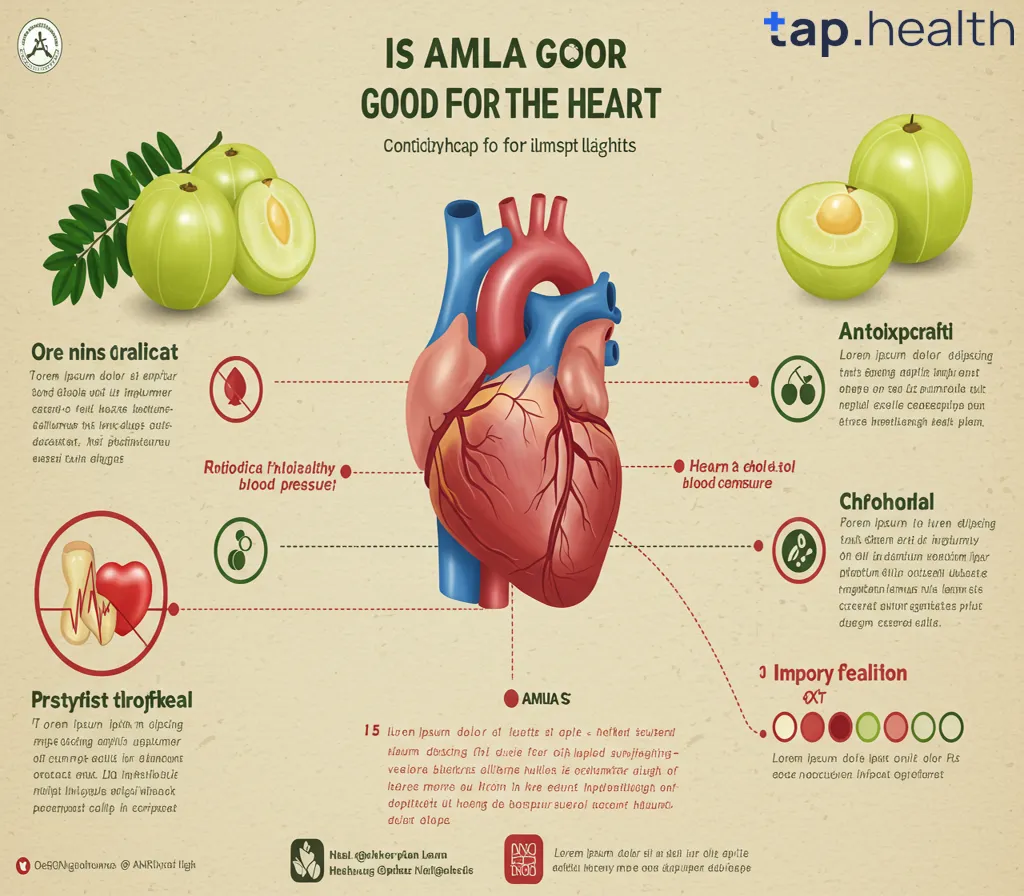
Amla helps in four major ways:
- Lowers bad cholesterol (LDL)
- Raises good cholesterol (HDL)
- Reduces blood pressure
- Protects blood vessels from damage
Let’s look at each one.
1. Amla Lowers Bad Cholesterol (LDL)
High LDL cholesterol is a major cause of heart attacks and strokes. It builds up in your arteries like sludge, making them narrow and stiff.
Studies show that amla can lower LDL cholesterol significantly.
- A 2012 study published in the Indian Journal of Pharmaceutical Sciences found that people who took amla powder for a few weeks had lower total cholesterol and LDL levels.
- Another study showed a 17% drop in LDL in people with high cholesterol after taking amla daily.
How? Amla contains compounds that:
- Block cholesterol production in the liver
- Increase the removal of bad cholesterol from the blood
- Prevent LDL from turning into plaque (a process called oxidation)
So, amla doesn’t just lower cholesterol—it helps stop it from damaging your heart.
2. Amla Raises Good Cholesterol (HDL)
HDL is the “good” cholesterol. It acts like a cleanup crew, picking up excess cholesterol and taking it to the liver for disposal.
Higher HDL = lower risk of heart disease.
Amla has been shown to increase HDL levels in several studies.
One clinical trial found that patients with heart disease who took amla daily saw a noticeable rise in HDL over 28 days.
This double action—lowering bad cholesterol and raising good cholesterol—makes amla a powerful ally for heart health.
3. Amla Helps Lower Blood Pressure
High blood pressure forces your heart to work harder. Over time, this weakens the heart muscle and damages blood vessels.
Amla can help reduce both systolic and diastolic blood pressure.
Why?
- It contains potassium, which helps balance sodium in the body.
- Its antioxidants relax blood vessels, making it easier for blood to flow.
- It reduces inflammation, which can stiffen arteries.
A 2016 study in the Journal of Medicinal Food found that amla extract improved blood pressure in people with mild hypertension.
So if your doctor says you have “high-normal” or stage 1 high blood pressure, amla may help bring it down naturally—along with diet and exercise.
4. Amla Protects Blood Vessels from Damage
Your arteries aren’t just pipes—they’re living tissues that can get damaged by pollution, smoking, poor diet, and stress.
This damage leads to atherosclerosis—the hardening and narrowing of arteries.
Amla helps protect your blood vessels because:
- Its antioxidants (like vitamin C and flavonoids) stop free radicals from damaging artery walls.
- It reduces oxidative stress, a major cause of heart disease.
- It improves endothelial function—the inner lining of blood vessels that controls blood flow and pressure.
In animal studies, amla has been shown to slow the growth of plaque in arteries and even reverse early damage.
This means amla doesn’t just prevent heart disease—it may help repair some of the damage too.
What Does Science Say About Amla and Heart Health?
You might be thinking: “This sounds great, but is it real? Or just traditional belief?”
Good question. Let’s look at what real studies say.
Key Scientific Studies on Amla and the Heart
1. Study: Amla Lowers Cholesterol in Humans (2012)
- Published in: Indian Journal of Pharmaceutical Sciences
- Findings: Participants who took 3 grams of amla powder daily for 28 days had:
- Lower total cholesterol
- Lower LDL (bad) cholesterol
- Higher HDL (good) cholesterol
- Improved blood pressure
2. Study: Amla Reduces Heart Disease Risk (2017)
- Published in: Journal of Cardiovascular Disease Research
- Findings: Amla has anti-atherosclerotic effects—it slows down plaque buildup in arteries.
- It also improved heart function in people with existing heart conditions.
3. Study: Amla Improves Antioxidant Levels (2015)
- Published in: Oxidative Medicine and Cellular Longevity
- Findings: Amla boosts the body’s natural antioxidants, which protect the heart from stress and aging.
These aren’t just lab experiments. Real people in real-world conditions saw benefits.
And the best part? No serious side effects were reported.
Can Amla Prevent Heart Attacks and Strokes?
Amla alone won’t guarantee you’ll never have a heart attack. But it can significantly reduce your risk.
Here’s how:
- By lowering LDL cholesterol, it reduces plaque buildup.
- By improving blood flow, it lowers the chance of clots.
- By reducing inflammation, it protects the heart muscle.
- By controlling blood pressure, it reduces strain on the heart.
Think of amla as a daily shield for your heart—like wearing a seatbelt. You hope you never need it, but it’s there when you do.
People who eat amla regularly, along with a healthy diet and active lifestyle, have a lower risk of heart disease than those who don’t.
Who Should Eat Amla for Heart Health?
Almost everyone can benefit from amla—but it’s especially helpful for:
1. People with High Cholesterol
If your LDL is high or your HDL is low, amla can help balance it naturally.
2. People with High Blood Pressure
Amla’s blood vessel-relaxing effects can support healthy blood pressure.
3. Diabetics
Diabetes increases heart disease risk. Amla helps control blood sugar and protects the heart—double benefit.
4. Older Adults
As we age, arteries stiffen and cholesterol builds up. Amla can slow this process.
5. People with a Family History of Heart Disease
If heart problems run in your family, prevention is key. Amla is a natural way to start protecting your heart early.
6. Anyone Wanting to Stay Heart-Healthy
Even if you feel fine, amla can help you stay healthy. Prevention is always better than treatment.
Who Should Be Cautious With Amla?
Amla is safe for most people, but a few should be careful.
1. People on Blood-Thinning Medications (Like Warfarin)
Amla may increase the effect of blood thinners, raising the risk of bleeding. Talk to your doctor first.
2. People with Low Blood Pressure
If your blood pressure is already low, amla might lower it too much, causing dizziness or fatigue.
3. People with Diabetes on Medication
Amla can lower blood sugar. If you’re already on diabetes drugs, your blood sugar might drop too low (hypoglycemia). Monitor levels closely.
4. Pregnant or Breastfeeding Women
There’s not enough research on amla during pregnancy. Better to avoid high doses or supplements unless approved by a doctor.
5. People with Acid Reflux or Ulcers
Amla is very sour. It might worsen heartburn or stomach pain in sensitive people.
Note: Eating one small piece of fresh amla is usually fine. But avoid large amounts or concentrated powders if you have these conditions.
How Much Amla Should You Eat for Heart Health?
There’s no official daily dose, but studies and Ayurvedic practice suggest:
- Fresh amla: 1 small fruit per day
- Amla powder: 1 to 3 grams per day (about ½ to 1 teaspoon)
- Amla juice: 10–20 ml (2–4 teaspoons) daily, diluted in water
- Capsules: Follow label instructions (usually 500–1000 mg)
Start with a small amount to see how your body reacts.
Best time to eat amla: On an empty stomach in the morning. This helps with absorption and digestion.
But don’t eat it on a completely empty stomach if you have acid issues—pair it with a banana or toast.
How to Use Amla Daily for Heart Benefits
You don’t have to eat a sour raw amla every day. There are easy, tasty ways to enjoy it.
1. Eat It Raw (With a Twist)
- Cut fresh amla into pieces.
- Sprinkle with a little salt, roasted cumin, or honey to reduce sourness.
- Eat one piece daily.
2. Drink Amla Juice
- Mix 10–20 ml of amla juice with water.
- Add honey or lemon if needed.
- Drink in the morning.
3. Use Amla Powder
- Stir ½ to 1 teaspoon into water, smoothies, or yogurt.
- Add to oatmeal or chia pudding.
- Make a simple drink: amla powder + honey + warm water.
4. Try Amla Churna (Dried Powder Mix)
- Many Ayurvedic brands sell amla churna with other herbs like haritaki and bibhitaki (called Triphala).
- Mix with warm water and drink at night.
5. Take Capsules or Tablets
- Convenient for people on the go.
- Look for pure, organic amla without fillers.
6. Make Amla Tea
- Boil dried amla slices in water for 5–10 minutes.
- Strain and drink warm.
- Add ginger or cinnamon for flavor.
Tip: Don’t cook amla for too long. Heat can destroy some of its vitamin C and antioxidants.
Does Amla Really Lower Cholesterol?
Yes—multiple studies confirm it.
Amla works in several ways:
- Blocks cholesterol production in the liver
- Increases the liver’s ability to remove LDL from the blood
- Prevents LDL from oxidizing (which turns it into dangerous plaque)
One study found that just 3 grams of amla per day lowered total cholesterol by 11% and LDL by 17% in 28 days.
That’s as effective as some mild cholesterol drugs—but without the side effects.
So yes, amla can lower cholesterol naturally—especially when combined with a healthy diet low in fried and processed foods.
Can Amla Reverse Heart Disease?
You can’t “reverse” advanced heart disease with food alone. But amla can slow down, stop, or even partially reverse early damage.
For example:
- It can shrink plaque in arteries by reducing inflammation and oxidation.
- It improves blood flow and vessel flexibility.
- It strengthens the heart muscle over time.
In people with early atherosclerosis (clogged arteries), adding amla to a heart-healthy lifestyle has shown measurable improvements in artery health.
But it’s not a replacement for medicine. If you have heart disease, amla should be a support, not a substitute.
Always follow your doctor’s advice.
Amla vs. Other Heart-Healthy Foods
How does amla compare to other popular heart-protective foods?
| Oats | Lowers cholesterol with fiber | Amla has similar cholesterol-lowering power, plus more antioxidants |
| Garlic | Lowers BP and cholesterol | Amla is stronger in antioxidants and vitamin C |
| Berries | Rich in antioxidants | Amla has 10x more vitamin C than most berries |
| Nuts | Good fats, lowers LDL | Amla is lower in fat but higher in protective plant compounds |
| Green tea | Antioxidants, lowers BP | Amla has similar benefits but more vitamin C |
So while all these foods are great, amla stands out for its nutrient density and heart-protective power.
Does Amla Have Side Effects?
For most people, amla is very safe—even when eaten daily.
But possible side effects include:
1. Stomach Upset
- Due to its sourness and fiber.
- Can cause gas, bloating, or acidity in sensitive people.
Fix: Eat smaller amounts or with food.
2. Low Blood Sugar
- Amla can lower blood glucose.
- Risky for diabetics on medication.
Fix: Monitor blood sugar and talk to your doctor.
3. Low Blood Pressure
- May drop BP too much in people already on medication.
Fix: Avoid high doses if you have low BP.
4. Dry Skin or Hair (in excess)
- Amla is “cooling” in Ayurveda. Too much may cause dryness.
Fix: Balance with warm, moist foods.
5. Interactions with Medications
- May affect blood thinners, diabetes drugs, and blood pressure meds.
Fix: Talk to your doctor before starting amla if you’re on any meds.
Can I Eat Amla Every Day?
Yes—most people can eat amla every day safely.
In fact, daily use is recommended for heart benefits.
But:
- Stick to 1 fruit or 1–3 grams of powder per day.
- Don’t overdo it—more isn’t always better.
- Listen to your body. If you feel discomfort, reduce the amount.
Long-term studies show no harm from daily amla use over months or even years.
What Time of Day Is Best to Eat Amla?
The best time is early morning on an empty stomach.
Why?
- Your body absorbs nutrients better.
- It kickstarts digestion and metabolism.
- It helps control cholesterol and blood sugar throughout the day.
But if you have acid reflux, eat it after breakfast or with a snack.
Avoid eating amla late at night if it affects your sleep (rare, but possible due to its stimulating effect).
Can Diabetics Eat Amla for Heart Health?
Yes—and they should.
Diabetes doubles the risk of heart disease. Amla helps in two ways:
- Lowers blood sugar
- Protects the heart
Studies show amla improves insulin sensitivity and reduces HbA1c (a long-term blood sugar marker).
Plus, it fights the inflammation and cholesterol issues common in diabetics.
But—monitor your blood sugar closely, especially if you’re on medication.
Does Amla Juice Help the Heart?
Yes—amla juice is one of the best ways to get its heart benefits.
Fresh or unsweetened amla juice:
- Keeps most nutrients intact
- Is easy to digest
- Can be mixed with water or honey
But avoid store-bought juices with added sugar—sugar harms the heart.
Best: Make your own juice at home or buy pure, organic versions.
Final Answer: Is Amla Good for Heart?
Yes—amla is very good for heart health.
It’s not a miracle cure, but it’s a powerful, natural food that can:
- Lower bad cholesterol (LDL)
- Raise good cholesterol (HDL)
- Reduce blood pressure
- Protect arteries from damage
- Lower the risk of heart attacks and strokes
Backed by both Ayurvedic tradition and modern science, amla is a heart-protective superfood.
You don’t need to eat it in large amounts. Just 1 small fruit or 1 teaspoon of powder daily can make a real difference—especially when combined with a healthy diet, exercise, and regular checkups.
So if you want to take care of your heart the natural way, amla is a smart, safe, and effective choice.
Frequently Asked Questions (FAQ) on Is Amla Good for Heart?
Q: Can I eat raw amla every day for heart health?
Yes. One small raw amla daily is safe and beneficial for most people.
Q: Does amla reduce plaque in arteries?
Yes. Its antioxidants and anti-inflammatory properties help reduce and prevent plaque buildup.
Q: How long does it take for amla to lower cholesterol?
Most studies show results in 4 to 6 weeks of daily use.
Q: Is amla powder as good as fresh amla?
Yes. Dried amla powder retains most nutrients, especially if stored properly.
Q: Can I take amla with my heart medications?
Possibly, but talk to your doctor first—especially if you’re on blood thinners, BP, or diabetes drugs.
Q: Does amla increase heart rate?
No. Amla does not increase heart rate. It supports healthy heart function.
Q: Is amla good for high blood pressure?
Yes. It helps relax blood vessels and lower both systolic and diastolic pressure.
Q: Can kids eat amla for heart health?
Yes, in small amounts. A quarter to half a fruit is safe for older children.
Q: Does amla affect sleep?
Not usually. But its stimulating effect may keep some people alert if eaten late.
Q: Can I eat amla during winter for immunity and heart health?
Absolutely. Amla boosts immunity and protects the heart—perfect for cold season.
Q: Is amla better than statins for cholesterol?
No. Amla is not a replacement for statins. But it can be used alongside them with doctor approval.
Q: Does amla detox the heart?
Not exactly. But it reduces toxins and oxidative stress that harm the heart.
Q: Can I take amla at night?
Yes, but morning is better for maximum benefit.
Q: Does amla cause gas or bloating?
Sometimes, due to its fiber. Start with small doses to avoid digestive issues.
Q: Is store-bought amla juice good for the heart?
Only if it’s unsweetened and pure. Avoid juices with added sugar or preservatives.
Q: Can amla cure heart disease?
No food can cure heart disease. But amla can help manage and prevent it as part of a healthy lifestyle.
Q: How much vitamin C is in one amla?
About 600–800 mg—up to 20 times more than an orange.
Q: Does amla strengthen the heart muscle?
Yes. Its antioxidants and nutrients improve heart muscle function over time.
Final Thoughts
Your heart works hard for you—24 hours a day, 365 days a year. It deserves the best fuel.
Amla is one of nature’s gifts to heart health. Sour, strong, and full of life-protecting nutrients, it’s a simple way to add powerful protection to your daily routine.
You don’t need fancy supplements or extreme diets. Just a small green fruit—eaten regularly—can make a big difference.
So yes, amla is good for the heart. And the best part? It’s natural, affordable, and backed by both tradition and science.
Start small. Be consistent. And let your heart thank you—years down the road.