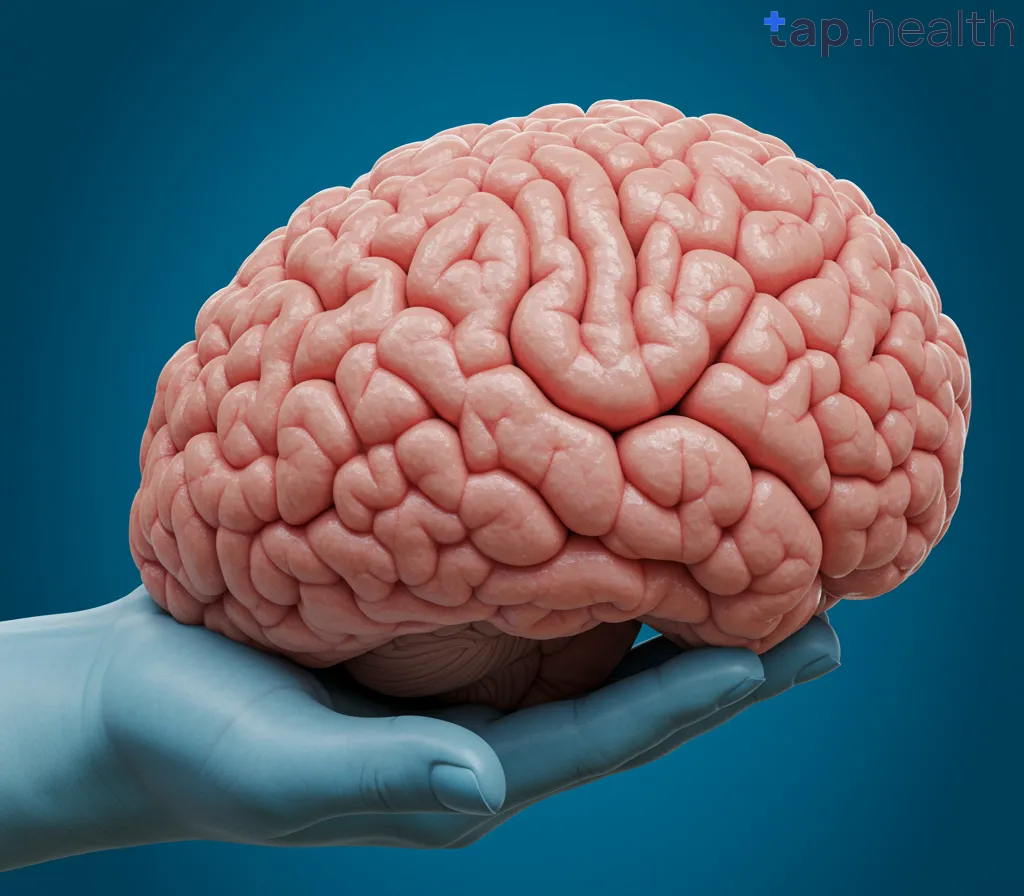
A blood clot in the brain, also known as a brain thrombus, cerebral thrombosis, or ischemic stroke, occurs when a blood clot blocks the flow of oxygen-rich blood to parts of the brain. This can cause severe brain damage, potentially leading to lasting disabilities or even death. But the question remains: is a blood clot in the brain curable?
In this article, we will explore the causes, symptoms, treatments, and the chances of recovery for individuals with brain blood clots. We’ll also discuss what medical interventions can be used and how the recovery process works. Understanding these elements is crucial for anyone concerned about brain clots, whether for personal reasons or a loved one’s health.
What is a Blood Clot in the Brain?
A blood clot in the brain occurs when blood vessels in the brain become blocked by a clot, preventing blood from flowing to specific areas of the brain. Blood clots in the brain can cause a stroke, which is a medical emergency. The type of stroke caused by a clot is called an ischemic stroke, which occurs when a clot blocks the flow of oxygen to brain tissues.
There are two primary causes of blood clots in the brain:
- Thrombosis: A blood clot forms in one of the brain’s arteries.
- Embolism: A clot forms elsewhere in the body (such as the heart) and travels to the brain.
Symptoms of a Blood Clot in the Brain
Blood clots in the brain can present with a range of symptoms, and timely medical intervention is critical. Common signs include:
- Sudden numbness or weakness on one side of the body
- Sudden confusion, trouble speaking, or understanding speech
- Sudden trouble seeing in one or both eyes
- Sudden trouble walking, dizziness, loss of balance, or coordination
- Severe headache with no known cause
- Vomiting or nausea (in some cases)
If you or someone around you exhibits these symptoms, it’s crucial to seek emergency medical help immediately. The faster the treatment, the better the chances of reducing brain damage and increasing recovery prospects.
Is a Blood Clot in the Brain Curable?
A blood clot in the brain is often treatable, but whether it is curable depends on various factors, including the severity of the clot, the location of the blockage, how quickly treatment is administered, and the individual’s overall health.
Early Diagnosis and Treatment
The key to preventing permanent brain damage or death from a blood clot in the brain is early diagnosis and intervention. If treated quickly, a blood clot in the brain can be managed, and many patients can make a full recovery.
- Treatment within 3-4 hours after the onset of symptoms greatly increases the chances of recovery.
- The quicker the clot is dissolved or removed, the less damage it will cause to brain tissues.
Medical Treatment Options for Blood Clots in the Brain
- Thrombolysis (Clot-busting Drugs):
The most common treatment for ischemic stroke caused by a blood clot is the use of thrombolytic drugs (also known as clot-busting drugs), which work by dissolving the clot and restoring blood flow to the affected part of the brain.- Tissue Plasminogen Activator (tPA): The most commonly used thrombolytic drug, which must be given within 3-4.5 hours of the first symptom for maximum effectiveness.
- Mechanical Thrombectomy:
In some cases, doctors may use a procedure called mechanical thrombectomy to physically remove the clot from the blood vessel. This is typically done for large clots that cannot be treated by clot-busting drugs alone.- This procedure is often used within 6-24 hours of a stroke, depending on the severity.
- Anticoagulants and Antiplatelet Drugs:
After the initial treatment to dissolve or remove the clot, patients are often prescribed anticoagulants or antiplatelet drugs (like aspirin) to prevent new clots from forming. - Surgical Intervention:
In some cases, surgery may be required to remove the clot, especially if the clot is too large or difficult to treat with medication. Surgery may also be necessary if the clot causes bleeding in the brain (hemorrhagic stroke).
What Are the Risks and Complications?
While treatment options for a blood clot in the brain can be effective, there are risks and complications associated with this condition:
1. Permanent Brain Damage
If a clot isn’t treated in time, it can lead to brain cell death. This damage can result in long-term cognitive impairments, physical disabilities, or speech problems.
2. Recurrent Strokes
A history of blood clots in the brain can increase the likelihood of future strokes. Preventive measures, such as blood thinners or lifestyle changes, are necessary to reduce the risk of recurring strokes.
3. Hemorrhagic Transformation
In some cases, the clot-busting treatment may cause the clot to break into fragments, leading to bleeding in the brain (hemorrhagic stroke). This is a serious complication that requires immediate medical attention.
Recovery from a Blood Clot in the Brain
Recovery from a blood clot in the brain can vary greatly from person to person. Several factors contribute to the success of recovery, including:
- How much brain damage occurred from the clot
- How quickly treatment was administered
- The individual’s overall health and age
- Post-treatment rehabilitation
1. Physical Rehabilitation
After the clot is treated, most patients will need physical therapy to regain lost motor functions. Rehabilitation can help patients recover abilities like walking, speaking, or using their hands, depending on the severity of the stroke.
- Physical Therapy: Helps rebuild strength, coordination, and balance.
- Speech Therapy: Improves language and communication skills, if affected.
- Occupational Therapy: Focuses on helping patients perform daily activities, like dressing or eating, independently.
2. Mental and Emotional Recovery
Many individuals recovering from a brain clot may experience mental health challenges, including depression, anxiety, or emotional lability (frequent mood swings). It’s important to have a support system and speak to a counselor or therapist for emotional support during recovery.
How to Prevent Blood Clots in the Brain
Prevention is always better than treatment, and there are several steps you can take to reduce your risk of a blood clot in the brain:
1. Maintain a Healthy Diet
Eating a balanced diet that’s rich in fruits, vegetables, whole grains, and lean proteins can help lower cholesterol, blood pressure, and reduce inflammation—all of which are risk factors for blood clots.
2. Exercise Regularly
Physical activity helps improve circulation, lower blood pressure, and maintain a healthy weight. Aim for at least 150 minutes of moderate exercise per week.
3. Manage Chronic Conditions
Managing conditions like high blood pressure, high cholesterol, diabetes, and obesity is critical in preventing heart disease and strokes. Follow your doctor’s advice for managing these conditions.
4. Quit Smoking and Limit Alcohol
Both smoking and excessive alcohol consumption increase the risk of stroke and blood clot formation. Quitting smoking and limiting alcohol intake can significantly reduce these risks.
FAQ on Is Blood Clot in Brain Curable?
1. Can a blood clot in the brain be completely cured?
Yes, a blood clot in the brain can be treated, and many people can recover fully with the right medical intervention. However, full recovery depends on the extent of the damage caused by the clot and how quickly treatment is given.
2. What happens if a blood clot in the brain is left untreated?
If left untreated, a blood clot in the brain can lead to severe consequences such as brain damage, stroke, paralysis, cognitive decline, or even death. Immediate treatment is necessary to minimize these risks.
3. What are the signs of a brain clot?
Signs of a brain clot may include sudden chest pain, numbness or weakness on one side of the body, difficulty speaking, blurred vision, sudden severe headache, or difficulty walking. If you experience any of these symptoms, seek medical attention immediately.
4. What is the treatment for a blood clot in the brain?
Treatment may involve thrombolytic (clot-busting) drugs, mechanical thrombectomy (clot removal), anticoagulants, and sometimes surgery. The treatment depends on how severe the clot is and how quickly it is diagnosed.
5. How long does it take to recover from a blood clot in the brain?
Recovery varies depending on the severity of the clot and the individual’s health. Some people may recover fully in a few months, while others may require long-term rehabilitation and therapy.
Conclusion
A blood clot in the brain is a serious condition that can lead to long-lasting consequences if not treated quickly. While it is curable in many cases, the success of treatment depends on early detection, the severity of the clot, and the individual’s health. Medical treatments like clot-busting drugs, mechanical thrombectomy, and rehabilitation therapies play a vital role in recovery.
Prevention through lifestyle changes, managing chronic conditions, and avoiding risk factors like smoking and excessive alcohol consumption can significantly reduce the likelihood of developing a blood clot in the brain. If you or someone you know experiences symptoms of a stroke or brain clot, seek medical attention immediately—timing is crucial in minimizing damage and improving recovery outcomes.