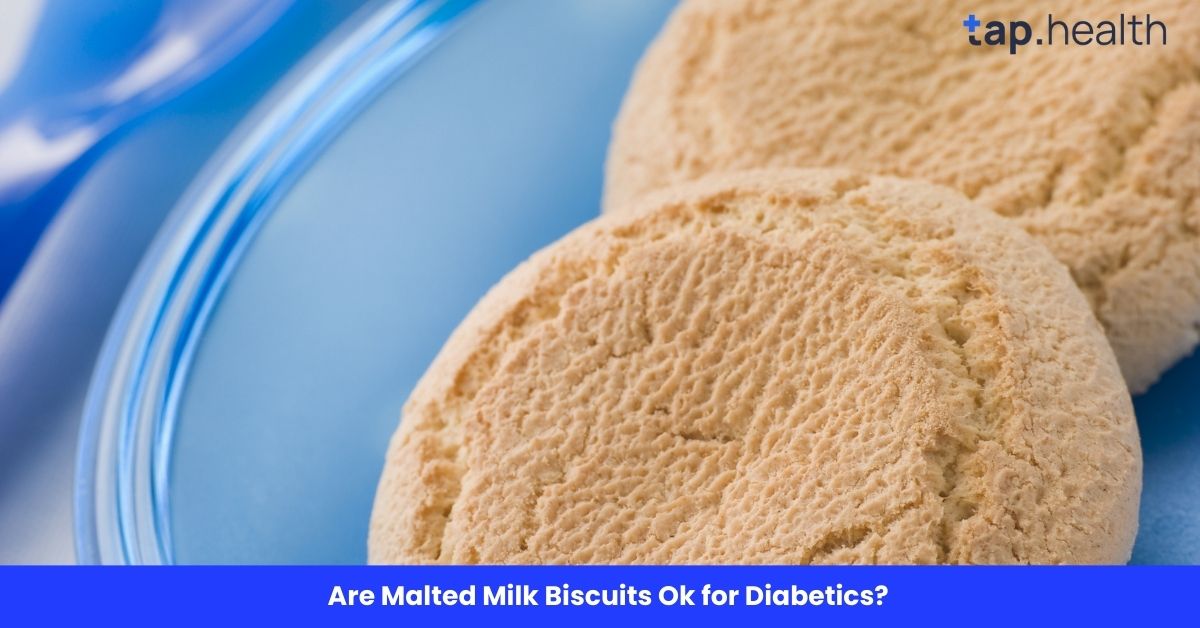
Let’s be honest. That familiar blue packet of malted milk biscuits is a classic. For many of us, it’s a taste of childhood, a perfect dunking partner for a cup of tea, and a simple, sweet treat. But if you’re living with diabetes, every snack choice comes with an important question: “Is this going to mess with my blood sugar levels?”
So, where do malted milk biscuits stand? Can you ever enjoy one without worry?
The short, simple answer is: It’s complicated. Malted milk biscuits are not a diabetes-friendly food and should not be a regular part of your diet. However, with careful planning and extreme moderation, you might be able to have one as a very occasional treat.
But you deserve more than a simple yes or no. You need to understand the why behind it. This guide will dive deep into the ingredients of these popular biscuits, explain how they affect your body, and give you practical, real-world advice on how to approach them. We’ll also explore some fantastic alternatives that can satisfy your craving without the blood sugar spike.
What Exactly Are In Malted Milk Biscuits? Breaking Down The Ingredients
To understand why malted milk biscuits are a concern, we need to play detective and look at what’s inside them. The main ingredients typically include:
- Wheat Flour: This is a refined carbohydrate. Your body breaks it down into sugar (glucose) very quickly.
- Sugar: This is straightforward. It’s added sweetness that directly raises blood glucose.
- Palm and/or Vegetable Oils: These provide the fat content, which can be high in saturated fats. While fat can sometimes slow down sugar absorption, unhealthy fats are not good for heart health—a key concern for many people with diabetes.
- Barley Malt Extract: This is the “malted” part of the name. It’s a sweet, sticky syrup made from sprouted barley. While it does contain some vitamins, it is ultimately a concentrated form of sugar.
- Whey Powder (from Milk): This adds to the “milk” flavor and contains a small amount of natural sugar (lactose).
- Raising Agents and Salt: These are for texture and flavor and don’t significantly impact blood sugar.
When you look at this list, the main takeaway is that the first few ingredients are all forms of quick-digesting carbohydrates and sugars. This is the biggest red flag for diabetes management.
The Sugar and Carb Content: The Numbers Don’t Lie
Let’s get specific. Looking at the nutritional information for a leading brand, here’s what a typical serving looks like (usually two biscuits):
- Per 2 biscuits (approx. 28g):
- Energy: Around 130-140 calories
- Carbohydrates: About 20-22 grams
- of which Sugars: About 8-10 grams
- Fat: About 5-6 grams
- of which Saturates: About 2.5-3 grams
- Fiber: Less than 1 gram (this is a critical point)
Why These Numbers Are a Problem
1. High Carbohydrate Load: 20+ grams of carbs from just two small biscuits is a significant amount. For someone managing diabetes, a snack should ideally be between 15-20 grams of carbs total. Using most of your snack carb allowance on two biscuits that offer very little nutritional value (like fiber, vitamins, or protein) is not a balanced choice.
2. High in Free Sugars: The 8-10 grams of sugar is what nutritionists call “free sugars” – these are sugars added to food, plus the sugars in honey, syrups, and fruit juices. health authorities like the NHS recommend that adults have no more than 30g of free sugars per day. Two biscuits would provide nearly a third of that daily limit in one go!
3. Almost No Fiber: Fiber is a superhero for blood sugar management. It slows down the digestion of carbs and the absorption of sugar into your bloodstream, preventing those sharp spikes. The fact that malted milk biscuits have less than 1 gram of fiber means the sugar and carbs hit your system fast and hard.
The Glycemic Index (GI) and Glycemic Load (GL): What They Mean For You
You might have heard these terms before. They are key to understanding how any food affects blood sugar.
- Glycemic Index (GI): This is a scale from 0 to 100 that measures how quickly a food causes your blood sugar to rise compared to pure glucose (which is 100).
- High GI foods (70+): Cause a rapid spike in blood sugar.
- Medium GI (56-69): Cause a moderate rise.
- Low GI (55 or less): Cause a slow, gradual rise.
- Glycemic Load (GL): This is often a more useful number because it takes the portion size into account. It tells you how much a serving of food will actually raise your blood glucose.
While I cannot find an official GI rating for malted milk biscuits, we can make a very educated guess. Given their main ingredients are refined flour and sugar, with no fiber to slow things down, they are almost certainly a high Glycemic Index food.
This means that after eating them, your blood sugar levels are likely to increase rapidly. For a person with diabetes, whose body struggles to produce or use insulin effectively to manage this surge, this can lead to hyperglycemia (high blood sugar).
The Real-World Impact: What Happens When You Eat One?
So, you decide to have two malted milk biscuits with your afternoon tea. Here’s the likely chain of events inside your body:
- Rapid Digestion: The enzymes in your saliva and stomach immediately start breaking down the simple carbs and sugars.
- Sugar Flood: The glucose from the biscuits enters your bloodstream quickly. Your blood sugar level begins to climb steeply.
- Panic Mode: Your pancreas detects the high sugar levels and tries to release insulin to help the glucose move into your cells for energy.
- The Struggle: If you have type 2 diabetes, your cells may be resistant to insulin, so the sugar stays in your bloodstream. If you have type 1 diabetes, you may not have enough insulin to handle the load without an injected dose.
- The Spike and Crash: You might experience a short burst of energy followed by a “sugar crash” – feeling tired, shaky, and hungry again soon after, as your body struggles to regain balance.
This cycle of spikes and crashes is stressful on your body and makes managing stable blood sugar levels throughout the day very difficult.
Are Malted Milk Biscuits Safe for Diabetics?
They may not be the best choice for someone with diabetes. Here’s why:
Blood Sugar Spikes
The high carbohydrate and sugar content in malted milk biscuits can cause a rapid increase in blood glucose levels. For someone managing diabetes, maintaining steady blood sugar levels is essential to prevent complications like hyperglycemia (high blood sugar) or hypoglycemia (low blood sugar). Even a small amount of these biscuits can contribute to blood sugar fluctuations.
Low Fiber Content
Fiber helps to slow the absorption of sugar into the bloodstream, which is beneficial for diabetics. However, since most malted milk biscuits are low in fiber, they may not help in this regard. This makes them less suitable for those looking to manage their blood sugar more effectively.
Empty Calories
Malted milk biscuits are high in calories but provide little nutritional benefit apart from sugars and fats. For diabetics, consuming “empty calories” (calories from foods that provide little to no nutritional value) can lead to weight gain and make blood sugar management even more challenging.
Risk of Weight Gain
Overconsumption of sugary snacks like malted milk biscuits can contribute to weight gain. Since many people with diabetes are already at risk of being overweight or obese, this is an additional concern. Obesity can worsen insulin resistance and lead to poor diabetes control.
So, Can You Ever Eat a Malted Milk Biscuit? The Rule of Moderation
Absolute deprivation often leads to cravings and eventually, giving in and overindulging. A more sustainable approach is mindful, planned moderation.
It is possible to have a malted milk biscuit on rare occasions, but it must be done strategically. It should be seen as a treat, not a snack. Think of it like having a slice of birthday cake—it’s for a special moment, not an everyday occurrence.
Here’s how to do it as safely as possible if you choose to:
1. Portion Control is EVERYTHING
Do not eat straight from the packet. Take one biscuit (not two) and put the packet away. One biscuit will have roughly half the carbs and sugar we discussed earlier, making it a more manageable amount to fit into your meal plan.
2. Pair It With Protein or Healthy Fat
This is the most important tip. Never eat a high-carb food by itself. Pairing it with a source of protein or healthy fat will significantly slow down the absorption of sugar.
- Have your one biscuit with a handful of nuts (almonds, walnuts).
- Eat it with a small pot of plain Greek yogurt.
- Have a slice of cheese alongside it.
This combination can help blunt the blood sugar spike.
3. Time It Right
Have your biscuit as part of a meal, or immediately after a balanced meal that contains plenty of fiber, protein, and healthy fats. Your body will digest the entire meal more slowly than it would the biscuit on an empty stomach.
4. Stay Active
If you can, take a short walk after having your treat. Physical activity helps your muscles use glucose for energy, which can naturally help lower your blood sugar levels.
5. Check Your Blood Sugar
If you have a glucose monitor, use it. Check your levels before you eat the biscuit and then about 1-2 hours after. This is the best way to understand how your body specifically reacts to it. This data empowers you to make informed decisions.
Healthier & Diabetes-Friendly Alternatives to Malted Milk Biscuits
The good news is that you don’t have to give up on enjoying a biscuit with your tea! There are many smarter choices that can satisfy your craving without derailing your health goals.
1. Choose Higher-Fiber, Whole Grain Biscuits
Look for biscuits where the first ingredient is whole wheat flour or oat flour. These contain more fiber.
- Digestive Biscuits (Wholemeal): While still a treat, a wholemeal digestive has more fiber than a malted milk biscuit. Stick to one.
- Oatcakes: These are a fantastic savory option. They are high in fiber and pair beautifully with cheese, peanut butter, or hummus.
- Biscuits specifically made for diabetics: Some brands make biscuits sweetened with alternatives like maltitol. Be cautious—these can still affect blood sugar and may cause stomach upset if eaten in large quantities. Always check the carb count.
2. DIY Your Own “Healthy” Malted Milk Biscuits
Baking at home puts you in control. You can:
- Use whole wheat flour or almond flour.
- Reduce the sugar content significantly or use a natural sugar alternative like erythritol or stevia that has minimal impact on blood glucose.
- Add healthy fats like those from nuts or seeds.
- Search for “diabetes-friendly malted milk biscuit recipe” online for inspiration.
3. Focus on Whole Food Snacks
Sometimes, a biscuit craving is really a craving for something crunchy, sweet, or just a ritual. Here are some truly healthy swaps:
- An apple with a tablespoon of peanut butter: Crunchy, sweet, and packed with fiber and protein.
- A small handful of berries and some nuts: Natural sweetness with healthy fats.
- A plain rice cake with almond butter: Provides that satisfying crunch.
- A small square of dark chocolate (70% cocoa or higher): Rich in flavor and antioxidants, and much lower in sugar than milk chocolate or biscuits.
The Bigger Picture: It’s About Your Overall Diet
One malted milk biscuit once in a blue moon is unlikely to cause long-term harm for most people with well-controlled diabetes. The real danger lies in making high-sugar, low-nutrient foods a regular habit.
Focus on building your diet around:
- Non-starchy vegetables (leafy greens, broccoli, peppers)
- Lean proteins (chicken, fish, tofu, legumes)
- Healthy fats (avocado, olive oil, nuts, seeds)
- High-fiber, complex carbs (whole oats, quinoa, sweet potato, whole grain bread in moderation)
When your everyday diet is balanced and nutritious, the occasional small treat can be accommodated without guilt or significant impact on your overall blood sugar management (HbA1c) levels.
Talking to Your Doctor or Dietitian
This is the most important advice. Everyone’s body is different. Your diabetes management plan is unique to you, based on your type of diabetes, medication, activity level, and overall health.
Always talk to your doctor or a registered dietitian before making any significant changes to your diet. They can give you personalized advice on carb counting, portion sizes, and how to safely incorporate treats.
Real-Life Scenario
Imagine Sarah, a 45-year-old woman recently diagnosed with type 2 diabetes. She enjoys her evening tea with a couple of malted milk biscuits. Initially, she doesn’t notice any immediate effects. However, over time, she experiences fluctuating blood sugar levels and weight gain. Upon consulting her healthcare provider, she learns that her favorite biscuits, high in sugar and refined carbohydrates, may be contributing to these issues. This realization prompts her to reconsider her snack choices and adopt a more balanced approach to her diet.
Expert Contribution
Dr. Anjali Mehta, a renowned endocrinologist, emphasizes the importance of mindful eating for individuals with diabetes. She states:
“While occasional indulgence in sweet treats is acceptable, regular consumption of high-sugar snacks like malted milk biscuits can lead to blood sugar spikes, making diabetes management more challenging.”
Dr. Mehta advises her patients to opt for snacks with a low glycemic index and high fiber content to maintain stable blood glucose levels.
Recommendations Grounded in Proven Research and Facts
1. Understand Glycemic Index (GI)
The glycemic index measures how quickly a carbohydrate-containing food raises blood glucose levels. Foods with a high GI cause rapid spikes in blood sugar. Malted milk biscuits typically have a high GI due to their refined flour and sugar content, making them less ideal for diabetics.
2. Choose High-Fiber, Low-Sugar Snacks
Incorporating snacks that are high in fiber and low in sugar can help manage blood glucose levels effectively. Options include:
- Whole-grain crackers with hummus
- A small handful of nuts
- Fresh vegetables with a low-fat dip
These alternatives provide essential nutrients without causing significant blood sugar fluctuations.
3. Monitor Portion Sizes
If you choose to consume malted milk biscuits, it’s crucial to monitor portion sizes. Limiting intake to one or two biscuits occasionally can minimize their impact on blood glucose levels. Pairing them with a protein source, like a small piece of cheese, can also help slow the absorption of sugars.
For more information on diabetic-friendly biscuit options, you can refer to this detailed guide: Which Biscuit is Good for Diabetes?
FAQ: Your Malted Milk Biscuit and Diabetes Questions Answered
Q1: Can a diabetic eat malted milk biscuits every day?
A: No, it is not advisable. Eating malted milk biscuits daily would mean regularly consuming high amounts of refined carbs and sugar, which would make it extremely difficult to maintain stable blood glucose levels and could lead to long-term health complications.
Q2: What is the best time for a diabetic to eat a malted milk biscuit?
A: The “safest” time, if you choose to have one, is immediately after a balanced meal that contains protein, fiber, and healthy fats. For example, after a lunch of grilled chicken salad. This helps slow down the digestion and absorption of the sugar from the biscuit. Avoid eating it on an empty stomach.
Q3: Are there any biscuits that are good for diabetics?
A: “Good” is a strong word, but some biscuits are better choices than others. Look for options that are:
- Made with 100% whole grains (oats, whole wheat).
- High in fiber (aim for at least 2-3g per serving).
- Low in sugar (less than 5g per serving).
- Low in saturated fat.
Oatcakes, wholemeal digestives (in moderation), and nut-based biscuits are often better options.
Q4: Does the malted barley extract make it worse for diabetes?
A: Yes. While it sounds natural, barley malt extract is a concentrated sugar syrup. It is not a healthier alternative to table sugar; in fact, it has a similarly high glycemic index and will raise blood sugar levels rapidly.
Q5: I had a few biscuits and my sugar spiked. What should I do?
A: Don’t panic. Drink plenty of water to help your kidneys flush out excess sugar through urine. Go for a walk or do some light physical activity if you can. Monitor your levels closely. If they remain high or you feel unwell, contact your healthcare team for advice. Use it as a learning experience to understand how your body reacts and to reinforce the importance of portion control next time.
Q6: Are sugar-free biscuits a better option?
A: They can be, but you must read the label carefully. “Sugar-free” often means free from sucrose (table sugar), but the biscuits can still be high in carbohydrates from refined flour. They may also contain sugar alcohols (like maltitol) which can have a lesser effect on blood sugar but may cause digestive issues. Always check the total carbohydrate content, not just the sugar content.