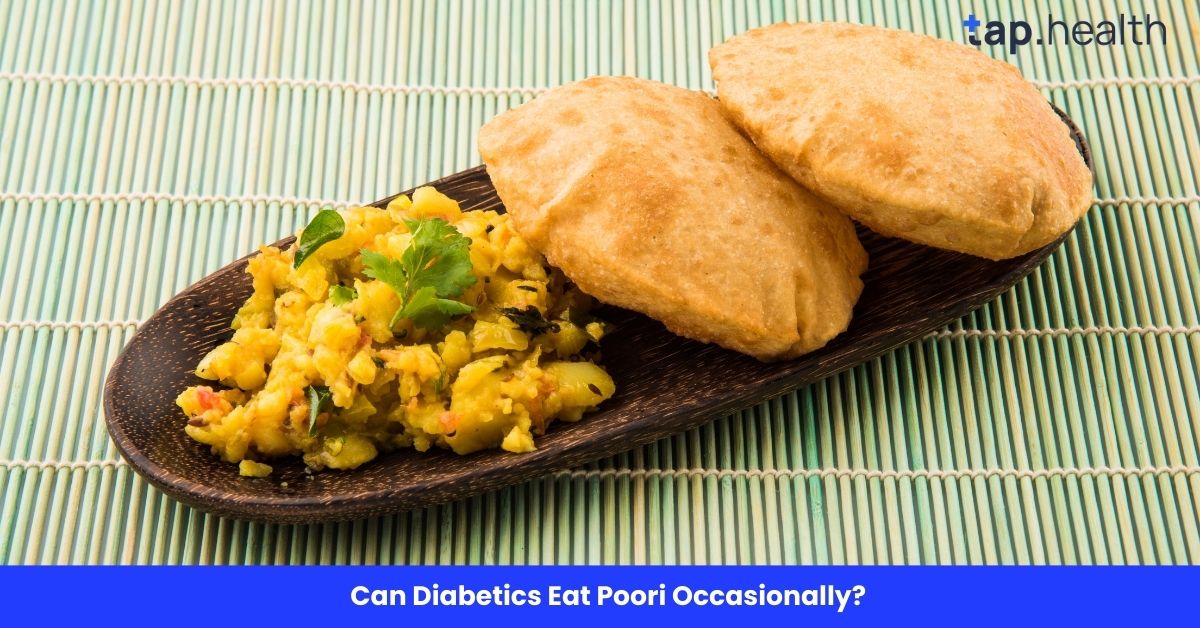
Poori, a popular deep-fried bread made from wheat flour, is a staple in many Indian meals. It’s soft, crispy, and often served alongside curries, chickpeas, or yogurt. But if you have diabetes, you might wonder: Can diabetics eat poori occasionally?
In this article, we’ll dive into the impact of poori on blood sugar, explore whether it’s okay for diabetics to enjoy it from time to time, and share tips on making healthier choices while managing diabetes.
What Is Poori?
Before we examine how poori affects blood sugar, let’s first understand what it is. Poori is a type of Indian bread made by rolling unleavened dough into flat discs, which are then deep-fried in oil or ghee. The result is a puffy, golden-brown bread that is enjoyed with various side dishes.
Key Ingredients in Poori:
- Wheat flour (typically refined flour, or maida)
- Water
- Salt (optional)
- Oil or ghee (used for frying)
While poori is tasty and satisfying, its ingredients and preparation method may not make it the best choice for people who need to manage their blood sugar levels.
Read this: Best Drinks for Diabetes to Lower Blood Sugar
How Poori Affects Blood Sugar in Diabetics
To understand whether diabetics can eat poori occasionally, it’s essential to know how poori impacts blood sugar levels. Foods that are high in carbohydrates can raise blood sugar, and poori is no exception.
1. High Glycemic Index of Poori
The glycemic index (GI) of a food is a measure of how quickly that food raises blood sugar after being consumed. Foods with a high GI cause rapid spikes in blood sugar, which is something people with diabetes need to avoid. Poori, made primarily from refined wheat flour, has a high glycemic index, meaning it’s quickly broken down and absorbed into the bloodstream as glucose.
For people with diabetes, high-GI foods like poori can lead to sudden spikes in blood sugar levels. This can be challenging to control, especially for those who are managing type 1 or type 2 diabetes.
Why Refined Flour Is a Concern
Refined wheat flour (maida) is stripped of most of its fiber and nutrients during processing. As a result, it is digested quickly, leading to a rapid rise in blood sugar. In contrast, whole grains like whole wheat flour have more fiber, which slows down digestion and helps stabilize blood sugar levels.
2. Impact of Frying on Blood Sugar
Pooris are deep-fried in oil, and this cooking method contributes to both their calorie and fat content. While the oil makes them delicious and crispy, it also adds unhealthy fats to the meal. These fats can worsen insulin resistance over time, making it harder for the body to regulate blood sugar efficiently.
Insulin Resistance and Fried Foods
Eating foods high in unhealthy fats (like fried poori) can exacerbate insulin resistance, a common issue for people with type 2 diabetes. When the body becomes resistant to insulin, it needs more insulin to manage blood sugar, which can lead to higher blood sugar levels and difficulty controlling diabetes.
3. High Calorie Content
Another concern with poori is its caloric density. A single poori can contain 100-150 calories, and since they are often consumed in multiples, the total calorie intake can add up quickly. For diabetics, it’s essential to manage calorie intake to avoid weight gain, which can worsen insulin resistance.
Weight Management and Blood Sugar Control
Managing weight is a critical aspect of diabetes management, especially for individuals with type 2 diabetes. Excess weight, especially around the abdomen, can increase insulin resistance, making blood sugar harder to control. Because poori is calorie-dense, eating it frequently can contribute to unwanted weight gain and complicate diabetes management.
4. Low Fiber Content in Poori
Fiber is an essential nutrient for people with diabetes because it helps slow the absorption of sugars into the bloodstream. Unfortunately, poori made from refined wheat flour is low in fiber. As a result, it doesn’t have the same blood sugar-stabilizing effect as high-fiber foods, such as whole grains or legumes.
Fiber and Blood Sugar Regulation
Foods that are high in fiber, like vegetables, whole grains, and beans, help control blood sugar levels by slowing the digestive process. Poori, with its low fiber content, is quickly broken down and absorbed into the bloodstream, which can lead to blood sugar spikes.
Read this: Is Poori Good for Diabetics?
Can Diabetics Eat Poori Occasionally?
So, the big question: Can diabetics eat poori occasionally? The answer is yes, but with some important considerations. Here are a few things to keep in mind if you want to indulge in poori while managing diabetes.
1. Moderation Is Key
As with any high-calorie or high-GI food, moderation is essential. Diabetics can enjoy poori occasionally, but it’s important to control portion sizes. One poori with a healthy side dish is less likely to cause a significant blood sugar spike than eating several pooris.
2. Pairing Poori with Protein and Fiber
When you do eat poori, try to pair it with foods that are high in fiber and protein. For example, a poori with a side of chickpea curry (chole) or vegetable curry can help balance out the meal. Protein and fiber slow down the digestion of carbohydrates, helping to prevent rapid spikes in blood sugar.
3. Choose Healthier Cooking Methods
Instead of deep-frying poori, try baking or air-frying it. These methods reduce the amount of fat and calories in the dish, making it a healthier option for people with diabetes.
4. Monitor Blood Sugar Levels
If you’re someone with diabetes, it’s essential to monitor your blood sugar levels after eating poori. This will help you understand how your body reacts to certain foods, allowing you to make more informed choices in the future.
Healthier Alternatives to Poori for Diabetics
If you love poori but need to manage your blood sugar, there are healthier alternatives that can satisfy your cravings without causing blood sugar spikes.
1. Baked Poori
Baking poori instead of frying it significantly reduces its fat content. Baked pooris still retain the crispy texture, but they are much lighter and have fewer calories, making them a better choice for people with diabetes.
2. Whole Wheat Poori
Opt for whole wheat flour instead of refined flour to make your poori. Whole wheat flour contains more fiber, which helps slow down the absorption of sugar, preventing rapid blood sugar increases.
3. Chickpea Flour Poori
Chickpea flour (besan) is a nutritious alternative to wheat flour. It is rich in protein and fiber, both of which help regulate blood sugar. Chickpea flour also has a lower glycemic index than refined wheat flour, making it a great choice for diabetics.
4. Millet-Based Poori
Millets, such as ragi or bajra, are excellent alternatives to refined flour. They are high in fiber and have a lower glycemic index, making them ideal for managing blood sugar levels. Millet-based pooris can provide a healthy, diabetes-friendly option.
Real-Life Scenario
To illustrate the impact of poori on blood sugar levels, consider the following scenario:
Scenario: A person with type 2 diabetes consumes two pooris with aloo sabzi for breakfast. The pooris are made from refined wheat flour and deep-fried in oil.
Expected Outcome: Due to the high glycemic index of the refined flour and the deep-frying process, the carbohydrates in the pooris are rapidly digested and absorbed, leading to a quick spike in blood sugar levels. The aloo sabzi, being rich in starch, further contributes to the rise in blood glucose.
This scenario highlights the importance of being mindful of food choices and portion sizes, especially for individuals managing diabetes.
Expert Contribution
According to Dr. Kumar, Advisor in Endocrinology and Metabolism at Sir Ganga Ram Hospital, consuming poori in small quantities may not significantly impact blood sugar levels. However, he emphasizes the need for tight control over blood sugar levels and recommends moderation in the intake of high-glycemic foods like poori.
Dr. Priyanka Rohatgi, Consultant Clinical Dietician, advises that while occasional consumption of poori is acceptable, individuals with diabetes should be cautious and consider the overall carbohydrate content of their meals to maintain stable blood sugar levels.
Recommendations Grounded in Proven Research and Facts
Based on current research and expert opinions, here are some recommendations for individuals concerned about blood sugar levels:
1. Control Portion Size
Avoid eating large quantities of poori. Eating a single poori with a healthy side like vegetable curry can help reduce the impact on your blood sugar.
2. Pair with Protein and Fiber
To slow down the absorption of carbohydrates and prevent rapid spikes in blood sugar, pair your poori with foods rich in protein and fiber. For example, a poori with chickpea curry (chole) or vegetable curry can help balance the overall glycemic load of the meal.
3. Choose Whole Wheat Poori
If possible, opt for whole wheat poori instead of one made with refined flour. The additional fiber in whole wheat flour helps slow the digestion of carbohydrates, which can lead to a more gradual increase in blood sugar.
4. Limit Fried Foods
Fried foods, including pooris, are often high in unhealthy fats that can worsen insulin resistance. Try to limit the frequency with which you eat fried foods, or consider baking or air-frying pooris instead of deep-frying them to reduce fat content.
5. Monitor Blood Sugar Levels
If you have diabetes, it’s essential to monitor your blood sugar levels regularly, especially after consuming foods like poori. This will help you understand how your body responds to different foods and make necessary adjustments to your diet.
FAQ: Can Diabetics Eat Poori Occasionally?
1. How often can diabetics eat poori?
Diabetics can eat poori occasionally, but it should be done in moderation. It’s important to limit portion sizes and ensure that the meal is balanced with protein, fiber, and healthy fats to help manage blood sugar levels.
2. Does whole wheat poori have a lower glycemic index than refined flour poori?
Yes, whole wheat poori has a lower glycemic index than poori made with refined flour (maida). Whole wheat flour contains more fiber, which helps slow the digestion of carbohydrates, leading to a slower rise in blood sugar.
3. Can I eat poori if I have type 2 diabetes?
Yes, you can eat poori if you have type 2 diabetes, but you should be mindful of portion sizes and how often you consume it. Pairing poori with high-fiber and high-protein foods can help stabilize blood sugar levels.
4. Can I bake poori instead of frying it?
Yes, baking poori is a great alternative to deep-frying. It reduces the fat and calorie content, making it a healthier choice for people with diabetes.
5. What other foods should diabetics avoid?
Diabetics should avoid foods that are high in refined carbohydrates, unhealthy fats, and added sugars. These include foods like sugary snacks, white bread, fried foods, and sugary drinks. Opt for whole grains, lean proteins, vegetables, and healthy fats to manage blood sugar effectively.
Conclusion
In conclusion, diabetics can eat poori occasionally, but it should be done with caution. The key is moderation, choosing healthier cooking methods, and balancing the meal with protein and fiber. Opting for whole wheat, baked, or chickpea flour poori can also make the dish more diabetes-friendly.
By being mindful of portion sizes and monitoring blood sugar levels, you can enjoy your favorite foods like poori without compromising your health. Always consult with your healthcare provider or dietitian to make the best choices for managing your diabetes.