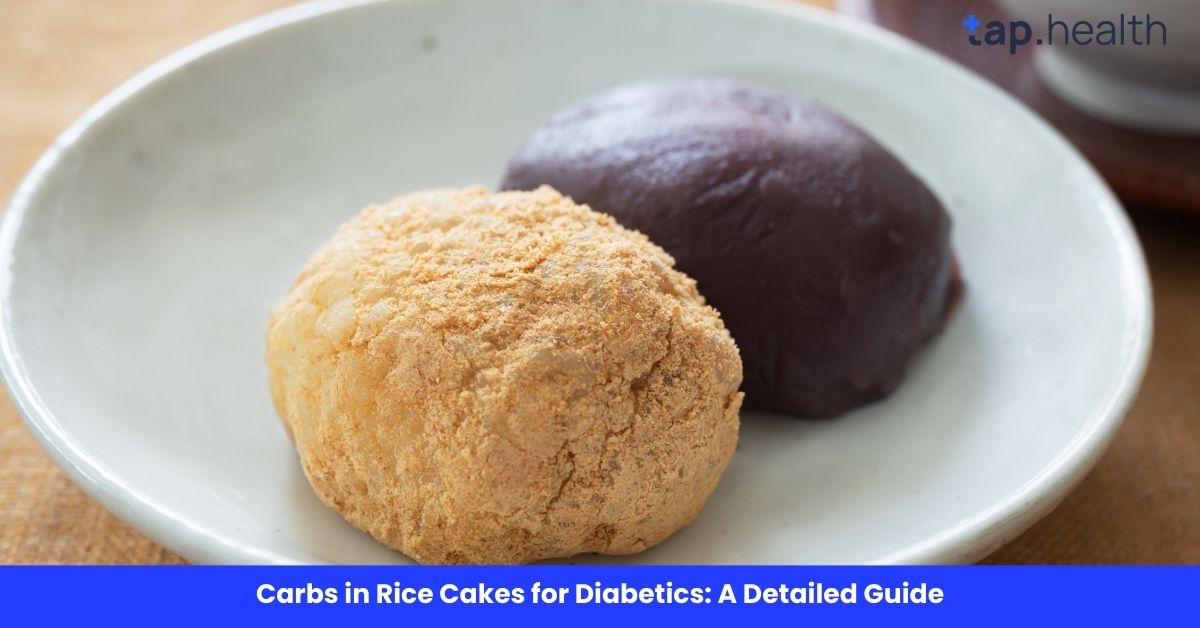
Rice cakes are a light and crunchy snack that many people love. They are often considered healthy because they are low in calories and easy to find. However, for people with diabetes, it’s important to understand how different foods affect blood sugar levels, especially when it comes to carbohydrates. In this blog post, we will explore the carbs in rice cakes, how they affect diabetics, and how to make better choices when selecting rice cakes.
What Are Carbs in Rice Cakes?
Carbohydrates, or carbs, are one of the main nutrients found in foods. They are the body’s main source of energy. However, not all carbs are created equal. Some carbs are digested quickly, causing a rapid increase in blood sugar levels, while others are digested more slowly, providing a steady release of energy.
Rice cakes are made by puffing rice, creating a light snack. Most rice cakes are made from white rice, but there are also versions made from brown rice or other whole grains. The type of rice used affects the carb content and how the body processes the rice cakes.
How Do Carbs in Rice Cakes Affect Blood Sugar Levels?
Rice cakes, especially those made from white rice, are quickly digested and absorbed into the bloodstream, causing a spike in blood sugar levels. This happens because rice cakes, particularly the ones made from refined grains, have a high glycemic index (GI).
The glycemic index is a measurement of how quickly a food raises blood sugar levels. Foods with a high GI, like white rice cakes, cause rapid increases in blood sugar. This can be concerning for people with diabetes, as managing blood sugar is crucial for controlling the condition.
The Glycemic Index (GI) and Its Importance for Diabetics
For diabetics, understanding the glycemic index is essential. The GI measures how quickly a food raises blood sugar after consumption. Foods with a high GI (above 70) are absorbed quickly, while those with a low GI (below 55) are digested more slowly, resulting in a gradual rise in blood sugar.
What Is the Glycemic Index of Rice Cakes?
Traditional rice cakes made from white rice have a high GI, often ranging between 70 and 85. This means they can cause a rapid spike in blood sugar, which can be problematic for diabetics. On the other hand, rice cakes made from whole grains like brown rice have a lower GI and are a better choice for people with diabetes.
Carbs in Rice Cakes: How Much Do They Contain?
The carb content in rice cakes depends on the type of rice used. Let’s break down the carb content of different types of rice cakes.
1. White Rice Cakes
White rice cakes are made from refined white rice. A single white rice cake (about 9-10 grams) typically contains 7-8 grams of carbohydrates. Since white rice has a high glycemic index, consuming these rice cakes can lead to a quick rise in blood sugar levels.
2. Brown Rice Cakes
Brown rice cakes are made from whole-grain brown rice. They have a lower glycemic index and are a better option for diabetics. A single brown rice cake typically contains 6-7 grams of carbohydrates, slightly less than its white rice counterpart. The fiber in brown rice also helps slow the digestion of carbohydrates, leading to a more gradual increase in blood sugar.
3. Other Grain-Based Rice Cakes
Rice cakes made from other grains, such as quinoa, millet, or oats, can have varying carb contents. However, they tend to be more nutrient-dense than white rice cakes and have lower glycemic indices. For example, quinoa rice cakes may have 5-6 grams of carbs per cake but come with additional protein and fiber, which help in stabilizing blood sugar.
What Is the Role of Fiber in Rice Cakes?
Fiber plays an important role in how carbs are absorbed in the body. Fiber slows down the digestion process, which helps prevent rapid spikes in blood sugar levels. This is especially important for diabetics.
High Fiber Rice Cakes vs. Low Fiber Rice Cakes
- High Fiber Rice Cakes: Rice cakes made from whole grains like brown rice, quinoa, or millet are higher in fiber. This fiber slows the digestion of carbohydrates, leading to a more controlled release of sugar into the bloodstream.
- Low Fiber Rice Cakes: Rice cakes made from white rice have little to no fiber. These are absorbed quickly, causing a rapid spike in blood sugar.
Why Fiber Is Important for Diabetics
Eating fiber-rich foods helps diabetics manage blood sugar levels more effectively. Fiber not only helps slow down the absorption of sugar but also improves overall digestion and helps maintain a healthy weight. A diet high in fiber can also reduce the risk of complications associated with diabetes, such as heart disease.
How to Choose the Right Rice Cakes for Diabetics
For diabetics, choosing the right rice cake is crucial for maintaining blood sugar levels. Here’s how to make the right choice:
1. Opt for Whole Grains
Rice cakes made from whole grains like brown rice, quinoa, or oats are the best options for diabetics. These options are lower on the glycemic index and contain more fiber, which helps slow the absorption of sugar into the bloodstream.
2. Avoid Added Sugars
Many flavored rice cakes contain added sugars, which can increase the carb content and cause a spike in blood sugar. Look for rice cakes that are free from added sugars or sweeteners. If you want a bit of sweetness, consider adding your own natural toppings like almond butter or fresh fruit.
3. Watch Portion Sizes
Rice cakes are light and easy to eat in large quantities. However, overeating them can lead to excessive carb consumption. It’s important to watch portion sizes and consume rice cakes in moderation to avoid blood sugar spikes.
4. Pair with Protein and Healthy Fats
To help balance the carbs in rice cakes, consider pairing them with protein or healthy fats. Nut butter, avocado, or a slice of turkey can provide a more balanced snack that keeps blood sugar levels steady.
Are Rice Cakes Safe for Diabetics?
Rice cakes can be part of a healthy diet for diabetics if chosen wisely and eaten in moderation. Whole grain rice cakes made from brown rice, quinoa, or other whole grains are the best choices for diabetics. They provide fiber, lower the glycemic index, and help manage blood sugar levels.
However, it’s essential to avoid eating rice cakes made from white rice in large quantities, as they have a high glycemic index and can cause rapid blood sugar spikes.
Can Rice Cakes Be Part of a Diabetic Meal Plan?
Yes, rice cakes can be included in a diabetic meal plan, but they should be consumed wisely. Here’s how to incorporate rice cakes into a balanced diabetic meal:
- Breakfast: Top a whole grain rice cake with almond butter and chia seeds for a filling, fiber-rich breakfast.
- Snack: Pair a brown rice cake with a handful of nuts or low-fat cheese for a balanced snack.
- Lunch or Dinner: Use rice cakes as a base for a healthy sandwich, pairing them with lean protein, vegetables, and healthy fats.
By carefully choosing rice cakes made from whole grains and pairing them with other healthy foods, diabetics can enjoy this light snack without compromising their blood sugar control.
Real-Life Scenario
Consider Sarah, a 45-year-old woman with type 2 diabetes. She enjoys snacking on rice cakes, believing they’re a healthy choice due to their low calorie content. However, after monitoring her blood sugar levels, she notices significant spikes after consuming them. This is because traditional rice cakes, especially those made from refined white rice, have a high glycemic index, leading to rapid increases in blood glucose.
To address this, Sarah consults with her healthcare provider and nutritionist. They recommend switching to brown rice cakes, which have a lower glycemic index and higher fiber content. Additionally, pairing rice cakes with protein-rich foods like hummus or nut butter can help slow the absorption of sugars and provide a more balanced snack. By making these adjustments, Sarah can enjoy her favorite snack without compromising her blood sugar control.
Expert Contribution
Dr. Emily Chen, a registered dietitian specializing in diabetes care, emphasizes the importance of understanding the glycemic index when selecting foods for a diabetic diet. “Foods with a high glycemic index, like traditional rice cakes, can lead to rapid spikes in blood sugar levels,” she explains. “Opting for whole grain alternatives and pairing them with protein or healthy fats can help mitigate these effects.”
Dr. Chen also advises her patients to be mindful of portion sizes. “Even healthier options can impact blood sugar if consumed in large quantities,” she notes. “It’s crucial to monitor blood glucose levels and adjust portion sizes accordingly.”
Recommendations Grounded in Proven Research and Facts
- Choose Whole Grain Rice Cakes: Brown rice cakes have a lower glycemic index compared to those made from refined white rice. This means they cause a slower, more gradual increase in blood sugar levels, which is beneficial for diabetes management.
- Pair with Protein or Healthy Fats: Combining rice cakes with protein-rich foods like cottage cheese or healthy fats such as avocado can help slow the digestion and absorption of carbohydrates, leading to more stable blood sugar levels.
- Mind Portion Sizes: While rice cakes can be part of a diabetic-friendly diet, it’s important to consume them in moderation. One or two rice cakes can be a good serving size, depending on the overall carbohydrate intake for the day.
- Avoid Flavored Varieties with Added Sugars: Many flavored rice cakes contain added sugars and artificial ingredients, which can cause rapid spikes in blood sugar. Opting for plain or lightly salted varieties can help reduce this risk.
- Monitor Blood Sugar Levels: Regularly checking blood glucose levels after consuming rice cakes can provide valuable insights into how they affect your body. This information can help tailor your diet to better manage diabetes.
Frequently Asked Questions (FAQ) on Carbs in Rice Cakes for Diabetics: A Detailed Guide
1. How many carbs are in rice cakes for diabetics?
A typical rice cake made from white rice contains around 7-8 grams of carbs, while a brown rice cake has about 6-7 grams of carbs. Whole grain rice cakes tend to have more fiber and a lower glycemic index.
2. Are rice cakes bad for diabetics?
Rice cakes themselves are not inherently bad for diabetics, but the type of rice cake matters. White rice cakes have a high glycemic index, which can cause blood sugar spikes. Opting for brown rice or whole grain rice cakes can help manage blood sugar more effectively.
3. Can diabetics eat rice cakes daily?
Yes, diabetics can eat rice cakes daily as long as they are consumed in moderation and are made from whole grains. Pairing rice cakes with protein or healthy fats can help prevent rapid blood sugar spikes.
4. What’s the best rice cake for diabetics?
The best rice cakes for diabetics are those made from whole grains like brown rice, quinoa, or millet. These options are lower on the glycemic index and contain more fiber, which helps stabilize blood sugar levels.
5. Can I add toppings to rice cakes for better blood sugar control?
Yes, adding toppings like almond butter, avocado, or lean protein to rice cakes can help balance the carbs and prevent blood sugar spikes. Toppings rich in fiber, protein, and healthy fats are ideal for diabetics.
In conclusion, rice cakes can be a healthy snack for diabetics if chosen wisely. Opting for rice cakes made from whole grains like brown rice or quinoa and pairing them with protein and healthy fats can help manage blood sugar levels. By understanding the carb content and glycemic index of rice cakes, diabetics can enjoy this snack while keeping their blood sugar levels in check.