tap.health logo
  • Diabetes Management
  • Health Assistant
  • About Us
  • Blog
  • Contact Us
Get Plan
  • Diabetes Management
  • Health Assistant
  • About Us
  • Blog
  • Contact Us
  • All Blogs
  • Diabetes
  • What is an Endocrine Disorder? Causes, Symptoms, Types, and Treatment Explained

What is an Endocrine Disorder? Causes, Symptoms, Types, and Treatment Explained

Diabetes
October 13, 2025
• 6 min read
Yasaswini Vajupeyajula
Written by
Yasaswini Vajupeyajula
Shalu Raghav
Reviewed by:
Shalu Raghav
ChatGPT Perplexity WhatsApp LinkedIn X Grok Google AI
What is an Endocrine Disorder?

The human body is a remarkable system where everything works together to maintain balance and health. One of the key systems responsible for regulating many of the body’s functions is the endocrine system. This system comprises glands that release hormones into the bloodstream, which act as chemical messengers. These hormones control various bodily processes such as growth, metabolism, mood, and reproduction.

When the endocrine system malfunctions, it can lead to what is known as an endocrine disorder. Endocrine disorders affect the way the body’s hormones function and can have a significant impact on overall health. In this article, we will explore what endocrine disorders are, their causes, symptoms, types, and treatments in simple and easy-to-understand terms.

What is the Endocrine System?

Before diving into what an endocrine disorder is, it’s important to understand the endocrine system and how it works.

Definition of the Endocrine System

The endocrine system is made up of a network of glands that release hormones into the bloodstream. These hormones are responsible for controlling and regulating many of the body’s functions, including:

  • Metabolism: How your body uses energy.
  • Growth: How your body develops and grows over time.
  • Reproduction: Controlling sexual function and reproduction.
  • Mood and Emotions: Affecting how you feel and behave.

Key Endocrine Glands in the Body

The main glands in the endocrine system include:

  • Pituitary Gland: Often called the “master gland,” it controls other endocrine glands and regulates functions like growth and metabolism.
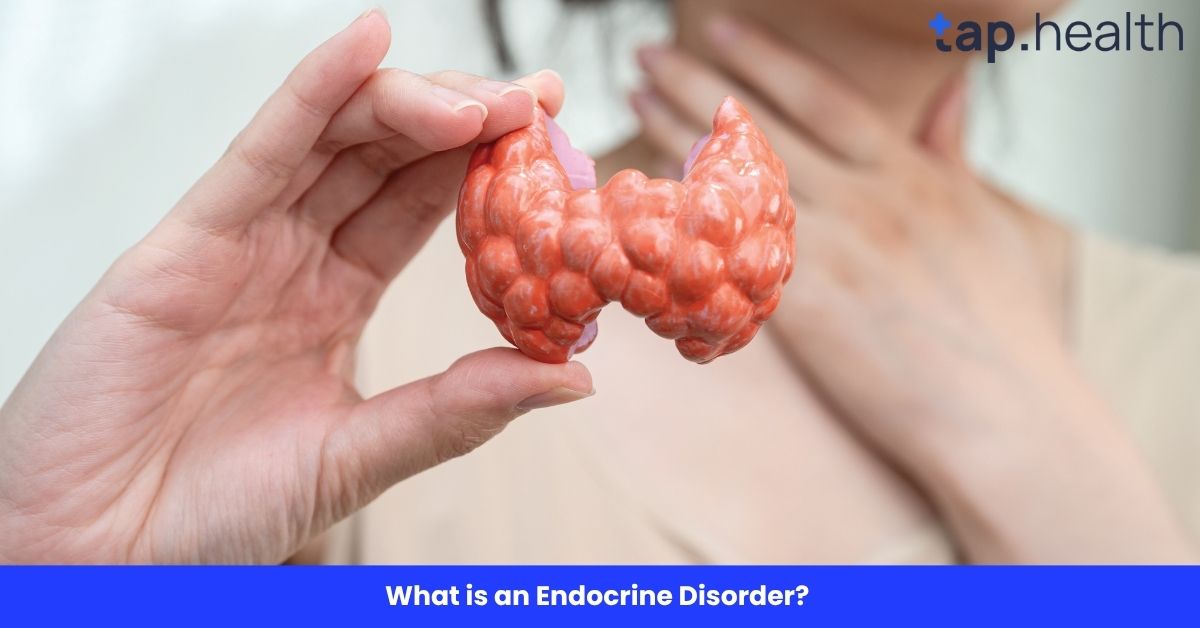
  • Thyroid Gland: Produces hormones that regulate metabolism and energy use.
  • Adrenal Glands: Produce adrenaline and cortisol, which help the body respond to stress.
  • Pancreas: Regulates blood sugar levels by producing insulin and glucagon.
  • Ovaries: In females, produce estrogen and progesterone, controlling the menstrual cycle and pregnancy.
  • Testes: In males, produce testosterone, controlling male reproduction and physical traits.
  • Pineal Gland: Produces melatonin, which regulates sleep cycles.

The body relies on these hormones to function correctly. When there is a problem with any of these glands, an endocrine disorder can occur.

What is an Endocrine Disorder?

An endocrine disorder occurs when one or more glands in the endocrine system produce too much or too little of a hormone. This imbalance can disrupt the normal function of the body and lead to a variety of symptoms, which can range from mild to severe.

Types of Endocrine Disorders

There are several types of endocrine disorders, each affecting different glands and functions in the body. Some common types include:

  1. Thyroid Disorders
    • Hypothyroidism (underactive thyroid): The thyroid doesn’t produce enough thyroid hormone, slowing down metabolism.
    • Hyperthyroidism (overactive thyroid): The thyroid produces too much hormone, speeding up metabolism.
  2. Diabetes
    • Type 1 Diabetes: The body doesn’t produce insulin, which helps regulate blood sugar.
    • Type 2 Diabetes: The body becomes resistant to insulin, leading to high blood sugar levels.
  3. Adrenal Disorders
    • Cushing’s Syndrome: The adrenal glands produce too much cortisol, leading to weight gain and other symptoms.
    • Addison’s Disease: The adrenal glands don’t produce enough cortisol and aldosterone, causing fatigue and weakness.
  4. Pituitary Disorders
    • Pituitary Tumors: Can lead to overproduction or underproduction of certain hormones.
    • Growth Hormone Deficiency: The pituitary doesn’t produce enough growth hormone, affecting growth and development.
  5. Polycystic Ovary Syndrome (PCOS)
    A condition that affects the ovaries, leading to irregular menstrual cycles, high levels of male hormones, and cysts on the ovaries.

Causes of Endocrine Disorders

Endocrine disorders can occur due to a variety of factors, including:

1. Genetics

Some endocrine disorders are inherited. For example, type 1 diabetes is an autoimmune disease that often runs in families. Congenital hypothyroidism is another example, where a child is born with a thyroid that doesn’t function properly.

2. Autoimmune Diseases

In autoimmune conditions, the body’s immune system mistakenly attacks its own tissues. For instance, in Hashimoto’s thyroiditis, the immune system attacks the thyroid, leading to hypothyroidism.

3. Infections

Infections can damage endocrine glands, leading to hormone imbalances. For example, a viral infection can affect the pancreas and lead to diabetes.

4. Tumors or Cysts

Tumors or growths in the endocrine glands can interfere with hormone production. For example, pituitary tumors can lead to the overproduction of hormones, while adrenal tumors can cause excess cortisol production.

5. Lifestyle Factors

Unhealthy lifestyle choices, such as poor diet, lack of exercise, and high stress, can contribute to the development of endocrine disorders like type 2 diabetes and PCOS.

6. Aging

As we age, the function of certain glands, such as the thyroid and adrenal glands, may slow down, leading to endocrine imbalances.

Symptoms of Endocrine Disorders

The symptoms of endocrine disorders can vary widely depending on which gland is affected. However, common symptoms include:

1. Fatigue and Weakness

A lack of certain hormones can cause fatigue, weakness, and an overall feeling of low energy. For example, people with hypothyroidism often experience extreme tiredness.

2. Weight Changes

Endocrine disorders can cause weight gain or loss. For example, hyperthyroidism can cause weight loss despite normal or increased eating, while hypothyroidism may lead to weight gain.

3. Mood Changes

Hormonal imbalances can affect your mood, leading to symptoms like anxiety, depression, or irritability. This is common in disorders like PCOS and Addison’s disease.

4. Thirst and Frequent Urination

Uncontrolled diabetes often causes excessive thirst and urination due to high blood sugar levels.

5. Changes in Skin and Hair

Hormonal imbalances can cause changes in the skin and hair, such as dry skin, thinning hair, or acne. For example, PCOS can cause excessive hair growth and acne.

6. Menstrual Irregularities

Endocrine disorders like PCOS and hypothyroidism can lead to irregular menstrual cycles or missed periods.

How Are Endocrine Disorders Diagnosed?

To diagnose an endocrine disorder, doctors typically perform:

1. Blood Tests

Blood tests measure the levels of hormones in the bloodstream. For example, a thyroid function test measures TSH (thyroid-stimulating hormone) and other thyroid hormones to check for thyroid imbalances.

2. Imaging Tests

Imaging tests like CT scans or MRI may be used to detect tumors or abnormalities in the endocrine glands, such as the pituitary or adrenal glands.

3. Physical Exam

A doctor may check for physical signs of endocrine imbalances, such as changes in weight, blood pressure, or skin texture.

4. Urine Tests

Urine tests can be used to measure the amount of specific hormones excreted by the kidneys, such as in the case of Cushing’s syndrome.

Treatment of Endocrine Disorders

Treatment for endocrine disorders depends on the specific condition and the glands involved. Some common treatment options include:

1. Hormone Replacement Therapy

In cases where the body is not producing enough hormones, doctors may prescribe hormone replacement therapy. For example, levothyroxine is used to treat hypothyroidism, while insulin is used to manage diabetes.

2. Medications

Certain medications can help control the overproduction of hormones. For example, methimazole is used to treat hyperthyroidism.

3. Surgery

In some cases, surgery may be required to remove tumors or glands that are malfunctioning. For instance, surgery can be done to remove a pituitary tumor or an adrenal tumor.

4. Lifestyle Changes

Lifestyle modifications, such as dietary changes, exercise, and stress management, can help manage conditions like type 2 diabetes and PCOS.

5. Radiation Therapy

For certain conditions, such as Cushing’s syndrome or thyroid cancer, radiation therapy may be used to shrink tumors or abnormal glandular tissue.

Real-Life Scenario

Consider a person who suddenly experiences unexplained weight gain, fatigue, and mood changes. These symptoms might indicate an underactive thyroid (hypothyroidism)—an endocrine disorder affecting hormone production. Recognizing these signs early can prevent complications and improve quality of life.

Expert Contribution

Endocrinologists explain that endocrine disorders are often subtle in their early stages, making diagnosis challenging. They emphasize regular health check-ups, blood tests to measure hormone levels, and understanding family history as essential for early detection and effective management.

Recommendations Grounded in Proven Research and Facts

  • Regular screenings: Blood tests for thyroid function, blood sugar, and hormone levels help in early detection.
  • Healthy lifestyle: Balanced diet, regular exercise, and stress management support endocrine health.
  • Medication adherence: Follow prescribed hormone replacement or treatment plans strictly.
  • Monitor symptoms: Keep track of fatigue, weight changes, mood swings, or other unusual signs.
  • Consult specialists: Endocrinologists provide targeted care for complex hormonal imbalances.

Frequently Asked Questions (FAQs) on What is an Endocrine Disorder?

1. What causes an endocrine disorder?

Endocrine disorders can be caused by various factors, including genetics, autoimmune diseases, infections, tumors, lifestyle factors, and aging.

2. What are the common symptoms of an endocrine disorder?

Common symptoms include fatigue, weight changes, mood changes, thirst and frequent urination, changes in skin and hair, and menstrual irregularities.

3. How is an endocrine disorder diagnosed?

Endocrine disorders are diagnosed through blood tests, imaging tests, physical exams, and urine tests to measure hormone levels and detect abnormalities in the glands.

4. Can endocrine disorders be treated?

Yes, most endocrine disorders can be managed with hormone replacement therapy, medications, surgery, and lifestyle changes, depending on the condition.

5. What is the most common endocrine disorder?

The most common endocrine disorder is diabetes, especially type 2 diabetes, which affects millions of people worldwide.

6. Can endocrine disorders be prevented?

Some endocrine disorders, such as type 2 diabetes, can be prevented or managed through a healthy lifestyle, including proper diet and regular exercise.

Conclusion

Endocrine disorders are conditions that occur when one or more glands in the endocrine system produce too much or too little of a hormone. These disorders can lead to a wide range of symptoms and can significantly affect a person’s overall health. The good news is that many endocrine disorders can be diagnosed and treated effectively with the right care and management.

If you suspect you have an endocrine disorder, it is important to consult a healthcare provider for proper diagnosis and treatment. With timely intervention, most people with endocrine disorders can lead healthy, active lives.

Tags
diabetes prevention foot health diabetes and sleep fasting blood sugar diabetes misconceptions diabetes medicine safety diabetic neuropathy symptoms diabetic foot ulcer warning signs can diabetics eat mango diabetes itching urinary infection diabetes diabetes slow wound healing metformin side effects diabetes numbness in hands banana for diabetes dates blood sugar jaggery for diabetes is poha good for diabetes guava blood sugar India diabetes diabetes after pregnancy type 1 and type 2 diabetes difference lipid profile diabetes diabetes vs MODY menopause blood sugar insulin fridge temperature diabetes muscle weakness diabetes and high blood pressure night shift diabetes diabetes quit smoking A1C gestational diabetes poor sleep blood sugar HbA1c diabetes symptoms in women diabetes medicines diabetes nerve damage diabetes and blood pressure mango and diabetes dark patches diabetes diabetes stomach problems diabetes wounds metformin safety diabetes tingling hands banana blood sugar papaya for diabetes is jaggery good for diabetes poha blood sugar orange for diabetes sugar spike after rice gestational diabetes India difference between type 1 and type 2 diabetes diabetes vs neuropathy MODY diabetes symptoms type 2 diabetes menopause glucometer errors sarcopenia diabetes diabetes hypertension diabetes meal timing shift work diabetes neuropathy pain relief Medicine blood sugar pregnancy diabetes sleep and diabetes diabetes in India women diabetes signs diabetes treatment advice tingling feet diabetes high blood pressure diabetes mango sugar diabetes walking after meals for diabetes diabetic gastroparesis diabetic wound care diabetes ketoacidosis warning signs diabetic neuropathy hands coconut water and diabetes is papaya good for diabetes gur for diabetes sprouts for diabetes can diabetics eat oranges Indian diet diabetes continuous glucose monitor India diabetes vs diabetes insipidus diabetes vs heart disease maturity onset diabetes of the young diabetes and frozen shoulder wrong blood sugar reading diabetes and anaemia BP in diabetes diabetes and vitamin D diabetic neuropathy burning feet Health fasting glucose blood sugar pregnancy diabetes and stress diabetes risk factors India diabetes risk women Indian diabetic diet chart diabetes eye disease diabetes heart kidney risk diabetes reversal vs remission post meal walk diabetes diabetes bloating nausea diabetes yeast infection DKA symptoms fasting with diabetes coconut water for diabetes papaya blood sugar watermelon for diabetes are sprouts good for diabetes orange blood sugar glucose spike symptoms CGM cost India diabetes mellitus vs diabetes insipidus diabetes heart disease risk continuous glucose monitor diabetes frozen shoulder diabetes reactive hypoglycaemia anaemia diabetes HbA1c diabetes and liver enzymes vitamin D deficiency diabetes diabetes gastroparesis Lifestyle A1C test low blood sugar stress blood sugar diabetes prevention India diabetes symptoms in men diabetic meal plan diabetic eye test borderline HbA1c diabetes remission walking lowers blood sugar diabetes sick day rules diabetes fungal infection ketones diabetes diabetes fasting safety can diabetics drink coconut water oats for diabetes can diabetics eat watermelon sprouts blood sugar brown bread for diabetes post meal blood sugar time in range diabetes insipidus symptoms diabetes and heart attack CGM diabetes diabetic shoulder pain low blood sugar after eating low haemoglobin diabetes high SGPT diabetes vitamin D insulin resistance diabetic gastroparesis symptoms Home remedies diabetes diet hypoglycemia cortisol diabetes best fruits for diabetes men diabetes signs HbA1c test high protein breakfast for diabetes HbA1c 5.7 to 6.4 reverse type 2 diabetes diabetes grocery list India diabetes during illness diabetes vaginal itching diabetes blurry vision can diabetics fast curd for diabetes oatmeal diabetes watermelon blood sugar methi seeds for diabetes bread for diabetes diabetes blood pressure glucometer accuracy diabetes vs metabolic syndrome gestational diabetes vs type 2 diabetes continuous glucose monitoring metformin vitamin B12 deficiency postprandial hypoglycaemia diabetes and uric acid SGOT SGPT diabetes diabetes and magnesium delayed stomach emptying diabetes Fitness balanced meals diabetes safety diabetes eye care diabetes fruits diabetes risk men HbA1c normal range diabetes breakfast India prediabetes HbA1c diabetes plate method diabetic food list India blood sugar fever infection diabetes night sweats high blood sugar blurry vision insulin injection sites is curd good for diabetes are oats good for diabetes apple for diabetes fenugreek for diabetes whole wheat bread diabetes diabetes heart risk diabetes technology metabolic syndrome and diabetes pregnancy diabetes and type 2 diabetes steroid induced diabetes metformin B12 symptoms type 3c diabetes high uric acid diabetes diabetes and dental health magnesium deficiency diabetes diabetes and UTI Prevention healthy eating diabetes heart health diabetic retinopathy fruit and blood sugar type 1 diabetes how to lower HbA1c diabetic breakfast ideas post-meal blood sugar Indian diabetes plate foods for diabetes shopping diabetes and alcohol low blood sugar at night diabetes excessive thirst insulin site rotation diabetes curd milk for diabetes can diabetics eat apple methi diabetes avocado for diabetes ABC diabetes CGM vs glucometer India metabolic syndrome symptoms gestational diabetes future risk steroid diabetes symptoms vitamin B12 test metformin pancreatogenic diabetes diabetes gout risk tooth infection diabetes magnesium insulin sensitivity urinary tract infection diabetes Hygiene why diabetes is considered as a lifestyle disease blood pressure diabetes eye test rice and diabetes type 1 diabetes symptoms fasting sugar normal range PCOS and diabetes blood sugar after food diabetes portion control diabetes kidney tests alcohol blood sugar diabetes diabetes sweating at night diabetes dry mouth insulin lumps tea and coffee in diabetes can diabetics drink milk apple blood sugar cinnamon for diabetes is avocado good for diabetes kidney risk diabetes diabetes reversal myths diabetes vs thyroid diabetes vs anaemia steroids high blood sugar diabetes distress diabetes caused by pancreas disease diabetes and PCOS diabetes and skin infections protein intake diabetes diabetes women's sexual health Ailments lifestyle diabetes cholesterol diabetes kidney care can diabetics eat rice insulin diabetes high fasting blood sugar PCOS insulin resistance postprandial glucose low glycaemic index foods for diabetes urine albumin diabetes can diabetics drink alcohol diabetes headache frequent urination diabetes diabetes weight gain coffee diabetes best milk for diabetes eggs for diabetes cinnamon blood sugar avocado blood sugar blurred vision diabetes HbA1c remission diabetes and thyroid disease diabetes fatigue or anaemia diabetes and hair loss diabetes burnout diabetes and bone health PCOS insulin resistance diabetes boils diabetes diabetes protein diet diabetes vaginal dryness Hindi type 2 diabetes lifestyle disease living with diabetes diabetic kidney disease diabetes diet India prediabetes diet reverse prediabetes naturally PCOS diabetes risk dawn phenomenon diabetes low GI foods India eGFR diabetes diabetes and dizziness high blood sugar headache diabetes fatigue diabetes and weight gain tea diabetes peanuts for diabetes are eggs good for diabetes dalchini for diabetes travelling with diabetes fundus exam diabetes remission vs reversal thyroid blood sugar anaemia diabetes symptoms diabetes hair loss causes diabetes burnout symptoms diabetes osteoporosis diabetes and sleep apnoea diabetes and travel protein foods for diabetes diabetes sexual problems women skin diseases exercise and diabetes diabetes habits kidney tests diabetes morning blood sugar prediabetes food prediabetes reversal gestational diabetes diet Indian morning sugar high diabetes low GI diet diabetes and dental problems dizziness diabetes low blood sugar headache diabetes tiredness insulin weight gain roti for diabetes are peanuts good for diabetes egg diabetes amla for diabetes diabetes travel checklist eye care diabetes vildagliptin diabetes vs PCOS diabetes vs Cushing syndrome hair fall in diabetes diabetes depression anxiety diabetes fracture risk sleep apnea diabetes travel with diabetes diabetes and fibre acne vulgaris symptoms blood sugar control diabetes management high blood sugar symptoms fasting sugar high lower diabetes risk how to prevent type 2 diabetes pregnancy diabetes diet high fasting sugar in morning diabetes and fatty liver diabetes gum disease low sugar dizziness blood sugar monitoring at home high blood sugar tiredness diabetes swollen feet best roti for diabetes peanuts blood sugar paneer for diabetes amla juice diabetes insulin travel storage diabetic retinopathy symptoms vildagliptin benefits in type 2 diabetes patients diabetes vs hypertension Cushing syndrome blood sugar diabetes and erectile dysfunction diabetes and depression diabetes and cataracts snoring diabetes insulin resistance diabetes Ramadan fasting fibre foods for diabetes AI Search physical activity insulin resistance hyperglycemia symptoms dawn phenomenon diabetes and weight loss insulin resistance diet gestational diabetes meal plan diabetes and cholesterol fatty liver diabetes dry mouth diabetes diabetes leg pain when to check blood sugar diabetes constipation swollen feet diabetes chapati diabetes sweet potato for diabetes is paneer good for diabetes amla blood sugar diabetes hot weather GDM screening DPP-4 inhibitor diabetes and hypertension diabetes vs LADA erectile dysfunction diabetes diabetes anxiety symptoms diabetic cataract symptoms diabetes and high cholesterol diabetes fasting Ramadan soluble fibre blood sugar type 2 diabetes diabetes foot care insulin sensitivity diabetes warning signs diabetes myths weight loss diabetes Indian foods for insulin resistance diabetic foot ulcer diabetes lipid profile insulin resistance fatty liver diabetes urine infection diabetic leg cramps blood glucose monitoring diabetes and constipation diabetes foot swelling can diabetics eat dates can diabetics eat sweet potato paneer diabetes guava for diabetes diabetes dehydration pregnancy blood sugar targets diabetes medicine India blood sugar vs blood pressure LADA diabetes symptoms ED in diabetic men how to store insulin cataract surgery diabetes diabetes cholesterol levels Ramadan diabetes medicine timing diabetes and smoking prediabetes diabetic foot type 2 diabetes risk normal blood sugar levels diabetes facts insulin resistance weight loss improve insulin sensitivity diabetes foot wound cholesterol in diabetes diabetes skin problems frequent UTI diabetes diabetes nerve pain legs metformin for diabetes constipation diabetes can diabetics eat banana dates for diabetes sweet potato blood sugar poha for diabetes can diabetics eat guava heat and blood sugar postpartum diabetes risk type 1 vs type 2 diabetes diabetes vs high cholesterol latent autoimmune diabetes in adults diabetes and menopause insulin storage at home diabetes and muscle loss diabetes triglycerides diabetes and shift work smoking diabetes risk
More blogs
Yasaswini Vajupeyajula
• June 29, 2026
• 19 min read

Diabetes and Shift Work: Night Duties, Sleep, Meal Timing, Glucose Spikes, and Routine Planning

Understand how night shifts affect blood sugar, sleep, stress, meals, medicines, and how to build a safer diabetes routine.

Diabetes
What is an Endocrine Disorder?
Varshitha Sotala
Varshitha Sotala
• June 29, 2026
• 19 min read

Diabetes and Ramadan Fasting: Sehri, Iftar, Medicine Timing, Hypoglycaemia, and Safe Monitoring

Learn safer Ramadan fasting with diabetes, including pre-Ramadan checks, sehri, iftar, medicine timing, glucose monitoring, and when not to fast.

Diabetes
What is an Endocrine Disorder?
Nishat Anjum
Nishat Anjum
• June 29, 2026
• 19 min read

Diabetes and Skin Infections: Boils, Fungal Infection, Itching, Slow Healing, and Prevention

A detailed guide to diabetes-related skin infections, boils, fungal rashes, itching, slow healing, hygiene, and when to seek care.

Diabetes
What is an Endocrine Disorder?
Do you remember your last sugar reading?
Log and Track your glucose on the Tap Health App
All logs in one place
Smart trend graphs
Medicine Reminder
100% Ad Free
Download Now

Missed your diabetes meds

again? Not anymore.

Get medicine reminders on your phone.

✓ Glucose diary and Insights
✓ Smart Nudges
✓ All logs at one place
✓ 100% Ad free
Download Free
tap health
tap.health logo
copyright © 2025
2nd Floor,Plot No 4, Minarch Tower,
Sector 44,Gurugram, 122003,
Haryana, India
  • About Us
  • Blog
  • Doctor login
  • Contact Us
  • Privacy Policy
  • Return / Shipping Policy
  • Terms and Conditions
Get Your Free AI Diabetes Coach