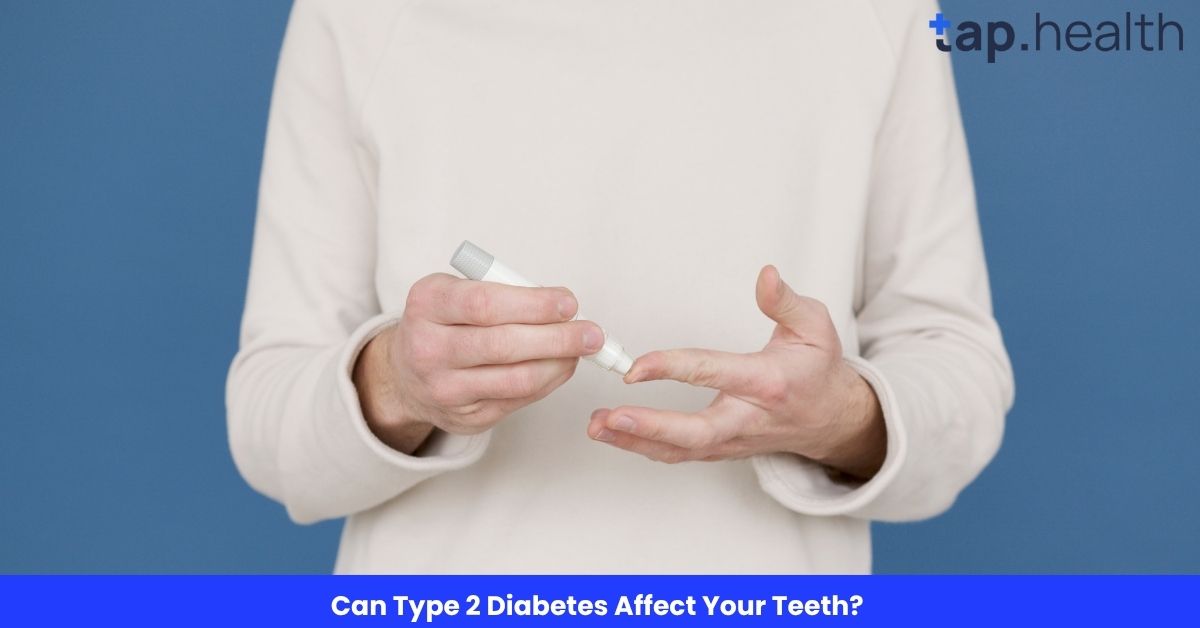
Type 2 diabetes is a chronic health condition that can affect various parts of your body, including your mouth. If you or someone you know is living with type 2 diabetes, you might have heard that it can cause dental issues. But how exactly does diabetes impact oral health? Can type 2 diabetes affect your teeth? In this comprehensive guide, we’ll take a deep dive into this topic, answering all your questions about the relationship between type 2 diabetes and oral health.
Let’s explore the science behind it, what you can do to prevent oral health issues, and how to manage them if they occur.
How Does Type 2 Diabetes Affect Your Teeth and Gums?
Type 2 diabetes, if not managed well, can lead to high blood sugar levels that affect the body in many ways. One area that’s often overlooked is oral health. Here’s how type 2 diabetes can impact your teeth and gums:
High Blood Sugar Levels and Gum Disease
When blood sugar levels are consistently high, it creates an environment in your mouth where harmful bacteria can thrive. These bacteria are responsible for causing gum disease (gingivitis and periodontitis). If left untreated, gum disease can lead to tooth loss.
Dry Mouth (Xerostomia)
Diabetes can cause dry mouth, or xerostomia, due to decreased saliva production. Saliva plays a vital role in washing away food particles and bacteria. Without enough saliva, the risk of tooth decay, gum disease, and bad breath increases.
Increased Risk of Tooth Decay
High blood sugar levels also contribute to an increased amount of sugar in your saliva, which can fuel the bacteria that cause tooth decay. The more sugar present in your mouth, the more plaque builds up, leading to cavities and tooth decay.
Slow Healing of Gums and Teeth
People with diabetes, especially those with poor blood sugar control, may experience slower healing after dental procedures like tooth extractions, gum surgeries, or even basic cleaning. This is because high blood sugar levels affect the body’s ability to heal wounds, including in the mouth.
Fungal Infections (Oral Thrush)
People with diabetes are at a higher risk of developing fungal infections like oral thrush. This condition causes white patches in the mouth and can affect the gums, tongue, and inner cheeks. The high sugar levels in the saliva provide the perfect breeding ground for fungi to grow.
What Are the Symptoms of Oral Problems Due to Diabetes?
If you have type 2 diabetes, you may start noticing certain symptoms in your mouth. These signs can indicate that your diabetes is affecting your teeth and gums. Look out for these common symptoms:
- Bleeding Gums: If your gums bleed easily when brushing or flossing, it may be a sign of gum disease, which can be worsened by diabetes.
- Bad Breath: Constant bad breath, or halitosis, can occur due to dry mouth or gum disease.
- Loose Teeth: If your teeth feel loose or shift in position, it could be due to severe gum disease (periodontitis).
- Tooth Sensitivity: Diabetes can make your teeth more sensitive to hot or cold foods, especially if there is tooth decay or gum recession.
- White Patches in the Mouth: This could indicate oral thrush, which is more common in people with diabetes.
Can Type 2 Diabetes Cause Gum Disease?
Yes, type 2 diabetes can increase your risk of developing gum disease. Gum disease starts when plaque, a sticky film of bacteria, builds up on your teeth. If not removed by brushing and flossing, plaque turns into tartar, which can irritate the gums, leading to gingivitis (inflammation of the gums). If left untreated, gingivitis can progress to periodontitis (severe gum disease), which can cause tooth loss.
In people with type 2 diabetes, high blood sugar levels make it harder for the body to fight infection, including gum infections. Additionally, poor blood sugar control increases the risk of developing serious gum disease.
How Can You Prevent Oral Health Problems with Type 2 Diabetes?
Maintaining good oral health when you have type 2 diabetes is crucial to prevent complications. Here are some tips to help you protect your teeth and gums:
1. Maintain Good Blood Sugar Control
The first step in preventing oral health issues is controlling your blood sugar levels. When your blood sugar is within a healthy range, it can help reduce the risk of dental problems. Keep track of your blood sugar with regular checkups and follow your healthcare provider’s advice on diet and medication.
2. Brush and Floss Regularly
Brushing your teeth at least twice a day and flossing once daily is essential for removing plaque and preventing gum disease. Use a soft-bristled toothbrush and fluoride toothpaste to protect your teeth. Flossing helps remove food particles and plaque from between your teeth where the toothbrush can’t reach.
3. Visit Your Dentist Regularly
People with diabetes should visit the dentist at least twice a year for checkups and cleanings. Your dentist will check for signs of gum disease, tooth decay, and other oral health issues. Early detection and treatment are key to preventing more serious problems.
4. Stay Hydrated
Drinking plenty of water can help combat dry mouth, a common issue for people with diabetes. Water also helps wash away food particles and bacteria that can cause decay. Avoid sugary drinks that can increase your blood sugar and contribute to tooth decay.
5. Use Mouthwash
Using an alcohol-free mouthwash can help kill bacteria in the mouth and keep your gums healthy. Look for a mouthwash that contains fluoride to help prevent tooth decay.
6. Quit Smoking
Smoking increases the risk of gum disease and can make it harder for your gums to heal. If you smoke, consider quitting to improve your oral and overall health.
Can Diabetes Lead to Tooth Loss?
Tooth loss is a common complication of severe gum disease, which is more prevalent in people with uncontrolled type 2 diabetes. Gum disease can cause the gums to pull away from the teeth, and the supporting bone structure can weaken. Over time, this can lead to tooth loss. However, with good oral hygiene and regular dental visits, you can reduce the risk of tooth loss related to diabetes.
What Is the Best Toothpaste for People with Type 2 Diabetes?
People with type 2 diabetes should use a toothpaste that contains fluoride, as fluoride helps to prevent cavities and protect against tooth decay. Additionally, toothpaste that is designed for sensitive teeth can help reduce discomfort caused by gum recession and tooth sensitivity. Some people with diabetes may also benefit from a toothpaste containing antibacterial ingredients to help fight gum disease.
Real-Life Scenario
Ramesh, a 48-year-old man with type 2 diabetes, noticed bleeding gums and a persistent bad taste in his mouth. His dentist found early signs of gum disease. After better blood sugar control and regular dental cleanings, his gum health improved significantly. This shows how managing diabetes can also protect your oral health.
Expert Contribution
Dentists and endocrinologists agree that there’s a two-way relationship between diabetes and oral health. According to the American Diabetes Association (ADA):
- People with diabetes are at least twice as likely to develop gum disease.
- Gum infections can, in turn, make it harder to control blood sugar levels.
Experts recommend brushing twice daily with a fluoride toothpaste, flossing regularly, and scheduling dental checkups every six months.
Recommendations Grounded in Proven Research and Facts
- Maintain stable blood sugar levels to reduce the risk of gum infections.
- Brush and floss daily to remove plaque and prevent bacterial growth.
- Avoid smoking, as it worsens gum disease and delays healing.
- Visit your dentist regularly, ideally every 6 months or sooner if you notice bleeding gums or loose teeth.
- Stay hydrated, since dry mouth can promote cavities and discomfort.
Maintaining good oral hygiene isn’t just about your smile—it’s an important part of diabetes management.
How Tap Health Can Help You Manage Diabetes Better
Managing diabetes can feel overwhelming, but Tap Health makes it simple and personalized. This smart, AI-powered app is designed to support you every step of the way — from tracking your meals to monitoring your blood sugar levels.
Here’s how Tap Health helps:
- Smart Meal Tracking: Just take a photo of your meal, and Tap Health instantly estimates your carbs and calories. It even suggests healthier options when needed.
- Personalized Insights: The app learns your habits and provides daily tips to help you stay within your blood sugar targets.
- AI Coaching 24/7: Get instant guidance on diet, exercise, sleep, and lifestyle anytime you need it.
- Blood Sugar Monitoring: Log your glucose readings easily and view progress charts to understand your patterns.
- Medication & Reminder Support: Never miss a dose again with automatic reminders and medication tracking.
- Easy-to-Follow Workouts: Access fitness routines tailored to your age, health condition, and fitness goals.
Tap Health isn’t just an app — it’s your personal diabetes care partner, helping you live a healthier, more confident life.
FAQs About Type 2 Diabetes and Oral Health
1. Can diabetes cause gum disease?
Yes, high blood sugar levels can increase the risk of gum disease in people with diabetes, as it promotes bacterial growth in the mouth.
2. What are the common oral health problems associated with diabetes?
The most common oral health problems associated with diabetes include gum disease, dry mouth, tooth decay, and fungal infections like oral thrush.
3. Can dry mouth affect my teeth?
Yes, dry mouth (xerostomia) can increase the risk of tooth decay and gum disease. Without enough saliva, your mouth becomes more vulnerable to bacterial infections.
4. How often should a person with diabetes visit the dentist?
A person with diabetes should visit the dentist at least twice a year for regular checkups and cleanings to monitor oral health and catch any problems early.
5. Can diabetes cause bad breath?
Yes, bad breath is a common symptom of gum disease and dry mouth, both of which are more common in people with diabetes.
6. Is there a link between diabetes and tooth loss?
Yes, severe gum disease caused by uncontrolled diabetes can lead to tooth loss. However, good oral hygiene can prevent this from happening.
7. Can diabetes cause tooth sensitivity?
Yes, tooth sensitivity can occur in people with diabetes due to gum recession or tooth decay, both of which are more common in those with uncontrolled blood sugar levels.
8. What should I do if I have bleeding gums and diabetes?
If you have bleeding gums, it’s important to visit your dentist immediately. Bleeding gums could be a sign of gum disease, which can be worsened by diabetes.
Conclusion: Protect Your Teeth and Gums with Diabetes Care
Living with type 2 diabetes doesn’t mean you have to suffer from oral health problems. With the right care, you can protect your teeth and gums from the effects of high blood sugar. Maintaining good blood sugar control, brushing and flossing regularly, visiting the dentist often, and staying hydrated are all important steps in keeping your mouth healthy. Remember, your oral health is just as important as your overall health, and with the right precautions, you can manage both effectively.
By following the tips mentioned above, you can prevent the common dental issues associated with type 2 diabetes and enjoy a healthy smile for years to come.