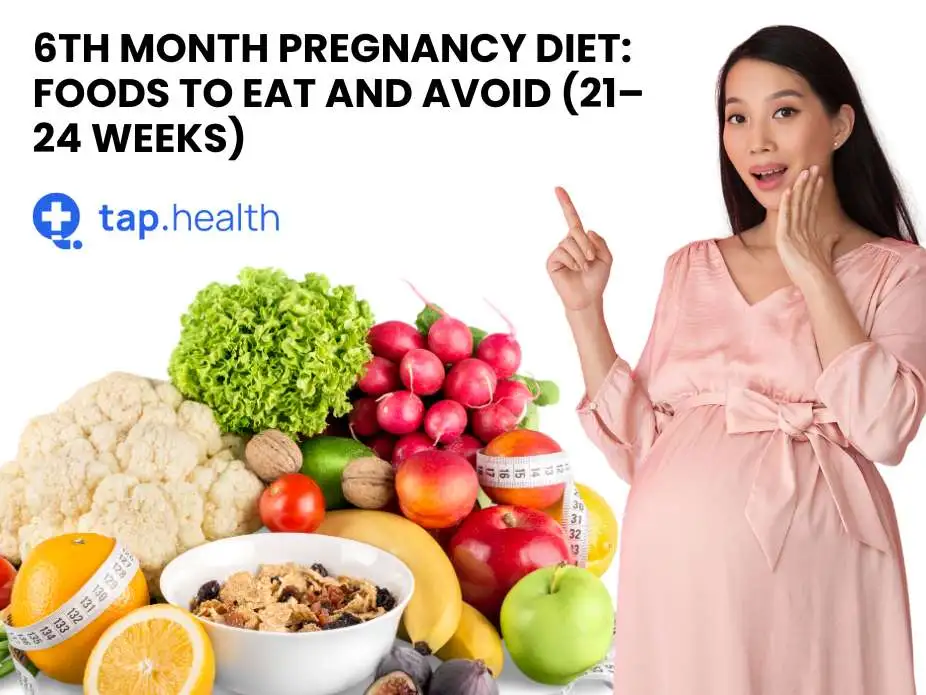
The sixth month of pregnancy, spanning weeks 21 to 24, is an exciting and pivotal stage for both you and your baby. During this time, your baby’s growth accelerates, making a balanced and nutrient-rich diet more critical than ever. A well-planned pregnancy diet supports your health, ensures proper fetal development, and prepares you for the months ahead. This guide covers the best foods to eat, foods to avoid, practical diet tips, and essential supplements for the sixth month of pregnancy. Whether you’re wondering about meal planning, managing pregnancy symptoms, or choosing the right nutrients, this blog provides all the answers in a concise and actionable format.
Why Is a Pregnancy Diet Important in the 6th Month?
During the sixth month, your baby’s organs, including the brain, lungs, and bones, continue to develop rapidly. A nutrient-rich diet ensures your baby gets the vitamins, minerals, and energy needed for growth while supporting your energy levels, immune system, and overall well-being. Proper nutrition also helps manage common pregnancy symptoms like constipation, heartburn, and fatigue. By focusing on wholesome foods and avoiding harmful ones, you can promote a healthy pregnancy and reduce potential risks.
What Foods Should You Eat in the 6th Month of Pregnancy?
A balanced diet during the sixth month of pregnancy should include a variety of nutrient-dense foods to meet your and your baby’s needs. Below are the key food groups to prioritize:
1. Fruits and Vegetables for Essential Nutrients
Fruits and vegetables are packed with vitamins, minerals, and fiber, which are vital for your baby’s growth and your overall health.
- Leafy Greens: Spinach, kale, and broccoli provide iron, calcium, and folic acid, which support blood production and bone development.
- Citrus Fruits: Oranges, lemons, and grapefruits are rich in vitamin C, boosting immunity and aiding iron absorption.
- Berries: Strawberries, blueberries, and raspberries offer antioxidants and vitamins to combat oxidative stress.
Tip: Aim for 5–7 servings of fruits and vegetables daily to maximize nutrient intake.
2. Whole Grains for Sustained Energy
Whole grains provide complex carbohydrates, fiber, and B vitamins, keeping you energized and supporting digestion.
- Brown Rice: A great source of fiber and slow-releasing energy.
- Oatmeal: Helps regulate digestion and keeps you full longer.
- Whole Wheat Bread: Rich in fiber, it supports steady energy levels.
Tip: Swap refined grains for whole grains to improve nutrient absorption and prevent blood sugar spikes.
3. Lean Proteins for Growth and Development
Protein is essential for your baby’s tissue and organ development, as well as muscle growth.
- Lean Meats: Chicken and turkey are excellent sources of high-quality protein.
- Fish: Low-mercury options like salmon and sardines provide omega-3 fatty acids, crucial for brain development.
- Beans and Lentils: Plant-based proteins that are also high in fiber and iron.
Tip: Include 2–3 servings of protein daily, ensuring variety between animal and plant-based sources.
4. Dairy Products for Strong Bones
Calcium and vitamin D from dairy products are critical for your baby’s bone and teeth development.
- Milk: A rich source of calcium and vitamin D.
- Yogurt: Contains probiotics to support gut health and digestion.
- Cheese: Provides calcium and protein for both you and your baby.
Tip: Choose low-fat or fortified dairy options for maximum benefits.
5. Nuts and Seeds for Healthy Fats
Nuts and seeds offer healthy fats, protein, and fiber, supporting your baby’s brain and nervous system development.
- Almonds: High in vitamin E and magnesium.
- Chia Seeds: Packed with omega-3s and fiber.
- Walnuts: Provide healthy fats and protein.
Tip: A small handful of nuts or seeds makes a nutrient-packed snack.
Foods to Avoid in the 6th Month of Pregnancy
Certain foods pose risks during pregnancy and should be avoided to protect you and your baby from infections or developmental issues.
1. Raw or Undercooked Foods
- Raw Fish: Avoid sushi and sashimi due to the risk of bacterial infections like listeria.
- Undercooked Meat: Ensure meats are fully cooked to prevent toxoplasmosis and salmonella.
2. Unpasteurized Dairy Products
- Unpasteurized Milk: May contain harmful bacteria that can cause infections.
- Soft Cheeses: Avoid brie, camembert, and blue cheese unless made from pasteurized milk.
3. High-Mercury Fish
- Shark, Swordfish, King Mackerel: These contain high mercury levels, which can harm your baby’s brain development.
4. Caffeine and Alcohol
- Caffeine: Limit intake to 200 mg daily (about one 12-ounce cup of coffee) to avoid affecting fetal growth.
- Alcohol: Completely avoid alcohol to prevent fetal alcohol syndrome.
5. Processed and Junk Foods
- Fast Food: High in unhealthy fats, sugar, and salt, which can lead to excessive weight gain.
- Sugary Snacks: Can cause blood sugar spikes and contribute to gestational diabetes.
Diet Tips for a Healthy 6th Month of Pregnancy
Beyond choosing the right foods, how you eat is equally important. Here are practical tips to optimize your diet:
- Eat Small, Frequent Meals: Smaller meals help manage hunger, prevent heartburn, and stabilize blood sugar levels.
- Stay Hydrated: Drink 8–10 glasses of water daily to support digestion and prevent dehydration.
- Include Fiber-Rich Foods: Fiber from fruits, vegetables, and whole grains helps prevent constipation, a common pregnancy issue.
- Avoid Spicy and Fatty Foods: These can trigger heartburn and indigestion, especially as your baby grows and presses on your stomach.
- Monitor Weight Gain: Aim for about 1 pound per week, but consult your doctor for personalized guidance based on your pre-pregnancy weight.
Essential Supplements for the 6th Month of Pregnancy
Supplements can help bridge nutritional gaps, especially if your diet lacks certain nutrients. Always consult your healthcare provider before starting any supplements.
- Prenatal Vitamins: Contain folic acid, iron, and calcium to support overall pregnancy health.
- Iron Supplements: Prevent anemia, which is common during pregnancy due to increased blood volume.
- Omega-3 Fatty Acids: Support your baby’s brain and eye development; fish oil supplements are a good option.
- Calcium Supplements: Ensure adequate calcium intake for your baby’s bone development if dairy consumption is low.
- Vitamin D: Enhances calcium absorption and supports immune health.
Frequently Asked Questions About the 6th Month Pregnancy Diet
1. How Much Weight Should I Gain in the 6th Month of Pregnancy?
On average, aim for 1 pound per week, but this varies based on your pre-pregnancy weight and health. Consult your doctor for personalized advice.
2. Can I Eat Spicy Foods During the 6th Month?
Spicy foods are safe but may cause heartburn or indigestion. Consume them in moderation.
3. How Much Water Should I Drink Daily?
Drink 8–10 glasses of water daily to stay hydrated and support digestion.
4. Can Certain Foods Help With Morning Sickness?
Morning sickness often subsides by the sixth month, but ginger tea or small, frequent meals can help if symptoms persist.
5. Are Nuts Safe During Pregnancy?
Yes, nuts are a healthy source of fats, protein, and fiber, unless you have a nut allergy.
6. Are Herbal Supplements Safe During Pregnancy?
Consult your doctor before taking herbal supplements, as some may not be safe during pregnancy.
7. Should I Continue Taking Folic Acid?
Yes, folic acid remains important throughout pregnancy to prevent neural tube defects.
8. Is Seafood Safe During the 6th Month?
Yes, choose low-mercury options like salmon, sardines, and shrimp, and avoid high-mercury fish.
9. How Can I Manage Constipation?
Eat fiber-rich foods, stay hydrated, and engage in light physical activity to relieve constipation.
10. How Can I Prevent Heartburn?
Eat smaller meals, avoid spicy or fatty foods, and don’t lie down immediately after eating.
Conclusion
The sixth month of pregnancy is a critical time to focus on a nutrient-rich diet that supports your baby’s growth and your well-being. By prioritizing fruits, vegetables, whole grains, lean proteins, and dairy while avoiding risky foods like raw fish, unpasteurized dairy, and high-mercury fish, you can ensure a healthy pregnancy. Incorporate practical diet tips like eating small, frequent meals and staying hydrated to manage common symptoms. Supplements like prenatal vitamins, iron, and omega-3s can further support your nutritional needs. Always consult your healthcare provider for personalized advice to tailor your diet and supplement plan to your specific needs.