Yam, a popular root vegetable, is widely known for its earthy flavor and nutritional value. Commonly enjoyed in many cuisines around the world, yams come in various colors and varieties, offering plenty of health benefits. However, if you are managing your blood sugar levels, especially if you have diabetes, you may be curious about how eating yam affects your glycemic index (GI). In this blog post, we will explore the glycemic index of yam, how it affects blood sugar levels, and the various health benefits this vegetable provides.
What is Glycemic Index (GI)?
Before delving into the glycemic index of yam, it’s essential to understand what the glycemic index (GI) is.
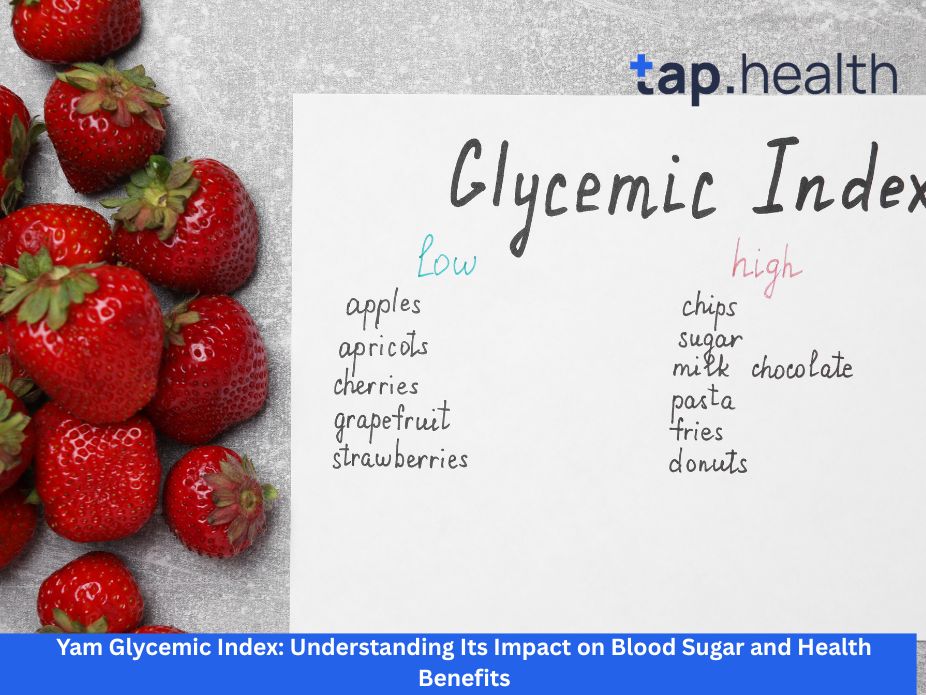
The glycemic index is a scale that ranks foods based on how they affect your blood sugar levels. Foods are rated on a scale from 0 to 100:
- Low GI (55 or less): Foods that cause a slow, steady increase in blood sugar.
- Medium GI (56–69): Foods that cause a moderate increase in blood sugar.
- High GI (70 or more): Foods that cause a rapid spike in blood sugar.
For individuals looking to maintain stable blood sugar levels, especially those with diabetes, choosing foods with a low GI is often recommended. Now, let’s see where yam fits into this picture.
What is the Glycemic Index of Yam?
The glycemic index of yam typically ranges between 50 to 60, depending on factors like the variety of yam and the method of preparation. This places yam in the medium GI category, which means it can cause a moderate increase in blood sugar. However, its GI may be influenced by factors such as ripeness, cooking method, and how it’s consumed (boiled, baked, or fried).
Why Does Yam Have a Medium Glycemic Index?
Yam’s glycemic index can vary due to several factors:
- Carbohydrate Type: Yam contains complex carbohydrates, but it also has simple sugars, which are absorbed more quickly into the bloodstream. The ratio of these carbs determines its GI.
- Cooking Method: Boiling yam tends to have a lower GI compared to frying or roasting, which can increase its glycemic index. Cooking with minimal fat and using whole yams (rather than mashed) can help keep its GI lower.
- Fiber Content: The fiber in yam helps slow the digestion and absorption of sugar, lowering the impact on blood sugar. However, yam is lower in fiber than other root vegetables like sweet potatoes, which affects its GI.
Health Benefits of Yam
Despite its moderate glycemic index, yam provides a wide array of health benefits. Let’s look at some of the most significant benefits of including yam in your diet.
1. Supports Digestive Health
Yam is an excellent source of dietary fiber, which is essential for maintaining good digestive health. Fiber promotes regular bowel movements, prevents constipation, and supports a healthy gut microbiome. It also helps regulate blood sugar levels by slowing down the absorption of sugars, making it a great addition to a diabetic-friendly diet.
2. Rich in Nutrients
Yams are rich in essential vitamins and minerals, such as:
- Vitamin C: Important for immune health, skin health, and collagen formation.
- B-vitamins: Including Vitamin B6, which helps with brain function and red blood cell production.
- Potassium: Helps maintain healthy blood pressure and supports heart function.
Yams also provide trace amounts of other minerals like magnesium, manganese, and iron, making them a nutrient-dense food.
3. Promotes Heart Health
The potassium content in yams plays a critical role in regulating blood pressure. Adequate potassium intake helps balance the effects of sodium, reducing the risk of high blood pressure and promoting heart health. Moreover, yam’s fiber content supports cholesterol management, further contributing to cardiovascular well-being.
4. Aids in Weight Management
Yams are relatively low in calories compared to other starchy foods like potatoes, which makes them a great option for those looking to manage their weight. The fiber and complex carbohydrates in yam help increase satiety (feeling full), preventing overeating and reducing overall calorie intake. Additionally, their moderate GI ensures a slow release of energy, keeping you satisfied for longer.
5. Helps Manage Blood Sugar Levels
While yam has a medium GI, it still has benefits for blood sugar control due to its fiber content and slow-releasing carbohydrates. For people with diabetes or those at risk of developing it, yam can be part of a balanced meal that prevents blood sugar spikes. By pairing yam with proteins, healthy fats, or other low-GI vegetables, you can further reduce the impact on blood sugar.
6. Improves Skin Health
Yams are high in Vitamin C, which is essential for collagen formation and skin repair. Including yam in your diet can help promote healthy skin and reduce the appearance of wrinkles and fine lines. The antioxidants in yam also help protect the skin from environmental stressors like UV rays and pollution.
How to Incorporate Yam into Your Diet
Now that you know about the health benefits of yam, you might be wondering how to include it in your meals. Here are a few simple and delicious ways to enjoy yam:
1. Boiled or Steamed Yam
Boiling or steaming yam is one of the healthiest ways to prepare it, as it helps retain its nutrients and keeps the glycemic index relatively low. Simply peel and boil the yam, then season it with a pinch of salt, pepper, or a squeeze of lemon juice for added flavor.
2. Yam Stir-Fry
A quick and easy way to enjoy yam is by stir-frying it with a mix of your favorite vegetables, like bell peppers, onions, and carrots. You can use olive oil or a light stir-fry sauce for extra flavor.
3. Baked Yam
Baking yam is another healthy method that enhances its natural sweetness. Cut the yam into wedges, sprinkle with your favorite spices (like cinnamon or paprika), and bake until crispy. This makes for a perfect side dish or snack.
4. Yam Soup
For a comforting and nutritious meal, you can add yam to soups and stews. Dice the yam and cook it with other vegetables, broth, and seasonings to make a hearty soup.
5. Mashed Yam
Mashed yam is a delicious alternative to mashed potatoes. Simply boil the yam, mash it, and mix it with a small amount of olive oil or butter, and season it to taste. This can be a great side dish or main course.
6. Yam Fries
If you’re craving something crispy, you can make yam fries by cutting the yam into thin strips, tossing them with olive oil and seasoning, and baking them in the oven for a healthier alternative to regular fries.
Yam vs. Sweet Potato: A Glycemic Index Comparison
You may be wondering how yam compares to sweet potatoes, another popular root vegetable. Here’s a quick comparison of their glycemic indices:
| Vegetable | Glycemic Index (GI) |
|---|---|
| Yam (Boiled) | 50-60 |
| Sweet Potato (Boiled) | 44-61 |
| Potato (Boiled) | 78 |
| Ash Gourd | 15 |
| Carrot | 35 |
As you can see, yam and sweet potatoes have similar glycemic indices, with yam typically falling on the higher end of the medium GI range, while sweet potatoes can have a slightly lower GI depending on the variety.
Is Yam Safe for People with Diabetes?
Yes, yam is generally considered safe for people with diabetes when consumed in moderation. Although it has a medium glycemic index, its high fiber content helps slow the absorption of sugars, making it a better option than many other starchy vegetables with a high GI, like potatoes. However, it’s important to eat yam in balanced portions and pair it with other low-GI foods, such as leafy greens, lean proteins, and healthy fats, to minimize blood sugar spikes.
If you are unsure about how to incorporate yam into your specific diabetes management plan, it’s a good idea to consult a healthcare professional or a nutritionist.
FAQ on Yam Glycemic Index
1. What is the glycemic index of yam?
The glycemic index of yam generally ranges between 50 to 60, which places it in the medium GI category.
2. Is yam good for people with diabetes?
Yes, yam can be part of a diabetic-friendly diet, as its fiber content helps slow sugar absorption. However, it should be consumed in moderation and paired with other low-GI foods to avoid significant blood sugar spikes.
3. How can I include yam in my diet?
You can include yam in your diet by boiling, steaming, baking, or stir-frying it. It can be used in soups, mashed dishes, or even made into fries for a healthier snack option.
4. Does yam help with weight loss?
Yes, yam is relatively low in calories and high in fiber, which helps you feel full longer and may assist in weight management. Its moderate GI ensures a slow release of energy, helping prevent overeating.
5. Can yam improve heart health?
Yes, yam is rich in potassium, which helps regulate blood pressure and supports heart health. The fiber in yam also helps lower cholesterol levels, further benefiting cardiovascular health.
6. Can yam be eaten with other foods to lower its glycemic index?
Yes, pairing yam with lean proteins, healthy fats, or other low-GI vegetables can help slow its absorption and lower the overall glycemic index of the meal.
Conclusion
Yam is a nutritious, versatile vegetable that offers a range of health benefits. With its moderate glycemic index, it can be included in a balanced diet, especially for those managing blood sugar levels. By incorporating yam into meals in a healthy way—boiling, baking, or steaming—you can enjoy its many benefits while keeping your blood sugar stable. So, whether you’re looking to improve heart health, manage your weight, or stabilize your blood sugar, yam is a great addition to your diet.