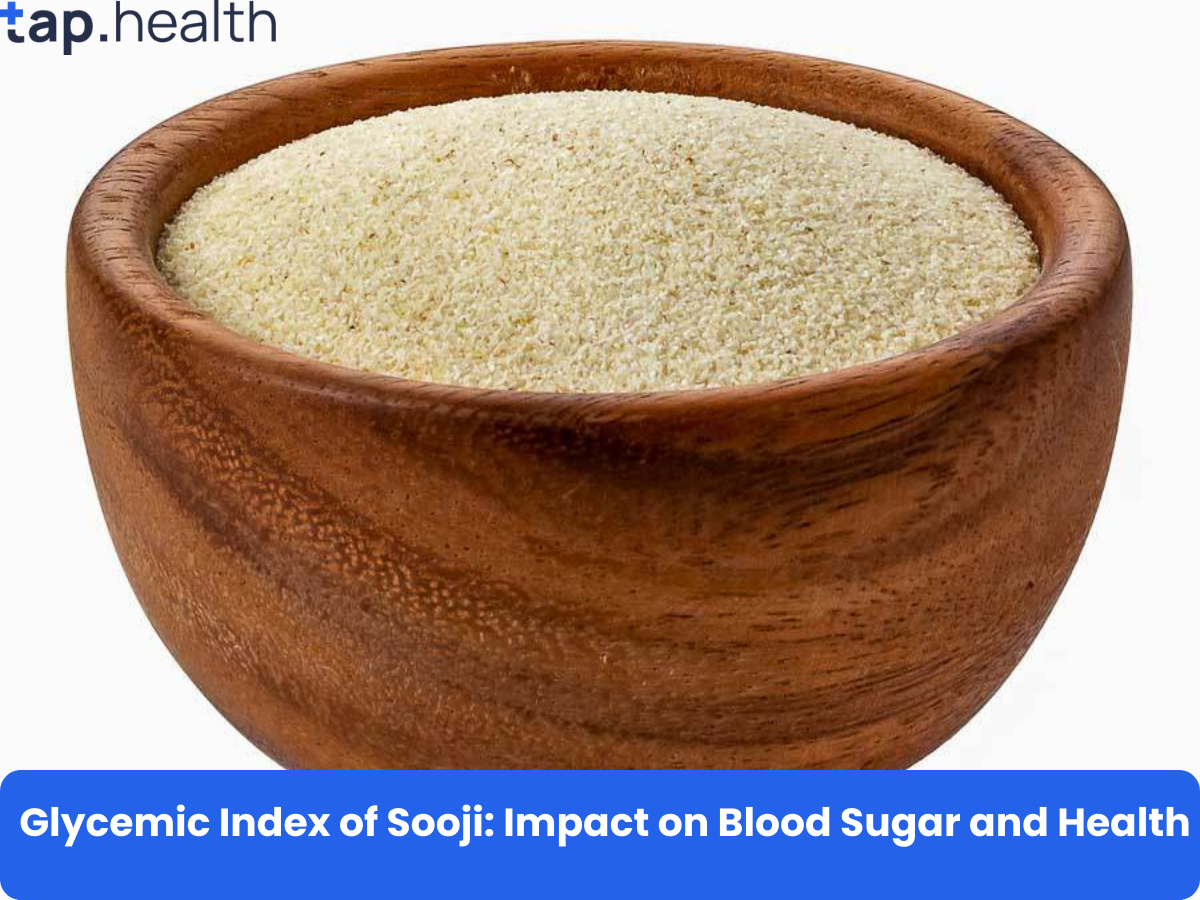
Sooji, also known as semolina, is a staple ingredient in many households, particularly in India. From breakfast dishes like upma to sweets like halwa, sooji has a versatile place in the kitchen. But what about its effect on your health, especially when it comes to blood sugar? Understanding the glycemic index (GI) of sooji is important for anyone trying to maintain stable blood sugar levels. In this article, we’ll break down what the glycemic index is, how it applies to sooji, and how this popular ingredient fits into a healthy diet.
What is the Glycemic Index (GI)?
The glycemic index (GI) is a system used to measure how quickly foods raise blood sugar levels after they are consumed. The GI scale runs from 0 to 100, with 100 representing pure glucose, which causes the quickest rise in blood sugar.
- Low GI foods (55 or less) are digested slowly, leading to a gradual increase in blood sugar levels.
- Medium GI foods (56-69) cause a moderate rise in blood sugar.
- High GI foods (70 or more) cause rapid spikes in blood sugar.
For people managing diabetes or those trying to control their weight, choosing foods with a low to medium GI is essential for maintaining stable blood sugar levels.
What is Sooji (Semolina)?
Sooji, also known as semolina, is a flour made from durum wheat, a hard variety of wheat. It’s typically yellow and has a coarse texture. Sooji is a versatile ingredient used in both savory and sweet dishes, such as upma, porridge, idli, dosa, halwa, and more. It’s loved for its light texture and ability to absorb flavors, making it a go-to in many kitchens worldwide.
Nutritionally, sooji is a rich source of carbohydrates, with some protein and small amounts of vitamins and minerals, including iron and B vitamins. It’s often used in quick meals due to its fast cooking time.
What is the Glycemic Index of Sooji?
Now that we understand what the glycemic index is, let’s look at the GI of sooji. Sooji has a medium glycemic index, typically falling in the range of 50 to 60. The exact GI can vary slightly depending on factors like how it’s processed, cooked, and combined with other ingredients.
For comparison:
- Sooji (Semolina): GI of around 55-60
- White bread: GI of 70-75
- Brown rice: GI of 50-55
- Whole wheat bread: GI of 50-55
While sooji isn’t as high as foods like white bread or sugary snacks, it still has a moderate impact on blood sugar. For those with diabetes or anyone aiming to control their blood sugar, it’s important to understand how different cooking methods and food combinations can affect the GI.
How Does Sooji Affect Blood Sugar Levels?
Sooji, with its medium glycemic index, can cause a moderate rise in blood sugar. Here’s how it works:
1. Digestion and Absorption
When you eat foods with a medium GI, like sooji, they are broken down into glucose at a moderate pace. This results in a more gradual increase in blood sugar levels compared to high-GI foods, which can cause rapid spikes. However, the rise isn’t as slow as low-GI foods like beans, lentils, or whole grains.
2. Blood Sugar Control
For people with diabetes, managing the glycemic index of foods is crucial. Consuming foods with a medium GI like sooji may be okay in moderation, but it’s important to balance it with other low-GI foods to avoid large blood sugar fluctuations. Pairing sooji with high-fiber vegetables or protein-rich foods can help slow down the absorption of glucose and keep blood sugar stable.
3. Energy Release
Since sooji causes a moderate increase in blood sugar, it provides a steady source of energy. However, it may not sustain energy levels as long as low-GI foods, which release glucose more slowly. People may experience a faster energy dip after consuming sooji compared to foods with a lower GI.
Nutritional Benefits of Sooji
Sooji isn’t just about its glycemic index—it also offers a variety of nutritional benefits:
1. Good Source of Carbohydrates
Sooji is a great source of carbohydrates, which provide energy for the body. However, because it’s made from wheat, it doesn’t have the same nutrient density as whole grains, which are richer in fiber and other essential nutrients.
2. High in Protein
Sooji contains a moderate amount of protein, which is essential for muscle repair and growth. Protein also helps in keeping you full, which is beneficial for weight management.
3. Rich in B Vitamins
Sooji contains several B vitamins, including thiamine, riboflavin, and folate, which are important for energy production, brain health, and cellular repair.
4. Minerals for Health
Sooji contains iron, which is essential for the production of hemoglobin in red blood cells. It also contains magnesium, which helps with muscle function, bone health, and regulating blood pressure.
Health Benefits of Eating Sooji
Here are some of the key health benefits of adding sooji to your diet:
1. Digestive Health
Sooji contains fiber, which is beneficial for digestion. Fiber promotes regular bowel movements and prevents constipation. However, the fiber content in sooji is not as high as in whole grains, so it’s important to balance it with other high-fiber foods.
2. Weight Management
Sooji can be a satisfying meal that helps control hunger due to its moderate protein and carbohydrate content. When consumed in moderation, it can keep you full for a longer period, reducing the chances of overeating.
3. Heart Health
Sooji provides some healthy fats, although in modest amounts. When combined with heart-healthy ingredients like olive oil or nuts, it can contribute to heart health. Additionally, the fiber in sooji helps reduce cholesterol levels, which is beneficial for heart health.
4. Energy Boost
Sooji provides a quick source of energy due to its carbohydrate content. It’s especially good for people who need a rapid energy boost, such as athletes or active individuals. However, to maintain consistent energy, it’s advisable to balance it with low-GI foods for longer-lasting energy.
How to Include Sooji in Your Diet
Sooji is a versatile ingredient, and there are many ways to include it in your diet. Here are some ideas:
1. Upma
Upma is a savory Indian dish made with roasted sooji, vegetables, and spices. It’s a great breakfast option that provides energy without causing a rapid spike in blood sugar.
2. Sooji Halwa
Sooji halwa is a popular sweet dish made with sooji, ghee, sugar, and nuts. While delicious, it’s high in sugar, so it’s best to enjoy it occasionally.
3. Sooji Porridge
A simple and healthy breakfast option is to make porridge using sooji and milk or water. You can add fruits, nuts, and seeds to boost the nutrition.
4. Sooji Chapati or Paratha
Instead of regular wheat flour, you can make chapati or paratha with sooji for a variation. Pair it with vegetables or yogurt for a balanced meal.
Sooji vs. Other Carbohydrate Sources
To better understand the glycemic index of sooji, let’s compare it with other common carbohydrate sources:
- Sooji (Semolina): GI of 55-60
- White rice: GI of 70
- Whole wheat bread: GI of 50-55
- Brown rice: GI of 50-55
- Oats: GI of 55-60
- Sweet potatoes: GI of 44-50
While sooji’s glycemic index is moderate, it’s comparable to other common foods like oats and whole wheat bread, making it a reasonable choice for many people when consumed in moderation.
FAQ: Sooji Glycemic Index
1. What is the glycemic index of sooji?
Sooji has a medium glycemic index, typically ranging from 55 to 60.
2. Is sooji good for people with diabetes?
Sooji can be eaten by people with diabetes, but it’s important to consume it in moderation and pair it with low-GI foods to maintain stable blood sugar levels.
3. Can I eat sooji on a weight loss diet?
Sooji can be included in a weight loss diet in moderation. It provides energy and helps keep you full, but it should be balanced with other low-GI foods to prevent blood sugar spikes.
4. How can I make sooji healthier?
To make sooji healthier, consider adding vegetables, protein-rich foods, and healthy fats. This will enhance its nutritional profile and make it more balanced.
5. What are the health benefits of eating sooji?
Sooji provides a quick source of energy, supports digestion, helps with weight management, and contains essential vitamins and minerals, including iron and B vitamins.
Conclusion
Sooji, or semolina, is a popular food with a medium glycemic index, meaning it provides a moderate rise in blood sugar. While it can be part of a healthy diet, it’s important to consume it in moderation, especially for those managing blood sugar levels. By pairing sooji with low-GI foods, you can enjoy its delicious taste and nutritional benefits without causing blood sugar spikes. Whether you’re enjoying a savory upma or a sweet halwa, sooji can be a versatile and nutritious addition to your meals.