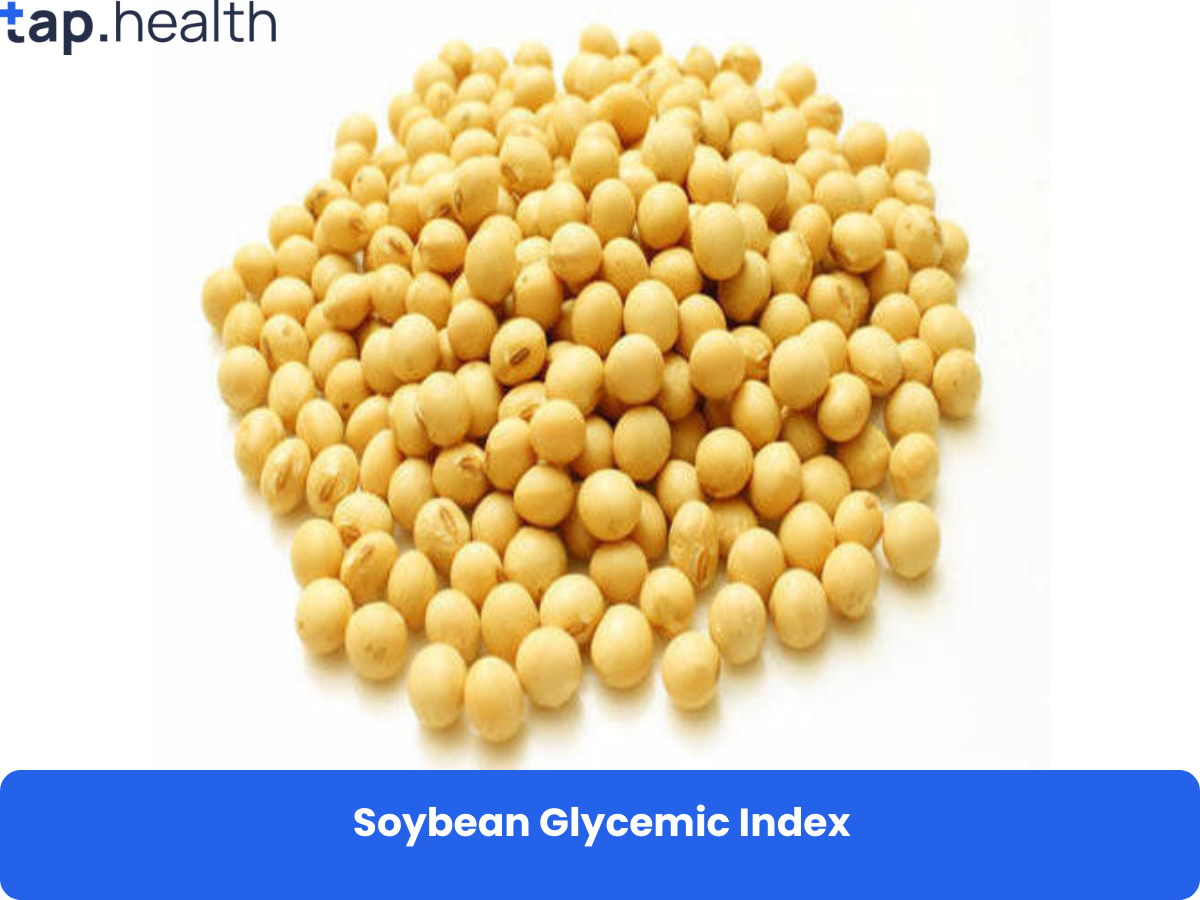
Soybeans, often considered a superfood, are widely used in various forms such as tofu, soy milk, and edamame. Packed with protein, healthy fats, and essential vitamins, soybeans are a valuable addition to many diets. However, for those managing diabetes or trying to maintain a healthy blood sugar level, it is important to understand how soybeans, particularly in the form of soybean roti or soybean flour, impact blood sugar. This is where the glycemic index (GI) comes in.
The glycemic index measures how quickly foods containing carbohydrates raise blood sugar levels. But how does soybean fit into this framework? Is it a safe option for people with diabetes, or does it pose any risks to those trying to manage blood sugar levels?
In this comprehensive guide, we’ll delve into the glycemic index of soybean, its health benefits, how it impacts blood sugar, and how to incorporate soybeans into your diet for better health outcomes. We will also address common questions and concerns surrounding its role in managing diabetes and other metabolic conditions.
What is the Glycemic Index (GI)?
Before we explore the GI of soybeans, it’s important to understand what the glycemic index is. The glycemic index is a scale that measures how much a food raises your blood sugar levels after consumption. The scale ranges from 0 to 100:
- Low GI foods: A GI of 55 or less. These foods cause a slow and steady increase in blood sugar.
- Medium GI foods: A GI between 56-69. These foods cause a moderate rise in blood sugar.
- High GI foods: A GI of 70 or more. These foods cause a rapid spike in blood sugar.
The lower the GI, the less likely a food is to cause sudden fluctuations in blood sugar. This is particularly important for people with diabetes or those seeking to maintain stable energy levels throughout the day.
Soybean Glycemic Index: Is Soybean Low or High GI?
The glycemic index of soybeans is generally low, with a GI rating ranging from 15 to 30 depending on the form in which it is consumed. This means that soybeans, whether in the form of soy milk, tofu, or whole soybeans (edamame), are unlikely to cause a significant spike in blood sugar. The low GI of soybeans makes them an excellent food choice for individuals with diabetes or those managing their weight.
The low glycemic index of soybeans is mainly due to their high protein and fiber content, which slows down the digestion and absorption of carbohydrates, preventing rapid fluctuations in blood sugar.
How Does Soybean’s Low GI Benefit Blood Sugar Levels?
Due to its low glycemic index, soybeans can provide several health benefits for blood sugar control:
- Slow Digestion: The fiber and protein in soybeans slow the digestion process, leading to a gradual increase in blood sugar, rather than a sudden spike.
- Enhanced Insulin Sensitivity: Some studies suggest that soybeans may help improve insulin sensitivity, making it easier for the body to use insulin effectively and manage blood sugar levels.
- Better Blood Sugar Control: Regular consumption of low-GI foods like soybeans can help in stabilising blood glucose levels, which is especially beneficial for people with type 2 diabetes.
Health Benefits of Soybeans Beyond Blood Sugar Control
In addition to their beneficial effect on blood sugar, soybeans offer a wide array of health benefits. Here are some of the key reasons to include more soybeans in your diet:
1. Rich in Protein and Healthy Fats
Soybeans are an excellent source of plant-based protein, making them an ideal protein source for vegetarians and vegans. A 100-gram serving of soybeans contains about 36 grams of protein, which is equivalent to the protein content found in meat. Soybeans are also rich in omega-3 fatty acids, which are essential for heart health and brain function.
2. Supports Heart Health
Soybeans are naturally low in saturated fat and contain polyunsaturated fats, including omega-3 fatty acids, which are known to promote heart health. Studies show that consuming soy protein instead of animal-based protein may help lower cholesterol levels, thereby reducing the risk of heart disease.
3. Bone Health
Soybeans are rich in calcium, which is essential for bone health. Regular consumption of soy foods can help improve bone mineral density, particularly in post-menopausal women who are at risk of developing osteoporosis. Soy also contains magnesium and phosphorus, two minerals that support bone structure and strength.
4. Rich in Antioxidants
Soybeans contain a variety of antioxidants, including isoflavones, which are known for their potential to reduce the risk of chronic diseases like cancer and heart disease. Isoflavones are plant compounds that mimic the action of estrogen, which can be particularly beneficial for women going through menopause.
5. Weight Management
The high fiber and protein content in soybeans help promote feelings of fullness and reduce overall calorie intake, which can be helpful for weight management. Additionally, soybeans have a low glycemic index, meaning they provide long-lasting energy without leading to rapid fluctuations in blood sugar that can trigger cravings.
Soybeans vs. Other Legumes and Grains: Glycemic Index Comparison
To understand how soybeans compare with other common foods in terms of blood sugar impact, let’s take a look at the glycemic index of various legumes and grains:
| Food Item | Glycemic Index (GI) |
|---|---|
| Soybeans | 15-30 |
| Lentils | 21-29 |
| Chickpeas | 28-35 |
| Kidney Beans | 24-29 |
| Black Beans | 30-35 |
| Brown Rice | 50-55 |
| Whole Wheat Bread | 69 |
As you can see, soybeans have a much lower GI than many grains and legumes, making them a better choice for people who are concerned about their blood sugar levels. Lentils, chickpeas, and kidney beans also have low GI ratings, while foods like whole wheat bread and brown rice are higher on the glycemic index.
How to Incorporate Soybeans into Your Diet
Soybeans can be used in a variety of dishes, making them a versatile ingredient in your diet. Here are some simple ways to incorporate soybeans into your meals:
1. Soy Milk
Soy milk is a great alternative to dairy milk. You can add it to your coffee, tea, or smoothies, or use it in cooking and baking. It’s a dairy-free option that provides the same protein benefits as regular milk without the lactose.
2. Tofu
Tofu, made from soybeans, is an excellent source of plant-based protein. It can be grilled, sautéed, or added to soups and salads. Tofu absorbs the flavours of the dish it’s prepared with, making it a versatile ingredient in various cuisines.
3. Edamame (Young Soybeans)
Edamame, or young soybeans, are often steamed and served as a healthy snack or appetizer. You can also add them to salads, stir-fries, or use them as a topping for grain bowls.
4. Soy Flour
Soy flour can be used in baking or as a thickening agent for soups and stews. It can be used to make soybean rotis or added to pancakes and muffins for a protein boost.
5. Soy Protein Isolate
Soy protein isolate is commonly used in protein bars, shakes, and meat substitutes. It’s an excellent option for vegetarians and those looking to increase their protein intake without eating animal products.
Risks and Precautions When Consuming Soybeans
While soybeans offer numerous health benefits, there are some precautions to keep in mind:
1. Allergic Reactions
Soy is a common allergen, particularly in children. If you have a soy allergy, it’s important to avoid all forms of soy products, including soy milk, tofu, and edamame.
2. Goitrogens in Soy
Soy contains compounds known as goitrogens, which can interfere with thyroid function in sensitive individuals. If you have a thyroid disorder, it’s advisable to consult with a healthcare professional before consuming large amounts of soy products.
3. Excessive Isoflavone Intake
Soy is rich in isoflavones, which are phytoestrogens that can mimic the effects of estrogen in the body. While moderate consumption is generally safe for most people, excessive intake of soy products may affect hormone levels in sensitive individuals, particularly in those with certain types of hormone-sensitive cancers.
4. Soy and Digestive Issues
Some people may experience digestive discomfort when consuming large amounts of soy due to its fiber content. It’s important to introduce soy gradually into your diet if you’re not used to high-fiber foods.
Key Takeaways
- Soybeans have a low glycemic index (15-30), making them an excellent choice for controlling blood sugar levels.
- Soybeans are rich in protein, fiber, and healthy fats, providing a range of health benefits, including support for heart health, bone health, and weight management.
- Soy products like soy milk, tofu, and edamame can easily be incorporated into your diet for added nutritional benefits.
- While soy is generally safe for most people, those with soy allergies or thyroid disorders should exercise caution and consult a healthcare professional.
Frequently Asked Questions (FAQs) on Soybean Glycemic Index
What is the glycemic index of soybeans?
Soybeans have a glycemic index ranging from 15 to 30, making them a low GI food that is unlikely to cause a rapid spike in blood sugar.
Are soybeans good for diabetics?
Yes, soybeans are a great choice for diabetics because of their low glycemic index and their ability to help control blood sugar levels.
How many carbohydrates are in soybeans?
Soybeans contain around 30 grams of carbohydrates per 100 grams, with a significant portion coming from fiber, making them suitable for low-GI diets.
Can soybeans help with weight loss?
Yes, soybeans can aid weight loss due to their high protein and fiber content, which helps promote feelings of fullness and reduce overeating.
Is soy good for heart health?
Yes, soybeans are rich in healthy fats and omega-3 fatty acids, which can help reduce cholesterol levels and improve heart health.
How do I cook with soybeans?
You can cook with soybeans in various ways, including using soy milk, adding tofu to stir-fries, or enjoying edamame as a snack. Soy flour can also be used in baking or making soy roti.
Are there any risks associated with consuming soy?
While soy is generally safe for most people, it can cause issues for those with soy allergies or certain thyroid conditions. Excessive consumption of soy may also affect hormone-sensitive individuals.
Can I eat soy products every day?
Yes, soy products can be part of a healthy, balanced diet when consumed in moderation. Be sure to monitor your body’s response and consult a healthcare provider if you have any concerns about soy intake.