If you’ve ever scrolled through healthy flours online or chatted with your grandma about traditional grains, you’ve probably heard about bajra flour. Maybe you’re curious because you or someone you love manages diabetes. Or perhaps you’re just looking for smarter carbs that keep you full and energized. Either way—you’re in the right place.
Let’s cut through the noise. We’ll talk plainly about bajra flour’s glycemic index (GI), why it matters for your health, and how to use this humble flour without turning your kitchen into a lab. No jargon. No fluff. Just real talk, backed by science.
What Exactly Is Bajra Flour?
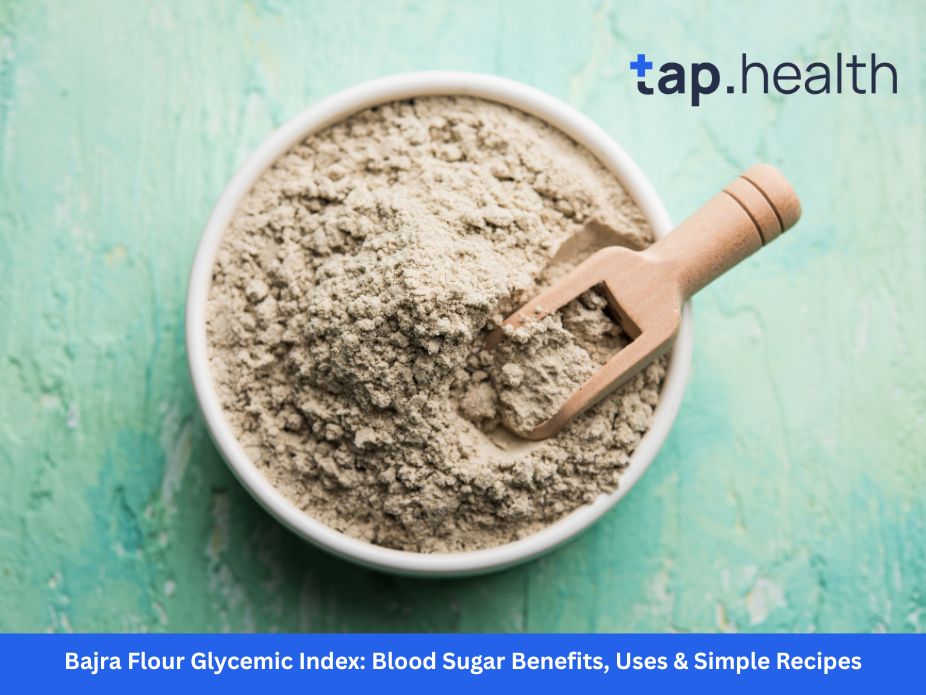
Bajra (or pearl millet) is a tiny, round grain that’s been grown in India and Africa for over 4,000 years. It thrives in dry, hot climates where other crops struggle. When ground, it becomes a soft, beige-colored flour with a mild, slightly nutty taste.
Why Bajra Is a “Forgotten Supergrain”
Before rice and wheat took over, bajra was a staple for millions. It’s:
- Gluten-free (great for sensitive tummies).
- Packed with iron, magnesium, and fiber (one cup has 6x more iron than wheat!).
- Naturally drought-resistant—making it eco-friendly.
Farmers in Rajasthan and Maharashtra still grow it in sandy soils. That toughness? It translates to serious nutrition in your bowl.
Glycemic Index Decoded: Why Should You Care?
Imagine your blood sugar as a calm lake. Sugary foods or white bread? They’re like dropping a boulder in it—sending glucose levels splashing up fast. Then comes the crash: fatigue, cravings, brain fog. Not fun.
Glycemic Index (GI) ranks foods from 0 to 100 based on how quickly they spike your blood sugar:
- Low GI (55 or less): Slow, steady energy (like lentils or apples).
- Medium GI (56-69): Moderate rise (basmati rice, sweet potatoes).
- High GI (70+): Rapid spike (corn flakes, white bread).
For folks with prediabetes, diabetes, or anyone wanting stable energy, low-GI foods are gold. They help avoid sugar rollercoasters and keep hunger in check.
Bajra Flour’s Glycemic Index: The Real Number
Here’s the good news: bajra flour has a low glycemic index of 54–55. That’s according to studies published in the Journal of Food Science and Technology and confirmed by India’s National Institute of Nutrition.
Why does this number matter?
- Eating bajra roti instead of wheat roti means your blood sugar rises slowly and gently.
- You stay full longer, reducing snack cravings.
- Over time, it helps improve insulin sensitivity (that’s your body’s ability to manage sugar).
Real-life proof: A 2020 study in Diabetes Care found people who swapped refined grains for millets like bajra saw their fasting blood sugar drop by 12% in just 3 months.
Why Is Bajra Flour’s GI So Low? 3 Science-Backed Reasons
Bajra isn’t magically low-GI. Its superpowers come from nature + science:
1. Fiber: The Slow-Down Hero
Bajra flour is 35% fiber—mostly insoluble fiber. Think of fiber like a net that traps starches and sugars, slowing their journey into your bloodstream. One roti gives you 3g fiber (vs. 0.5g in white bread!).
2. Protein Power
Bajra has 11g protein per 100g—nearly double wheat’s amount. Protein acts like a “brake” on digestion. More protein = slower glucose release.
3. Resistant Starch: The Gut’s Best Friend
When bajra flour is cooked and cooled (like in leftover roti), it forms resistant starch. This type acts like fiber, feeding good gut bacteria and further lowering GI.
Beyond Blood Sugar: 5 Health Perks of Bajra Flour
Bajra’s low GI is just the start. Here’s what else it does:
✅ Fights Anemia Naturally
One cup of bajra flour has 7.5mg iron (42% of your daily needs!). Pair it with vitamin C-rich foods (like lemon chutney) for better absorption.
✅ Cools Your Body (Yes, Really!)
In Ayurveda, bajra is considered cooling. Studies show it lowers body heat—perfect for summer. Try bajra khichdi with cucumber raita!
✅ Strengthens Bones
Bajra flour is loaded with magnesium and phosphorus—minerals that team up with calcium to build stronger bones. Great for kids and elders.
✅ Keeps Your Heart Happy
Its fiber scrubs “bad” LDL cholesterol from arteries. Magnesium also helps control blood pressure. A win-win!
✅ Gluten-Free & Digestible
Unlike almond or coconut flour, bajra is easy to digest. No bloating, no gas—just gentle fuel.
Bajra vs. Other Flours: GI Showdown
How does bajra stack up against flours you know?
| Bajra flour | 54 (Low) | 11g | Rich in iron, cooling |
| Wheat flour | 69 (Medium) | 2.7g | Low iron, inflammatory for some |
| Rice flour | 73 (High) | 1.6g | Spikes sugar fast |
| Jowar flour | 62 (Medium) | 6.3g | Similar but less iron |
| Almond flour | <1 (Low) | 12g | Expensive, high-fat |
Takeaway: Bajra is the most affordable, nutrient-dense low-GI flour for Indian kitchens.
5 Easy Ways to Eat Bajra Flour Daily (No Chef Skills Needed!)
Worried bajra tastes “boring”? These simple ideas fix that:
1. The 5-Minute Power Roti
Mix 1 cup bajra flour + ½ cup warm water + pinch of salt. Roll thin, cook on a tawa. Serve with ghee and jaggery. Pro tip: Add 1 tsp flaxseed powder for extra fiber.
2. Bajra Upma (Breakfast Win!)
Sauté onions, peas, and mustard seeds. Add 2 cups water + 1 cup bajra flour. Cook 5 mins. Top with cilantro. Ready in 10 minutes!
3. Chocolate Bajra Pancakes
Blend ½ cup bajra flour + 1 banana + 1 egg + 1 tbsp cocoa powder + splash of milk. Cook like normal pancakes. Kids won’t guess the secret ingredient!
4. Bajra “Oats” Porridge
Simmer 3 tbsp bajra flour in 1 cup milk. Add chopped dates and cardamom. Thicker and more filling than oats!
5. Crispy Bajra Crackers
Mix bajra flour + sesame seeds + cumin + water into a stiff dough. Roll thin, cut squares, bake at 180°C for 15 mins. Perfect with tea!
Storage tip: Keep bajra flour in an airtight jar in the fridge. It stays fresh for 2 months.
Who Should Go Easy on Bajra Flour? (Important!)
Bajra is healthy for most people—but not all. Be cautious if you:
Have Thyroid Issues
Bajra contains goitrogens—compounds that can interfere with iodine absorption. If you have hypothyroidism:
- Cook bajra thoroughly (heat reduces goitrogens).
- Limit to 2–3 servings/week.
- Pair with iodine-rich foods (seaweed, yogurt).
Suffer from Kidney Stones
Bajra is high in oxalates, which can trigger stones in sensitive people. If you’ve had calcium-oxalate stones:
- Drink extra water when eating bajra.
- Avoid combining with other high-oxalate foods (spinach, beetroot).
Always check with your doctor if you have chronic health issues before making big diet changes.
Busting 3 Common Bajra Myths
Myth 1: “Bajra is hard to digest.”
Truth: Soaking bajra flour in water for 30 minutes before cooking softens it. Add ajwain (carom seeds) to roti dough for easier digestion.
Myth 2: “It’s only for winter.”
Truth: Bajra’s cooling effect makes it ideal for summer. In Rajasthan, bajra roti with buttermilk is a hot-weather staple!
Myth 3: “Bajra flour causes constipation.”
Truth: Its high fiber prevents constipation—but only if you drink enough water. Aim for 8 glasses daily when eating bajra.
Simple Swaps to Try This Week
Start small. No need to overhaul your diet overnight:
- Breakfast: Replace 1 wheat paratha with bajra roti.
- Snack: Try baked bajra crackers instead of biscuits.
- Dinner: Mix 50% bajra flour with 50% wheat flour for softer rotis.
Your body will thank you in energy levels, fewer cravings, and better sleep.
The Bottom Line: Bajra Flour Is a Low-GI Hero
Let’s wrap this up simply:
- Bajra flour’s GI is 54—making it one of India’s most blood-sugar-friendly traditional flours.
- Its secret? Fiber + protein + resistant starch working together.
- It’s nutrient-dense, affordable, and versatile—not some fancy imported superfood.
- Listen to your body: If you have thyroid/kidney issues, adjust portions wisely.
Grandmas didn’t push bajra for nothing. This grain survived centuries because it works. In a world of processed “health” foods, sometimes the best solutions are the oldest ones.
Give bajra flour a fair shot. Make a batch of rotis this weekend. Notice how you feel 2 hours later—no crashes, no hunger pangs. That’s the low-GI magic.
Your journey to balanced blood sugar doesn’t need pills or perfection. Sometimes, it starts with a humble grain from the desert.
Bajra Flour Glycemic Index: FAQs
What is the exact glycemic index of bajra flour?
Bajra flour has a glycemic index of 54, placing it firmly in the low-GI category (55 or less). This number comes from studies by India’s National Institute of Nutrition and is widely accepted by diabetes associations.
Can diabetics eat bajra flour daily?
Yes—but in moderation. One 6-inch bajra roti per meal is ideal. Pair it with non-starchy veggies (spinach, bottle gourd) and protein (dal, curd) to further lower the meal’s overall GI. Always monitor your blood sugar after trying new foods.
Does bajra flour lower blood sugar immediately?
Not instantly—but long-term use improves insulin sensitivity. A study in the European Journal of Clinical Nutrition showed people eating millets daily for 3 months reduced fasting blood sugar by 10–15%. Think of bajra as a steady helper, not a quick fix.
s bajra flour better than oats for blood sugar control?
Bajra has a lower GI than rolled oats (bajra: 54, oats: 58) and more iron/magnesium. But oats have more soluble fiber. For best results, rotate both! Try bajra upma one day, oatmeal the next.
❓ How do I reduce bajra flour’s bitterness?
Fresh bajra flour shouldn’t taste bitter. If it does:
- Toast the flour lightly in a dry pan before cooking.
- Add a pinch of salt to the dough.
- Mix with other flours (50% bajra + 50% jowar).
- Store properly: Keep in the fridge to prevent rancidity.
Can I eat bajra flour if I’m on a keto diet?
Not ideally. One roti has ~20g net carbs. Keto diets typically limit carbs to 20–50g/day. Bajra fits better in low-GI or balanced diets (like Mediterranean or traditional Indian).
Where can I buy authentic bajra flour?
Look for:
- Local mills (chakkis) that grind fresh bajra.
- Brands like 24 Mantra, Sresta, or True Elements (check for “100% bajra” labels).
- Avoid bleached white bajra flour—it’s often mixed with maida. Authentic bajra flour is beige/tan.