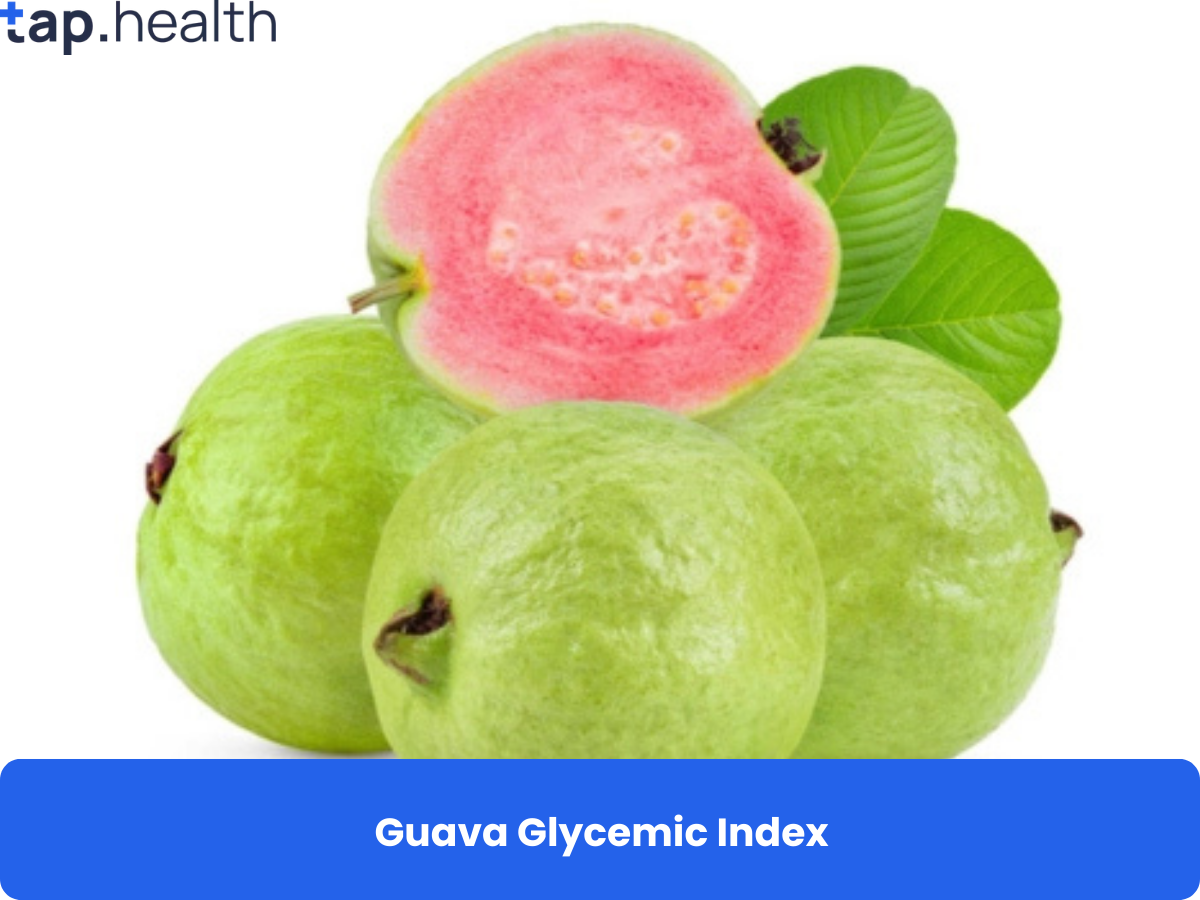
When you have diabetes or are just trying to live a healthier lifestyle, walking down the fruit aisle can feel like walking through a minefield. You see delicious fruits, but you also see sugar. You wonder, “Will this spike my blood sugar?” or “Is this safe to eat?”
If you are looking for a fruit that is tasty, filling, and safe for your blood sugar, let me introduce you to the superhero of the fruit world: Guava.
Guava is often underrated, but when it comes to managing blood sugar, it is a champion. In this guide, we will explore the guava glycemic index (GI), why it is so good for you, and the simple rules for eating it without worry. We will keep it simple, clear, and easy to understand.
What is the Glycemic Index (GI)?
Before we slice into the guava, let’s quickly understand our measuring tool: the Glycemic Index (GI).
Imagine your digestive system is a highway. The Glycemic Index measures how fast the sugar from food drives down that highway and enters your blood. The scale goes from 0 to 100.
- Low GI (0 to 55): These foods drive slowly. They release sugar gradually, keeping your energy steady.
- Medium GI (56 to 69): These are a bit faster.
- High GI (70 and above): These are like race cars. They zoom into your blood and cause a sudden sugar spike.
For anyone concerned about blood sugar, Low GI foods are the best friends you can have.
What is the Glycemic Index of Guava?
This is the news you have been waiting for. Guava has one of the best scores in the fruit kingdom.
The glycemic index of guava is typically between 12 and 24.
This puts guava firmly in the Low GI category.
To give you some perspective, watermelon has a GI of about 72, and pineapple is around 66. Guava’s score of 12-24 is incredibly low. This means that when you eat guava, it digests very slowly. The sugar trickles into your bloodstream gently rather than rushing in all at once.
Why is Guava’s GI So Low?
It comes down to one magic word: Fiber. Guava is packed with dietary fiber, specifically a type called pectin. Fiber acts like a brake pedal in your stomach. It physically stops sugar from being absorbed too quickly. Because guava has so much fiber (even more than apples or bananas), it naturally keeps its own sugar content under control.
Glycemic Index vs. Glycemic Load
The GI tells us about speed, but we also need to know about the amount of sugar. This is called the Glycemic Load (GL).
- Glycemic Index = How fast?
- Glycemic Load = How much impact?
A standard serving of guava (one medium fruit) has a Glycemic Load of roughly 1.3 to 5.
- Low GL: 0 to 10
- Medium GL: 11 to 19
- High GL: 20+
With a GL as low as 1.3, guava barely registers on the blood sugar radar. It is one of the safest carbohydrate choices you can make.
Can Diabetics Eat Guava?
The answer is a loud and clear YES.
In fact, many doctors and nutritionists in countries like India and Mexico (where guavas are common) actively recommend guava to diabetic patients. It is not just “safe”—it is actually beneficial.
Here is why it works for diabetics:
1. It Fights Insulin Resistance
Guava doesn’t just sit there being low sugar; it actively helps your body. Studies suggest that compounds in guava can help improve insulin resistance. This means it helps your body use the insulin it already has more effectively.
2. It Keeps You Full
One of the hardest parts of managing diabetes is hunger. Because guava is so high in fiber and water, eating just one can make you feel very full. This stops you from snacking on unhealthy chips or biscuits later.
3. No Sugar Crash
Because the GI is so low, you won’t get that “sugar crash” feeling an hour after eating it. Your energy stays stable.
The Amazing Health Benefits of Guava
Beyond the blood sugar benefits, guava is a nutritional powerhouse. If you are only eating oranges for Vitamin C, you are missing out.
The Vitamin C Champion
Did you know that one single guava has four times more Vitamin C than an orange? Vitamin C is a powerful antioxidant. It boosts your immune system, helps your skin heal, and fights inflammation in the body. For diabetics, who often heal slower from cuts or bruises, this vitamin boost is essential.
Potassium for Blood Pressure
Many people with diabetes also struggle with high blood pressure. Guava is rich in potassium (similar to bananas). Potassium helps relax your blood vessels and can lower blood pressure naturally.
Good for Your Tummy
The high fiber content we talked about earlier? It is also great for digestion. Eating guava regularly can help prevent constipation and keep your gut healthy. A healthy gut is crucial for managing overall health.
Guava Peel: To Eat or Not to Eat?
This is a common question. Should you peel your guava like a banana, or eat it like an apple?
You should eat the peel.
In fact, the peel contains even more Vitamin C and antioxidants than the flesh inside. It also holds a lot of the fiber. By peeling a guava, you are throwing away some of its best diabetic-fighting tools.
Just make sure you wash the fruit very thoroughly under running water to remove any dust or dirt before biting into it.
Guava Leaves: The Secret Weapon
We can’t talk about guava without mentioning the leaves. In traditional medicine, Guava Leaf Tea has been used for centuries.
Modern science is starting to back this up. Some studies show that drinking tea made from steeped guava leaves can actively lower blood sugar levels after a meal. It seems to work by blocking certain enzymes in your gut that convert carbohydrates into sugar.
How to make it:
- Take 5-6 fresh, clean guava leaves.
- Boil them in water for 10 minutes.
- Strain the water and drink it like tea (without adding sugar!).
Note: Always talk to your doctor before adding herbal remedies like this, especially if you are on medication.
5 Simple Ways to Eat Guava Safely
Even though guava is safe, you still need to be smart about how you eat it. Use the KISS method (Keep It Simple, Stupid) with these serving ideas.
1. The Classic Slice
Wash the guava, cut it into wedges (skin on), and sprinkle a tiny pinch of black salt or chaat masala on it. This is a classic snack in South Asia and is perfect for a mid-morning energy boost.
2. Guava and Cheese
It might sound strange, but guava pairs beautifully with cheese. A slice of guava with a small piece of cheese (like cheddar or cottage cheese) creates a perfect balance of carbs, fiber, and protein.
3. The Green Salad Booster
Chop raw, firm guava into small cubes. Toss them into your cucumber and tomato salad. The crunch of the guava adds texture, and the Vitamin C helps your body absorb iron from the vegetables.
4. Guava Yogurt Bowl
Chop half a guava and mix it into a bowl of unsweetened Greek yogurt. Add a few walnuts on top. This makes for a fantastic breakfast that will keep you full until lunch.
5. Smoothies (With Caution)
If you make a smoothie, do not juice the guava. Throw the whole fruit (minus the seeds if you prefer) into the blender. You must keep the fiber. Add spinach or protein powder to keep the sugar absorption slow.
When Should You Be Careful?
Guava is wonderful, but too much of a good thing can be a problem.
1. Watch the Ripeness As a guava gets very ripe and soft, its sugar content increases slightly. For the best blood sugar control, try to eat guavas that are firm and just starting to ripen, rather than the ones that are mushy and overly sweet.
2. Portion Control Even though it is low GI, it still contains calories. Eating five guavas in one sitting is not a good idea. Stick to one medium-sized guava per day.
3. The Seed Warning Guava seeds are very hard. If you have sensitive teeth or dental issues, be careful not to bite down too hard on them. You can swallow them whole (they help with digestion) or scoop them out if they bother you.
Conclusion
So, does the guava glycemic index pass the test? Absolutely.
With a Glycemic Index of 12-24, guava is one of the safest, healthiest, and most diabetic-friendly fruits you can find. It is packed with fiber, loaded with Vitamin C, and delicious to eat.
You don’t have to be afraid of fruit just because you are watching your sugar. You just have to choose the right fruit. Guava is the right fruit.
Remember the KISS rules:
- Eat it whole (skin on).
- Keep it fresh (no juice).
- Keep it moderate (one a day).
Next time you are at the market, grab a few green guavas. Your taste buds—and your blood sugar—will thank you.
Frequently Asked Questions (FAQ) on Guava Glycemic Index
Can I eat pink guava or is white guava better?
Both pink and white guavas are excellent for you. Pink guavas contain more lycopene, an antioxidant that is good for the heart and skin. White guavas often have slightly more Vitamin C. Both have a low Glycemic Index, so you can choose whichever one you prefer.
Is guava juice good for diabetics?
Generally, no. Store-bought guava juice is often loaded with added sugar. Even fresh homemade juice removes the fiber, which is the most important part for controlling blood sugar. It is always better to eat the whole fruit than to drink the juice.
Does eating guava seeds cause appendicitis?
This is a very common myth. There is no scientific evidence that eating guava seeds causes appendicitis. In fact, the seeds act as a laxative and can help with healthy bowel movements. However, if you have braces or weak teeth, chew carefully!
Can I eat guava at night?
You can, but it is usually better to eat fruit earlier in the day when your metabolism is higher. Some people find that eating fiber-rich fruit late at night can cause bloating or gas while they sleep. A mid-morning or afternoon snack is the ideal time.
Will dried guava affect my blood sugar?
Yes, it likely will. Dried guava is often coated in sugar to preserve it. Even without added sugar, the drying process concentrates the natural sugars, making the Glycemic Index much higher. Diabetics should stick to fresh guava.
Is raw (green) guava better than ripe (yellow) guava?
For diabetes management, raw or semi-ripe guava is slightly better. It has less sugar and more crunch (fiber) than a fully soft, ripe guava. However, a ripe guava is still a safe choice compared to high-sugar fruits like mangoes or grapes.
Can guava leaves really cure diabetes?
No, guava leaves cannot “cure” diabetes. Diabetes is a chronic condition. However, guava leaf tea can be a helpful supplement to help manage blood sugar levels alongside your medication and diet. Always consult your doctor before relying on herbal remedies.
References
Healthline: 8 Health Benefits of Guava Fruit and Leaves
- Highlights the low glycemic index and blood sugar control benefits.
- https://www.healthline.com/nutrition/guava-benefits
PharmEasy (Medically Reviewed): Is Guava Good for Diabetes?
- Explicitly states the GI of guava is around 12-24 and discusses its fiber content.
- https://pharmeasy.in/blog/is-guava-good-for-diabetes/
Medical News Today: What fruits should I eat if I have diabetes?
- Lists guava as a top low-GI fruit option.
- https://www.medicalnewstoday.com/articles/311220