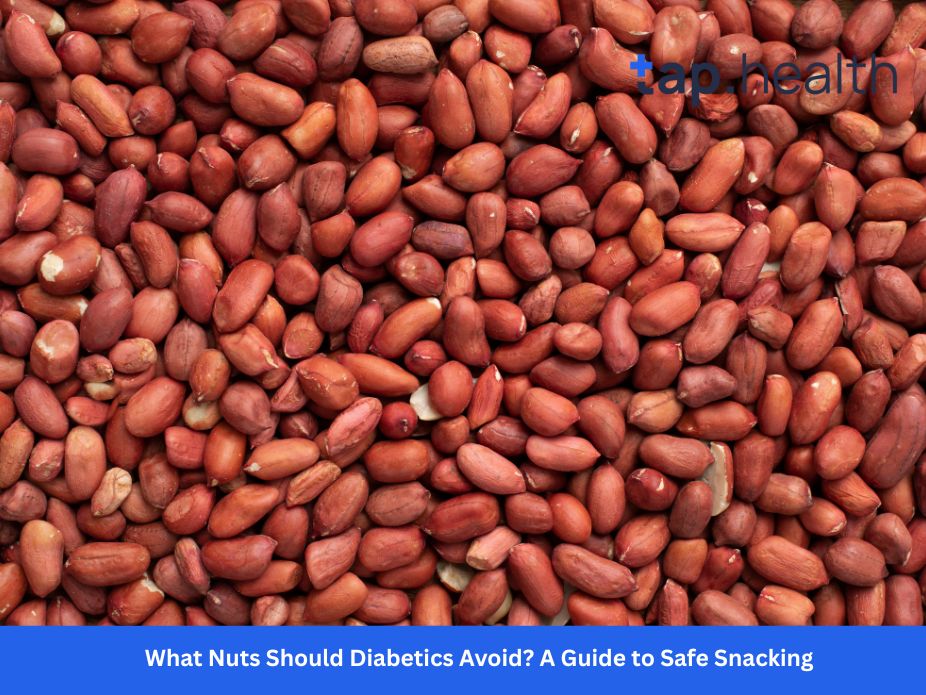
If you have been diagnosed with Type 2 Diabetes, your doctor has likely told you: “Eat more nuts.”
It is good advice. Nuts are generally packed with protein, healthy fats, and fibre—the holy trinity for stabilising blood sugar. But here is the catch that often gets missed: Not all nuts are created equal.
While almonds and walnuts are like medicine for your blood sugar, other nuts can be sneaky carbohydrate bombs or calorie traps. Even worse, the way nuts are prepared in India (fried, salted, or coated in masala) can turn a healthy snack into a diabetic nightmare.
So, what nuts should diabetics avoid?
In this detailed guide, written in simple Indian English, we will separate the “Superfoods” from the “Sugar Traps.” We will explore why the beloved Kaju (Cashew) might need to be limited, why “Masala Peanuts” are dangerous, and how to choose the right nut for your snack time.
1. Cashews (Kaju): The “High Carb” Nut
In India, Kaju is the king of dry fruits. It is creamy, sweet, and delicious. But for a diabetic, it is the one nut you need to be most careful with.
The Reason: Carbohydrates
Most nuts are mostly fat and fibre. Cashews, however, are higher in Carbohydrates.
- Comparison:
- Almonds (28g): ~2.5g net carbs.
- Cashews (28g): ~8-9g net carbs.
- The Impact: While Cashews won’t spike your sugar like a biscuit would, eating a large bowl of them (which is easy to do because they are so soft) can raise your blood glucose levels more than any other nut.
Verdict: Do not avoid completely, but Limit Strictly. Stick to 5-6 cashews at a time.
2. Coated and Flavoured Nuts (The “Masala” Trap)
This is the biggest category diabetics should avoid. Walk down the snack aisle, and you will see “Honey Roasted Almonds,” “Chocolate Covered Hazelnuts,” or the Indian favourite, “Besan Coated Peanuts” (Nut-Cracker).
The Reason: Hidden Sugar and Flour
- Honey/Sugar Roasted: The nut inside is healthy, but the coating is pure sugar. This destroys the blood sugar benefits of the nut.
- Flour Coated (Besan/Maida): Crunchy masala peanuts are often coated in chickpea flour or refined flour and then deep-fried. This adds unhealthy trans fats and extra carbs.
Verdict: AVOID. These are candies, not nuts.
3. Salted Nuts (The Blood Pressure Enemy)
“Salted Pista” or “Salted Peanuts” are classic teatime snacks or “Chakhna” (snacks with drinks).
The Reason: Sodium
As we discussed in previous articles, diabetes and high blood pressure often go hand-in-hand.
- The Risk: A small packet of salted nuts can contain over 300mg of sodium. This causes water retention and raises blood pressure, putting strain on your kidneys.
Verdict: AVOID. Always buy “Unsalted” or “Plain” roasted nuts.
4. Chestnuts (The Starch Bomb)
Chestnuts (often roasted on streets in winter) are very different from other tree nuts.
The Reason: It’s Basically a Potato
Most nuts are high in fat. Chestnuts are high in Starch.
- The Numbers: Chestnuts have more carbohydrates than almost any other nut. They behave more like a fruit or a tuber (like a potato) in your body than a nut.
- The Risk: They have a higher Glycemic Index and can spike blood sugar if eaten in large quantities.
Verdict: Limit Strictly. Treat them like a carb (like rice or bread), not a protein snack.
5. Macadamia Nuts (The Calorie Bomb)
While Macadamia nuts are actually very low in carbs (good for keto), they are incredibly high in fat and calories.
The Reason: Weight Gain
Obesity is a major driver of Type 2 diabetes.
- The Math: A small handful of Macadamias has nearly double the calories of a handful of almonds.
- The Risk: It is very easy to overeat them. Excessive calorie intake leads to weight gain, which worsens insulin resistance.
Verdict: Eat in moderation if you are watching your weight.
Real-Life Scenario
Meet Mr. Desai (55, Type 2 Diabetic): Mr. Desai thought he was eating healthy. Every evening, he ate a bowl of “Diet Chivda” mixed with Cashews and Salted Peanuts. The Problem: His weight wasn’t going down, and his BP remained borderline high (140/90). The Dietitian’s Audit: The dietitian pointed out that the cashews were adding carbs, and the salted peanuts were raising his BP. The Swap: She asked him to switch to Plain Walnuts and Roasted Almonds. The Result: Within a month, his water retention reduced (BP dropped slightly), and his evening sugar cravings stabilised.
Expert Contribution
We consulted Dt. S. Puri, a Clinical Nutritionist, on nut selection.
“The ‘Haldiram Effect’ is what I warn my patients about. The moment you take a healthy nut and fry it, salt it, or coat it in batter, it stops being a healthy snack. For diabetics, the best nut is the one that looks exactly like it did when it came off the tree—raw or dry roasted, with its skin on.”
The “Green Light” Nuts: What Should You Eat Instead?
If you are avoiding cashews and salted nuts, what should you fill your bowl with?
- Walnuts (Akhrot): The King of nuts for diabetics. Rich in Omega-3 fatty acids, they reduce inflammation and improve heart health.
- Almonds (Badam): High in Magnesium and Vitamin E. Great for insulin sensitivity.
- Pistachios (Pista): Unsalted and in the shell. The work of peeling the shell slows down your eating, preventing overconsumption. They also contain melatonin for better sleep.
Read this : is roasted peanuts good for diabetes?
Key Takeaways
- The “Avoid” List: Honey-roasted, chocolate-coated, or batter-fried nuts.
- The “Limit” List: Cashews (high carb) and Chestnuts (high starch).
- The “Watch Out” List: Salted nuts (bad for BP).
- The “Go” List: Walnuts, Almonds, and Plain Peanuts.
- The Rule: Always choose raw or dry-roasted unsalted nuts.
FAQ: Frequently Asked Questions
Are cashews bad for diabetics?
Cashews are not “bad,” but they have higher carbohydrates than other nuts. Eating too many can raise blood sugar. It is best to limit portion size to 4-5 nuts and mix them with lower-carb nuts like almonds.
Can diabetics eat pistachios?
Yes, pistachios are excellent for diabetics. They are rich in protein and fibre. However, always buy them unsalted and in the shell. Shelling them takes time, which helps you eat fewer calories.
Which nut is highest in sugar?
While nuts generally don’t have much sugar, Cashews and Chestnuts have the highest carbohydrate/starch content, which converts to sugar in the blood. Flavoured nuts (like honey-roasted) are the highest in actual added sugar.
Are raisins good for diabetics?
No. Raisins (Kishmish) are dried grapes. They are very concentrated in sugar and have a medium-to-high Glycemic Index. It is better for diabetics to eat fresh grapes in moderation rather than dried raisins.
Why should I soak nuts?
Soaking nuts (especially almonds and walnuts) removes phytic acid, which can block mineral absorption. It also makes them easier to digest. However, unsoaked nuts are also safe to eat if you chew them well.
Disclaimer: This article is for educational purposes only. Always consult your doctor or dietitian before making significant changes to your diet.