tap.health logo
  • Diabetes Management
  • Health Assistant
  • About Us
  • Blog
  • Contact Us
Get Plan
  • Diabetes Management
  • Health Assistant
  • About Us
  • Blog
  • Contact Us
  • All Blogs
  • Diabetes
  • How Many Peanuts Can a Type 2 Diabetic Eat? A Complete Guide

How Many Peanuts Can a Type 2 Diabetic Eat? A Complete Guide

Diabetes
January 20, 2026
• 5 min read
Yasaswini Vajupeyajula
Written by
Yasaswini Vajupeyajula
ChatGPT Perplexity WhatsApp LinkedIn X Grok Google AI
How Many Peanuts Can a Type 2 Diabetic Eat? A Complete Guide

It is 4 PM. You are sitting at your desk or watching TV, and you feel that familiar hunger pang. You want something crunchy. In an Indian home, the most common snack available is often the humble Peanut (Mungfali).

But if you have Type 2 Diabetes, you pause. You know peanuts are healthy, but you also know they are high in fat. You start wondering: “Will this spike my sugar? Will it make me gain weight? How many can I actually eat?”

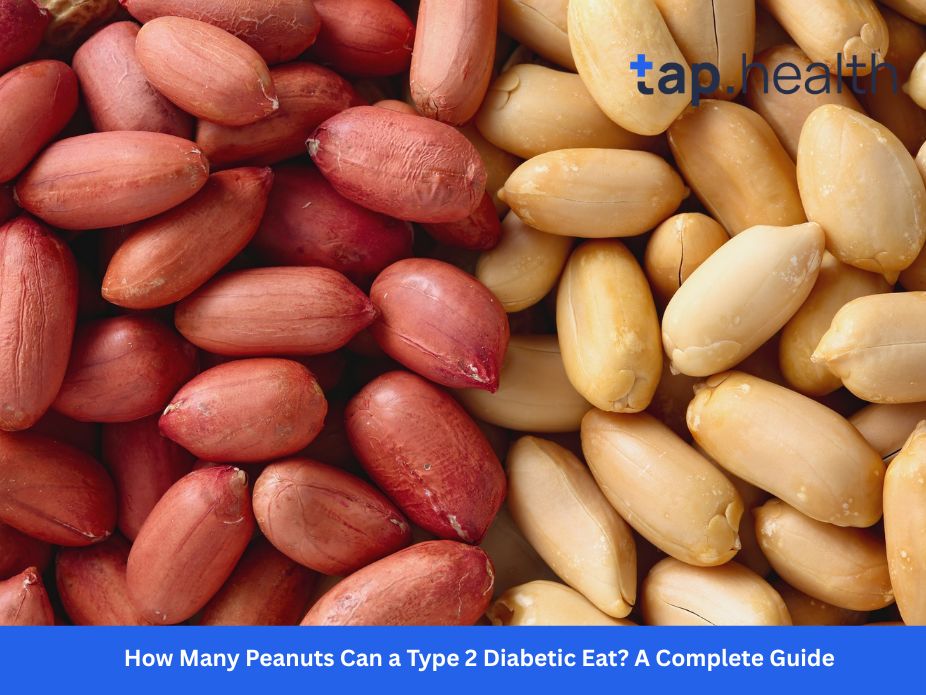
It is a valid confusion. Peanuts are technically legumes, not nuts, but they act like nuts in our diet. They are packed with protein and healthy fats, but they are also calorie-dense.

So, how many peanuts can a type 2 diabetic eat?

The short answer is about one small handful (28–30 grams) per day.

But simply knowing the number isn’t enough. You need to know why this number is safe, how peanuts affect your blood sugar (the Glycemic Index), and the best way to eat them to actually lower your glucose spikes.

In this detailed guide, written in simple Indian English, we will crack open the shell on peanuts. We will explore their hidden benefits for diabetics, the dangers of “masala peanuts,” and exactly how to fit them into your daily diet safely.

The Nutritional Breakdown: What Is Inside a Peanut?

Before we decide the portion size, let’s look at what you are putting into your body.

Here is what one serving (approx. 28 grams or 28-30 peanuts) contains:

  • Calories: ~160 kcal (High energy)
  • Carbohydrates: ~4.5 grams (Very Low)
  • Fibre: ~2.5 grams (Good)
  • Protein: ~7 grams (Excellent)
  • Fat: ~14 grams (Mostly healthy mono-unsaturated fat)
  • Glycemic Index (GI): 14 (Very Low)

The “Magic” Combination

For a diabetic, the combination of High Protein + High Fat + High Fibre is magic. Why? Because it digests very slowly. This means peanuts do not cause a sugar spike. In fact, they help prevent spikes from other foods.

How Many Peanuts Can a Type 2 Diabetic Eat Daily?

The recommended safe limit is 28 to 30 grams per day.

  • In visual terms: This is roughly one small fistful or about 28–32 individual kernels.
  • In calories: This provides about 160–170 calories.

Why Is There a Limit?

You might ask, “If they don’t spike sugar, why can’t I eat a whole bowl?” The answer is Calories. Type 2 diabetes is strongly linked to body weight. Peanuts are very energy-dense. If you eat 100 grams of peanuts (a medium bowl) while watching a cricket match, you are consuming nearly 600 calories—that is equal to a full meal! Overeating them will lead to weight gain, which worsens insulin resistance.

The Glycemic Index (GI) of Peanuts: A Diabetic Superfood

When it comes to blood sugar control, peanuts are superstars.

  • Glycemic Index (GI): 14. This is incredibly low. (Any food under 55 is considered low).
  • Glycemic Load (GL): 1. This is virtually zero impact.

The “Second Meal Effect”: Research shows that eating peanuts for breakfast helps keep your blood sugar lower even after lunch. This is called the “Second Meal Effect.” The healthy fats and protein coat your stomach lining, slowing down digestion for hours.

4 Benefits of Peanuts for Diabetics

1. Heart Health Protection

Diabetics are at high risk for heart disease. Peanuts are rich in Mono-unsaturated Fatty Acids (MUFA) and Resveratrol (the same antioxidant found in red wine). These nutrients help lower bad cholesterol (LDL) and keep arteries flexible.

2. Weight Management (Satiety)

Peanuts make you feel full. Eating a handful as a snack suppresses the hunger hormone (ghrelin). This means you are less likely to overeat at dinner.

3. Magnesium Boost

Many diabetics are deficient in Magnesium. Magnesium is crucial because it helps insulin work effectively. A serving of peanuts provides about 12% of your daily magnesium requirement.

4. Reducing Inflammation

The antioxidants in peanut skins (the red papery covering) are powerful anti-inflammatories. Since diabetes is an inflammatory disease, eating peanuts with their skins on adds an extra layer of protection.

Best Ways to Eat Peanuts (and What to Avoid)

Not all peanuts are created equal. How you eat them changes their health value.

✅ The Best Options:

  1. Raw Peanuts: Soaked overnight. This makes them easier to digest and removes anti-nutrients.
  2. Dry Roasted (Unsalted): Roasted at home in a pan without oil. This brings out the crunch without adding calories.
  3. Boiled Peanuts: Very popular in South India. Boiling peanuts actually increases their antioxidant content by up to 4 times compared to raw peanuts!

❌ The “Danger” Options (Avoid These):

  1. Salted Peanuts: High sodium raises blood pressure, which is bad for diabetic kidneys.
  2. Masala Peanuts / Haldiram’s Nut Cracker: These are coated in besan (gram flour) and deep-fried. They are loaded with unhealthy fats and extra carbs.
  3. Honey Roasted: These are coated in sugar. They will spike your glucose.

Read this : is roasted peanuts good for diabetes?​

Real-Life Scenario

Let’s see how this fits into a daily routine.

Meet Mr. Kapoor (50, Type 2 Diabetic): Mr. Kapoor usually had chai and two Marie biscuits at 5 PM. By 8 PM, he would be starving and overeat at dinner. His post-dinner sugar was always high (180 mg/dL). The Change: His nutritionist swapped the biscuits (refined flour) for one handful of roasted peanuts (protein + fat). The Result:

  1. He didn’t feel hungry until dinner time.
  2. He ate less rice at dinner because he was still partially full.
  3. His morning fasting sugar dropped because the slow-digesting fats kept his sugar stable overnight.

Expert Contribution

We consulted Dt. N. Singh, a Certified Diabetes Educator, on the peanut debate.

“Peanuts are the ‘poor man’s almond.’ They offer almost the same benefits at a fraction of the cost. The biggest mistake patients make is eating them mindlessly directly from a large bag. I tell my patients: Measure your portion into a small katori (bowl) first. Put the big bag away. Then eat one by one. If you eat from the packet, you will finish 500 calories before you realize it.”

Recommendations Grounded in Proven Research and Facts

According to the American Diabetes Association and the Journal of Nutrition:

  1. The “Pairing” Strategy: Never eat a high-carb fruit (like a banana or apple) alone. Eat it with 10 peanuts. The fat in the peanuts will cut the sugar spike of the fruit by almost half.
  2. Peanut Butter: Is it safe? Yes, but only if it is Natural Peanut Butter (ingredients should be just peanuts and salt). Avoid commercial brands like Skippy or Funfoods that have added sugar and hydrogenated oils (Trans Fats). Limit to 1 tablespoon.
  3. Allergy Check: If you feel itchy or swollen after eating peanuts, stop immediately. Inflammation from allergies can worsen insulin resistance.

Key Takeaways

  • The Number: Eat 28–30 peanuts (one small handful) per day.
  • The Benefit: Low GI (14) means no sugar spike.
  • The Risk: High calories. Overeating leads to weight gain.
  • The Best Form: Boiled or dry roasted (with skin).
  • The Strategy: Use them to replace biscuit snacks or pair them with fruits to lower the glycemic load.

FAQ: Frequently Asked Questions

Can diabetics eat salted peanuts?

It is better to avoid them. Salted peanuts are high in sodium. Since many diabetics also suffer from high blood pressure, excess salt can strain the heart and kidneys. Stick to unsalted or lightly salted home-roasted peanuts.

Is boiled peanut good for diabetes?

Yes, boiled peanuts are excellent. Research shows that boiling peanuts releases more antioxidants (isoflavones) than roasting or eating them raw. They also have a lower Glycemic Index than roasted peanuts.

Can I eat peanut butter with diabetes?

Yes, but choose wisely. Buy natural peanut butter where the ingredient list says only “100% Roasted Peanuts.” Avoid brands with added sugar, palm oil, or preservatives. Stick to one tablespoon per day as a spread on whole wheat toast or with apple slices.

Do peanuts increase cholesterol?

No, in moderation, they help lower it. Peanuts contain no cholesterol. They are rich in “good” mono-unsaturated fats that help lower “bad” LDL cholesterol and raise “good” HDL cholesterol, protecting the heart.

What is the best time to eat peanuts for diabetes?

The best time is as a mid-morning or evening snack. Eating them between meals keeps your metabolism active and prevents hunger pangs. You can also eat a few with breakfast to prevent sugar spikes later in the day.

Can peanuts cause gas?

Yes, for some people. Peanuts are legumes and contain phytates and tannins, which can cause bloating or gas in sensitive stomachs. Soaking raw peanuts overnight before eating can help reduce this effect.


References

  1. American Diabetes Association: Nuts and Diabetes
  2. Journal of Nutrition: Peanut consumption improves indices of cardiovascular disease risk
  3. Healthline: Peanuts and Diabetes: What You Should Know
  4. WebMD: Peanut Health Benefits
  5. British Journal of Nutrition: Peanut consumption and glycemic control

Disclaimer: This article is for educational purposes only. Every diabetic body is different. Always monitor your blood sugar response and consult your dietician before making significant changes to your diet.

Tags
diabetes prevention foot health diabetes and sleep fasting blood sugar diabetes misconceptions diabetes medicine safety diabetic neuropathy symptoms diabetic foot ulcer warning signs can diabetics eat mango diabetes itching urinary infection diabetes diabetes slow wound healing metformin side effects diabetes numbness in hands banana for diabetes dates blood sugar jaggery for diabetes is poha good for diabetes guava blood sugar India diabetes diabetes after pregnancy type 1 and type 2 diabetes difference lipid profile diabetes diabetes vs MODY frozen shoulder diabetes reactive hypoglycaemia A1C gestational diabetes poor sleep blood sugar HbA1c diabetes symptoms in women diabetes medicines diabetes nerve damage diabetes and blood pressure mango and diabetes dark patches diabetes diabetes stomach problems diabetes wounds metformin safety diabetes tingling hands banana blood sugar papaya for diabetes is jaggery good for diabetes poha blood sugar orange for diabetes sugar spike after rice gestational diabetes India difference between type 1 and type 2 diabetes diabetes vs neuropathy MODY diabetes symptoms diabetic shoulder pain low blood sugar after eating Medicine blood sugar pregnancy diabetes sleep and diabetes diabetes in India women diabetes signs diabetes treatment advice tingling feet diabetes high blood pressure diabetes mango sugar diabetes walking after meals for diabetes diabetic gastroparesis diabetic wound care diabetes ketoacidosis warning signs diabetic neuropathy hands coconut water and diabetes is papaya good for diabetes gur for diabetes sprouts for diabetes can diabetics eat oranges Indian diet diabetes continuous glucose monitor India diabetes vs diabetes insipidus diabetes vs heart disease maturity onset diabetes of the young metformin vitamin B12 deficiency postprandial hypoglycaemia Health fasting glucose blood sugar pregnancy diabetes and stress diabetes risk factors India diabetes risk women Indian diabetic diet chart diabetes eye disease diabetes heart kidney risk diabetes reversal vs remission post meal walk diabetes diabetes bloating nausea diabetes yeast infection DKA symptoms fasting with diabetes coconut water for diabetes papaya blood sugar watermelon for diabetes are sprouts good for diabetes orange blood sugar glucose spike symptoms CGM cost India diabetes mellitus vs diabetes insipidus diabetes heart disease risk continuous glucose monitor diabetes metformin B12 symptoms diabetes and bone health Lifestyle A1C test low blood sugar stress blood sugar diabetes prevention India diabetes symptoms in men diabetic meal plan diabetic eye test borderline HbA1c diabetes remission walking lowers blood sugar diabetes sick day rules diabetes fungal infection ketones diabetes diabetes fasting safety can diabetics drink coconut water oats for diabetes can diabetics eat watermelon sprouts blood sugar brown bread for diabetes post meal blood sugar time in range diabetes insipidus symptoms diabetes and heart attack CGM diabetes vitamin B12 test metformin diabetes osteoporosis Home remedies diabetes diet hypoglycemia cortisol diabetes best fruits for diabetes men diabetes signs HbA1c test high protein breakfast for diabetes HbA1c 5.7 to 6.4 reverse type 2 diabetes diabetes grocery list India diabetes during illness diabetes vaginal itching diabetes blurry vision can diabetics fast curd for diabetes oatmeal diabetes watermelon blood sugar methi seeds for diabetes bread for diabetes diabetes blood pressure glucometer accuracy diabetes vs metabolic syndrome gestational diabetes vs type 2 diabetes continuous glucose monitoring diabetes distress diabetes fracture risk Fitness balanced meals diabetes safety diabetes eye care diabetes fruits diabetes risk men HbA1c normal range diabetes breakfast India prediabetes HbA1c diabetes plate method diabetic food list India blood sugar fever infection diabetes night sweats high blood sugar blurry vision insulin injection sites is curd good for diabetes are oats good for diabetes apple for diabetes fenugreek for diabetes whole wheat bread diabetes diabetes heart risk diabetes technology metabolic syndrome and diabetes pregnancy diabetes and type 2 diabetes diabetes and hair loss diabetes burnout diabetes and muscle loss Prevention healthy eating diabetes heart health diabetic retinopathy fruit and blood sugar type 1 diabetes how to lower HbA1c diabetic breakfast ideas post-meal blood sugar Indian diabetes plate foods for diabetes shopping diabetes and alcohol low blood sugar at night diabetes excessive thirst insulin site rotation diabetes curd milk for diabetes can diabetics eat apple methi diabetes avocado for diabetes ABC diabetes CGM vs glucometer India metabolic syndrome symptoms gestational diabetes future risk diabetes hair loss causes diabetes burnout symptoms diabetes muscle weakness Hygiene why diabetes is considered as a lifestyle disease blood pressure diabetes eye test rice and diabetes type 1 diabetes symptoms fasting sugar normal range PCOS and diabetes blood sugar after food diabetes portion control diabetes kidney tests alcohol blood sugar diabetes diabetes sweating at night diabetes dry mouth insulin lumps tea and coffee in diabetes can diabetics drink milk apple blood sugar cinnamon for diabetes is avocado good for diabetes kidney risk diabetes diabetes reversal myths diabetes vs thyroid diabetes vs anaemia hair fall in diabetes diabetes depression anxiety sarcopenia diabetes Ailments lifestyle diabetes cholesterol diabetes kidney care can diabetics eat rice insulin diabetes high fasting blood sugar PCOS insulin resistance postprandial glucose low glycaemic index foods for diabetes urine albumin diabetes can diabetics drink alcohol diabetes headache frequent urination diabetes diabetes weight gain coffee diabetes best milk for diabetes eggs for diabetes cinnamon blood sugar avocado blood sugar blurred vision diabetes HbA1c remission diabetes and thyroid disease diabetes fatigue or anaemia diabetes and erectile dysfunction diabetes and depression Hindi type 2 diabetes lifestyle disease living with diabetes diabetic kidney disease diabetes diet India prediabetes diet reverse prediabetes naturally PCOS diabetes risk dawn phenomenon diabetes low GI foods India eGFR diabetes diabetes and dizziness high blood sugar headache diabetes fatigue diabetes and weight gain tea diabetes peanuts for diabetes are eggs good for diabetes dalchini for diabetes travelling with diabetes fundus exam diabetes remission vs reversal thyroid blood sugar anaemia diabetes symptoms erectile dysfunction diabetes diabetes anxiety symptoms skin diseases exercise and diabetes diabetes habits kidney tests diabetes morning blood sugar prediabetes food prediabetes reversal gestational diabetes diet Indian morning sugar high diabetes low GI diet diabetes and dental problems dizziness diabetes low blood sugar headache diabetes tiredness insulin weight gain roti for diabetes are peanuts good for diabetes egg diabetes amla for diabetes diabetes travel checklist eye care diabetes vildagliptin diabetes vs PCOS diabetes vs Cushing syndrome ED in diabetic men how to store insulin acne vulgaris symptoms blood sugar control diabetes management high blood sugar symptoms fasting sugar high lower diabetes risk how to prevent type 2 diabetes pregnancy diabetes diet high fasting sugar in morning diabetes and fatty liver diabetes gum disease low sugar dizziness blood sugar monitoring at home high blood sugar tiredness diabetes swollen feet best roti for diabetes peanuts blood sugar paneer for diabetes amla juice diabetes insulin travel storage diabetic retinopathy symptoms vildagliptin benefits in type 2 diabetes patients diabetes vs hypertension Cushing syndrome blood sugar diabetes and menopause insulin storage at home AI Search physical activity insulin resistance hyperglycemia symptoms dawn phenomenon diabetes and weight loss insulin resistance diet gestational diabetes meal plan diabetes and cholesterol fatty liver diabetes dry mouth diabetes diabetes leg pain when to check blood sugar diabetes constipation swollen feet diabetes chapati diabetes sweet potato for diabetes is paneer good for diabetes amla blood sugar diabetes hot weather GDM screening DPP-4 inhibitor diabetes and hypertension diabetes vs LADA menopause blood sugar insulin fridge temperature type 2 diabetes diabetes foot care insulin sensitivity diabetes warning signs diabetes myths weight loss diabetes Indian foods for insulin resistance diabetic foot ulcer diabetes lipid profile insulin resistance fatty liver diabetes urine infection diabetic leg cramps blood glucose monitoring diabetes and constipation diabetes foot swelling can diabetics eat dates can diabetics eat sweet potato paneer diabetes guava for diabetes diabetes dehydration pregnancy blood sugar targets diabetes medicine India blood sugar vs blood pressure LADA diabetes symptoms type 2 diabetes menopause glucometer errors prediabetes diabetic foot type 2 diabetes risk normal blood sugar levels diabetes facts insulin resistance weight loss improve insulin sensitivity diabetes foot wound cholesterol in diabetes diabetes skin problems frequent UTI diabetes diabetes nerve pain legs metformin for diabetes constipation diabetes can diabetics eat banana dates for diabetes sweet potato blood sugar poha for diabetes can diabetics eat guava heat and blood sugar postpartum diabetes risk type 1 vs type 2 diabetes diabetes vs high cholesterol latent autoimmune diabetes in adults diabetes and frozen shoulder wrong blood sugar reading
More blogs
Varshitha Sotala
Varshitha Sotala
• June 22, 2026
• 19 min read

Diabetes and Muscle Loss: Causes, Warning Signs, Protein, Strength Training, and Recovery

Learn why diabetes may contribute to muscle loss and weakness, how to recognise sarcopenia, and how protein, resistance exercise, and medical checks help.

Diabetes
How Many Peanuts Can a Type 2 Diabetic Eat? A Complete Guide
Nishat Anjum
Nishat Anjum
• June 22, 2026
• 19 min read

Diabetes and Bone Health: Osteoporosis, Fracture Risk, Tests, Calcium, Vitamin D, and Exercise

Learn how diabetes may affect bone quality and fracture risk, which tests help, and how nutrition, vitamin D, exercise, and fall prevention support bones.

Diabetes
How Many Peanuts Can a Type 2 Diabetic Eat? A Complete Guide
Naimish Mishra
Naimish Mishra
• June 22, 2026
• 18 min read

Reactive Hypoglycaemia: Symptoms After Meals, Causes, Tests, Diet, and Treatment

A detailed guide to reactive hypoglycaemia, covering low-sugar symptoms after meals, possible causes, diagnosis, food strategies, and red flags.

Diabetes
How Many Peanuts Can a Type 2 Diabetic Eat? A Complete Guide
Do you remember your last sugar reading?
Log and Track your glucose on the Tap Health App
All logs in one place
Smart trend graphs
Medicine Reminder
100% Ad Free
Download Now

Missed your diabetes meds

again? Not anymore.

Get medicine reminders on your phone.

✓ Glucose diary and Insights
✓ Smart Nudges
✓ All logs at one place
✓ 100% Ad free
Download Free
tap health
tap.health logo
copyright © 2025
2nd Floor,Plot No 4, Minarch Tower,
Sector 44,Gurugram, 122003,
Haryana, India
  • About Us
  • Blog
  • Doctor login
  • Contact Us
  • Privacy Policy
  • Return / Shipping Policy
  • Terms and Conditions
Get Your Free AI Diabetes Coach