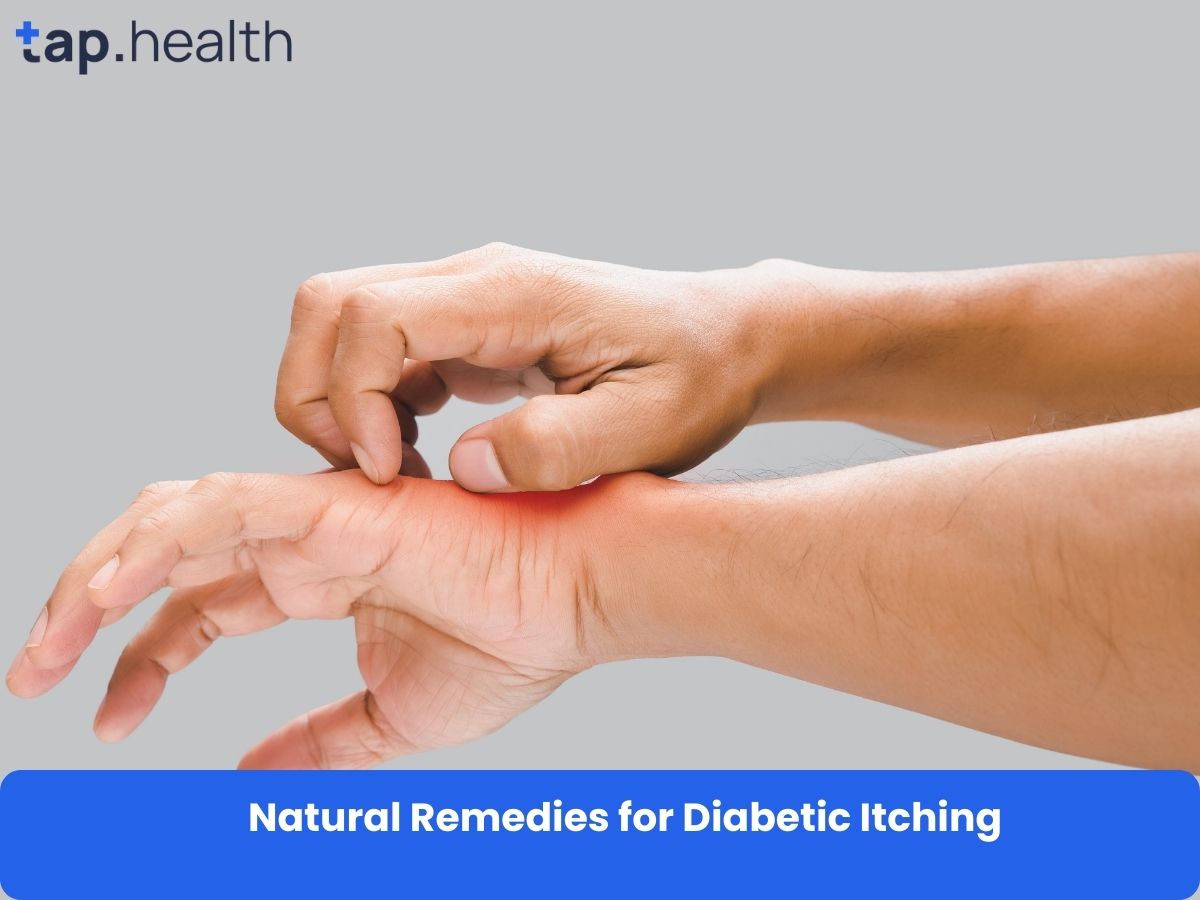
It starts as a small tickle on your shin. You scratch it absent-mindedly while watching TV. But the itch doesn’t stop. It grows. It spreads. Before you know it, you are scratching furiously, leaving red marks on your legs, arms, or back. You try normal lotions, but ten minutes later, your skin feels like sandpaper again.
If you have diabetes, this isn’t just “winter dryness.” It is a persistent condition called Diabetic Pruritus.
For many Indians, dealing with this itch is a daily battle. The heat, the humidity, and the pollution make it worse. But popping antihistamines daily isn’t the answer. You want something safer, something gentle, something from nature.
The burning question is: What are the best natural remedies for diabetic itching?
The good news is that your kitchen and garden likely hold the cure. Nature provides powerful moisturizers and anti-inflammatories that can calm your angry skin without harsh chemicals.
In this detailed guide, written in simple Indian English, we will explore why your sugar levels make you itch, the most effective natural treatments (like Neem and Coconut Oil), and how to stop the scratch before it creates a wound.
Why Does Diabetes Make You Itch? (The Root Cause)
Before we apply the remedy, we must understand the malady. Why does sweet blood cause itchy skin?
It is not just one thing; it is a combination of three factors:
1. Dehydration (The Thirsty Skin)
When your blood sugar is high, your body tries to save you by flushing the excess glucose out through urine.
- The Process: To make that urine, your kidneys pull water from every tissue in your body—including your skin.
- The Result: Your skin becomes dehydrated (Xerosis). It loses its natural oil barrier, becoming tight, flaky, and intensely itchy.
2. Poor Circulation
High sugar damages blood vessels over time. This reduces blood flow to your legs and feet. Without a steady supply of blood, your skin doesn’t get enough nutrients to stay healthy and elastic. It becomes thin and prone to itching.
3. Fungal Growth
Yeast loves sugar. If your blood glucose is high, your sweat contains sugar too. This creates a perfect buffet for fungus to grow in warm areas like armpits, groin, and between toes, leading to early stage diabetes itchy skin.
Top 7 Natural Remedies for Diabetic Itching
You don’t always need a pharmacy cream. Here are the best, science-backed natural ways to stop the itch.
1. Virgin Coconut Oil (The Indian Superfood)
In India, we have used coconut oil for centuries (“Nariyal Tel”). It is the gold standard for diabetic skin.
- Why it works: It contains Lauric Acid, which kills bacteria and fungus. It forms a thick barrier on the skin that locks moisture in.
- How to use: Apply it immediately after your bath while your skin is still damp. This traps the water next to your skin.
2. Colloidal Oatmeal Baths
This isn’t the oats you eat for breakfast. Colloidal oatmeal is ground into a fine powder that dissolves in water.
- Why it works: It contains chemicals called avenanthramides that reduce inflammation and stop the itch signal.
- How to use: Mix a cup of colloidal oatmeal into a bucket of lukewarm water. Bathe with it. Do not use soap. It leaves a soothing coating on your skin.
- Tip: This is the answer to “what stops itching fast” for large areas of the body.
3. Aloe Vera Gel
- Why it works: It is cooling and hydrating. It relieves the “burning” sensation of diabetic itch instantly.
- How to use: Use fresh gel from the plant if possible. Apply it to the itchy spots. It dries without being sticky.
4. Neem Water (Azadirachta Indica)
Neem is nature’s antiseptic.
- Why it works: If your itching is caused by a fungal or bacterial infection, neem kills the germs.
- How to use: Boil a handful of neem leaves in water. Let it cool. Use this “Neem Water” for your final rinse during a bath. It prevents infections in scratches.
5. Turmeric Paste (Haldi)
- Why it works: Curcumin in turmeric is a powerful anti-inflammatory.
- How to use: Mix turmeric with yogurt or milk cream (malai) and apply to small itchy patches. (Warning: It will stain clothes yellow, so use carefully).
6. Apple Cider Vinegar (ACV)
- Why it works: Diabetic skin often has an unbalanced pH level. Diluted ACV can restore acidity and kill yeast.
- Precaution: Never use undiluted vinegar; it will burn.
- How to use: Mix 1 part ACV with 4 parts water. Dab it on the itchy spot with a cotton ball.
7. Ice Packs (Cold Compress)
- Why it works: Cold numbs the nerve endings that send the “itch” signal to the brain.
- How to use: Wrap an ice pack in a towel and hold it on the itchy area for 5–10 minutes.
What Can I Drink to Stop Itching? (Internal Remedies)
Treating the outside is only half the battle. You must treat the inside too. If you are wondering “what can I drink to stop itching,” the answer is hydration.
1. Plain Water
The most effective remedy is free. Drinking 3 litres of water a day helps replace the fluids you lose through urination, rehydrating your skin from the inside out.
2. Buttermilk (Chaas)
A cooling glass of Chaas with roasted cumin helps cool the body and provides probiotics (good bacteria) that fight yeast infections.
3. Chamomile Tea
This herbal tea has antihistamine properties. Drinking it can help calm the immune system response that causes itching.
4. Flaxseed Water
Soak flaxseeds overnight and drink the water. The Omega-3 fatty acids help improve skin elasticity and moisture retention.
How to Relieve Diabetic Itching in Private Parts
This is a sensitive topic, but a very common one. Can diabetes cause itching in private parts? Yes, absolutely. High sugar creates a breeding ground for yeast (thrush).
Natural Solutions:
- Yogurt (Dahi): Eating plain yogurt introduces good bacteria (Lactobacillus) that fight the yeast. (Note: Only apply topically if advised by a doctor; eating it is safer).
- Hygiene: Wash with plain lukewarm water. Do not use harsh soaps or Dettol in intimate areas; they kill good bacteria and make itching worse.
- Cotton Clothing: Wear loose cotton underwear to let the area breathe. Moisture trapped by synthetic fabric feeds the fungus.
Lifestyle Changes: How to Prevent the Itch
Using remedies is reactive. Prevention is proactive. Small changes in your daily routine can stop the itch before it starts.
1. The “Lukewarm” Bath Rule
- The Mistake: Taking long, hot showers in winter. Hot water melts away your natural skin oils.
- The Fix: Use lukewarm (room temperature) water. Limit baths to 10 minutes.
2. The Soap Switch
- The Mistake: Using strong, fragrant beauty soaps.
- The Fix: Switch to mild, fragrance-free soaps or moisturizing body washes. Look for “pH balanced” on the label.
3. Humidifier
If you use an AC or heater, the air in your room gets very dry. This sucks moisture out of your skin. Using a humidifier helps keep the air moist, preventing itching at night.
4. Pat, Don’t Rub
After bathing, do not rub your skin vigorously with a towel. Gently pat it dry. Leave it slightly damp, then apply your oil or lotion immediately to seal the moisture.
Is Itching at Night a Sign of Diabetes?
Many people ask, “Is itching at night a sign of diabetes?”
Yes, it can be. While many skin conditions itch at night, diabetic itching often worsens then because:
- Dryness: Skin loses more water at night.
- Focus: When you are trying to sleep, your brain has no distractions, so it focuses 100% on the nerve irritation caused by high sugar.
If you have night itching combined with thirst or frequent urination, check your blood sugar.
Early Stage Diabetes Itchy Skin: What to Look For
How do you know if it’s diabetes or just an allergy? Look for these signs of early stage diabetes itchy skin:
- Shin Spots: Small, round, brown spots on the lower legs (Diabetic Dermopathy).
- Dark Neck: Velvety dark patches on the neck or armpits (Acanthosis Nigricans).
- Non-Healing Sores: If you scratch a bug bite and it takes 3 weeks to heal.
- Leg Itch: Intense itching on the lower legs where the skin looks shiny and hairless.
Real-Life Scenario
Let’s look at a relatable story to see how natural remedies work.
Meet Sunita (55, Retired Teacher): Sunita has had Type 2 Diabetes for 8 years. Every winter, her legs would itch so badly she couldn’t sleep. She used expensive pharmacy lotions, but they felt sticky and didn’t last. The Remedy: Her grandmother suggested Coconut Oil. Sunita started applying organic virgin coconut oil to her legs immediately after her morning bath and again before bed. The Addition: She also started drinking 3 litres of water daily, realizing she was dehydrated. The Result: Within one week, the scales on her legs disappeared. The itching stopped. Her skin felt soft for the first time in years. The Lesson: Simple, natural ingredients are often better than chemicals for sensitive diabetic skin.
Read this : Is Itching a Symptom of Diabetes?
Expert Contribution
We consulted Dr. S. Malhotra, an Ayurvedic Doctor and Nutritionist, to validate these remedies.
“In Ayurveda, we call diabetes ‘Madhumeha’. It creates ‘Pitta’ (heat) and dryness in the body. I always tell my patients: Don’t just treat the skin; treat the blood. Neem and Turmeric are excellent because they clean the blood and kill infection. But the most important remedy is water. If your blood is thick with sugar, your skin will cry for water. Drink up.”
Recommendations Grounded in Proven Research and Facts
According to the National Center for Complementary and Integrative Health (NCCIH) and studies in the Journal of Dermatology:
- Oatmeal Science: Colloidal oatmeal is FDA-approved in the US as a skin protectant. Research shows it reduces itch intensity and strengthens the skin barrier.
- Hydration Link: A study confirmed that increasing oral water intake improves deep skin hydration in diabetics, reducing the severity of Xerosis (dry skin).
- Aloe Vera Power: Studies show that Aloe Vera gel not only soothes skin but may also help lower blood sugar slightly if consumed (though topical use is safer for itching).
Key Takeaways
- The Best Remedy: Virgin Coconut Oil applied to damp skin.
- The Quick Fix: Colloidal Oatmeal bath or Ice Packs.
- The Internal Fix: Drink 3+ litres of water to flush out sugar.
- The Prevention: Avoid hot water and harsh soaps.
- The Root Cause: High sugar causes dehydration. Controlling sugar is the ultimate cure.
FAQ: Frequently Asked Questions
What stops itching fast naturally?
For immediate relief, apply a cold compress (ice pack) to the area. This numbs the nerves. Alternatively, apply Aloe Vera gel or a paste of baking soda and water to soothe the inflammation instantly.
How to relieve diabetic itching at home?
The best routine is to take a lukewarm oatmeal bath, pat dry gently, and immediately apply coconut oil. Wear loose cotton clothing to let the skin breathe. Drink a glass of water to rehydrate.
Does diabetes itching go away?
Yes, it goes away once you manage the underlying cause. If the itching is due to high blood sugar, bringing your glucose levels down will rehydrate the skin and stop the itch permanently.
What can I drink to stop itching?
Drink plenty of plain water. You can also drink chamomile tea (anti-inflammatory), buttermilk (probiotic), or neem tea (blood purifier) to help calm the skin from the inside.
Can diabetes cause itching in private parts?
Yes. High sugar creates a breeding ground for yeast (fungus), leading to intense itching in the groin area for both men and women. Keeping the area dry and using antifungal remedies (like diluted apple cider vinegar or yogurt) helps.
Is itching at night a sign of diabetes?
It can be. While many things cause night itching, diabetic itching often worsens at night due to dryness and lack of distraction. If it comes with thirst or frequent urination, check your sugar.
What is the best home remedy for diabetic foot itching?
Keep feet clean and dry. Apply coconut oil or shea butter to the heels and soles (but not between toes). If there is fungus between toes, soak feet in vinegar water (1 part vinegar, 4 parts water) for 15 minutes.
How to cure itching due to diabetes permanently?
The only permanent cure is to control your blood sugar levels. Natural remedies soothe the symptoms, but normal blood sugar prevents the dehydration and nerve damage that cause the itch in the first place.
References
- Mayo Clinic: Dry skin: Diagnosis and treatment
- National Eczema Association: Oatmeal Baths
- American Academy of Dermatology: Diabetes warning signs on skin
Disclaimer: This article is for educational purposes only. While natural remedies are generally safe, always do a patch test first. If you have open wounds, severe rashes, or signs of infection (pus, heat), please consult a doctor immediately.