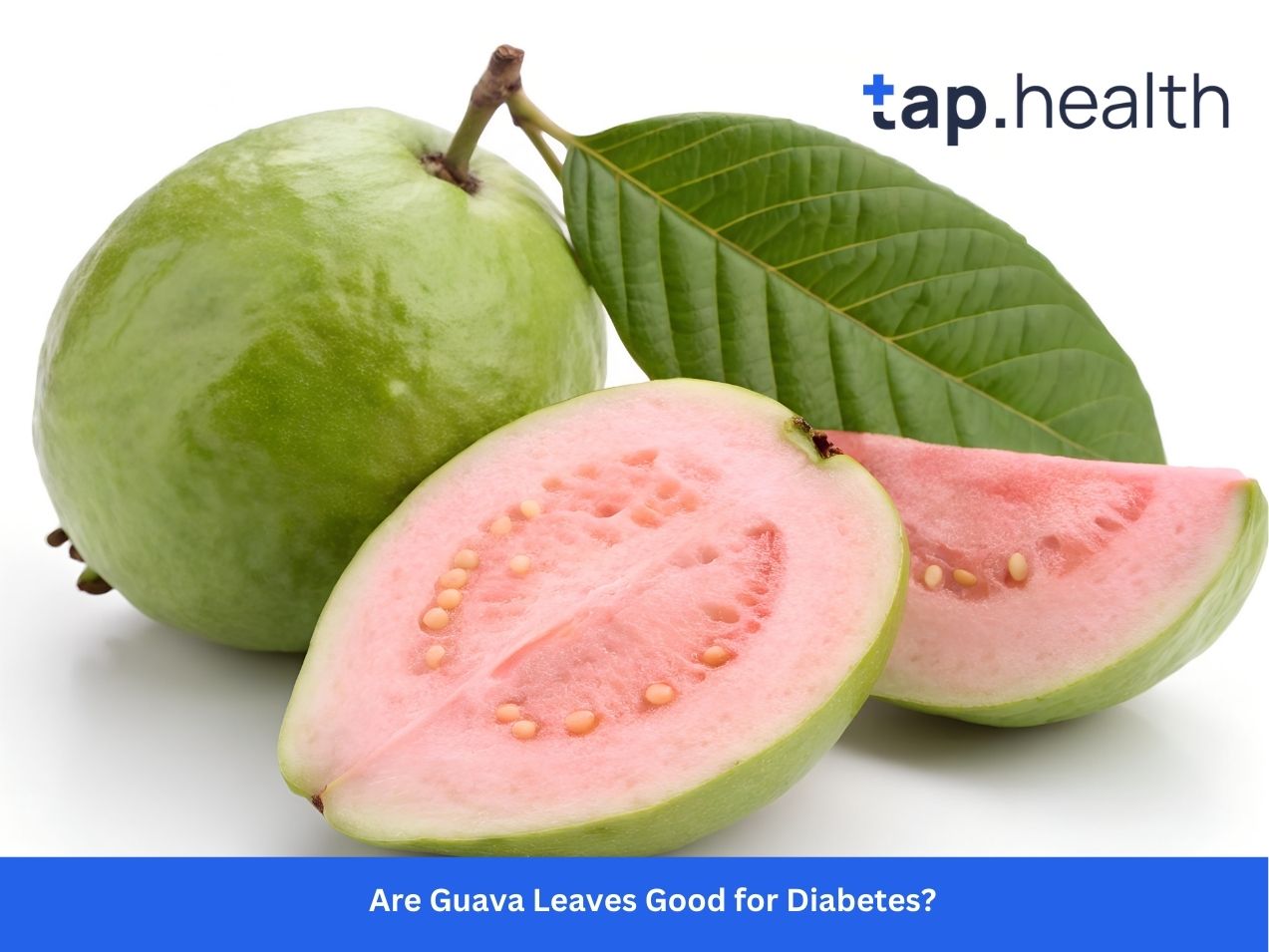
In almost every Indian neighbourhood, you will find an Amrood (Guava) tree. We love the fruit—sprinkled with salt and chilli powder on a sunny winter afternoon. But while we relish the fruit, we often ignore the leaves. We sweep them up from our driveways and throw them away.
But what if I told you that the “waste” you are sweeping away could be a powerful medicine?
In the world of natural diabetes management, guava leaves are emerging as a superstar. Our grandmothers (Dadima/Nani) often brewed bitter concoctions for health, and it turns out, they were onto something. With diabetes rates skyrocketing in India, everyone is looking for that extra edge to keep their blood sugar numbers in the green zone.
You might be asking: “Can a simple leaf really lower my blood sugar?” “Is it safe to drink every day?” “How do I even consume it—raw or boiled?” “Is guava leaves good for diabetes, or is it just another internet myth?”
It is crucial to separate folklore from science. You need facts, not just forward messages from WhatsApp University.
In this comprehensive, deep-dive guide, we will explore the science behind guava leaves for diabetes. We will look at how they work inside your body to block sugar, the right way to brew them into a tea, and the safety precautions you must take. Written in simple Indian English, this article is your ultimate handbook to this backyard superfood.
Short Answer – Do Guava Leaves Help Lower Blood Sugar?
Yes, they can significantly help.
Guava leaves are not a “cure” for diabetes—meaning they won’t make the disease vanish—but they are an incredibly effective management tool.
Scientific studies, particularly from Japan, have shown that guava leaf extract acts as a natural “carb blocker.” When you drink guava leaf tea with a meal, it stops your body from converting complex carbohydrates (like roti or rice) into glucose too quickly. This prevents that dreaded post-meal sugar spike.
Think of it as a speed bump for your blood sugar. It doesn’t stop the car, but it slows it down to a safe speed.
What Are Guava Leaves and How Are They Used?
The Guava tree (Psidium guajava) is a tropical evergreen shrub native to Central America but naturalised in India centuries ago. While the fruit gets all the glory for its Vitamin C content, the leaves are the powerhouse of medicinal compounds.
In Traditional Chinese Medicine (TCM) and Ayurveda, guava leaves have been used for treating diarrhea, inflammation, and even toothaches. But recently, their role in metabolic health has taken centre stage.
Common Uses:
- Tea: The most popular method. Leaves are boiled to extract the nutrients.
- Extracts: Concentrated supplements (capsules/powders).
- Paste: Applied topically for skin issues (though this doesn’t help diabetes).
Read this : Is Guava Good For Diabetes?
Nutritional and Medicinal Compounds in Guava Leaves
Why is this leaf so special? It comes down to Phytochemicals—natural plant compounds that fight disease.
Guava leaves are packed with:
- Polyphenols: Powerful antioxidants that fight oxidative stress (a major cause of diabetic complications).
- Flavonoids: Specifically Quercetin, Kaempferol, and Myricetin. These are known to improve insulin signaling.
- Tannins: These give the tea its slightly bitter, astringent taste but are excellent for gut health.
- Carotenoids: Including Lycopene, which protects the heart.
Unlike the fruit, the leaves contain very little sugar or calories, making them a “free food” for diabetics.
How Guava Leaves May Help Manage Diabetes
This is the science part, simplified. How does a leaf in your stomach affect the sugar in your blood?
May Reduce Post-Meal Blood Sugar Spikes
This is the #1 benefit. When you eat carbohydrates (starches), your body uses an enzyme called Alpha-glucosidase to break them down into glucose.
- The Action: Guava leaves contain compounds that inhibit (block) this enzyme.
- The Result: Your digestion of carbs slows down. Instead of a flood of sugar hitting your bloodstream all at once, you get a slow trickle.
- Comparison: It works similarly to a prescription drug called Acarbose, which doctors prescribe to slow down digestion.
Antioxidant and Anti-Inflammatory Effects
Diabetes is essentially a state of chronic inflammation. High sugar acts like “rust” in your blood vessels, leading to heart disease and kidney damage. The high level of antioxidants in guava leaves helps neutralise this “rust” (free radicals). This doesn’t lower sugar directly, but it protects your organs from the damage caused by sugar.
Possible Improvement in Insulin Sensitivity
Some animal studies suggest that long-term consumption of guava leaf extract helps the body’s cells respond better to insulin. If your cells open their doors to insulin more easily, your pancreas doesn’t have to work as hard, and your blood sugar stays stable.
Scientific Evidence on Guava Leaf Tea and Diabetes
We aren’t just guessing here. There is solid research backing this up.
- The Japanese “FOSHU” Approval: In Japan, Guava Leaf Tea is a government-approved food for health known as FOSHU (Food for Specified Health Uses). It is commercially sold specifically to help people with high blood sugar.
- The Clinical Trial: A study published in the journal Nutrition & Metabolism found that participants who drank guava leaf tea with white rice had significantly lower blood sugar levels 30 minutes, 90 minutes, and 120 minutes after eating, compared to those who drank hot water.
- The Long-Term Effect: Another study showed that drinking the tea with every meal for 12 weeks lowered fasting blood sugar levels without any negative side effects.
How to Use Guava Leaves for Diabetes
You can’t just chew a leaf off the tree and expect miracles (plus, raw leaves taste very bitter and astringent). The best way to consume them is as a tea.
Guava Leaf Tea Preparation (The Desi Way)
You can make this at home for free if you have a tree nearby.
Ingredients:
- 5–6 fresh, tender guava leaves (light green ones are less bitter than dark, old ones).
- 2 cups of water.
- Optional: A slice of ginger or a cardamom pod for flavour.
Method:
- Clean: Wash the leaves thoroughly to remove dust and bird droppings.
- Boil: Bring the water to a boil in a saucepan.
- Simmer: Add the leaves (and ginger if using). Lower the heat and let it simmer for 10–12 minutes. The water will turn a brownish-green colour.
- Strain: Remove the leaves.
- Serve: Drink it warm. Do not add sugar or honey. If it is too bitter, a squeeze of lemon juice helps.
Using Dried Leaves: You can also buy dried guava leaves or tea bags online. Follow the packet instructions, usually steeping in hot water for 5 minutes.
Recommended Frequency and Portion
- Dosage: 1 cup per day is a good start. You can increase it to 2 cups if well tolerated.
- Consistency: Natural remedies take time. You usually need to drink it consistently for 2–3 weeks to see a difference in your numbers.
Best Time to Drink Guava Leaf Tea
- Timing: The best time is immediately before or with a meal.
- Why? Since it works by blocking carb digestion, it needs to be in your stomach at the same time as the food. Drinking it on an empty stomach first thing in the morning is fine for general health, but for blood sugar control, mealtime is key.
Guava Leaves vs Guava Fruit – Which Is Better for Diabetes?
This is a common confusion. Should you eat the fruit or drink the tea?
| Feature | Guava Fruit (Amrood) | Guava Leaves (Tea) |
| Main Benefit | Fibre & Vitamin C | Enzyme Inhibition (Sugar Blocking) |
| Sugar Content | Moderate Natural Sugar | Zero Sugar |
| Calories | ~50 calories | Zero calories |
| Effect on Sugar | Slows absorption via Fibre | Blocks absorption via Chemical Compounds |
| Best For | Snacking / Satiety | Post-Meal Sugar Control |
Export to Sheets
Verdict: Do both! Eat the fruit as a mid-morning snack for fibre, and drink the tea with your lunch to control the spike from your roti/rice.
Safety, Side Effects, and Precautions
While natural, guava leaves are potent. “Natural” does not always mean “Side-Effect Free.”
Risk of Low Blood Sugar with Medications
This is the biggest risk. If you are already taking diabetes medicine (like Metformin or Glimepiride) or Insulin, and you start drinking this tea, your blood sugar might drop too low (Hypoglycaemia).
- The Interaction: The medicine lowers sugar + The tea blocks sugar = Double drop.
- Advice: Monitor your sugar closely when you start. Your doctor might actually need to lower your medicine dose!
Digestive Side Effects
Guava leaves are astringent (drying).
- Constipation: Consuming too much (especially raw leaves) can cause constipation in some people.
- Stomach Upset: If you have a sensitive stomach, the tannins might cause nausea on an empty stomach. Always drink it with food.
Who Should Avoid Guava Leaf Remedies
- Pregnant Women: While the fruit is safe, there isn’t enough research on the safety of concentrated leaf extracts during pregnancy. Stick to the fruit or consult your OB-GYN.
- Surgery Patients: Stop drinking the tea 2 weeks before any scheduled surgery to avoid unpredictable blood sugar changes during the operation.
Real-Life Scenario
Meet Sunita (52, Home Maker from Pune):
Sunita has been struggling with high post-dinner blood sugar (around 180 mg/dL) despite taking her medicines. She loves rice, and as a South Indian, giving it up was hard.
The Experiment: Her neighbour suggested Guava Leaf Tea. Sunita was skeptical but decided to try. She plucked leaves from her garden and brewed a cup to drink with her dinner of Dal-Rice.
The Result:
- Week 1: No major change.
- Week 3: She noticed her morning fasting numbers were slightly better.
- Week 4: Her post-dinner sugar dropped to 150 mg/dL. The tea blunted the spike from the rice.
The Takeaway: The tea didn’t “cure” her, but it allowed her to enjoy her rice portions safely without a massive spike. It became a tool in her toolkit.
Expert Contribution
We consulted Dr. A. Sharma, Ayurvedic Physician & Nutritionist:
“In Ayurveda, we value the Guava tree ( Amrud ) highly. The leaves have Kashaya Rasa (Astringent taste), which is excellent for balancing Kapha and Pitta doshas often associated with diabetes.
Modern science calls it ‘Alpha-glucosidase inhibition,’ but we have known for centuries that bitter and astringent herbs control ‘Madhumeha’ (Diabetes). My advice? Use it as an adjuvant (helper), not a replacement for your allopathic medicine. And always pick fresh leaves; dried ones lose some potency over time.”
Recommendations Grounded in Proven Research and Facts
According to research gathered from Healthline and The National Institutes of Health (NIH):
- Effective Dose: Most studies showing benefits used an extract equivalent to drinking tea made from 5-7 grams of dried leaves.
- Cholesterol Bonus: A 2010 study found that guava leaf extract helped lower LDL (“bad”) cholesterol and triglycerides while having no negative effect on HDL (“good”) cholesterol. This is a double win for diabetics who are at risk for heart disease.
- No Liver Toxicity: Long-term studies have shown that guava leaf tea does not harm the liver or kidneys, making it a safe long-term home remedy.
When to Consult a Doctor Before Using Guava Leaves
Don’t be a “Google Doctor.” Talk to your actual doctor if:
- Your sugars are unstable: If you swing between high and low often, adding another variable (tea) might be risky without supervision.
- You take blood thinners: Guava leaves have mild blood-thinning properties.
- You have eczema: Some people with eczema find that guava leaf extract irritates their skin condition (though rare).
Conclusion: Key Takeaways
So, is guava leaves good for diabetes?
- Yes. It is a scientifically backed, safe, and effective home remedy.
- The Mechanism: It acts like a “Carb Blocker,” preventing sugar spikes after meals.
- The Method: Brew fresh leaves into a tea and drink it with your meals.
- The Caution: Watch out for low blood sugar if you are on medication.
- The Bottom Line: It is free, natural, and accessible. Why not give it a try?
Next time you see that Guava tree, show the leaves some respect. They might just be the secret weapon your diabetes management plan needs.
Frequently Asked Questions on Are Guava Leaves Good for Diabetes?
Is guava good for diabetes type 2?
Yes. The fruit is low GI and high fibre, making it an excellent snack. The leaves are even better for Type 2 diabetes as they improve insulin sensitivity and block sugar absorption from the gut.
How to take guava leaves for diabetes?
The best way is to make Guava Leaf Tea. Boil 5-6 clean, fresh leaves in 2 cups of water for 10 minutes, strain, and drink warm. For best results, drink this tea with your main meal (lunch or dinner).
Are there side effects of guava leaves?
Generally, they are safe. However, drinking too much can cause constipation due to the high tannin content. If you are on diabetes medication, it can also cause hypoglycemia (sugar dropping too low). Always monitor your levels.
Is raw guava good for diabetes?
Yes. Eating raw guava fruit (with the peel) is highly recommended. It provides fibre, Vitamin C, and keeps you full. Just ensure you practice portion control (1 medium fruit per day).
Can guava leaves cure diabetes?
No. There is currently no “cure” for diabetes. Guava leaves are a management tool. They help control blood sugar levels, but if you stop drinking the tea and go back to a bad diet, your sugar will rise again.
What are the benefits of drinking boiled guava leaves?
Drinking the boiled water (tea) helps lower blood sugar, reduces bad cholesterol, aids in weight loss by preventing complex carbs from turning into sugar, and fights inflammation with antioxidants.
Is guava leaf tea good for diabetes pregnancy?
While the fruit is safe, using concentrated herbal teas like guava leaf tea during pregnancy should be discussed with a doctor. There isn’t enough safety data to recommend it universally for gestational diabetes.
What diseases can guava leaves cure?
Traditionally, they are used to treat diarrhea (very effective), gum inflammation/toothache (chewing the leaves), bronchitis (tea helps loosen mucus), and help manage diabetes and high cholesterol.
References
- Healthline: 8 Benefits of Guava Leaves
- National Institutes of Health (NIH): Anti-hyperglycemic effect of guava leaf extract
- Medical News Today: Guava for Diabetes: Benefits and Risks
- Drugs.com: Guava Herb Interactions and Safety
Disclaimer: This article is for informational purposes only. It is not a substitute for professional medical advice. Never stop your prescribed diabetes medication without consulting your doctor.