Imagine your body’s cardiovascular system as a complex network of highways (blood vessels) and a central pump (the heart). In a healthy system, traffic flows smoothly. But when Type 2 diabetes enters the picture, it’s like pouring sticky syrup onto the road. The traffic slows down, the roads get damaged, and the pump has to work double-time just to keep things moving.
This extra force required by the heart is what we call Hypertension, or high blood pressure.
If you or a loved one has been diagnosed with Type 2 diabetes, there is a very high chance—about 60% to 80%—that you will also deal with high blood pressure. In India, often dubbed the “Diabetes Capital of the World,” this dual burden is affecting millions of families. Yet, many people treat them as separate problems. They take a sugar pill for one and a pressure pill for the other, without realizing they are deeply connected roots of the same tree.
A common question patients ask is: “How does type 2 diabetes cause hypertension?” Is it just bad luck, or is there a biological reason?
The answer lies in the complex chemistry of your blood. High sugar levels fundamentally change the way your blood vessels behave, how your kidneys filter salt, and how your heart pumps.
In this comprehensive guide, written in simple Indian English, we will decode this silent connection. We will move beyond the jargon to explain exactly how insulin resistance stiffens your arteries, why your kidneys start hoarding salt, and what you can do to break this cycle and protect your heart.
Why Hypertension Is Common in Type 2 Diabetes
It is rare to find a Type 2 diabetic patient with perfect blood pressure. In medical circles, these two conditions are often called “The Bad Twins” or comorbidities. They love to travel together.
Why? Because they share the same soil. The risk factors that lead to Type 2 diabetes—such as obesity (especially belly fat), a sedentary lifestyle, high inflammation, and poor diet—are the exact same triggers for hypertension.
However, it is not just about shared risks. Type 2 diabetes actively pushes your blood pressure up. The moment your blood sugar starts rising (even in the pre-diabetic stage), your blood vessels begin to suffer damage that leads to hypertension. This is why doctors often find high blood pressure in patients before they are officially diagnosed with diabetes.
Read this: How Does Diabetes Cause Hypertension (High Blood Pressure)?
Why Type 2 Diabetes and High Blood Pressure Are Linked
To understand the link, we have to look at Metabolic Syndrome. This is a cluster of conditions that occur together, increasing your risk of heart disease, stroke, and type 2 diabetes.
Think of your body as a pressure cooker.
- Diabetes turns up the heat (inflammation and sugar).
- Hypertension increases the pressure inside.
When you have Type 2 diabetes, your body struggles to use insulin effectively. This isn’t just a “sugar problem.” Insulin is a master hormone that affects your arteries, your kidneys, and your nervous system. When insulin signaling goes wrong, the delicate balance that keeps your blood pressure normal is shattered.
How Type 2 Diabetes Causes Hypertension
This is the core of the issue. The mechanism isn’t singular; it is a multi-pronged attack on your cardiovascular system. Here is a deep dive into the biological processes.
Insulin Resistance and Higher Insulin Levels
In Type 2 diabetes, your cells stop listening to insulin (Insulin Resistance). To compensate, your pancreas works overtime, pumping out massive amounts of insulin to keep blood sugar stable. This condition is called Hyperinsulinemia.
While this extra insulin might manage your sugar for a while, it wreaks havoc on your blood pressure. High levels of insulin stimulate the Sympathetic Nervous System (your body’s “fight or flight” mode). This increases your heart rate and constricts your blood vessels, naturally driving up pressure.
Increased Sodium Retention and Fluid Volume
Your kidneys are the ultimate regulators of blood pressure. They decide how much salt (sodium) to keep and how much to pee out.
- The Insulin Effect: High levels of insulin tell the kidneys to reabsorb sodium instead of excreting it.
- The Water Magnet: Salt acts like a magnet for water. When your body holds onto salt, it holds onto fluid.
- The Result: Your total blood volume increases. Imagine overfilling a water balloon—the pressure inside rises. This extra fluid volume forces your heart to pump harder, causing hypertension.
Blood Vessel Damage (Endothelial Dysfunction)
Your blood vessels are lined with a delicate, single layer of cells called the Endothelium. In a healthy body, these cells produce a magical gas called Nitric Oxide. Nitric oxide tells your blood vessels to relax, widen, and let blood flow freely.
High blood sugar acts like sandpaper on this lining. It causes oxidative stress that destroys the endothelium.
- The Consequence: Your vessels lose the ability to produce Nitric Oxide.
- The Stiffening: Without the “relax” signal, the vessels stay tight and constricted. Pumping blood through a narrow pipe requires much more pressure than pumping it through a wide one.
Arterial Stiffness and Atherosclerosis
Diabetes accelerates the aging of your arteries. High glucose molecules attach themselves to proteins in the blood vessel walls in a process called Glycation. This turns the flexible, elastic walls of your arteries into stiff, rigid pipes.
Furthermore, diabetes alters your cholesterol profile (Dyslipidemia). It makes your “Bad Cholesterol” (LDL) smaller and denser, making it easier for it to stick to artery walls. This buildup of plaque creates Atherosclerosis (hardening of the arteries). When arteries are stiff, they cannot expand when the heart pumps, leading to a sharp rise in systolic blood pressure (the top number).
Chronic Inflammation and Oxidative Stress
Type 2 diabetes is a state of chronic, low-grade inflammation. High sugar creates “free radicals”—unstable molecules that damage cells. This inflammation causes the smooth muscles around your arteries to thicken and contract, narrowing the space for blood to flow.
Kidney Damage and Reduced Salt-Water Balance
Long-term high sugar damages the delicate filtering units (nephrons) in the kidneys. This is the start of Diabetic Nephropathy.
- When kidneys are damaged, they lose their ability to regulate blood pressure.
- They release a hormone called Renin, which triggers a cascade (the RAAS system) that powerfully constricts blood vessels and retains even more salt. It is a vicious cycle: diabetes damages kidneys -> damaged kidneys raise BP -> high BP further damages kidneys.
Overactive Nervous System (Sympathetic Activation)
As mentioned earlier, high insulin and high sugar keep your body in a state of stress. Your Sympathetic Nervous System stays switched on. This means your body is constantly releasing adrenaline and noradrenaline, keeping your heart rate high and your blood vessels clamped shut, even when you are sleeping or resting.
Type 2 Diabetes Hypertension vs Primary Hypertension
Is diabetic hypertension different from regular high blood pressure? Yes.
- Primary (Essential) Hypertension: This is general high BP caused by age, genetics, or unknown factors. It usually happens gradually.
- Diabetic Hypertension: This is more aggressive. It is driven by specific metabolic faults (insulin, sugar, kidneys). It is often harder to treat and requires medicines that protect the kidneys (like ACE inhibitors) rather than just lowering the pressure. It also tends to spike at night (nocturnal hypertension), which is particularly dangerous for strokes.
Risk Factors That Worsen Hypertension in Type 2 Diabetes
If you have diabetes, certain lifestyle factors act like fuel to the fire.
Obesity and Belly Fat
In India, we struggle with “Central Obesity”—excess fat around the stomach. This visceral fat is not just dead weight; it is active tissue that releases inflammatory chemicals and fatty acids, worsening insulin resistance and stiffening arteries.
High-Salt Diet
The Indian diet is rich in salt—pickles (achar), papads, savory snacks (namkeen), and processed foods. Since diabetics are already “sodium retainers” due to insulin, eating excess salt is dangerous. It leads to immediate fluid retention and BP spikes.
Physical Inactivity
Exercise acts as a natural medication. It helps muscles use up glucose (lowering sugar) and produces nitric oxide (lowering pressure). A sedentary lifestyle allows sugar to pool in the blood and vessels to remain stiff.
Stress and Poor Sleep
Chronic stress raises cortisol, which spikes sugar and pressure. Additionally, many Type 2 diabetics suffer from Sleep Apnea (loud snoring and stopping breathing). Sleep apnea creates massive stress on the heart at night, leading to severe hypertension.
Smoking and Alcohol
Smoking is a non-negotiable “No.” It instantly constricts blood vessels. Alcohol adds empty calories (raising sugar) and directly raises blood pressure.
Symptoms of High Blood Pressure in Type 2 Diabetes
The frightening reality is that hypertension is often a “Silent Killer.” You can walk around with a BP of 160/100 and feel absolutely fine—until a stroke or heart attack hits.
However, watch for these subtle signs:
- Morning Headaches: Specifically a dull ache at the back of the head.
- Dizziness: Feeling lightheaded when standing up quickly.
- Vision Issues: Blurring or spots in vision.
- Fatigue: Feeling breathless after climbing a flight of stairs.
- Pounding Heart: Feeling your heartbeat in your ears or neck.
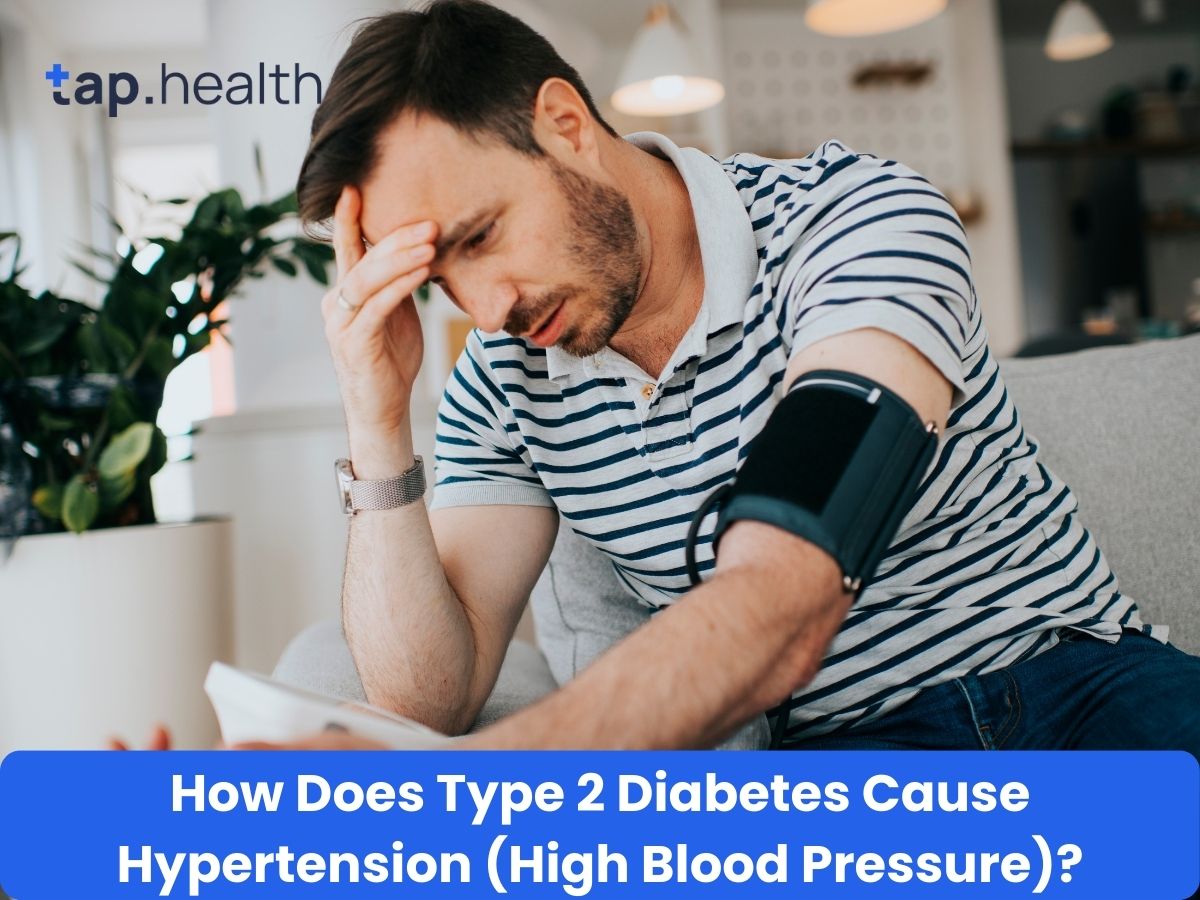
Action Step: Do not wait for symptoms. If you have Type 2 diabetes, check your BP at every doctor visit or buy a home monitor.
Why Hypertension Is Dangerous for People with Type 2 Diabetes
Having both conditions is a “double whammy.” The risks are not just added; they are multiplied.
Heart Disease and Stroke Risk
Diabetes damages the blood vessels; hypertension bursts them. This combination increases the risk of stroke by 4 times. It accelerates the clogging of heart arteries, leading to heart attacks at a younger age.
Kidney Damage Progression
The kidneys are packed with tiny blood vessels. High pressure forces blood through these filters with such violence that it destroys them. This is the fastest route to kidney failure (End-Stage Renal Disease) requiring dialysis.
Eye Damage (Diabetic Retinopathy)
The retina in your eye has delicate micro-vessels. High sugar weakens their walls, and high blood pressure causes them to leak or burst. This leads to permanent blindness.
How to Prevent or Control Hypertension in Type 2 Diabetes
The good news is that the same lifestyle changes that manage diabetes also manage hypertension. You get two benefits for the price of one effort.
Blood Sugar Control
Keep your HbA1c below 7%. By reducing the sugar load, you stop the “sandpaper” effect on your blood vessels, allowing them to heal and produce nitric oxide again.
Weight Loss and Exercise
Losing just 5-10% of your body weight can lower your BP by 5-10 points.
- Aerobic Exercise: Brisk walking, swimming, or cycling for 150 minutes a week improves heart efficiency.
- Resistance Training: Light weights help improve insulin sensitivity.
Salt Reduction and Heart-Healthy Diet
- The DASH Diet: Focus on fruits, vegetables, whole grains, and low-fat dairy.
- Limit Sodium: Aim for less than 2,300 mg (1 teaspoon) of salt per day. Avoid hidden salts in sauces, breads, and packaged meals.
- Potassium: Eat potassium-rich foods like bananas, spinach, and coconut water (if your kidneys are healthy) to help flush out sodium.
Stress and Sleep Management
- Sleep: Aim for 7-8 hours. Treat sleep apnea if you snore.
- Relaxation: Yoga and Pranayama (deep breathing) have been scientifically proven to lower blood pressure by reducing sympathetic nervous system activity.
Medication Adherence
Never skip your pills. Consistency is key to keeping the pressure on your vessel walls constant and safe.
Treatment Options for Type 2 Diabetes with Hypertension
If lifestyle changes aren’t enough, your doctor will prescribe medication. These aren’t just “BP pills”; they are chosen specifically to protect diabetic organs.
Lifestyle Treatment
This is the first line of defense. Doctors will usually give you 3 months to try diet and exercise changes before starting medication, depending on how high your BP is.
Blood Pressure Medicines Commonly Used
Doctors prefer medicines that protect the kidneys while lowering BP:
- ACE Inhibitors (ending in -pril): e.g., Ramipril, Lisinopril. These relax blood vessels and protect kidneys from diabetic damage.
- ARBs (ending in -sartan): e.g., Telmisartan, Losartan. Used if ACE inhibitors cause a cough.
- Diuretics: “Water pills” that help flush out the excess sodium and fluid caused by insulin resistance.
- Calcium Channel Blockers: Help relax the arterial walls.
Note: Beta-blockers are used less often as a first choice because they can sometimes mask the symptoms of low blood sugar (hypoglycemia).
Real-Life Scenario
Meet Mr. Iyer (52, Software Engineer from Bangalore):
Mr. Iyer was diagnosed with Type 2 Diabetes five years ago. He was diligent with his sugar medication but ignored his diet, often eating salty snacks and working late nights. He felt “fine.”
The Incident: During a routine eye exam, the ophthalmologist noticed swelling in his retina vessels—a sign of high blood pressure. The Check: His BP was 150/95 mmHg. He was shocked. “But I have no headache!” he argued. The Explanation: His diabetologist explained that his insulin resistance was causing salt retention, stiffening his arteries silently. The Change: Mr. Iyer started a low-salt diet (no pickle, no papad) and started walking 45 minutes daily. He was prescribed an ARB medication (Telmisartan). The Result: Within 3 months, his BP dropped to 130/80 mmHg. The swelling in his eyes reduced, saving his vision. He realized that treating the “silent” pressure was saving him from major damage.
Expert Contribution
We consulted Dr. A. Gupta, Senior Cardiologist & Diabetologist:
“I tell my patients: Treating sugar without treating pressure is like locking the front door but leaving the back door wide open.
The vascular damage caused by hypertension is what actually kills most diabetic patients via heart attacks or strokes. We now aim for a stricter target of 130/80 mmHg for our diabetic patients. Don’t fear the medication; fear the uncontrolled pressure. Medicines like ACE inhibitors are not just lowering numbers; they are shielding your kidneys from failure.”
Recommendations Grounded in Proven Research and Facts
According to the American Diabetes Association (ADA) and the Indian Council of Medical Research (ICMR):
- Home Monitoring: Patients who monitor their BP at home have better control than those who only check it at the clinic (avoiding “White Coat Hypertension”).
- The 130/80 Target: Current guidelines recommend aiming for BP < 130/80 mmHg to maximally reduce cardiovascular risk.
- Combination Therapy: Most diabetics will need 2 or more BP medications to reach this target. This is normal and necessary for organ protection.
Conclusion: Key Takeaways
So, how does type 2 diabetes cause hypertension?
- Insulin Resistance: Causes kidneys to hoard salt and water, increasing blood volume.
- Vessel Damage: High sugar destroys the lining of arteries, stopping them from relaxing.
- Stiffness: Arteries become rigid pipes instead of flexible hoses.
- The Solution: It is a manageable condition. By controlling salt, losing weight, moving more, and taking kidney-protective medications, you can safeguard your heart and live a long, healthy life.
Don’t let the “Silent Killer” sneak up on you. Get your pressure checked today.
Frequently Asked Questions on How Does Type 2 Diabetes Cause Hypertension (High Blood Pressure)?
1. Can hypertension cause diabetes?
While diabetes usually causes hypertension, the reverse link exists too. People with hypertension often have Insulin Resistance, a precursor to diabetes. Also, some BP medications (like certain diuretics) can slightly raise blood sugar. However, the link of Diabetes -> Hypertension is much stronger and more common.
2. Is high blood pressure related to diabetes?
Yes, strongly. They are comorbidities. Having diabetes doubles your risk of hypertension. They share the same root causes (obesity, inflammation, sedentary lifestyle) and feed off each other to damage your heart and kidneys.
3. What is the best blood pressure medicine for Type 2 diabetes?
The first choice is usually an ACE Inhibitor (e.g., Ramipril) or an ARB (e.g., Telmisartan). These drugs are preferred because they lower blood pressure and protect the kidneys from diabetic nephropathy (kidney disease).
4. How does type 2 diabetes affect blood pressure at night?
Diabetics often lose the natural “dip” in blood pressure that happens during sleep. This is called “Non-Dipping.” High sugar and autonomic nerve damage keep the blood vessels constricted even at night, keeping BP high while sleeping, which significantly increases stroke risk.
5. Does type 2 diabetes cause high blood pressure in young people?
Yes. As Type 2 diabetes is appearing in younger adults (20s and 30s) due to lifestyle, hypertension is appearing with it. Young diabetics have a much higher lifetime risk of heart complications if their BP isn’t managed aggressively early on.
6. Can drinking water lower blood pressure in diabetics?
Staying hydrated is important, but simply drinking water won’t “cure” hypertension caused by stiff arteries. However, avoiding dehydration is crucial because dehydration concentrates sugar in the blood, worsening the condition. Stick to plain water, not sugary drinks.
7. How does insulin resistance cause hypertension?
Insulin is supposed to help sugar enter cells. When cells resist it, insulin levels in the blood rise (Hyperinsulinemia). High insulin signals the kidneys to reabsorb sodium (salt) instead of passing it in urine. This retained salt holds water, increasing blood volume and pressure.