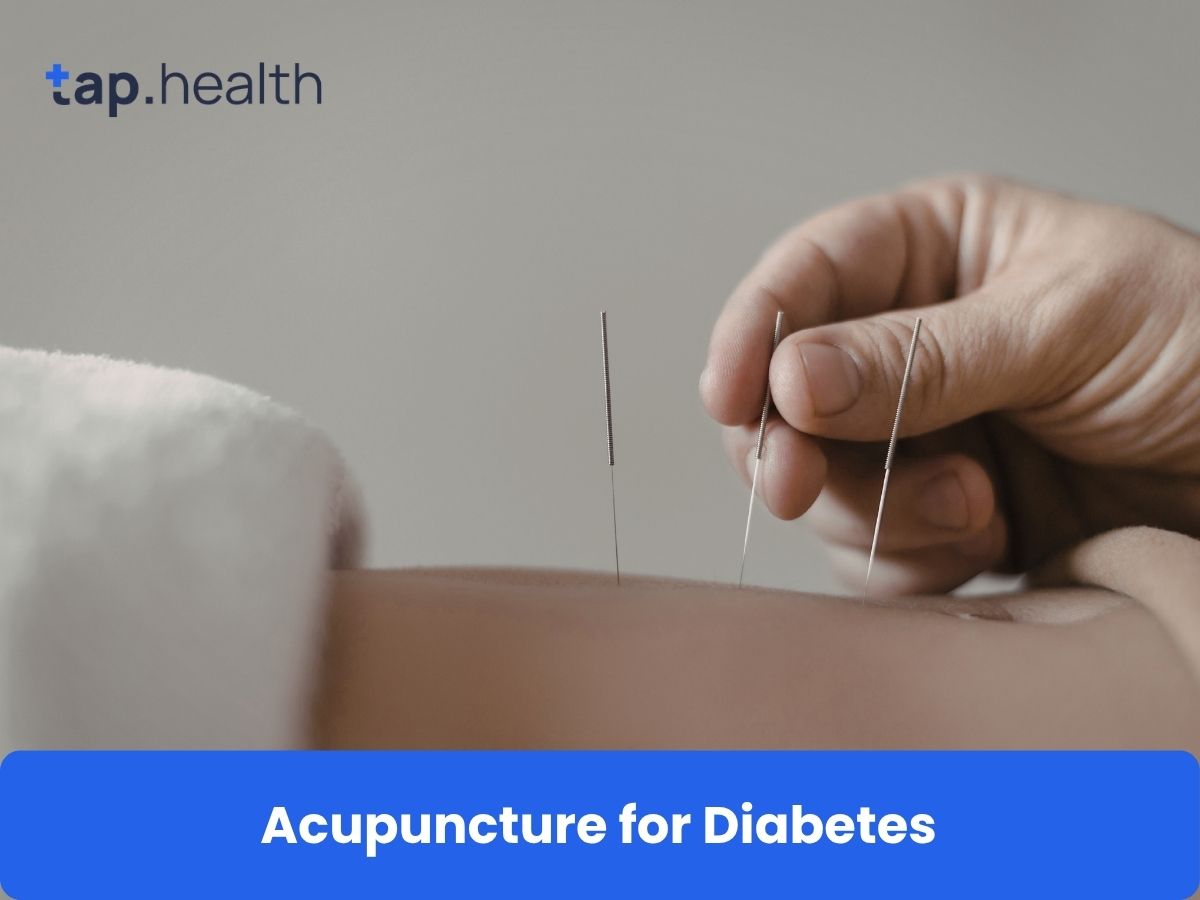
Living with diabetes often feels like walking a tightrope. You are constantly balancing your diet, your activity levels, and your medication, all while keeping a nervous eye on those numbers on the glucose monitor. It is exhausting. If you have been managing type 2 diabetes or even type 1 for a while, you might have heard whispers about alternative therapies that could offer a helping hand. One of the most talked-about is acupuncture.
But is it just a placebo, or is there real science behind those tiny needles? As a practice rooted in Traditional Chinese Medicine (TCM) for thousands of years, acupuncture is now being studied by modern science for its effects on blood sugar regulation, insulin resistance, and the painful complications of diabetes.
In this guide, we will break down everything you need to know about acupuncture for diabetes. We will look at what the latest research from 2025 and 2026 says, explore the specific acupuncture points that help control blood sugar, and discuss how this therapy fits into a modern diabetes care plan. Whether you are curious about managing pain or looking to improve your HbA1c levels, let’s explore this ancient practice through a modern, evidence-based lens.
What Does the Latest Research Say About Acupuncture for Diabetes?
If you are someone who likes to see the data before trying something new, you are in luck. The medical community has recently published significant research on this topic, moving acupuncture from “alternative” to “integrative” medicine.
A massive network meta-analysis published in 2026 looked at 139 randomized controlled trials involving over 12,231 patients with type 2 diabetes . This is a huge amount of data. The researchers wanted to see if acupuncture actually works and which type works best.
The results were impressive. The study found that when acupuncture was added to conventional treatment, patients saw significant improvements in key diabetes markers :
- Fasting Blood Glucose (FBG): Body acupuncture combined with standard care showed the best results for lowering morning blood sugar levels.
- HbA1c (Long-term blood sugar control): Again, body acupuncture topped the charts for improving this three-month average reading.
- Post-Meal Blood Sugar: Auricular (ear) acupuncture was particularly effective at managing blood sugar spikes after meals.
Another systematic review published in Frontiers in Endocrinology in 2025 analyzed 21 randomized controlled trials. It concluded that acupuncture significantly reduced fasting blood glucose, HbA1c, and insulin resistance (HOMA-IR) . The researchers noted that acupuncture shows particular promise in regulating lipid metabolism (cholesterol) and improving nerve conduction velocities, which is crucial for neuropathy .
Simply put, the science is catching up to the ancient wisdom. Acupuncture is proving to be a valuable complementary therapy—meaning it works best alongside your current medical treatment, not instead of it.
Understanding How Acupuncture Works for Diabetes
To understand why poking needles into the skin can affect blood sugar, we have to look at two different perspectives: the ancient Chinese explanation and the modern scientific explanation.
The Traditional Chinese Medicine (TCM) View
In TCM, diabetes is often referred to as “Xiao Ke” (wasting and thirsting disorder). It is believed to be caused by an imbalance of Yin and Yang, often triggered by heat in the lungs, stomach, or kidneys . When the flow of vital energy (Qi) is disrupted, the body cannot properly produce or utilize fluids and energy, leading to the classic symptoms of excessive thirst, hunger, and urination. Acupuncture aims to restore the balance of Qi, nourish Yin, and clear heat, thereby helping the organs function harmoniously.
The Modern Scientific Explanation
From a biomedical perspective, acupuncture helps diabetes in several measurable ways:
- Improving Insulin Sensitivity: Acupuncture appears to stimulate the release of neurotransmitters and hormones that help cells take up glucose from the bloodstream, reducing insulin resistance.
- Reducing Inflammation: Chronic inflammation is a major driver of insulin resistance. Acupuncture has been shown to lower systemic inflammation markers.
- Regulating the Nervous System: Acupuncture can influence the autonomic nervous system, helping to regulate the functions of the pancreas and liver, which are key players in glucose metabolism.
- Promoting Endorphin Release: This helps with pain relief, which is vital for those suffering from diabetic neuropathy .
Key Acupuncture Points for Diabetes Control (With PDF Reference)
One of the most common questions people ask is, “Where do the needles go?” While a professional acupuncturist will tailor the points to your specific symptoms, there are several standard points known in the research to be highly effective for diabetes. A 2022 study in the NIH database highlighted specific points that help increase serum insulin and C-peptide levels (C-peptide is a marker of insulin production) .
If you are looking for a comprehensive list, you might search for an “acupuncture points for diabetes pdf” online for reference, but here are the key points you should know about:
Acupuncture for Diabetes Complications: Focusing on Neuropathy and Pain
While controlling blood sugar is the primary goal, one of the most debilitating aspects of diabetes is the complications, specifically diabetic peripheral neuropathy (DPN) .
A 2025 review published in China Practical Medical highlighted that diabetic neuropathy is a main complication of diabetes, with pain being the most common symptom . Western medicine often relies on long-term medication, which can have significant side effects. Acupuncture offers a drug-free option for managing this pain .
So, is acupuncture effective for diabetes pain? The evidence says yes. A randomized trial on acupuncture for diabetic peripheral neuropathy found that acupuncture helped improve nerve function and significantly reduced neuropathic pain symptoms such as numbness, burning, and tingling in the feet and legs .
The theory behind this is that acupuncture:
- Improves blood circulation to the extremities, nourishing damaged nerves .
- Stimulates nerve regeneration (nerve growth factor).
- Blocks pain signals in the brain and spinal cord.
If you are searching for “acupuncture for diabetes pain” relief, it is one of the most well-supported uses of this therapy.
A Hidden Connection: Back Pressure Points and Diabetes
Here is something fascinating that many people—and even some doctors—miss. A study published in Acupuncture Today found a direct correlation between type 2 diabetes and pressure pain points in the back .
In a study of 116 patients with type 2 diabetes, 89.7% of them had significant pressure pain points in their backs. Most of these points were located in the middle back, corresponding to the areas related to the pancreas and stomach in TCM theory .
The research suggested that these “pain points” are not just muscular issues; they are physical manifestations of the internal imbalance caused by diabetes. By treating these specific points on the Bladder meridian and Du meridian (the governor vessel) along the spine with acupuncture or acupressure, practitioners were able to help patients reduce their blood sugar levels and improve symptoms .
The group receiving external treatment (acupuncture/massage) in that study saw an 18% higher reduction rate in blood sugar compared to the control group . This reinforces the TCM principle of treating internal diseases by addressing external signs on the body.
Does Acupuncture Help with Diabetes Insipidus?
This is a very important distinction to make. When we talk about “diabetes,” most people think of Diabetes Mellitus (high blood sugar). However, there is a rare condition called Diabetes Insipidus.
What is Diabetes Insipidus?
Unlike mellitus, diabetes insipidus has nothing to do with blood sugar or insulin. It is a disorder of water regulation caused by a problem with the hormone vasopressin (anti-diuretic hormone), leading to excessive thirst and large amounts of diluted urine .
Does acupuncture for diabetes insipidus work?
Yes, there is historical evidence that acupuncture can be used to treat this condition as well. Unlike the metabolic focus for mellitus, treatment for insipidus focuses on the kidneys and fluids. Historical case studies have reported success using acupuncture points like Sanyinjiao (SP6), Shenshu (KD23), and Guanyuan (CV4) combined with injections or ear acupuncture points like “Lung” and “Thirst Point” .
However, it is crucial to note that the treatment approach for diabetes insipidus is entirely different from that for diabetes mellitus. If you have diabetes insipidus, your acupuncturist will need to know this specifically to tailor the treatment.
How Effective Is Acupuncture for Diabetes? Setting Realistic Expectations
You might be wondering, “If I start acupuncture, can I stop my insulin or metformin?”
The short answer is no.
The research consistently shows that acupuncture is most effective when used as an adjunct therapy—meaning it works with your current medications, not in place of them . In all the successful studies, acupuncture was added to conventional treatment (diet, exercise, medication) rather than replacing it.
Here is how effective it is based on the data:
- Moderate Impact: It significantly improves the effectiveness of your current regimen.
- Symptom Relief: It is highly effective for managing pain, numbness, and digestive issues related to diabetes .
- Long-term Trends: It helps lower HbA1c by a clinically significant margin, which means it helps prevent long-term complications like kidney disease and vision loss .
Think of it like this: if your diabetes management is a team, medication and diet are the star players. Acupuncture is the excellent coach that helps them perform better.
Comparing Acupuncture vs. Conventional Treatment
To understand where acupuncture fits, it helps to compare it side-by-side with conventional treatments .
| Aspect | Acupuncture | Conventional Treatment (Medication) |
|---|---|---|
| Focus | Stimulates the body’s natural healing abilities; addresses the root imbalance. | Manages symptoms by lowering blood sugar mechanically or chemically. |
| Mechanism | Endorphin release, improved circulation, nerve regeneration, reduced inflammation. | Insulin replacement, increasing insulin secretion, blocking pain signals in nerves. |
| Side Effects | Mild: bruising, soreness. Rare if done by a professional. | Significant: weight gain, gastrointestinal issues, risk of hypoglycemia, neuropathy meds can cause dizziness. |
| Duration | Series of treatments over weeks/months. | Daily or weekly medication, often life-long. |
| Effectiveness | Variable; works best as an add-on. | Highly effective but requires monitoring. |
Safety, Risks, and What to Avoid
While acupuncture is generally very safe, there are important precautions if you have diabetes.
What to avoid if you have diabetes:
- Poorly Controlled Blood Sugar: If your blood sugar is very erratic or you are prone to severe hypoglycemia, talk to your doctor before starting.
- Infection Risk: People with diabetes often have slower healing times. You must go to a licensed practitioner who uses sterile, single-use needles. Never reuse needles.
- Foot and Leg Injuries: If you have neuropathy, you may not feel pain in your feet. Ensure your acupuncturist does not insert needles into areas with open sores, ulcers, or severe numbness without proper care.
- Bleeding: If you take blood thinners (like aspirin or warfarin) often prescribed for heart issues related to diabetes, inform your acupuncturist.
Real-Life Scenario
Let’s consider the case of Meena, a 58-year-old woman from Mumbai who has been living with type 2 diabetes for 10 years. For the last two years, she has been struggling with a burning sensation in her feet—diabetic neuropathy. The pain was keeping her awake at night, and the medications her doctor prescribed made her feel dizzy.
Meena decided to try acupuncture. During her first visit, the acupuncturist checked her pulse and looked at her tongue (standard TCM diagnostic tools) and identified a “Yin deficiency” pattern. She began a course of treatment twice a week for one month. The acupuncturist used points like ST36 for energy, SP6 for the spleen-pancreas axis, and local points around her ankles and feet for the neuropathy.
After 8 sessions, Meena reported that the burning sensation had reduced by nearly 60%. She was able to sleep better. While her HbA1c didn’t drop dramatically, her fasting blood sugar became more stable and easier to predict. She continues to take her metformin, but she feels she has regained control over her life without the side effects of the neuropathy medication.
Expert Contribution
According to the 2026 systematic review involving 139 trials, the evidence suggests that body acupuncture, auricular acupuncture, and laser acupuncture appear to be the most advantageous options for managing Type 2 Diabetes Mellitus . The reviewers noted that while the quality of some older studies varied, the sheer volume of positive data—over 12,000 patients—cannot be ignored. They recommend that patients with simple T2D and a shorter disease duration may see the most significant benefits . The key takeaway from the expert analysis is that standardization of treatment is still being researched, but the integration of acupuncture into standard care is where the future lies.
Recommendations Grounded in Proven Research and Facts
Based on the current evidence, here are my recommendations if you are considering acupuncture for diabetes:
- Use It as a Complement, Not a Replacement: Continue taking your prescribed medication. Do not stop insulin or oral hypoglycemics without your doctor’s supervision.
- Commit to a Course: Acupuncture is not a one-time fix. Most studies show effects after 10 to 12 sessions over several weeks . Plan for a course of treatment, not just a single session.
- Find a Qualified Practitioner: Look for a licensed acupuncturist who is registered with a reputable board. Ask if they have experience treating diabetic patients, specifically neuropathy.
- Monitor Your Blood Sugar Closely: As acupuncture begins to improve your insulin sensitivity, your blood sugar might drop. Monitor your levels to avoid hypoglycemia. You may eventually need a dosage adjustment from your doctor.
- Combine with Lifestyle: Acupuncture works best when you are also eating a balanced, diabetes-friendly diet and exercising.
Key Takeaways
- Research-backed: Recent 2026 meta-analyses confirm that acupuncture significantly improves fasting blood glucose, HbA1c, and insulin resistance when used alongside conventional treatment .
- Effective for Pain: It is a highly effective, non-pharmaceutical option for managing diabetic neuropathy (nerve pain), often reducing the need for painkillers .
- Key Points Matter: Specific points like ST36 and LI4 have been scientifically shown to increase insulin and C-peptide levels .
- Safety First: Always use a licensed practitioner to avoid infection risks, and never stop your prescribed medication without consulting your doctor.
- Holistic Impact: Beyond blood sugar, acupuncture can help with stress, sleep, and digestion, which are all crucial for managing diabetes effectively.
FAQ on Acupuncture for Diabetes
Can acupuncture cure diabetes permanently?
No, there is currently no cure for type 1 or type 2 diabetes. Acupuncture is a supportive therapy that helps manage symptoms, improve blood sugar control, and prevent complications, but it does not replace medication or a healthy lifestyle.
How often should I get acupuncture for diabetes?
Typically, practitioners recommend an initial course of 1 to 2 sessions per week for 8 to 12 weeks. After that, maintenance sessions (once a month or as needed) may be suggested depending on your progress.
Is acupuncture painful for diabetic neuropathy?
Most patients report minimal discomfort. The needles used are extremely thin. For neuropathy, you may feel a mild tingling, dull ache, or warmth at the needle site, which is considered a good sign of energy flow. If you have severe numbness, the sensation may be less.H3: Are there any side effects of acupuncture for diabetics?
Side effects are rare when performed by a qualified professional. Some people experience minor bruising, soreness, or lightheadedness. For diabetics, the main risk is a potential drop in blood sugar (hypoglycemia), so monitoring your levels is important.
Can I do acupressure on myself for diabetes?
Yes, you can stimulate some points like ST36 or LI4 using firm finger pressure (acupressure). While this can help with energy and mild symptoms, it is not a substitute for professional needle acupuncture, which penetrates deeper and has a stronger physiological effect.H3: Does insurance cover acupuncture for diabetes?
Coverage varies. In India, it is generally not covered by standard health insurance, though some corporate plans or international policies may include it. It is best to check with your specific provider.
How long does an acupuncture session last?
A typical session lasts between 45 minutes to 1 hour. The needles are usually retained for about 20 to 30 minutes after insertion.
What is the LI4 acupuncture point for diabetes?
LI4 (Hegu) is located in the webbing between the thumb and index finger. Research shows it helps increase serum insulin and C-peptide levels . It is also a powerful point for relieving pain and reducing inflammation.
Where is the acupuncture point for diabetes?
There isn’t just one. Key points include ST36 (below the knee), SP6 (inner ankle), and LI4 (hand). However, a qualified practitioner will use a combination based on your specific symptoms, often including points on the abdomen and back.
How do you treat type 2 diabetes without insulin?
While lifestyle changes (diet and exercise) are the cornerstone, acupuncture is emerging as a powerful tool to help manage type 2 diabetes without insulin by improving insulin sensitivity, reducing inflammation, and helping with weight management. However, it should be used under medical supervision.
What do Chinese use to treat diabetes?
Traditional Chinese Medicine (TCM) uses a combination of acupuncture, herbal formulas (such as berberine-containing herbs), and dietary therapy (based on food energetics) to treat diabetes by rebalancing the body’s internal systems.
What to avoid if you have diabetes?
If you are undergoing acupuncture, avoid heavy meals right before a session. Generally, avoid high-sugar foods, processed carbohydrates, and skipping meals to prevent blood sugar spikes. For safety, avoid untrained practitioners to prevent infection risk.