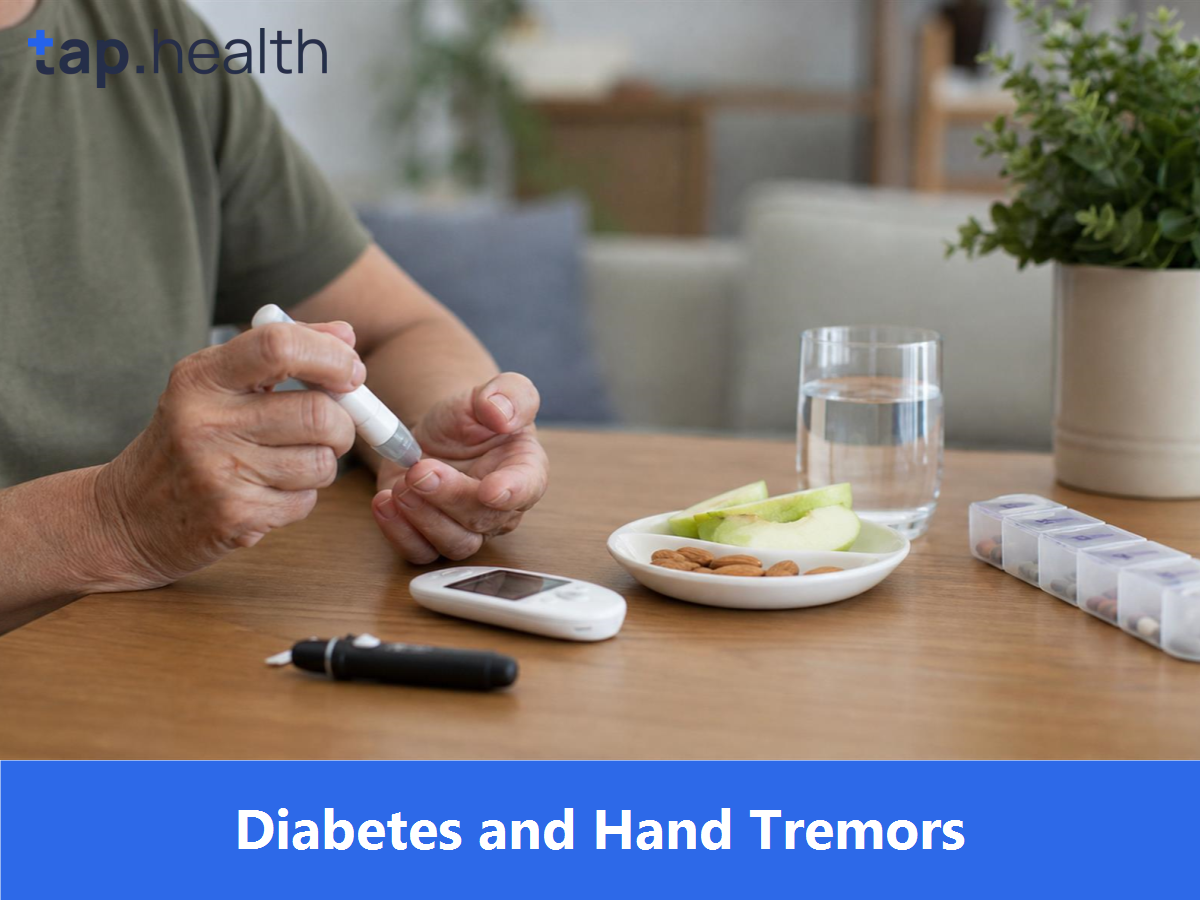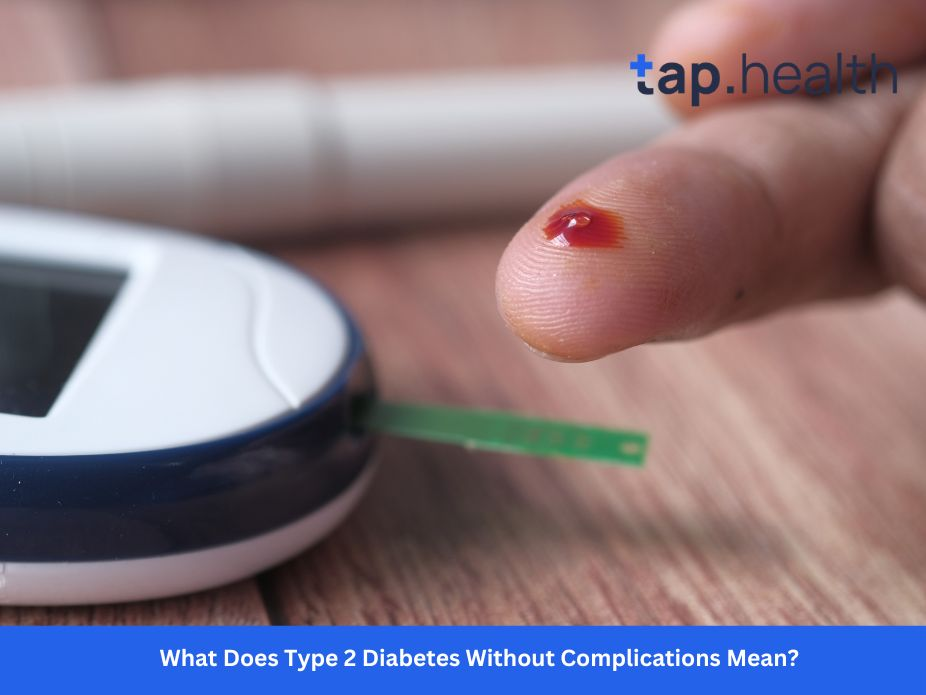
If you or a loved one has recently been diagnosed with type 2 diabetes, you may have heard your doctor use the phrase “without complications.” It can sound like a small, technical detail, but it is actually a very important and hopeful piece of information. Understanding exactly what this term means can help you feel more in control and give you a clear path forward.
In simple terms, having type 2 diabetes without complications means that while you have the condition, it has not yet caused any long-term damage to other parts of your body. Think of it as catching a problem early, before it has had a chance to create bigger issues elsewhere. Your blood sugar is high, and that needs to be managed, but your heart, kidneys, eyes, and nerves are all still functioning well without any signs of diabetes-related damage.
This article will walk you through everything you need to know about this stage of the condition. We will explore the medical definition, what the potential complications are that you want to avoid, and most importantly, the practical, evidence-based steps you can take right now to protect your long-term health and keep those complications at bay.
The Medical Definition: What “Without Complications” Really Means
In the world of medicine, precise language is important. It helps doctors, nurses, and insurance companies communicate clearly about a patient’s health status. The term “type 2 diabetes without complications” has a specific place in this system.
The ICD-10 Code E11.9
Every disease and medical condition is assigned a specific code in a global system called the International Classification of Diseases, 10th Revision (ICD-10). This is the standard that healthcare professionals use for diagnosis and billing. The specific code for type 2 diabetes mellitus without complications is E11.9. When you see this code on your medical records, it is a formal confirmation that you have been diagnosed with type 2 diabetes, but that a medical professional has determined there are currently no signs of the long-term health problems associated with the disease.
The Clinical Diagnosis
Beyond the code, what does the diagnosis mean in practice? It means that while your blood tests (like the HbA1c, fasting glucose, or oral glucose tolerance test) confirm you have diabetes, further examinations have not revealed any of the related issues. These examinations might include:
- An eye exam to look for diabetic retinopathy.
- Blood and urine tests to check your kidney function.
- A foot exam to test the sensation and look for signs of neuropathy or poor circulation.
- Checks of your blood pressure and cholesterol.
A diagnosis of “uncomplicated” type 2 diabetes is not a guarantee that you will never have problems. Instead, it is a critical window of opportunity. It is the time when you have the most power to influence the course of the disease and prevent or significantly delay the onset of complications.
A Look at the Complications You’re Working to Avoid
To fully appreciate what it means to have diabetes without complications, it helps to understand what you are trying to prevent. Long-term, uncontrolled high blood sugar can damage both large and small blood vessels throughout your body, leading to a range of serious health issues. Type 2 diabetes should never be regarded as a “mild” condition because it can lead to severe, life-altering problems if not properly managed.
The primary complications fall into several categories:
- Cardiovascular Disease (Heart Disease and Stroke): High blood glucose can damage the blood vessels and the nerves that control your heart. This significantly increases the risk of developing coronary heart disease, having a heart attack, or suffering a stroke. In fact, adults with diabetes are almost twice as likely to have heart disease or a stroke as adults without diabetes.
- Nerve Damage (Neuropathy): Over time, high blood sugar can injure the walls of the tiny blood vessels that nourish your nerves. This can lead to diabetic neuropathy, which often causes pain, tingling, and numbness, particularly in the legs and feet. This loss of sensation can be dangerous, as you may not notice a foot injury, which can then become infected and, in severe cases, lead to amputation.
- Kidney Disease (Nephropathy): The kidneys contain millions of tiny blood vessel clusters that filter waste from your blood. Diabetes can damage this delicate filtering system, leading to kidney disease (diabetic nephropathy) or even kidney failure.
- Eye Damage (Retinopathy): Diabetes can damage the blood vessels in the retina, the light-sensitive tissue at the back of your eye. This condition, called diabetic retinopathy, can lead to vision impairment and is a leading cause of blindness in adults.
- Foot Problems: The combination of poor circulation and nerve damage makes the feet particularly vulnerable. Even a small cut or blister can turn into a serious ulcer, which can be difficult to heal and may eventually require amputation.
The encouraging news is that by keeping your blood sugar, blood pressure, and cholesterol within a healthy range, you can dramatically reduce your risk of developing these complications. A diagnosis of “without complications” means you are at the starting line of this race, with every opportunity to stay ahead.
The Life Expectancy Question: How Long Can You Live with Type 2 Diabetes?
This is a question that weighs heavily on the mind of anyone newly diagnosed. It is important to address it with honesty and hope. Research shows that, on average, a diagnosis of type 2 diabetes can reduce life expectancy. The exact number of years depends heavily on the age at which you are diagnosed. For a person diagnosed at age 50, life expectancy may be about six years shorter than someone without diabetes.
However, these are just averages. They do not account for how well an individual manages their condition. The primary reason for this reduced life expectancy is the development of the complications we just discussed. Therefore, the single most powerful thing you can do to increase your life expectancy is to prevent those complications from ever happening. By managing your weight, blood pressure, blood sugar, and cholesterol, you can significantly lower your risk of early death and potentially live a long, full life that is very close to the average.
Can You Get Type 2 Diabetes Without Being Unhealthy?
There is a persistent and harmful myth that type 2 diabetes is a “lifestyle disease” that only affects people who are overweight or inactive. This is simply not true. While lifestyle factors like diet, exercise, and weight are significant risk factors, they are not the whole story. You can be at a perfectly healthy weight and still develop type 2 diabetes. This is sometimes called “lean diabetes.”
A combination of factors is usually responsible. These include:
- Genetics: A family history of diabetes is a strong risk factor. Your genes can influence how your body produces and uses insulin.
- Ethnicity: People of South Asian, African-Caribbean, and other certain ethnic backgrounds have a higher risk, even at lower body weights.
- Age: The risk of developing type 2 diabetes increases as you get older.
- Other Conditions: Conditions like Polycystic Ovary Syndrome (PCOS) or non-alcoholic fatty liver disease can also increase your risk, regardless of your weight.
It is estimated that around 10% to 15% of people with type 2 diabetes are at a healthy weight. The bottom line is that anyone can develop type 2 diabetes, and getting it is not a sign of personal failure or a judgment on your lifestyle. It is a complex metabolic condition with multiple contributing factors.
How to Prevent Complications: Your Action Plan
The diagnosis of “type 2 diabetes without complications” is your call to action. It is the moment to build a strong, proactive plan to protect your future health. The good news is that the steps you need to take are clear, well-researched, and highly effective.
1. Focus on Your Blood Sugar (Glucose) Control
This is the cornerstone of everything. The landmark UK Prospective Diabetes Study (UKPDS) proved that keeping blood sugar levels within a target range is one of the most powerful ways to slash the risk of kidney disease, heart attacks, and premature death in people with type 2 diabetes. Your doctor will help you set a personal target for your HbA1c (a measure of your average blood sugar over the past 2-3 months) and your daily blood sugar checks. The diagnostic threshold for diabetes is an HbA1c of 6.5% or higher, a fasting blood sugar of 126 mg/dL or higher, or a random blood sugar of 200 mg/dL or higher. The goal is to bring these numbers down into a healthy range and keep them there.
2. Manage Your Blood Pressure and Cholesterol
High blood sugar often travels with two other silent troublemakers: high blood pressure and unhealthy cholesterol levels. Managing these is just as important as managing your blood sugar. The same UKPDS study showed that controlling blood pressure along with blood sugar had a powerful combined effect in preventing complications. Your doctor will likely prescribe medications and recommend lifestyle changes to help you keep these numbers in check.
3. Adopt a Diabetes-Friendly Eating Pattern
There is no single “diabetic diet.” Instead, the focus should be on a sustainable, healthy eating pattern that works for you. The general principles are:
- Focus on whole foods: Emphasise vegetables, fruits, whole grains, lean proteins, and healthy fats.
- Manage carbohydrates: Carbohydrates have the biggest impact on your blood sugar. Learn to identify healthy carbs and spread your intake evenly throughout the day.
- Limit added sugars and processed foods: These can cause rapid spikes in blood sugar and offer little nutritional value.
- Watch your portions: Even healthy foods can raise blood sugar if you eat too much of them.
4. Get Regular Physical Activity
Exercise is a powerful tool. It helps your body use insulin more effectively, which lowers blood sugar. It also helps with weight management, improves heart health, and boosts your mood. Aim for at least 30 minutes of moderate-intensity aerobic activity (like brisk walking) most days of the week.
5. Attend All Your Diabetes Appointments and Tests
This is non-negotiable. Your regular check-ups are not just about getting your blood sugar checked. They are your surveillance system for catching any potential complications at their earliest, most treatable stage. This includes:
- HbA1c tests: Usually every 3-6 months.
- Blood pressure checks: At every visit.
- Cholesterol tests (lipid panel): At least once a year.
- Kidney function tests (urine and blood): At least once a year.
- Comprehensive foot exam: At least once a year to check for nerve damage and circulation problems.
- Dilated eye exam: At least once a year to check for diabetic retinopathy.
6. Consider Weight Loss if You Have Overweight
If you are carrying extra weight, losing even a modest amount can have a profound impact on your blood sugar control. In some cases, significant weight loss can even put type 2 diabetes into remission, meaning your blood sugar levels return to a normal range without the need for medication. Research suggests that losing 10-15% of your body weight can lead to significant improvements.
Real-Life Scenario: A Story of Proactive Management
To see how this works in practice, consider the story of Mr. Ravi, a 52-year-old bank manager from Hyderabad.
During a routine corporate health check-up, Mr. Ravi’s fasting blood sugar came back at 150 mg/dL. His HbA1c was 7.0%. He was overweight but had no other health complaints. His doctor explained that he had type 2 diabetes without complications. The doctor was very clear: “Mr. Ravi, you have diabetes, but the good news is that we’ve caught it before it has caused any damage to your heart, kidneys, or eyes. We have a golden opportunity here.”
Applying the Action Plan:
- Focus on Blood Sugar: Mr. Ravi’s doctor prescribed metformin, a common and effective diabetes medication. He also gave him a glucometer and taught him how to check his blood sugar at home.
- Lifestyle Changes: Mr. Ravi was referred to a dietitian who helped him understand how to manage his carbohydrate intake, especially his beloved daily rice. He started taking a 30-minute walk every evening after work.
- Regular Monitoring: He committed to attending all his follow-up appointments for blood tests, foot exams, and an annual eye check.
Six months later, Mr. Ravi had lost 8 kilograms. His HbA1c had dropped to 6.0%, and his daily blood sugar readings were consistently within the normal range. His doctor was thrilled. Mr. Ravi had effectively turned his diagnosis around. He still has type 2 diabetes, but he is managing it so well that his risk of future complications has plummeted. He is a perfect example of how a “without complications” diagnosis can be a powerful catalyst for positive, life-extending change.
Expert Contribution
The consensus among leading health organisations is clear and empowering. The Centers for Disease Control and Prevention (CDC) states that keeping your blood sugar levels close to your target will help you prevent or delay diabetes complications. Furthermore, the UK Prospective Diabetes Study (UKPDS) provided the foundational evidence that good management of blood sugar and blood pressure is key to slashing the risk of kidney disease, heart attacks, and early death.
Diabetes UK reinforces this message, stating unequivocally that there is no such thing as mild diabetes, as all types are serious and can lead to severe complications if not managed. This expert consensus underscores that a “without complications” diagnosis is not a reason to be complacent, but rather a call to empowered, proactive action.
Recommendations Grounded in Proven Research and Facts
Based on the scientific evidence reviewed in this article, here are clear, actionable recommendations for anyone with a diagnosis of type 2 diabetes without complications:
- View Your Diagnosis as a Powerful Window of Opportunity. You are at a stage where you have the most control. Use this time to build habits that will protect your health for decades to come.
- Partner with Your Healthcare Team. Your doctor, diabetes educator, and dietitian are your coaches. Work with them to set realistic, personalised goals for your blood sugar, blood pressure, and cholesterol.
- Master the “Big Three” of Management: Focus relentlessly on managing your blood glucose, blood pressure, and cholesterol. These are the three pillars of complication prevention.
- Make Lifestyle Changes That Stick. Focus on sustainable changes to your diet and activity levels, rather than short-term, extreme measures. Aim for progress, not perfection.
- Do Not Skip Your Check-Ups. Your annual eye, foot, and kidney checks are not optional. They are your early warning system for catching and treating problems before they become serious.
- Educate Yourself and Your Family. The more you understand about your condition, the more empowered you will be to manage it effectively. Knowledge is a powerful tool against fear and uncertainty.
Key Takeaways
- “Type 2 diabetes without complications” means you have the condition, but it has not yet caused long-term damage to your organs, such as your heart, kidneys, eyes, or nerves. This is formally coded as ICD-10 E11.9.
- This diagnosis is a critical window of opportunity to prevent or delay the onset of serious health problems through proactive management.
- Potential complications include cardiovascular disease, nerve damage, kidney disease, and eye damage. These are not inevitable, and their risk can be dramatically reduced.
- You can develop type 2 diabetes even if you are at a healthy weight, as genetics and other factors play a significant role.
- The key to staying “without complications” is a combination of managing blood sugar, blood pressure, and cholesterol, along with healthy lifestyle habits like a balanced diet and regular exercise.
- It is also crucial to attend all your regular diabetes check-ups, which serve as essential screening tools to catch any early signs of complications.
Frequently Asked Questions (FAQs)
Q1: What is type 2 diabetes without complications?
A: It is a diagnosis that confirms a person has type 2 diabetes, but there is no evidence of the long-term health problems often associated with the disease, such as damage to the eyes, kidneys, nerves, or heart. It means the condition has not yet caused secondary damage to other parts of the body.
Q2: Can type 2 diabetes be reversed?
A: Type 2 diabetes cannot be “cured” in the traditional sense, but it can be put into remission. This means that with significant lifestyle changes, particularly weight loss, a person’s blood sugar levels can return to a normal range without the need for medication. This state can be maintained as long as the lifestyle changes are sustained.
Q3: Is type 2 diabetes dangerous if there are no complications?
A: While the immediate danger may seem lower, it is still a serious condition that requires diligent management. Uncontrolled high blood sugar, even without complications, can still cause symptoms like fatigue, slow wound healing, and increased infections. More importantly, without proper care, it will inevitably lead to the development of serious complications over time.
Q4: Can you get type 2 diabetes without being unhealthy?
A: Yes, absolutely. While lifestyle factors like diet and weight are major risk factors, genetics, ethnicity, and age also play a powerful role. It is estimated that 10-15% of people with type 2 diabetes are at a healthy weight, a condition sometimes referred to as “lean diabetes”.
Q5: How is type 2 diabetes without complications diagnosed?
A: The diagnosis is made when a person’s blood tests (like HbA1c, fasting glucose, or oral glucose tolerance test) confirm they have diabetes, but clinical examinations and other tests (such as eye exams, kidney function tests, and foot exams) show no signs of diabetes-related damage to the body’s organs.
Q6: What are the normal blood sugar ranges for type 2 diabetes?
A: A diabetes diagnosis is made when the HbA1c is 6.5% or higher, fasting blood sugar is 126 mg/dL (7.0 mmol/L) or higher on two separate tests, or a random blood sugar is 200 mg/dL (11.1 mmol/L) or higher. The goal of treatment is to bring these numbers down into a normal or near-normal range, as defined by your doctor.
Q7: How often should I get checked for complications?
A: Guidelines recommend at least an annual check for most complications. This includes a comprehensive foot exam, a dilated eye exam, and blood and urine tests to check kidney function. Your blood pressure should be checked at every appointment, and your cholesterol should be checked at least once a year.
Q8: What is the most important thing I can do to stay without complications?
A: The single most important thing is to achieve and maintain good control of your blood sugar, blood pressure, and cholesterol. This powerful combination, achieved through a combination of medication and healthy lifestyle choices, is the cornerstone of preventing long-term complications, as proven by major clinical trials.
References
- Medical News Today. Type 2 diabetes: With and without complications. 2022. https://www.medicalnewstoday.com/articles/type-2-diabetes-mellitus-without-complications
- ICD10Data.com. *2026 ICD-10-CM Diagnosis Code E11.9: Type 2 diabetes mellitus without complications*. https://www.icd10data.com/ICD10CM/Codes/E00-E89/E08-E13/E11-/E11.9
- gesund.bund.de. *ICD-Code E11.9: Type 2 diabetes mellitus Without complications*. https://gesund.bund.de/en/icd-code-suche/e11-9
- NHS. Complications of type 2 diabetes. 2025. https://www.nhs.uk/content-widgets/health-a-to-z/type-2-diabetes/complications
- NHS My Diabetes My Way. What is Type 2 Diabetes? 2026. https://mydiabetesmyway.scot.nhs.uk/resources/internal/what-is-type-2-diabetes/
- Diabetes UK. Research on reducing the risk of complications. https://www.diabetes.org.uk/our-research/about-our-research/our-impact/reducing-risk-of-complications
- Diabetes UK. Diabetes misconceptions and frequently asked questions. https://www.diabetes.org.uk/about-diabetes/diabetes-misconceptions-and-faqs