Gallstones are a common health issue that can cause significant discomfort if not addressed. Understanding how gallstones form, their types, causes, and preventive measures is crucial for maintaining gallbladder health. This blog explores the gallstone formation process, symptoms, risk factors, diagnostic methods, treatments, and lifestyle changes to prevent their occurrence.
What Are Gallstones and How Do They Form?
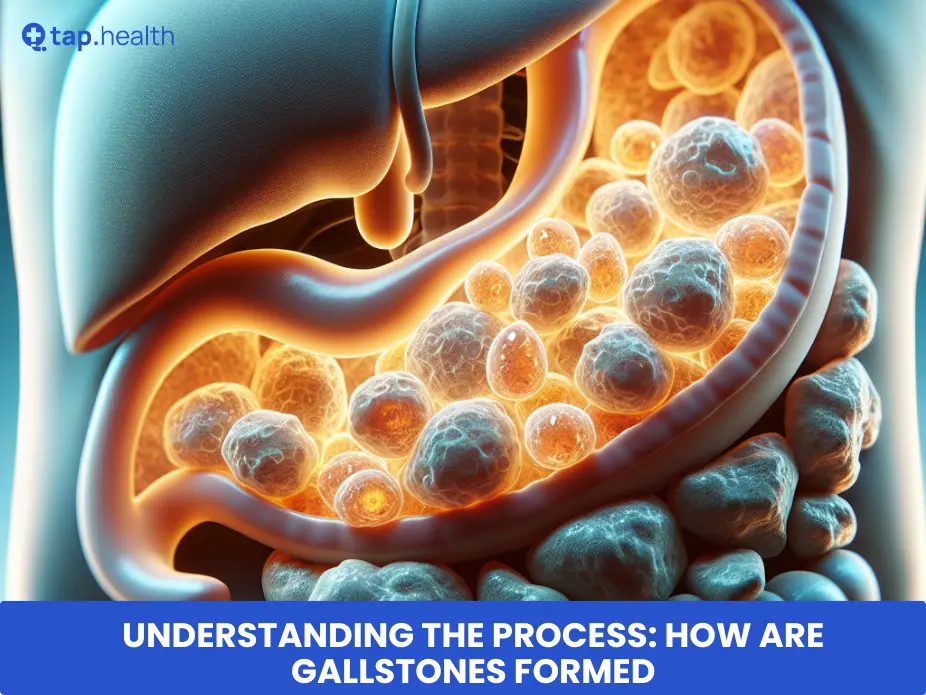
Gallstones are solid, pebble-like formations in the gallbladder, a small organ beneath the liver that stores bile, a digestive fluid. They develop when bile components—cholesterol, bile salts, and bilirubin—become imbalanced, leading to crystal formation. These crystals can grow into gallstones, ranging from sand-grain size to as large as a golf ball.
Gallstones primarily form due to:
- Excess cholesterol in bile, leading to cholesterol stones.
- High bilirubin levels, resulting in pigment stones.
Understanding the gallstone formation process is key to identifying risks and taking preventive actions to avoid complications like pain or infections.
Types of Gallstones
Gallstones are classified into two main types based on their composition:
- Cholesterol Stones:
- Most common, making up about 80% of gallstones.
- Form when bile contains too much cholesterol or insufficient bile salts, causing cholesterol to crystallize.
- Appear yellow-green in color.
- Pigment Stones:
- Less common, formed from excess bilirubin and calcium salts.
- Typically brown or black, often linked to liver diseases or bile duct infections.
Knowing the type of gallstone is critical for determining the appropriate treatment approach, as each type may require different management strategies.
The Gallstone Formation Process
The formation of gallstones is a multi-step process triggered by an imbalance in bile components. Here’s how it happens:
- Bile Imbalance:
- Bile, produced by the liver, contains cholesterol, bile salts, and bilirubin.
- When cholesterol levels are too high or bile salts are too low, cholesterol crystallizes, forming cholesterol stones.
- Excess bilirubin, often from red blood cell breakdown, leads to pigment stone formation.
- Crystal Growth:
- Tiny crystals form in the gallbladder, starting as small as sand grains.
- Over time, these crystals can grow larger, potentially causing blockages in bile ducts.
- Blockages and Complications:
- Large gallstones can obstruct bile ducts, leading to pain, inflammation, or infections like cholecystitis.
Understanding this process helps in recognizing early signs and taking steps to prevent gallstone-related issues.
Key Factors Contributing to Gallstone Formation
Several factors increase the likelihood of gallstone formation, including:
- Diet and Lifestyle:
- Diets high in cholesterol and low in fiber can elevate bile cholesterol levels.
- Rapid weight loss, such as after bariatric surgery, disrupts bile balance, increasing gallstone risk.
- Sedentary lifestyles and obesity are also significant contributors.
- Genetic Predisposition:
- Family history of gallstones increases risk.
- Certain ethnic groups, like Native Americans, have a higher predisposition.
- Medical Conditions:
- Conditions like cirrhosis, sickle cell anemia, and diabetes elevate bilirubin levels or disrupt bile flow.
- Hormonal Factors:
- High estrogen levels from pregnancy, birth control pills, or hormone replacement therapy can increase cholesterol in bile.
- Age and Gender:
- Women over 40 are at higher risk due to hormonal changes.
By addressing these risk factors, individuals can significantly reduce their chances of developing gallstones.
Recognizing Gallstone Symptoms
Gallstone symptoms vary in intensity and may not always be present. Common signs include:
- Abdominal Pain: Sharp, sudden pain in the upper right abdomen or center, often after eating fatty meals.
- Back or Shoulder Pain: Discomfort radiating to the back or right shoulder.
- Nausea and Vomiting: Often triggered by greasy or heavy foods.
- Jaundice: Yellowing of the skin or eyes, indicating a bile duct blockage.
- Digestive Issues: Bloating, gas, or intolerance to fatty foods.
A gallbladder attack, characterized by intense pain lasting over 15 minutes, requires immediate medical attention. Persistent symptoms like fever, chills, or jaundice may signal complications such as infections or bile duct obstruction.
When to Seek Medical Attention
Seek immediate medical help if you experience:
- Severe abdominal pain lasting over 15 minutes.
- Fever, chills, or jaundice.
- Persistent nausea, vomiting, or dizziness.
- Unexplained weight loss or recurring symptoms.
These signs may indicate serious complications like gallbladder inflammation, infection, or bile duct blockage, requiring prompt intervention.
Diagnosing Gallstones
Accurate diagnosis is essential for effective gallstone management. Common diagnostic methods include:
- Ultrasound:
- Uses sound waves to visualize gallstones, identifying their size and location.
- Non-invasive and widely used.
- CT Scan:
- Provides detailed images of the gallbladder and bile ducts.
- Blood Tests:
- Check for elevated bilirubin or signs of infection.
- HIDA Scan:
- Assesses gallbladder function and bile flow.
- ERCP:
- Combines endoscopy and X-rays to examine and treat bile duct blockages.
These techniques help doctors confirm gallstone presence, assess their impact, and plan appropriate treatment.
Treatment Options for Gallstones
Treatment depends on symptom severity and overall health. Options include:
- Surgical Treatment:
- Laparoscopic Cholecystectomy: The most common procedure, removing the gallbladder through small incisions.
- Benefits include quicker recovery and minimal scarring.
- May be combined with ERCP to address bile duct stones.
- Non-Surgical Treatments:
- Medications: Drugs like Chenodiol or Ursodiol dissolve small cholesterol stones over months or years.
- Extracorporeal Shock Wave Lithotripsy (ESWL): Breaks stones into smaller pieces for easier passage, used in specific cases.
Non-surgical options are typically considered when surgery is not viable, but they may not prevent recurrence.
Preventing Gallstones: Diet and Lifestyle Tips
Preventing gallstones involves adopting healthy habits to maintain bile balance and overall health. Key strategies include:
- Healthy Diet:
- Increase fiber intake with vegetables, whole grains, and fruits.
- Choose healthy fats from nuts, olive oil, and fish.
- Limit processed foods, sugars, and unhealthy fats.
- Gradual Weight Loss:
- Avoid rapid weight loss, which can disrupt bile composition.
- Aim for steady weight loss of 1-2 pounds per week.
- Regular Exercise:
- Engage in 30 minutes of physical activity most days to maintain a healthy weight.
- Consistent Meal Timing:
- Avoid skipping meals or fasting, which can increase gallstone risk.
- Medication Awareness:
- Consult a doctor about medications like birth control pills, which may elevate risk.
These changes can significantly lower the likelihood of gallstone formation and promote digestive health.
FAQs About Gallstone Formation
1. Can diet alone prevent gallstones? While a healthy diet rich in fiber and low in cholesterol and unhealthy fats reduces gallstone risk, it cannot guarantee prevention. Regular exercise and gradual weight loss also play crucial roles.
2. What is the likelihood of gallstones recurring after treatment? Gallstones may recur if underlying causes, like poor diet or obesity, are not addressed. Lifestyle changes significantly lower recurrence rates.
3. How long is recovery after gallstone surgery? Recovery from laparoscopic cholecystectomy typically takes about one week for normal activities, with full recovery in a few weeks, depending on individual health and post-operative care.
Conclusion
Gallstones form due to imbalances in bile components, leading to cholesterol or pigment stones that can cause pain and complications. Understanding the gallstone formation process, recognizing symptoms, and addressing risk factors like diet, weight, and genetics are essential for prevention and management. Diagnostic tools like ultrasound and treatments such as laparoscopic cholecystectomy offer effective solutions, while lifestyle changes can significantly reduce risk. By staying proactive, you can maintain gallbladder health and avoid gallstone-related issues.