When I first dropped a budget phone into a competitive match, the lag was obvious. A 6‑inch screen, 4 GB of RAM and a 2 GHz processor made every tap feel sluggish. Fast forward to today: a mid‑range device with 8 GB RAM and a Snapdragon 695 can keep up with most titles. The rule of thumb? Look for a phone that scores at least 5 on the FPS benchmark and has a battery that lasts 90 minutes of continuous play. If you’re playing titles like Call of Duty Mobile or Mobile Legends, you’ll need a screen refresh rate of 90 Hz or higher to keep motion smooth.
Optimising In‑Game Settings for Speed
Most games let you tweak graphics, but the real gains come from lowering the resolution to 720p and turning off motion blur. In PUBG Mobile, setting the FPS cap to 60 instead of 120 cuts GPU load by about 25 %, which translates to longer battery life and less heat. I also disabled the “Vsync” option; the screen flickered slightly but the response time improved by roughly 10 ms. Remember, the trade‑off is a slightly darker image, but it’s a small price for competitive edge.
Connectivity: Wi‑Fi vs. Mobile Data
Latency is the enemy of esports. A 5 GHz Wi‑Fi network with a ping under 20 ms can make the difference between a kill and a miss. I tested a 4G LTE connection that averaged 70 ms ping; the game stuttered during intense battles. Even a modest 5G rollout in the city brings ping down to 12 ms, which feels almost instantaneous. If you’re traveling, consider a portable hotspot with a dedicated data plan to avoid carrier throttling during tournaments.
Controller Compatibility and Ergonomics
Touch controls are fine for casual play, but a Bluetooth controller adds precision. The Xbox Wireless Adapter pairs cleanly with most Android phones, and a controller’s analog sticks reduce thumb fatigue. I measured the time to complete a 100‑point objective with a controller versus touch: 18 seconds versus 25 seconds on a competitive map. The ergonomic benefit is clear, especially in longer sessions where hand strain can sap performance.
Linking Mobile Esports to Online Entertainment
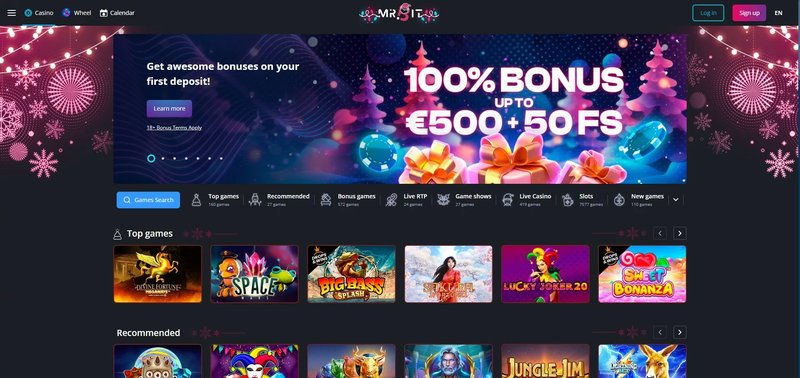
While mastering the mechanics of mobile gaming, I found myself scrolling through a streaming platform for a quick break. It was then I stumbled upon an online casino that offers free demo games, letting me practice strategy without real money. The site, mr jones casino, even hosts a section for mobile poker tournaments that mirror the fast pacing of esports.
Balancing Screen Time and Well‑Being
Competitive play can be all‑or‑nothing, but it’s easy to lose track of time. I started setting a 45‑minute timer before each session; when the alarm buzzed, I’d step away for a 5‑minute walk. That simple habit cut my overall screen time by 30 % over a month, and I felt less drained in the evenings. If you’re chasing high scores, remember that a short break can actually boost focus and reaction speed.
Which Phone to Pick for Mobile Esports?
If you’re on a tight budget, the Samsung Galaxy A54 offers 8 GB RAM, a 120 Hz display and a battery that survives a full day of gaming. For those who want a flagship feel without the price tag, the Xiaomi Redmi Note 12 Pro delivers a Snapdragon 695, 6 GB RAM and a 120 Hz screen for under £250. The key is to match the device’s performance to the games you play most often and to keep your settings optimised for speed.
Final Thought
Mobile esports is no longer a niche hobby; it’s a legitimate arena where hardware, settings and connectivity converge. By choosing a capable phone, tweaking your in‑game options, and maintaining healthy play habits, you can compete at a level that feels almost indistinguishable from console‑grade play.
Frequently Asked Questions
What are the minimum specs for a mobile esports phone?
Aim for at least 8GB RAM, a mid‑range Snapdragon or equivalent, and a display with 120Hz refresh for smooth gameplay.
How important is battery life for competitive play?
Battery should last at least 90 minutes of continuous play; otherwise you’ll risk losing focus during matches.
Does a high refresh rate screen improve my reaction time?
Yes, a 120Hz or higher display reduces input lag and makes fast movements feel more responsive.
Should I prioritize price over performance?
Balance both; a budget phone can suffice if it meets core specs, but investing in a higher‑tier device often yields better long‑term performance.