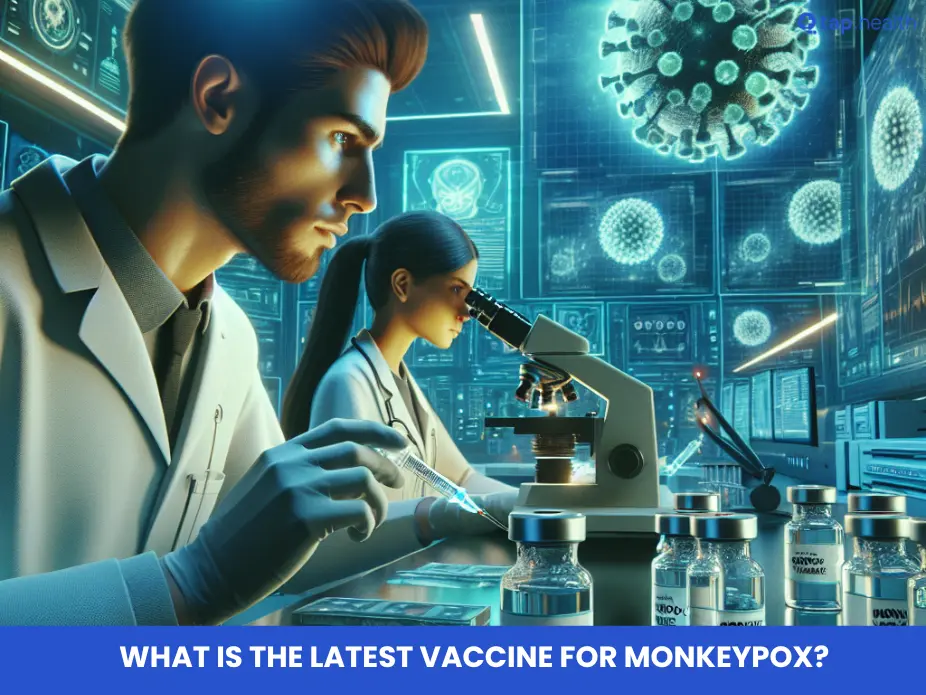
Monkeypox, now commonly referred to as mpox, has emerged as a significant global health concern. With its rising cases worldwide, including in India, the demand for effective vaccines and preventive measures has intensified. This blog explores the latest advancements in monkeypox vaccination, focusing on the MVA-BN vaccine, its efficacy, safety, and distribution in India, while addressing key public health strategies to control the spread of mpox. By understanding the vaccine and its role, we can better protect ourselves and our communities.
Understanding Monkeypox: Symptoms and Transmission
What Is Monkeypox?
Monkeypox is a zoonotic viral disease, initially identified in Africa, but now a global health issue. It belongs to the same family as smallpox, which has informed the development of vaccines. In India, while cases remain relatively low, the presence of mpox underscores the need for vigilance and preventive action.
Common Symptoms of Mpox
Recognizing mpox symptoms is critical for early detection:
- Flu-like symptoms: Fever, headache, muscle aches, and fatigue.
- Swollen lymph nodes: A distinguishing feature of mpox.
- Rash and lesions: Starts as flat sores, progresses to fluid-filled blisters, and forms scabs. These appear on the face, hands, feet, or genital areas.
How Does Monkeypox Spread?
Mpox primarily spreads through:
- Close physical contact: Direct skin-to-skin contact with an infected person’s rash or lesions.
- Contaminated objects: Touching infected items like bedding or clothing.
- Animal contact: Exposure to infected animals.
Preventive measures, such as avoiding contact with infected individuals and maintaining hygiene, are essential to curb transmission.
The Latest Vaccine for Monkeypox: MVA-BN
What Is the MVA-BN Vaccine?
The MVA-BN vaccine, also known as Imvamune or Jynneos, is the latest vaccine approved for monkeypox in countries like the United States, Canada, and parts of Europe. Originally developed for smallpox, it offers cross-protection against mpox due to the viruses’ similarities. Administered in two doses, MVA-BN has shown promising results in preventing mpox infection.
How Does the MVA-BN Vaccine Work?
The MVA-BN vaccine uses a live, attenuated vaccinia virus, a safer relative of the monkeypox virus. When administered, it triggers the immune system to produce antibodies that recognize and neutralize the vaccinia virus. These antibodies also target the monkeypox virus, providing robust protection. This cross-immunity is a cornerstone of mpox vaccination.
Comparison with Other Vaccines
| Vaccine | Type | Doses | Use |
|---|---|---|---|
| MVA-BN | Live, attenuated | 2 doses | Monkeypox and smallpox |
| ACAM2000 | Live-virus | 1 dose | Smallpox, limited mpox use |
MVA-BN is preferred for its improved safety profile, making it suitable for a broader population.
Efficacy and Safety of the Monkeypox Vaccine
How Effective Is the MVA-BN Vaccine?
Clinical trials and real-world data confirm that the MVA-BN vaccine is highly effective in preventing monkeypox. It significantly reduces the risk of infection, though breakthrough cases (mild infections post-vaccination) can occur. Combining vaccination with preventive measures enhances protection.
Are There Side Effects?
The MVA-BN vaccine is generally safe, with mild and temporary side effects, including:
- Injection site reactions: Redness, swelling, or pain.
- General symptoms: Fatigue, muscle aches, or low-grade fever.
Severe side effects are rare, but individuals should report any unusual symptoms to their healthcare provider for further evaluation.
Safety for Specific Groups
The safety of MVA-BN for children and pregnant women is still under study. Those in these groups should consult healthcare providers to weigh the risks and benefits before vaccination.
Monkeypox Vaccination in India
Availability and Distribution
In India, mpox vaccination is prioritized for high-risk groups, including:
- Healthcare workers
- Laboratory personnel
- Individuals in close contact with confirmed cases
The Indian government is collaborating with global health organizations to secure vaccine supplies and ensure equitable distribution. As global production ramps up, access is expected to improve.
Government Policies on Vaccine Access
The Indian government has implemented targeted policies to address the mpox outbreak:
- Prioritizing high-risk groups due to limited initial vaccine supplies.
- Monitoring global trends to align with WHO recommendations.
- Scaling up distribution as vaccine availability increases.
These policies aim to protect public health while ensuring fair access.
Challenges in Vaccine Distribution
Distributing mpox vaccines in India faces several hurdles:
- Global demand: High worldwide demand strains vaccine supplies.
- Logistical issues: Ensuring timely delivery to remote and underserved areas.
- Vaccine hesitancy: Misinformation can deter uptake.
Addressing these challenges requires clear communication, community engagement, and collaboration between government, healthcare providers, and local communities.
Public Health Strategies to Combat Monkeypox
Role of Vaccination in Outbreak Control
Vaccination is a cornerstone of mpox prevention. The 2022-2023 global outbreak demonstrated that smallpox-derived vaccines, like MVA-BN, significantly reduced infection rates and outbreak severity. By vaccinating high-risk groups, such as healthcare workers and close contacts, transmission chains can be broken, preventing larger outbreaks.
Additional Preventive Measures
Health authorities recommend combining vaccination with other preventive strategies:
- Avoid close contact: Stay away from individuals with visible lesions.
- Maintain hygiene: Wash hands frequently with soap or use alcohol-based sanitizers.
- Disinfect surfaces: Regularly clean high-touch areas.
- Avoid animal contact: Steer clear of animals that may carry the virus.
Public education campaigns are vital to raise awareness about these measures.
Why Vaccination Matters for Global Health
The success of smallpox eradication highlights the power of vaccination in controlling viral diseases. By leveraging smallpox vaccines for mpox, we gain a head start in managing outbreaks. Vaccination not only protects individuals but also reduces community transmission, safeguarding public health.
Frequently Asked Questions About Monkeypox Vaccines
1. What is the name of the latest vaccine for monkeypox?
The MVA-BN vaccine (Imvamune or Jynneos) is the latest approved vaccine for monkeypox, offering protection through cross-immunity with smallpox.
2. How can I get vaccinated for monkeypox in India?
High-risk individuals can access the vaccine through local health authorities or healthcare providers. Contact your local health department for eligibility and availability.
3. Are there side effects of the monkeypox vaccine?
Most side effects are mild, such as injection site pain, redness, or fatigue. Severe reactions are rare but should be reported to a healthcare provider.
4. How effective is the monkeypox vaccine?
The MVA-BN vaccine is highly effective, significantly reducing infection risk. However, breakthrough cases may occur, so continue practicing preventive measures.
5. Can children and pregnant women receive the monkeypox vaccine?
Safety data for children and pregnant women is limited. Consult a healthcare provider to discuss potential risks and benefits.
Conclusion
The MVA-BN vaccine represents a critical tool in combating monkeypox, offering effective protection through cross-immunity with smallpox. In India, targeted vaccination efforts, combined with public health strategies, are key to controlling mpox outbreaks. By staying informed, adopting preventive measures, and considering vaccination, individuals can contribute to a safer, healthier community. Stay proactive, consult healthcare providers, and follow updates from trusted sources like the WHO and CDC to protect yourself and others.