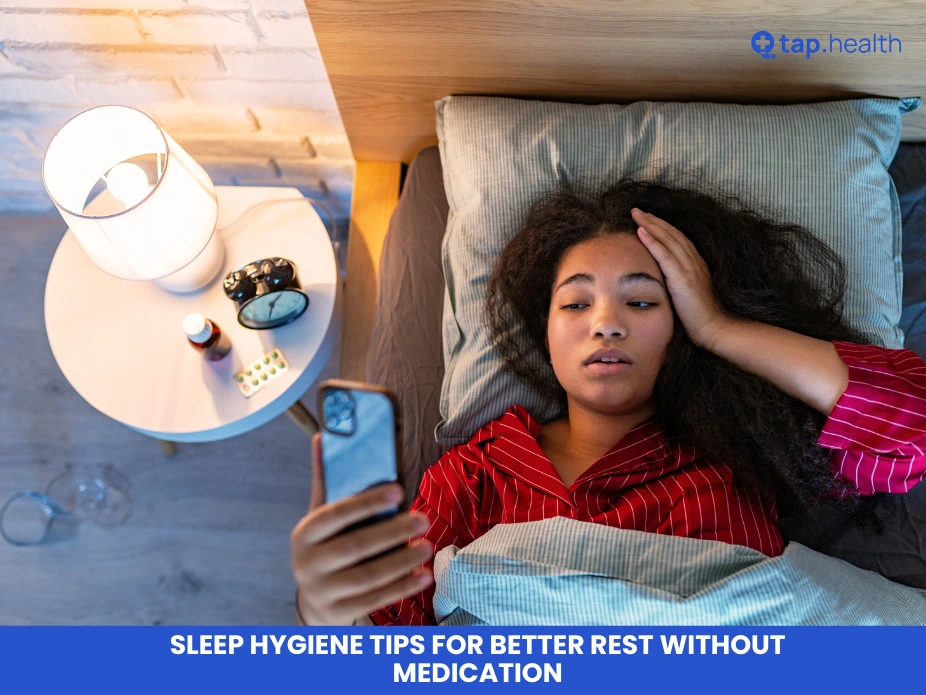
Achieving restful sleep without medication is possible through effective sleep hygiene practices. Good sleep hygiene involves daily habits and environmental adjustments that promote deeper, uninterrupted rest. This comprehensive guide explores evidence-based strategies to enhance sleep quality, regulate your circadian rhythm, and support overall well-being.
What Is Sleep Hygiene and Why Does It Matter?
Sleep hygiene refers to a collection of behaviors and environmental factors that encourage consistent, high-quality sleep. Unlike sleeping pills, these natural approaches address root causes of sleep disturbances without side effects.
Quality sleep supports immune function, heart health, weight management, cognitive performance, mood stability, and daily productivity. Poor sleep increases risks of chronic diseases, emotional instability, and accidents. By prioritizing sleep hygiene, you can experience deeper restorative sleep cycles and improved daytime alertness.
How to Maintain a Consistent Sleep Schedule
A regular sleep-wake cycle is the foundation of good sleep hygiene.
Question: How can I establish a consistent sleep schedule?
Answer: Go to bed and wake up at the same time every day, including weekends. Even after a poor night, resist sleeping in. This strengthens your circadian rhythm, making it easier to fall asleep naturally and wake refreshed.
Exposure to morning natural light further reinforces this internal clock.
Creating a Relaxing Bedtime Routine for Better Rest
A wind-down routine signals your body that sleep is approaching.
Question: What are effective relaxation techniques before bed?
Answer: Engage in calming activities like reading, taking a warm bath, gentle yoga, deep breathing, progressive muscle relaxation, or mindfulness meditation. Avoid stimulating discussions or intense work. Start your routine 30–60 minutes before bedtime for optimal results.
Optimizing Your Sleep Environment for Quality Rest
Your bedroom should be a sleep sanctuary.
Question: Why is a cool, dark, and quiet bedroom important?
Answer: Darkness boosts melatonin production, while a cooler temperature (around 60–67°F) helps lower core body temperature for faster sleep onset. Use blackout curtains, earplugs, or a white noise machine to eliminate light and noise disruptions. Invest in a supportive mattress and pillows suited to your sleeping position.
Limiting Screen Time and Blue Light Exposure
Electronic devices are common sleep disruptors.
Question: How does screen time affect sleep quality?
Answer: Blue light suppresses melatonin, delaying sleep onset. Stop using phones, tablets, and computers at least one hour before bed. If necessary, enable night mode or wear blue light-blocking glasses.
Mindful Eating and Drinking Habits for Better Sleep
Diet directly influences sleep patterns.
Question: How does diet impact sleep?
Answer: Avoid caffeine after early afternoon and nicotine entirely in the evening. Limit alcohol—it may help you fall asleep initially but fragments later sleep stages. Skip heavy or spicy meals close to bedtime. Choose light, sleep-promoting snacks like bananas, almonds, or chamomile tea if hungry.
The Role of Exercise in Improving Sleep Quality
Physical activity is a powerful sleep enhancer.
Question: Can regular exercise improve sleep?
Answer: Yes. Aim for at least 30 minutes of moderate exercise most days. Morning or afternoon workouts are ideal. Avoid vigorous activity within 3–4 hours of bedtime, as it can be overly stimulating.
Managing Daytime Naps and Natural Light Exposure
Strategic light and nap management support circadian alignment.
Question: Should I nap during the day?
Answer: Keep naps short (20–30 minutes) and early (before 3 PM). Long or late naps interfere with nighttime sleep drive.
Spend time outdoors in natural daylight, especially mornings, to regulate your internal clock and boost evening sleepiness.
Handling Stress and Anxiety to Promote Restful Sleep
Mental tension is a leading cause of insomnia.
Question: How can I reduce stress and anxiety for better sleep?
Answer: Practice daily stress management through journaling, meditation, or talking with someone. Before bed, write down worries to clear your mind. Techniques like 4-7-8 breathing or body scans effectively calm racing thoughts.
Real-Life Examples of Successful Sleep Hygiene Changes
Emma, a stressed professional, adopted blackout curtains, limited screens, and a fixed bedtime—resulting in faster sleep onset and higher energy.
John, a shift worker, used bright light during nights, maintained schedule consistency on days off, and cut evening caffeine—reducing chronic fatigue.
Lisa, working remotely, created workspace boundaries, practiced evening meditation, and dimmed lights—restoring work-life balance and restful nights.
Expert Insights on Natural Sleep Improvement
Sleep specialist Dr. Sarah Johnson emphasizes consistent schedules to regulate the body clock.
Clinical psychologist Dr. Michael Lee recommends relaxation techniques to combat anxiety-related insomnia.
Certified sleep coach Emily Thompson highlights the impact of bedroom temperature, noise reduction, and comfortable bedding.
Nutritionist Dr. Robert Martin advises avoiding disruptive foods and beverages near bedtime.
When to Seek Professional Help for Sleep Issues
Question: When should I see a doctor about sleep problems?
Answer: If insomnia persists despite good sleep hygiene, or if you experience excessive daytime sleepiness, loud snoring, or significant life disruption, consult a healthcare provider. Cognitive Behavioral Therapy for Insomnia (CBT-I) is a highly effective non-medication treatment.
Building Your Personalized Sleep Hygiene Plan
Track current habits with a sleep diary for one week.
Identify problem areas (inconsistent schedule, late screens, etc.).
Set achievable goals: fall asleep within 20 minutes, wake refreshed.
Start with 2–3 changes, such as fixed bedtime and no screens after 9 PM.
Monitor progress weekly and adjust as needed.
Sample daily plan:
- Morning: 15 minutes sunlight, balanced breakfast
- Afternoon: Short walk, no caffeine after 2 PM
- Evening: 30-minute wind-down with reading or stretching
- Night: Cool, dark bedroom; consistent bedtime
Frequently Asked Questions About Sleep Hygiene
What is the science behind circadian rhythm disruption?
Irregular schedules and artificial light confuse your internal clock, reducing melatonin and sleep quality.
Is waking up at night normal?
Brief awakenings are common. Frequent or prolonged ones may signal issues.
How long does it take to see sleep hygiene improvements?
Many notice benefits within 2–4 weeks of consistent practice.
Can natural light exposure really help shift workers?
Yes—timed bright light therapy aligns sleep-wake cycles with unusual schedules.
Final Thoughts on Achieving Better Rest Naturally
Improving sleep through proper hygiene is a gradual, sustainable process. Small, consistent changes compound into deeper, more restorative sleep without reliance on medication. Prioritize your sleep environment, daily routines, and stress management to unlock better physical health, mental clarity, emotional balance, and overall quality of life. Start tonight—one habit at a time—and enjoy the transformative power of natural, restful sleep.
References:
- Harvard Medical School: Improving Sleep Quality
- Mayo Clinic: Sleep Tips
- Journal of Occupational Health Psychology: Effects of Sleep Hygiene on Stress
- Centers for Disease Control and Prevention: Sleep and Health
- National Institutes of Health: Sleep and Mental Health
- Sleep Medicine Reviews: Impact of Sleep Hygiene on Sleep Quality