What Defines a Low-Carb Diet for Blood Sugar Control?
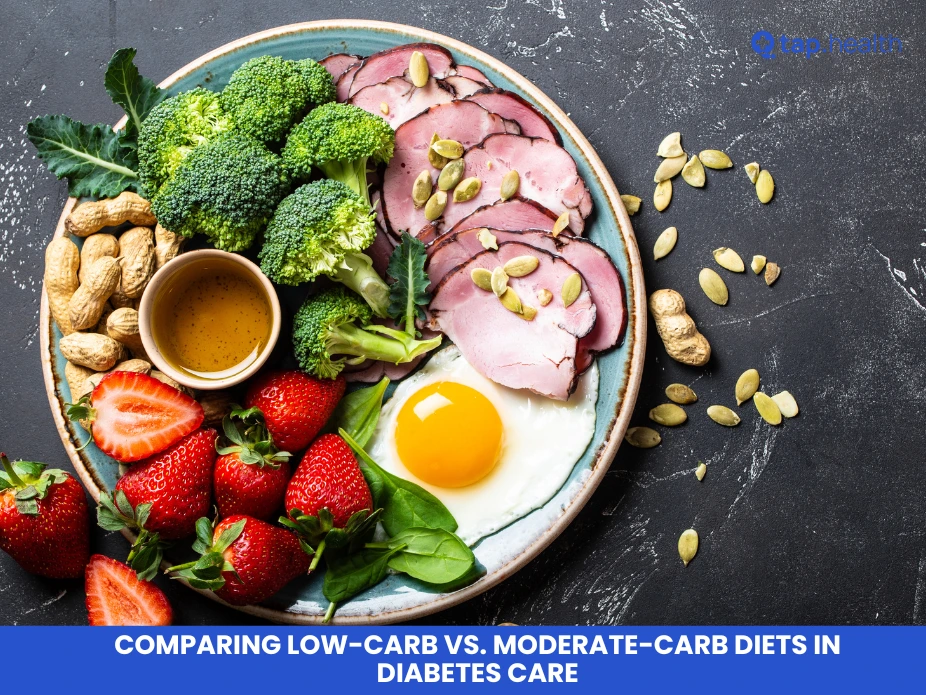
A low-carb diet limits carbs to 20-50 grams daily. It shifts energy from glucose to fat burning. Focus on proteins, healthy fats, non-starchy vegetables. Key foods: eggs, poultry, fish, leafy greens, avocado, olive oil, nuts, seeds. Ideal for rapid glycemic control in insulin resistance.
What is a Moderate-Carb Diet for Insulin Sensitivity?
Moderate-carb allows 100-150 grams carbs from whole sources. Balances macros, avoids refined sugars. Includes quinoa, brown rice, apples, berries, legumes, lentils, lean proteins, healthy fats. Supports steady energy, long-term adherence in diabetes management.
How Low-Carb vs Moderate-Carb Impacts Diabetes Management
Blood Sugar Control: Low-Carb Reduces Spikes, Moderate-Carb Stabilizes
Low-carb minimizes post-meal glucose spikes, lowers insulin needs, promotes stable levels. Moderate-carb provides balanced glucose via steady energy, prevents extremes.
Insulin Sensitivity Improvement Strategies
Low-carb enhances sensitivity by cutting glucose intake, effective for insulin resistance. Moderate-carb boosts response with exercise, balanced nutrients.
Weight Management in Diabetes: Rapid vs Sustainable Loss
Low-carb drives quick weight loss from water reduction, lower calories. Moderate-carb enables gradual, maintainable loss for long-term diabetes care.
Benefits of Low-Carb Diet in Glycemic Control
- Rapid blood sugar improvement.
- Less medication reliance.
- Potential ketosis for metabolic advantages.
Benefits of Moderate-Carb Diet for Dietary Adherence
- Easier sustainability.
- Wider food variety.
- Better nutrition, energy support.
Drawbacks of Low-Carb vs Moderate-Carb for Diabetes Patients
Low-Carb Challenges: Sustainability and Nutrient Deficiencies
Restrictive, hard to maintain. Risks nutrient gaps, adaptation fatigue, brain fog.
Moderate-Carb Drawbacks: Slower Results and Overeating Risks
Slower blood sugar drop. Whole carbs can hinder if overeaten. Less immediate weight loss.
Real-Life Diabetes Scenarios: Low-Carb vs Moderate-Carb Applications
Newly Diagnosed: Low-Carb for Quick Stabilization
45-year-old John starts low-carb post-diagnosis. Blood sugar stabilizes fast, meds reduce. Struggles with limited choices in meal planning.
Long-Term Management: Moderate-Carb for Energy Balance
60-year-old Maria with decade-long Type 2 diabetes chooses moderate-carb. Whole grains, legumes maintain energy, adherence without deprivation.
Busy Lifestyle: Moderate-Carb for Flexibility
35-year-old Alex finds low-carb too rigid for travel. Moderate-carb allows varied meals, effective blood sugar control.
Expert Insights on Low-Carb vs Moderate-Carb Effectiveness
Nutritionist Views on Personalization in Diabetes Diets
“Both work with consistency, preference,” says RD Sarah Lane. Low-carb for rapid results; moderate-carb suits diverse lifestyles.
Endocrinologist Perspective on Early vs Long-Term Control
Dr. Mark Wilson: Low-carb excels early; moderate-carb sustainable for ongoing health.
Research on HbA1c Reductions and Adherence Rates
Dr. Linda Green: Studies show similar HbA1c drops; higher adherence in moderate-carb.
Who Should Choose Low-Carb for Diabetes?
- Rapid blood sugar improvements needed.
- Strict regimen motivation.
- Weight loss with diabetes management.
Who Benefits from Moderate-Carb in Insulin Resistance?
- Long-term sustainability focus.
- Dietary variety preference.
- Active lifestyles needing energy.
Proven Strategies for Success in Low-Carb or Moderate-Carb Plans
- Monitor blood sugar regularly for response.
- Consult nutritionist, doctor for tailoring.
- Combine with exercise for amplified insulin sensitivity, weight benefits.
Scientific Evidence Supporting Low-Carb vs Moderate-Carb
Low-Carb Evidence: Glycemic Control Studies
2018 Lancet Public Health study: Significant improvements, reduced medications. Read the study.
Moderate-Carb Evidence: Long-Term Adherence Meta-Analysis
2020 Diabetes Care meta-analysis: Comparable HbA1c, better sticking rates. Read the study.
Practical Takeaways for Diabetes Diet Choice
Both effective for blood sugar; select based on goals, lifestyle. Sustainable plan wins long-term.
FAQs: Low-Carb vs Moderate-Carb Diets in Diabetes Care
Which Diet Offers Faster Blood Sugar Control?
Low-carb yields quicker results via glucose reduction.
Can You Switch Between Low-Carb and Moderate-Carb?
Yes—start low-carb for benefits, transition moderate for maintenance.
What Risks Come with Low-Carb Diets?
Fatigue, deficiencies, keto flu during adaptation.
How Does Exercise Enhance These Diets?
Improves insulin sensitivity, aids weight management in both.
Better for Type 1 or Type 2 Diabetes?
Adaptable to both; medical guidance essential.
Conclusion: Choosing Between Low-Carb and Moderate-Carb for Optimal Diabetes Care
Low-carb shines in quick glucose control, initial weight loss. Moderate-carb provides sustainability, variety. Personal goals, preferences, adherence determine success. Consult professionals, track progress, integrate exercise. Explore more at taphealth and diabetes blog for tailored insights.