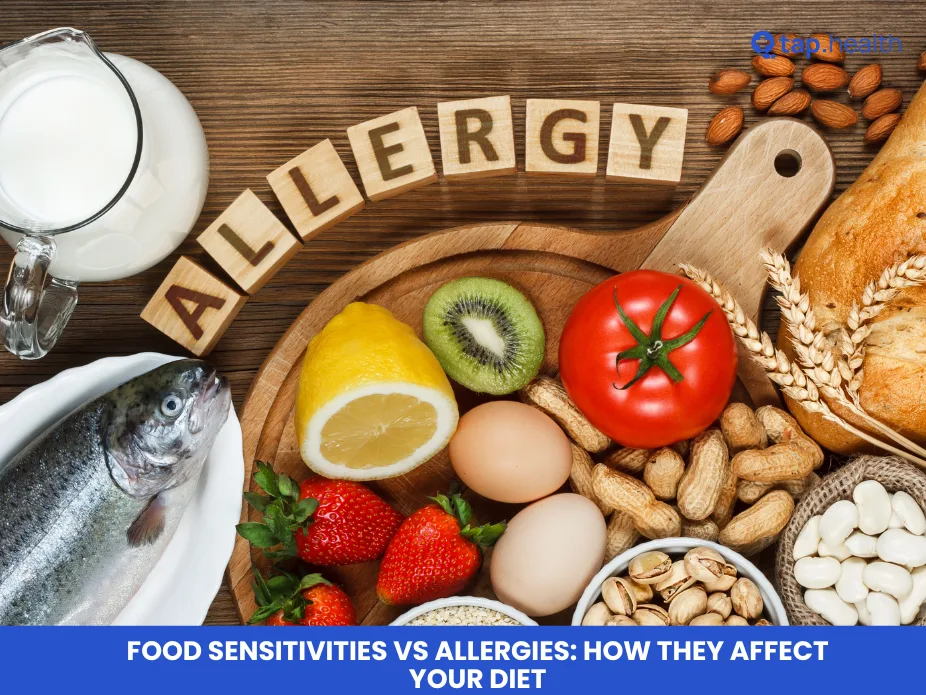
Food Sensitivities vs Allergies: Understanding the Core Differences
Many people feel unwell after eating certain foods but aren’t sure whether it’s a food sensitivity (intolerance) or a true food allergy. These two conditions are often confused, yet they involve completely different body systems and require different management strategies.
What Is Food Sensitivity or Food Intolerance?
Food sensitivity, also known as food intolerance, is a digestive issue—not an immune reaction. Your body struggles to break down or process specific food components, leading to uncomfortable but rarely dangerous symptoms.
Common symptoms of food sensitivities include:
- Bloating and gas
- Abdominal pain or cramps
- Diarrhea or loose stools
- Nausea
- Headaches and fatigue
Popular examples of food sensitivities:
- Lactose intolerance (inability to digest milk sugar)
- Non-celiac gluten sensitivity
- Fructose malabsorption
- Histamine intolerance
What Is a True Food Allergy?
A food allergy is an immune system overreaction. When you eat even a tiny amount of the trigger food, your body releases IgE antibodies, histamine, and other chemicals, which can cause rapid and sometimes severe symptoms.
Typical food allergy symptoms appear within minutes to two hours:
- Hives, itching, or skin rash
- Swelling of lips, face, or throat
- Wheezing or difficulty breathing
- Vomiting
- Anaphylaxis (life-threatening drop in blood pressure and airway closure)
The top food allergens include peanuts, tree nuts, shellfish, fish, milk, eggs, wheat, soy, and sesame.
Quick Comparison: Food Sensitivity vs Food Allergy
| Aspect | Food Sensitivity/Intolerance | Food Allergy |
|---|---|---|
| Body system involved | Digestive system | Immune system (IgE-mediated) |
| Onset of symptoms | Hours to days | Minutes to 2 hours |
| Severity | Uncomfortable but not dangerous | Can be life-threatening |
| Amount needed to trigger | Larger amounts usually required | Trace amounts can trigger |
| Common tests | Elimination diet, breath tests | Skin prick or blood IgE tests |
| Management | Reduce or avoid + enzyme support | Strict avoidance + epinephrine |
How Food Sensitivities Affect Your Daily Diet
If you have lactose intolerance, switching to lactose-free milk or taking lactase enzymes usually solves the problem. For gluten sensitivity, choosing naturally gluten-free grains (rice, quinoa, oats labeled gluten-free) brings relief without the strict rules needed for celiac disease. Fructose malabsorption responds well to a low-FODMAP approach under professional guidance.
How Food Allergies Change Your Eating Habits
True allergies demand 100% avoidance and constant label reading. Cross-contamination is a real risk—even a shared toaster or fryer can cause a reaction. Many people carry an epinephrine auto-injector (EpiPen or Auvi-Q) at all times and inform restaurants and friends about their allergy.
Real-Life Examples That Show the Difference
Sarah noticed bloating and fatigue every time she ate ice cream or cheese. An elimination diet revealed lactose intolerance. She now enjoys lactose-free products and feels energetic again—no emergency room visits required.
Mike, however, ate a cookie baked in a facility that processes peanuts and within 10 minutes had hives, throat tightness, and needed his epinephrine. His peanut allergy means total avoidance and always carrying two auto-injectors.
Can Food Intolerance Turn Into an Allergy?
No. The mechanisms are completely separate. A sensitivity won’t “evolve” into an IgE-mediated allergy, though symptoms of either condition can worsen if ignored.
Can You Develop Food Sensitivities or Allergies Later in Life?
Yes—both can appear at any age. Lactose intolerance often increases after age 30–40. Adults can also suddenly develop shellfish or tree-nut allergies.
Testing Options for Food Sensitivities and Allergies
- Food allergy: Skin-prick tests, specific IgE blood tests, or medically supervised oral food challenges.
- Food sensitivity: Hydrogen breath tests (lactose/fructose), structured elimination and reintroduction diets guided by a dietitian, or symptom journaling.
Practical Management Tips
- Keep a detailed food-symptom diary for at least two weeks.
- Work with a registered dietitian or allergist instead of self-diagnosing.
- Read every label every time—manufacturing practices can change.
- Learn safe substitutes (almond milk, oat milk, aquafaba for eggs, etc.).
- Teach family and friends how to use an epinephrine auto-injector if you have allergies.
How Can TapHealth Help You Manage Diabetes and Food Sensitivities Together?
Living with both diabetes and food sensitivities (or allergies) adds extra complexity to meal planning. TapHealth’s continuous glucose monitoring insights combined with personalized nutrition coaching make it easier to identify trigger foods without spiking your blood sugar. Get clarity on how lactose, gluten, or histamine affects both your gut and your glucose levels—all in one platform.