Does Botox Cause Cancer? Separating Facts from Myths
Botox remains one of the most popular anti-aging treatments worldwide. Yet many people search “Can Botox cause cancer?”, “Is Botox safe long term?”, or “Botox cancer risk 2025”. This blog answers all these concerns with current scientific evidence, expert insights, and real Indian patient experiences.
What Exactly is Botox and How Does It Work?
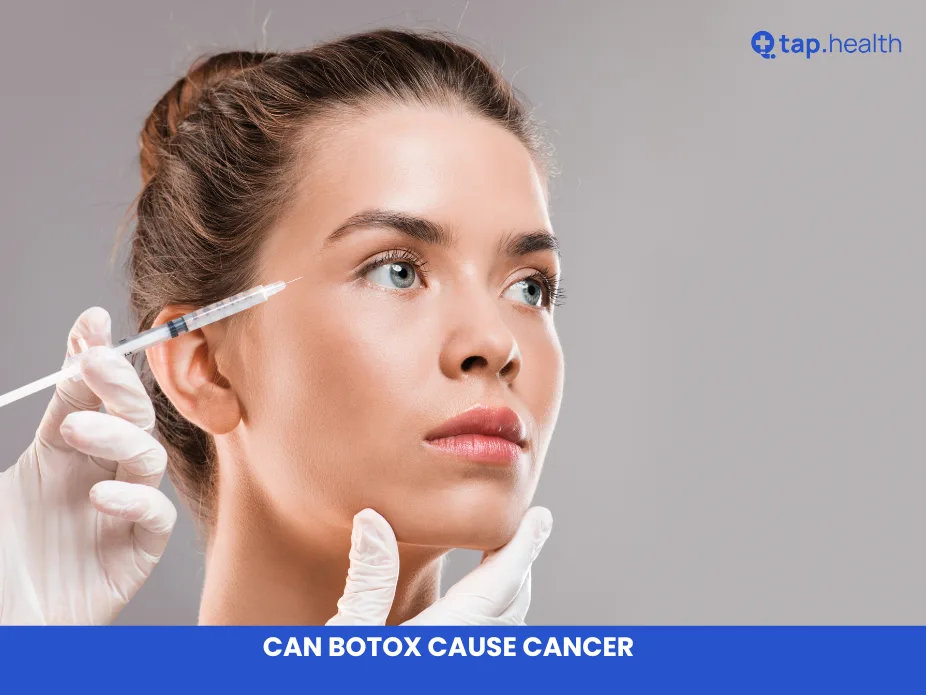
Botox is the brand name for botulinum toxin type A, a purified protein derived from Clostridium botulinum bacteria. When injected in tiny therapeutic doses, it temporarily blocks nerve signals to muscles, relaxing them. This smooths dynamic wrinkles (crow’s feet, forehead lines, frown lines) and also treats medical conditions like chronic migraines, excessive sweating, and muscle spasms.
Is There Any Scientific Link Between Botox and Cancer Risk?
No credible scientific evidence shows that Botox causes cancer.
- American Cancer Society (ACS): Explicitly states there is no evidence that Botox injections increase cancer risk.
- National Institutes of Health (NIH): Decades of research and published studies show zero association between botulinum toxin and oncogenesis.
- U.S. FDA: Botox (onabotulinumtoxinA) is approved since 1989 with ongoing post-marketing surveillance. No cancer signal has ever been identified in millions of patients.
- International Consensus: European Medicines Agency (EMA), UK MHRA, and Indian CDSCO all maintain the same safety profile—no carcinogenic potential.
Long-term studies following patients for 10–20 years continue to confirm safety with no elevated cancer rates compared to the general population.
Why Do People Still Worry About Botox Causing Cancer?
Misinformation spreads fast online. Common triggers include:
- Confusion between botulinum toxin (highly diluted, safe) and botulism food poisoning (life-threatening).
- Unverified social media claims or poorly interpreted animal studies using mega-doses thousands of times higher than human cosmetic doses.
- Mixing up Botox with dermal fillers—some fillers (not Botox) had rare reports of delayed inflammation, wrongly blamed on botulinum toxin.
Real-Life Indian Patient Experiences: Botox Safety in Action
Case 1 – Priya, 38, Mumbai Priya started Botox for crow’s feet at age 35. After three years she read a viral post claiming “Botox causes breast cancer”. She panicked and stopped treatments. Her dermatologist showed her the latest 2024–2025 studies—no link found. Priya resumed Botox confidently and now enjoys wrinkle-free skin at 41 with zero health issues.
Case 2 – Rohan, 52, Bangalore Rohan receives Botox every four months for cervical dystonia. A relative forwarded a WhatsApp message about “toxin buildup causing cancer”. His neurologist at NIMHANS clarified that the dose is microscopic and fully metabolized within months. Rohan continues treatment and reports better quality of life.
What Leading Indian Experts Say About Botox and Cancer Risk
Dr. Rashmi Shetty, Celebrity Dermatologist, Mumbai: “We have used Botox safely in India for over 20 years. Not a single verified case links cosmetic or therapeutic Botox to cancer.”
Dr. Jaishree Sharad, Cosmetic Dermatologist: “The cancer fear is a myth. Choose board-certified doctors and genuine products—that’s all the safety you need.”
Dr. Rinky Kapoor, Cosmetic Dermatologist & Onco-Dermatology Expert: “As someone who sees cancer patients daily, I can confidently say Botox does not appear in any oncology risk factor list.”
Evidence-Based Tips to Use Botox Safely
- Always choose a board-certified dermatologist or plastic surgeon.
- Verify the product is authentic Allergan Botox (check hologram & batch number).
- Start with conservative doses—less is more.
- Space treatments 3–6 months apart.
- Inform your doctor about any history of neurological conditions or cancer.
- Avoid fake clinics and unbelievably cheap offers.
Final Verdict: Is Botox Carcinogenic?
No. Current global scientific consensus (2025) confirms Botox does not cause cancer when used correctly.
Can Botox Help Manage Symptoms in Diabetes Patients?
Emerging studies show Botox injections can reduce diabetic neuropathy pain and help with gastroparesis in type 2 diabetes patients. Always discuss with your endocrinologist. For safe aesthetic & medical treatments, visit TapHealth—your trusted partner in science-backed wellness.
These organizations offer comprehensive information on Botox, cancer, and overall health.
FAQ on Can Botox cause cancer?
Can Botox cause cancer?
No, there is no scientific evidence linking Botox to cancer. Botox is considered safe when administered by qualified professionals.
What is Botox used for?
Botox is used for cosmetic purposes to reduce wrinkles and for medical treatments such as managing chronic migraines, excessive sweating, and muscle spasms.
How does Botox work?
Botox works by blocking nerve signals to muscles, causing them to relax. This helps reduce the appearance of wrinkles and alleviate certain medical conditions.
Is Botox safe for everyone?
Botox is generally safe for most people when administered by a trained professional. However, it may not be suitable for individuals with certain medical conditions or allergies. Always consult a healthcare provider before starting Botox treatments.
What are the side effects of Botox?
Common side effects include temporary pain at the injection site, bruising, and headache. Rare side effects may include muscle weakness and allergic reactions.
How long does Botox last?
The effects of Botox typically last between 3 to 6 months, after which treatments can be repeated to maintain the desired results.
Can Botox be used for medical conditions?
Yes, Botox is used to treat various medical conditions such as chronic migraines, excessive sweating (hyperhidrosis), muscle spasms, and certain bladder disorders.
How is Botox administered?
Botox is administered through small injections directly into the targeted muscles or areas. The procedure is quick and usually performed in a healthcare provider’s office.
What should I expect during a Botox treatment?
During a Botox treatment, a healthcare provider will inject small amounts of Botox into specific areas using a fine needle. The procedure is relatively quick and typically takes about 10-15 minutes.
Can Botox prevent wrinkles?
Botox can reduce the appearance of existing wrinkles by relaxing the muscles that cause them. While it does not prevent wrinkles from forming, regular treatments can slow their development.
Are there alternatives to Botox?
Yes, alternatives to Botox include dermal fillers, laser therapy, chemical peels, and other cosmetic treatments aimed at reducing wrinkles and improving skin appearance.
How much does Botox cost?
The cost of Botox varies depending on the area being treated, the number of injections required, and the provider’s fees. It’s best to consult with a healthcare provider for an accurate estimate.
Is Botox addictive?
No, Botox is not addictive. It is a temporary treatment that needs to be repeated every few months to maintain its effects.
Can Botox treatments affect my facial expressions?
When administered correctly, Botox can smooth out wrinkles without significantly affecting facial expressions. Overuse or improper administration can lead to a “frozen” appearance.
What qualifications should a Botox provider have?
A qualified Botox provider should be a licensed medical professional, such as a dermatologist, plastic surgeon, or trained nurse practitioner, with experience in administering Botox injections.