tap.health logo
  • Diabetes Management
  • Health Assistant
  • About Us
  • Blog
  • Contact Us
Get Plan
  • Diabetes Management
  • Health Assistant
  • About Us
  • Blog
  • Contact Us
  • All Blogs
  • Product
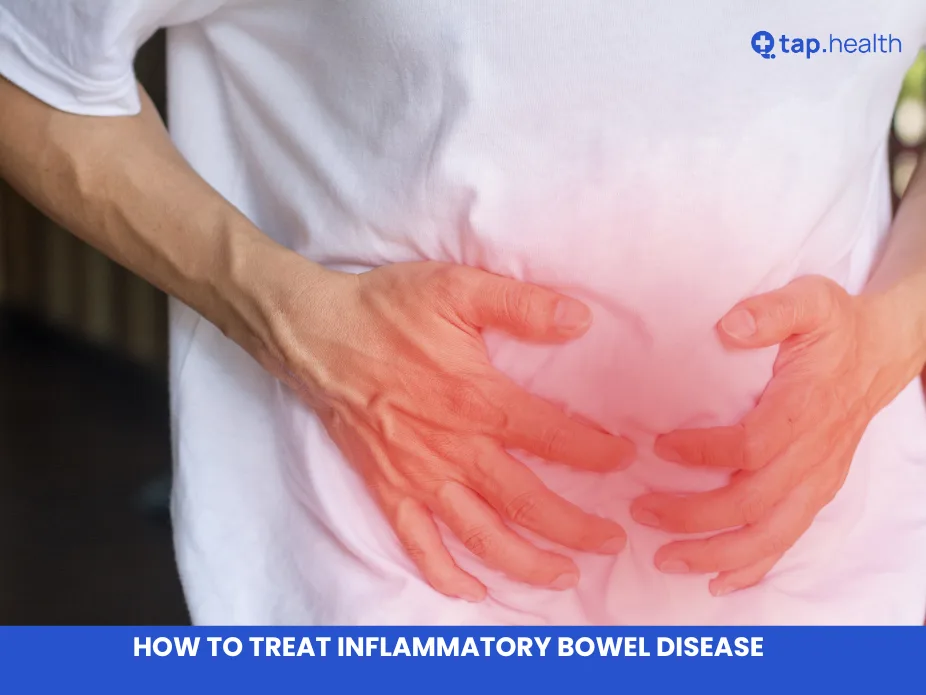
  • How to Treat Inflammatory Bowel Disease?

How to Treat Inflammatory Bowel Disease?

Product
January 10, 2025
• 4 min read
Yasaswini Vajupeyajula
Written by
Yasaswini Vajupeyajula
ChatGPT Perplexity WhatsApp LinkedIn X Grok Google AI
how to treat inflammatory bowel disease​

Inflammatory Bowel Disease (IBD) is a chronic condition that affects millions worldwide. It includes conditions like Crohn’s disease and ulcerative colitis, which cause inflammation in the digestive tract. Managing IBD can feel overwhelming, but with the right approach, you can lead a fulfilling life while keeping symptoms in check.

In this guide, we’ll explore effective ways to treat IBD, blending medical interventions, lifestyle changes, and dietary strategies to give you the tools to take control.

Understanding Inflammatory Bowel Disease

IBD is an umbrella term for disorders characterized by inflammation in the gastrointestinal (GI) tract. While the exact cause remains unclear, factors like genetics, immune system malfunctions, and environmental triggers are believed to play a role.

Common Symptoms of IBD

  • Persistent diarrhea
  • Abdominal pain and cramping
  • Blood in the stool
  • Fatigue
  • Weight loss

The severity of symptoms varies, and they often come and go in cycles of flare-ups and remission.

Medical Treatments for IBD

Effective treatment often involves a combination of medications, therapies, and, in severe cases, surgery.

1. Medications

Medications are the cornerstone of IBD treatment. They aim to reduce inflammation, manage symptoms, and prevent flare-ups.

Common Types of Medications:

  • Aminosalicylates (5-ASAs): Reduce inflammation in the lining of the intestines.
  • Corticosteroids: Provide quick relief during flare-ups by suppressing inflammation.
  • Immunosuppressants: Calm the overactive immune response.
  • Biologics: Target specific proteins in the immune system to reduce inflammation.
  • Antibiotics: Address infections that may trigger or worsen IBD.

2. Surgical Interventions

In severe cases, surgery may be necessary to remove damaged sections of the digestive tract or address complications like fistulas and strictures.

Example: Shalini, a 35-year-old from Delhi, underwent surgery to remove a narrowed section of her intestine after years of struggling with Crohn’s disease. Post-surgery, her quality of life improved significantly, and she experienced fewer flare-ups.

Dietary Strategies for IBD

Diet plays a crucial role in managing IBD symptoms. While there’s no one-size-fits-all approach, identifying trigger foods and adopting an anti-inflammatory diet can help.

1. Low-FODMAP Diet

This diet eliminates fermentable carbohydrates that can irritate the gut, reducing symptoms like bloating and diarrhea.

2. High-Fiber Foods (During Remission)

In remission, fiber-rich foods like oats, bananas, and cooked vegetables promote gut health. However, during flare-ups, a low-fiber diet is recommended.

3. Probiotics and Prebiotics

Foods like yogurt, kefir, and garlic support a healthy gut microbiome, which can help regulate inflammation.

Lifestyle Changes to Manage IBD

Lifestyle adjustments can significantly improve the quality of life for people with IBD.

1. Stress Management

Stress is a major trigger for flare-ups. Incorporate relaxation techniques like yoga, meditation, or deep breathing exercises into your routine.

Example: Ramesh, a software engineer from Bengaluru, started practicing mindfulness meditation daily to manage his stress levels. Over time, he noticed fewer flare-ups and improved digestion.

2. Regular Exercise

Low-impact exercises like walking, swimming, and cycling improve overall health without straining the digestive system.

3. Adequate Sleep

A lack of sleep can worsen inflammation. Aim for 7-8 hours of quality sleep every night.

Real-Life Scenarios

Case Study 1: Meena’s Balanced Approach

Meena, a teacher from Chennai, was diagnosed with ulcerative colitis. Her treatment plan included biologics, a low-FODMAP diet, and yoga classes. This holistic approach helped her achieve remission and maintain a higher energy level for her busy teaching schedule.

Case Study 2: Arjun’s Diet Overhaul

Arjun, a college student in Pune, struggled with frequent flare-ups of Crohn’s disease. After consulting a dietitian, he switched to a gut-friendly diet rich in soft-cooked vegetables, lean proteins, and probiotics. This change reduced his symptoms and improved his weight management.

Expert Contributions

Insights from Dr. Priya Nair, Gastroenterologist

Dr. Priya Nair, a renowned gastroenterologist from Mumbai, emphasizes, “IBD is a complex condition that requires a tailored treatment plan. While medications and surgery play an essential role, dietary adjustments and stress management are equally important for long-term relief.”

[Source: Indian Journal of Gastroenterology, 2023]

Recommendations Grounded in Proven Research and Facts

  1. Monitor Symptoms: Keep a symptom diary to track flare-ups and identify potential triggers.
  2. Stay Hydrated: Dehydration can worsen symptoms, so drink plenty of fluids.
  3. Work with Specialists: Collaborate with gastroenterologists, dietitians, and mental health professionals for comprehensive care.
  4. Limit Processed Foods: Reduce intake of processed and high-fat foods, which can irritate the gut.
  5. Stay Up-to-Date on Treatments: Advances in biologics and personalized medicine are improving outcomes for IBD patients.

Factual and Reliable Information

Key Facts About IBD

  • IBD affects over 10 million people worldwide, with increasing prevalence in urban areas.
  • Studies in the Journal of Gastroenterology highlight that combining biologics with dietary changes significantly reduces symptoms in 70% of patients.
  • Regular exercise improves overall health and reduces inflammation markers in IBD patients.

FAQs About How to Treat Inflammatory Bowel Disease

1. Can IBD be cured?

IBD cannot be cured, but effective treatments can help achieve long-term remission and manage symptoms.

2. Is diet alone enough to treat IBD?

While diet plays a critical role in symptom management, it works best when combined with medical treatments.

3. Are biologics safe for IBD treatment?

Yes, biologics are effective and generally safe, but they should be administered under the guidance of a healthcare professional.

4. Can stress cause IBD?

Stress doesn’t cause IBD but can trigger or worsen symptoms. Stress management is crucial in treatment plans.

5. What foods should I avoid during a flare-up?

Avoid high-fiber foods, dairy, spicy dishes, and caffeine during flare-ups, as they can irritate the gut.


Final Thoughts: How to Treat Inflammatory Bowel Disease

Managing IBD is a journey that involves a combination of medical treatments, dietary adjustments, and lifestyle changes. By understanding your condition and working closely with healthcare professionals, you can reduce symptoms, prevent flare-ups, and improve your quality of life.

If you’re living with IBD, remember that small, consistent efforts—like maintaining a food diary, staying active, and managing stress—can lead to significant improvements. With the right support and strategies, you can regain control and live life to the fullest.

Tags
A1C test diabetes heart health diabetic retinopathy fruit and blood sugar type 1 diabetes how to lower HbA1c diabetic breakfast ideas post-meal blood sugar Indian diabetes plate foods for diabetes shopping diabetes and alcohol low blood sugar at night diabetes excessive thirst insulin site rotation why diabetes is considered as a lifestyle disease blood pressure diabetes eye test rice and diabetes type 1 diabetes symptoms fasting sugar normal range PCOS and diabetes blood sugar after food diabetes portion control diabetes kidney tests alcohol blood sugar diabetes diabetes sweating at night diabetes dry mouth insulin lumps Medicine lifestyle diabetes cholesterol diabetes kidney care can diabetics eat rice insulin diabetes high fasting blood sugar PCOS insulin resistance postprandial glucose low glycaemic index foods for diabetes urine albumin diabetes can diabetics drink alcohol diabetes headache frequent urination diabetes diabetes weight gain Health type 2 diabetes lifestyle disease living with diabetes diabetic kidney disease diabetes diet India prediabetes diet reverse prediabetes naturally PCOS diabetes risk dawn phenomenon diabetes low GI foods India eGFR diabetes diabetes and dizziness high blood sugar headache diabetes fatigue diabetes and weight gain Lifestyle exercise and diabetes diabetes habits kidney tests diabetes morning blood sugar prediabetes food prediabetes reversal gestational diabetes diet Indian morning sugar high diabetes low GI diet diabetes and dental problems dizziness diabetes low blood sugar headache diabetes tiredness insulin weight gain Home remedies blood sugar control diabetes management high blood sugar symptoms fasting sugar high lower diabetes risk how to prevent type 2 diabetes pregnancy diabetes diet high fasting sugar in morning diabetes and fatty liver diabetes gum disease low sugar dizziness blood sugar monitoring at home high blood sugar tiredness diabetes swollen feet Fitness physical activity insulin resistance hyperglycemia symptoms dawn phenomenon diabetes and weight loss insulin resistance diet gestational diabetes meal plan diabetes and cholesterol fatty liver diabetes dry mouth diabetes diabetes leg pain when to check blood sugar diabetes constipation swollen feet diabetes Prevention diabetes foot care insulin sensitivity diabetes warning signs diabetes myths weight loss diabetes Indian foods for insulin resistance diabetic foot ulcer diabetes lipid profile insulin resistance fatty liver diabetes urine infection diabetic leg cramps blood glucose monitoring diabetes and constipation diabetes foot swelling Hygiene diabetic foot type 2 diabetes risk normal blood sugar levels diabetes facts insulin resistance weight loss improve insulin sensitivity diabetes foot wound cholesterol in diabetes diabetes skin problems frequent UTI diabetes diabetes nerve pain legs metformin for diabetes constipation diabetes Ailments foot health diabetes and sleep fasting blood sugar diabetes misconceptions diabetes medicine safety diabetic neuropathy symptoms diabetic foot ulcer warning signs can diabetics eat mango diabetes itching urinary infection diabetes diabetes slow wound healing metformin side effects diabetes numbness in hands Hindi gestational diabetes poor sleep blood sugar HbA1c diabetes symptoms in women diabetes medicines diabetes nerve damage diabetes and blood pressure mango and diabetes dark patches diabetes diabetes stomach problems diabetes wounds metformin safety diabetes tingling hands skin diseases pregnancy diabetes sleep and diabetes diabetes in India women diabetes signs diabetes treatment advice tingling feet diabetes high blood pressure diabetes mango sugar diabetes walking after meals for diabetes diabetic gastroparesis diabetic wound care diabetes ketoacidosis warning signs diabetic neuropathy hands acne vulgaris symptoms blood sugar pregnancy diabetes and stress diabetes risk factors India diabetes risk women Indian diabetic diet chart diabetes eye disease diabetes heart kidney risk diabetes reversal vs remission post meal walk diabetes diabetes bloating nausea diabetes yeast infection DKA symptoms fasting with diabetes AI Search low blood sugar stress blood sugar diabetes prevention India diabetes symptoms in men diabetic meal plan diabetic eye test borderline HbA1c diabetes remission walking lowers blood sugar diabetes sick day rules diabetes fungal infection ketones diabetes diabetes fasting safety blood sugar hypoglycemia cortisol diabetes best fruits for diabetes men diabetes signs HbA1c test high protein breakfast for diabetes HbA1c 5.7 to 6.4 reverse type 2 diabetes diabetes grocery list India diabetes during illness diabetes vaginal itching diabetes blurry vision can diabetics fast fasting glucose diabetes safety diabetes eye care diabetes fruits diabetes risk men HbA1c normal range diabetes breakfast India prediabetes HbA1c diabetes plate method diabetic food list India blood sugar fever infection diabetes night sweats high blood sugar blurry vision insulin injection sites
More blogs
Nishat Anjum
Nishat Anjum
• May 26, 2026
• 19 min read

Fasting With Diabetes: Safety Rules, Blood Sugar Checks, Medicines, and Warning Signs

A practical guide to fasting with diabetes, including who should avoid fasting, glucose checks, medicine safety, hydration, meals, and warning signs.

Diabetes
how to treat inflammatory bowel disease​
Naimish Mishra
Naimish Mishra
• May 26, 2026
• 18 min read

Diabetes and Constipation: Causes, Nerve Link, Food, Fluids, and When to See a Doctor

Understand why constipation may happen with diabetes, including nerve changes, medicines, low fibre, dehydration, food habits, and warning signs.

Diabetes
how to treat inflammatory bowel disease​
Varshitha Sotala
Varshitha Sotala
• May 26, 2026
• 19 min read

Diabetes and Weight Gain: Insulin Resistance, Medicines, Hunger, and Healthy Weight Control

Understand why weight gain can happen with diabetes, including insulin resistance, medicines, hunger, low sugar, sleep, stress, and healthy weight-control steps.

Diabetes
how to treat inflammatory bowel disease​
Do you remember your last sugar reading?
Log and Track your glucose on the Tap Health App
All logs in one place
Smart trend graphs
Medicine Reminder
100% Ad Free
Download Now

Missed your diabetes meds

again? Not anymore.

Get medicine reminders on your phone.

✓ Glucose diary and Insights
✓ Smart Nudges
✓ All logs at one place
✓ 100% Ad free
Download Free
tap health
tap.health logo
copyright © 2025
2nd Floor,Plot No 4, Minarch Tower,
Sector 44,Gurugram, 122003,
Haryana, India
  • About Us
  • Blog
  • Doctor login
  • Contact Us
  • Privacy Policy
  • Return / Shipping Policy
  • Terms and Conditions
Get Your Free AI Diabetes Coach