Diabetes is a chronic condition that affects millions of people worldwide. One of the most important aspects of managing diabetes is monitoring food intake, especially when it comes to carbohydrates and sugar. Many diabetics love the occasional snack, but when it comes to treats like ginger biscuits, there’s often confusion about whether they are safe to consume.
In this article, we’ll dive into the nutritional content of ginger biscuits, their impact on blood sugar levels, and whether they are a suitable snack for diabetics. We’ll also provide insights into healthier alternatives and answer common questions to help diabetics make informed dietary choices.
What Are Ginger Biscuits?
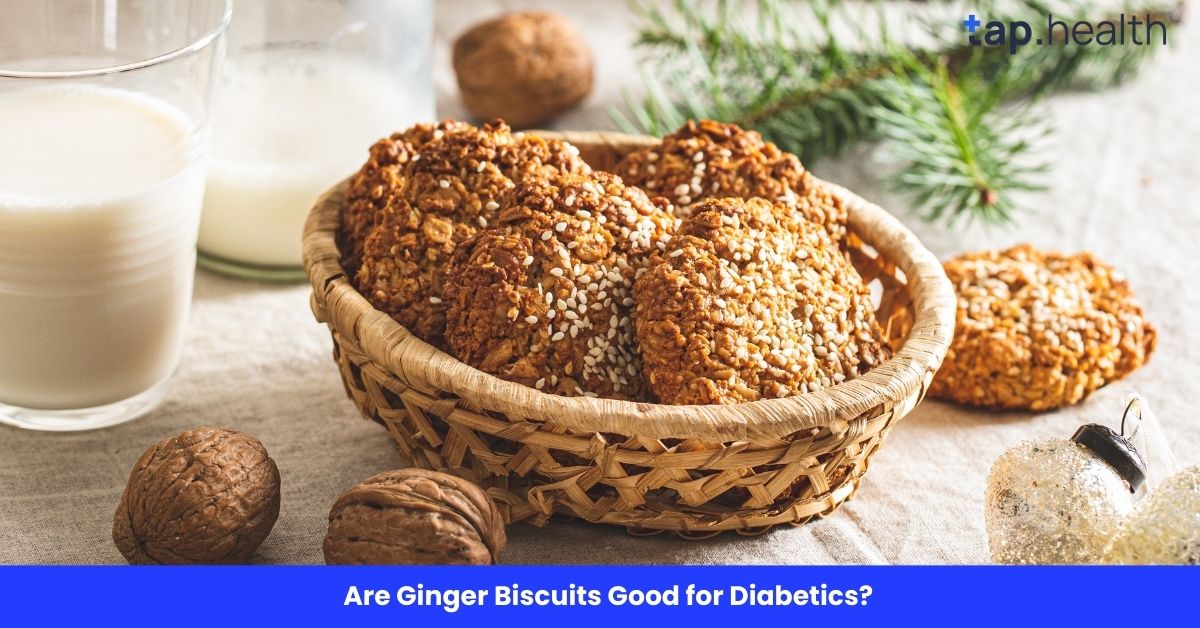
Ginger biscuits are a popular sweet snack made primarily from ingredients like ginger, sugar, flour, butter, and other flavoring agents. They’re known for their slightly spicy flavor, thanks to the ginger, which has a strong, warm taste. These biscuits are often crunchy and can be enjoyed with a cup of tea or as a quick snack.
The main ingredients in ginger biscuits typically include:
- Ginger powder or fresh ginger (the key flavoring)
- Sugar
- Butter or margarine
- Flour (typically refined white flour)
- Baking soda and other leavening agents
While ginger itself is known for its potential health benefits, particularly for its anti-inflammatory properties, the overall composition of the biscuits is what matters most when considering their effect on blood sugar.
Nutritional Breakdown of Ginger Biscuits
Before determining whether ginger biscuits are suitable for diabetics, it’s essential to understand their nutritional profile. Here’s a general breakdown of what you might find in a standard ginger biscuit:
1. Carbohydrates
Carbohydrates are the primary source of energy for the body, but for diabetics, they can cause blood sugar spikes. Ginger biscuits are made from refined flour and sugar, both of which are carbohydrate-heavy ingredients. A typical ginger biscuit may contain around 10-15 grams of carbohydrates per biscuit, depending on its size and recipe.
2. Sugars
Sugar is one of the main contributors to elevated blood glucose levels. A typical ginger biscuit can contain 4-6 grams of sugar. While some of the sugar is natural, derived from ingredients like molasses or honey, much of it is added sugar, which has a direct impact on blood sugar levels.
3. Fats
Ginger biscuits also contain fats, mostly from butter or margarine. Fats are important for providing energy, but when consumed in excess, they can contribute to weight gain and high cholesterol levels, which are additional concerns for diabetics. A typical ginger biscuit can contain 2-4 grams of fat, depending on the recipe.
4. Fiber
Fiber plays an important role in managing blood sugar levels because it helps slow down the digestion of carbohydrates, leading to a more gradual increase in blood sugar. Unfortunately, most ginger biscuits are made with refined white flour, which is low in fiber. This means ginger biscuits are not particularly effective at slowing glucose absorption, contributing to faster blood sugar spikes.
5. Protein
Ginger biscuits usually contain minimal protein, as they are primarily made from sugar, flour, and fats. Protein is essential for maintaining stable blood sugar levels, and the lack of it in ginger biscuits means that the snack is not as blood sugar-friendly as other options.
How Ginger Biscuits Affect Blood Sugar Levels in Diabetics
For people with diabetes, controlling blood sugar levels is key to managing the condition and preventing complications. So, how do ginger biscuits impact blood sugar levels?
1. The Glycemic Index (GI) of Ginger Biscuits
The Glycemic Index (GI) measures how quickly a carbohydrate-containing food raises blood sugar levels. Foods with a high GI cause rapid spikes in blood sugar, while foods with a low GI cause slower, more gradual increases.
Unfortunately, ginger biscuits typically have a high GI, especially when made with refined sugar and white flour. This means that consuming them can cause a rapid spike in blood sugar. For diabetics, this rapid increase in blood glucose is a concern because it can lead to poor diabetes control, weight gain, and potential long-term complications like heart disease and nerve damage.
2. The Role of Added Sugars
Added sugars are a significant factor in the glycemic load of ginger biscuits. The sugar in these biscuits is quickly absorbed into the bloodstream, causing an immediate increase in blood glucose levels. This can lead to a spike followed by a crash, leaving diabetics feeling sluggish or fatigued. Managing blood sugar requires careful control of sugar intake, and consuming too many ginger biscuits may lead to frequent spikes in glucose levels.
3. Portion Control
If you’re a diabetic, portion control becomes very important. Eating one ginger biscuit may not cause a large spike in blood sugar, but regularly consuming multiple biscuits or large servings can add up to a substantial amount of carbohydrates and sugar. This is why moderation is crucial when enjoying ginger biscuits, or any other sweet snacks.
Are Ginger Biscuits Safe for Diabetics?
The question remains: Are ginger biscuits safe for diabetics to eat? While it’s not ideal to make them a regular part of your diet, it is possible for diabetics to enjoy ginger biscuits occasionally, provided they follow a few key guidelines.
1. Eat in Moderation
Ginger biscuits can be enjoyed in moderation by diabetics. However, the key is portion control. Eating one biscuit or occasionally indulging in a small serving will have a lesser impact on blood sugar levels than eating several biscuits at once.
2. Choose Healthier Alternatives
There are healthier versions of ginger biscuits that diabetics can enjoy. Look for biscuits made with whole grains (like whole wheat flour or oats) and those that use natural sweeteners like stevia or monk fruit instead of refined sugar. These alternatives tend to have a lower glycemic index and may have less of an impact on blood sugar.
3. Pair with a Protein or Healthy Fat
To help minimize the blood sugar spike caused by ginger biscuits, consider pairing them with a source of protein or healthy fats. For example, eating a small piece of cheese or a handful of nuts along with the biscuit can slow the absorption of sugar and reduce the overall impact on blood glucose.
Healthier Alternatives to Ginger Biscuits for Diabetics
If you’re looking for a better snack alternative to ginger biscuits, there are several options that are friendlier to blood sugar levels. Here are a few healthier alternatives to ginger biscuits for diabetics:
1. Whole Wheat Biscuits
Whole wheat biscuits are made with whole grains and are higher in fiber compared to traditional ginger biscuits. The added fiber can help slow down the absorption of sugars, making these biscuits a better option for diabetics.
2. Oat Biscuits
Oats are an excellent source of soluble fiber, which can help stabilize blood sugar levels. Biscuits made with oats can be a great alternative for diabetics because they have a lower glycemic index and are rich in nutrients like fiber and antioxidants.
3. Almond Flour Biscuits
Almond flour biscuits are low in carbohydrates and contain healthy fats and protein, making them a great option for diabetics. They have a minimal impact on blood sugar levels and are a more nutritious alternative to traditional biscuits made with refined flour.
4. Diabetic-Friendly Biscuits
There are several brands that offer diabetic-friendly biscuits. These biscuits are specifically formulated with lower sugar content and higher fiber. They often use sugar substitutes like stevia or erythritol, which have a smaller effect on blood glucose levels than regular sugar.
Real-Life Scenario: A Day with Ginger Biscuits
Let’s make this practical. Imagine two different people, both with type 2 diabetes, decide to handle their ginger biscuit craving differently.
Scenario 1: David’s Dangerous Dip
- 3:00 PM: David is feeling hungry and tired. He remembers the packet of ginger biscuits in the cupboard.
- His Action: He takes the packet to the sofa, turns on the TV, and starts eating. He isn’t paying attention and ends up eating four biscuits one after the other.
- The Pairing: He drinks a sugary cup of coffee with them.
- The Outcome: The massive hit of refined carbs and sugar from the four biscuits, combined with the sugar in his coffee, causes a rapid and significant spike in his blood sugar. He might feel a brief energy boost, but it will be followed by a crash, leaving him feeling even more tired and hungry later.
Scenario 2: Susan’s Strategic Approach
- After Lunch: Susan has just finished a balanced lunch of baked salmon and a large quinoa salad.
- Her Action: She feels a slight sweet craving. She takes one ginger biscuit from the packet, puts it on a plate, and immediately puts the packet away.
- The Pairing: She eats the single biscuit slowly with a handful of almonds and a cup of unsweetened tea.
- The Outcome: Because she just ate a meal rich in protein, fiber, and healthy fats, her digestion is already slow. The almonds add more protein and fat. This combination dramatically slows the absorption of the sugar from the biscuit, resulting in a very minor, manageable rise in her blood glucose levels.
The Lesson: The biscuit itself is a constant. The context—the portion size, timing, and pairing—is what determines whether it’s a disaster or a managed treat.
Expert Contribution: What Do Dietitians Say?
We should never rely solely on internet articles for medical advice. So, what is the professional consensus on treats like ginger biscuits?
Registered Dietitians and Certified Diabetes Care and Education Specialists (CDCES) generally agree on the following points:
- They Are a “Sometimes” Food, Not a “Sometimes” Meal: Experts emphasize that a treat like a ginger biscuit should never replace a nutritious meal or snack. Its calories are “empty” – providing energy without vitamins, minerals, or fiber. It should only ever be an addition to an already healthy diet.
- The Psychological Effect of Deprivation: Many experts acknowledge that completely banning favorite foods can lead to stronger cravings and eventual binge-eating. A planned, controlled portion of a treat can sometimes be better for long-term dietary adherence than total avoidance.
- Read Beyond the Marketing: Dietitians warn against marketing terms like “contains real ginger” on biscuit packets. They stress that this is a tactic to make the product seem healthier than it is. The primary ingredients (sugar, refined flour) are what truly matter for blood sugar control.
- Individualization is Key: The universal advice from professionals is to test, not guess. They encourage patients to use a glucose monitor to see their personal response to a food. Data is powerful and removes the anxiety of not knowing.
In short, experts would not recommend ginger biscuits as part of a diabetic diet. However, they might provide a framework for how to incorporate a tiny amount very occasionally without guilt, if it helps a patient stick to their overall healthy eating plan.
Recommendations Grounded in Proven Research and Facts
Making decisions based on evidence is crucial for managing diabetes. Here are the key research-backed facts that should guide your choice:
- The Impact of Refined Carbohydrates is Undeniable: Numerous studies have proven that refined carbohydrates, like white flour, cause rapid spikes in blood glucose. The body processes them almost as quickly as straight sugar. Fact: The white flour in a ginger biscuit is a primary driver of its high Glycemic Index.
- Fiber is a Critical Moderator: The near-total lack of fiber in traditional ginger biscuits is a major flaw. Research consistently shows that dietary fiber, particularly soluble fiber, slows digestion and blunts post-meal blood sugar spikes. Fact: A food’s fiber content is a strong predictor of its blood sugar impact.
- The “Pairing” Principle is Scientifically Valid: Studies in nutritional science confirm that consuming carbohydrates with protein or fat significantly reduces the glycemic response. Protein and fat slow gastric emptying, meaning glucose enters the bloodstream at a slower, more controlled rate. Fact: Eating a ginger biscuit with nuts is a fundamentally different metabolic event than eating it alone.
- Total Dietary Pattern is What Matters Most: Large-scale studies like the Diabetes Prevention Program (DPP) have proven that the overall quality of your diet is the strongest predictor of long-term blood sugar control (HbA1c). Fact: One biscuit is irrelevant in the context of a week of healthy eating but becomes highly relevant if consumed daily.
Final Evidence-Based Recommendation: Based on these facts, traditional ginger biscuits are a poor nutritional choice for diabetics due to their high refined carbohydrate and sugar content and lack of fiber. The only way to incorporate them involves strict portion control (one biscuit) and strategic pairing with protein/fat to mitigate their glycemic impact. For a true healthy choice, creating a homemade version with whole ingredients is vastly superior.
For a broader look at biscuit options, you can read our comprehensive guide on which biscuits are good for diabetes.
FAQ on Can diabetics eat ginger biscuits?
1. Can diabetics eat ginger biscuits?
Diabetics can enjoy ginger biscuits in moderation, but they should be mindful of portion sizes. Ginger biscuits made with refined flour and sugar can cause rapid blood sugar spikes, so it’s best to eat them occasionally and in small amounts.
2. How many ginger biscuits can a diabetic eat?
The number of ginger biscuits a diabetic can eat depends on individual factors such as blood sugar control, overall diet, and activity level. Generally, one or two biscuits occasionally is acceptable, but it’s crucial to avoid overconsumption.
3. Are there sugar-free ginger biscuits available?
Yes, there are sugar-free ginger biscuits available. These biscuits are often sweetened with sugar substitutes like stevia or erythritol, which have less impact on blood sugar than regular sugar. However, even sugar-free biscuits may contain carbohydrates that affect blood glucose levels.
4. Are whole wheat ginger biscuits better for diabetics?
Yes, whole wheat ginger biscuits are generally a better option for diabetics than regular ones. Whole wheat flour contains more fiber, which can help slow the digestion and absorption of carbohydrates, leading to more stable blood sugar levels.
5. What are the best snacks for diabetics?
The best snacks for diabetics are those that are high in fiber, protein, and healthy fats. Some good options include nuts, Greek yogurt with berries, raw vegetables with hummus, and whole grain crackers with cheese.
Conclusion
In conclusion, while ginger biscuits are not the most ideal snack for diabetics due to their carbohydrate and sugar content, they can still be enjoyed occasionally in moderation. To minimize their impact on blood sugar, diabetics should focus on portion control, choose healthier versions with whole grains and natural sweeteners, and pair them with protein or healthy fats. Always monitor your blood sugar levels and consult with a healthcare provider to determine the best dietary choices for your individual needs.