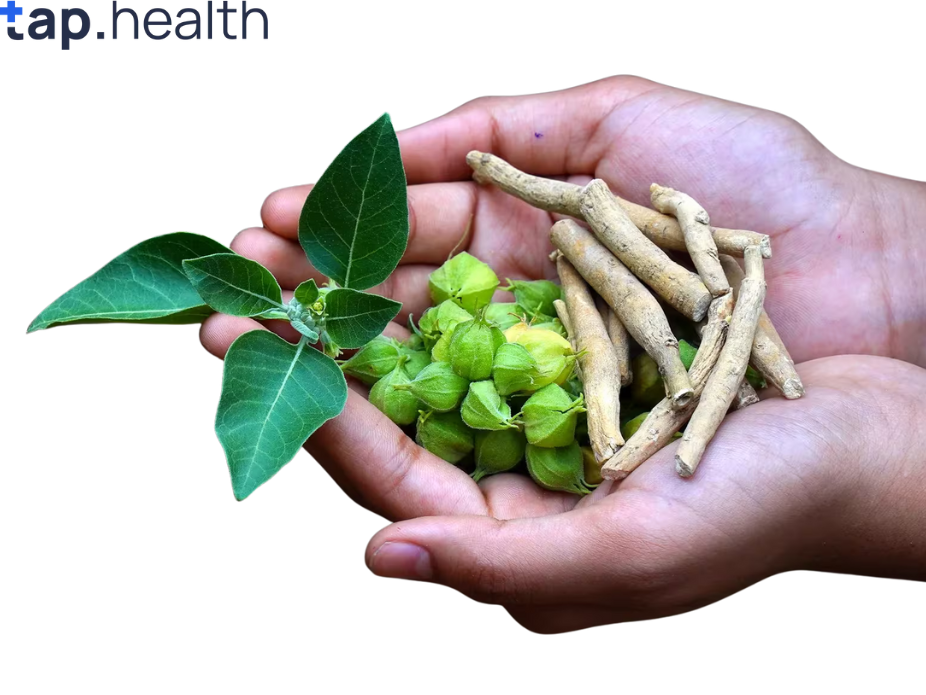
Ashwagandha, scientifically known as Withania somnifera, is a revered herb rooted in Ayurvedic medicine, celebrated for centuries for its ability to enhance vitality, reduce stress, and promote overall wellness. Its growing popularity in modern health practices stems from its adaptogenic properties, minimal side effects, and versatile applications. This blog explores the benefits, practical uses, recommendedmeters, recommended dosages, and potential side effects of ashwagandha, providing a comprehensive guide to this powerful herb.
What Is Ashwagandha and Its Historical Roots?
The Origins of Ashwagandha
Ashwagandha, often called “Indian ginseng,” has been a cornerstone of Ayurvedic medicine for thousands of years. Its name, meaning “smell of a horse,” reflects its potent aroma and its traditional use for boosting strength and stamina. Historically, it was used in rasayana formulations—Ayurvedic elixirs designed to promote longevity and vitality. Ancient practitioners prescribed ashwagandha for fatigue, anxiety, insomnia, and sexual health, emphasizing its role in restoring balance to the body and mind.
What Are the Health Benefits of Ashwagandha?
Mental Health Benefits of Ashwagandha
Ashwagandha is widely recognized for its mental health benefits, particularly its ability to reduce stress and anxiety. By regulating cortisol levels, it promotes calmness, improves mood, and enhances cognitive function. Studies suggest it may alleviate symptoms of anxiety and depression, making it a natural remedy for emotional balance. Additionally, ashwagandha improves sleep quality and duration, helping those with insomnia achieve restful sleep.
Physical Health Benefits of Ashwagandha
Beyond mental health, ashwagandha supports physical well-being. Its anti-inflammatory properties may help manage conditions like arthritis by reducing pain and improving joint function. Athletes favor it for its ability to boost muscle strength, endurance, and exercise recovery. The herb’s antioxidant effects protect cells from free radical damage, contributing to overall health and longevity.
LSI Keywords: Anti-inflammatory, muscle strength, exercise recovery, antioxidants
Ashwagandha and Neuroprotection
Emerging research highlights ashwagandha’s potential in neuroprotection. Preliminary studies suggest it may help prevent or treat neurodegenerative diseases like Alzheimer’s and Parkinson’s by protecting brain cells from oxidative stress and inflammation. While more research is needed, these findings underscore ashwagandha’s promising role in brain health.
How Can Ashwagandha Be Used?
Ashwagandha in Dietary Supplements
Ashwagandha supplements, available as capsules or powders, offer a convenient way to incorporate the herb into daily routines. Capsules provide standardized doses, while powders can be mixed into smoothies, teas, or foods. Always choose high-quality, organic products from reputable brands and consult a healthcare professional for dosage guidance to avoid interactions with medications.
Ashwagandha in Skincare Products
Ashwagandha’s antioxidant and anti-inflammatory properties make it a valuable ingredient in skincare. It soothes irritation, reduces signs of aging, and enhances skin tone. Found in serums, creams, and masks, it protects against environmental stressors like pollution and UV radiation. Those with sensitive skin should perform a patch test before use.
What Is the Recommended Dosage for Ashwagandha?
Dosage for General Wellness
For general wellness, a daily dose of 250-500 mg of ashwagandha extract (standardized to 5% withanolides) is typically recommended. Start with a low dose and adjust gradually under medical supervision, as individual responses vary.
Dosage for Specific Conditions
Higher doses of 600-1500 mg per day may be used for conditions like anxiety, depression, or insomnia, based on research. However, consult a healthcare provider before exceeding standard doses or using ashwagandha as a substitute for prescribed medications.
What Are the Different Formulations of Ashwagandha?
Ashwagandha Capsules
Capsules are a popular choice due to their precise dosing and neutral taste. Opt for organic, standardized extracts to ensure potency and purity. Capsules are ideal for those seeking convenience and consistency in their supplementation.
Ashwagandha Powder
Ashwagandha powder, made from dried roots, offers flexibility in usage. It can be blended into smoothies, teas, or mixed with honey for a palatable experience. Choose organic, high-quality powders to avoid contaminants and ensure efficacy.
What Are the Side Effects of Ashwagandha?
Potential Side Effects
Ashwagandha is generally well-tolerated, but some individuals may experience mild side effects such as digestive upset, drowsiness, or headaches. High doses may cause stomach irritation or interact with medications like sedatives or thyroid drugs. Pregnant or breastfeeding women and those with autoimmune conditions should consult a doctor before use.
Precautions and Interactions
Ashwagandha may interact with certain medications, including immunosuppressants, thyroid medications, and sedatives. Individuals with allergies to nightshade plants should exercise caution. Always consult a healthcare professional to ensure safe use, especially if you have underlying health conditions.
Why Is Ashwagandha Considered an Adaptogen?
Understanding Adaptogens
Ashwagandha is classified as an adaptogen, meaning it helps the body resist physical and mental stress. By balancing cortisol levels and supporting the adrenal system, it enhances resilience, reduces fatigue, and promotes overall well-being. Its adaptogenic properties make it a go-to herb for stress management and energy support.
How Does Ashwagandha Support Modern Medicine?
Scientific Research on Ashwagandha
Modern studies validate ashwagandha’s traditional uses, confirming its adaptogenic, anti-inflammatory, and antioxidant properties. Research into its potential for mental health, immune support, and neuroprotection continues to grow, positioning ashwagandha as a bridge between ancient wisdom and contemporary science.
Future Potential of Ashwagandha
As research progresses, ashwagandha’s applications in treating stress-related disorders, neurodegenerative diseases, and chronic inflammation are being explored. Its versatility and minimal side effects make it a promising candidate for integrative health practices.
Conclusion
Ashwagandha is a versatile herb with a rich history and a wide range of modern applications. Its adaptogenic, anti-inflammatory, and antioxidant properties make it a valuable tool for supporting mental and physical health. Whether used in supplements, skincare products, or powders, ashwagandha offers natural solutions for stress relief, cognitive enhancement, and overall wellness. Always consult a healthcare professional for personalized dosage and safety guidance to maximize its benefits.