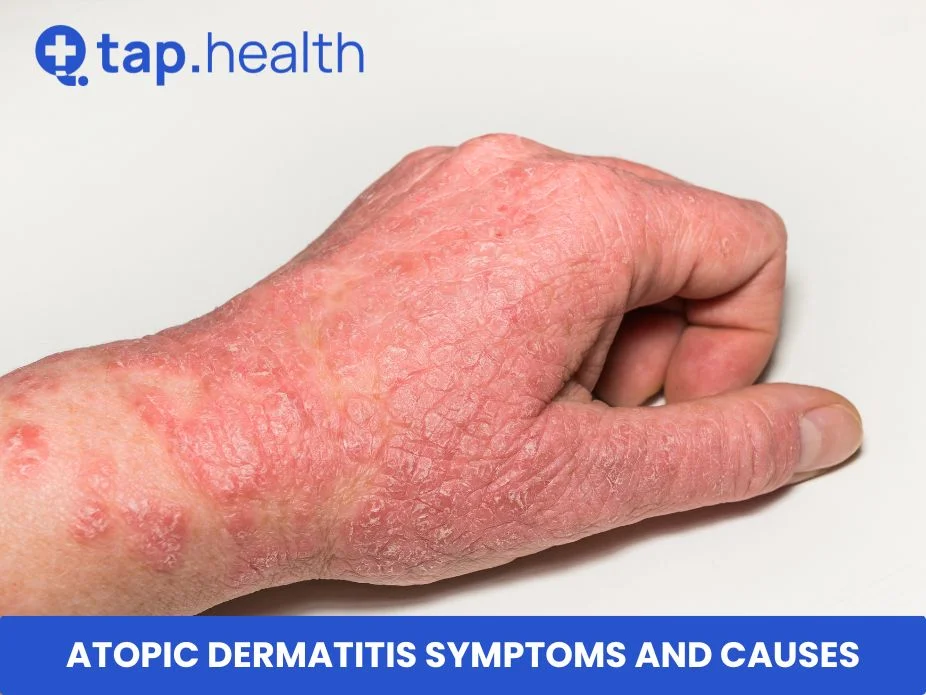
Atopic dermatitis, often known as eczema, is a common skin condition affecting millions worldwide. It causes the skin to become red, itchy and inflamed. This blog will delve into the symptoms and causes of atopic dermatitis, helping you understand this condition better.
What is Atopic Dermatitis?
Atopic dermatitis is a chronic skin condition characterized by dry, itchy, and inflamed skin. It is most common in children but can occur at any age. This condition tends to flare periodically and may be accompanied by asthma or hay fever. Atopic dermatitis results from a combination of genetic and environmental factors.
Atopic Dermatitis vs. Eczema: What’s the Difference?
Many people use the terms “atopic dermatitis” and “eczema” interchangeably, but they are not exactly the same. Eczema is a broad term that refers to a group of conditions that cause the skin to become inflamed or irritated. Atopic dermatitis is the most common and severe form of eczema. The key difference lies in the fact that eczema can also include other types, such as contact dermatitis and seborrheic dermatitis, which have different causes and treatments.
Symptoms of Atopic Dermatitis
Atopic dermatitis presents a variety of symptoms that can vary in severity from person to person. Here are the main symptoms:
1. Itching
Itching is the hallmark symptom of atopic dermatitis. It can be intense, often becoming worse at night. The constant scratching can lead to further skin damage and infection, making it essential to manage and reduce itchiness effectively.
2. Red Patches
Red, inflamed patches of skin are common in atopic dermatitis. These patches may appear anywhere on the body but are most frequently found on the face, hands, feet, inner elbows, and behind the knees. The redness is due to the skin’s inflammatory response.
3. Dry, Scaly Skin
People with atopic dermatitis often experience dry, scaly skin. This dryness occurs because the skin’s barrier function is compromised, leading to increased water loss. Regular moisturizing is crucial to manage this symptom and protect the skin.
4. Thickened, Cracked Skin
Chronic scratching and rubbing can cause the skin to thicken and develop a leathery texture, known as lichenification. This can result in deep, painful cracks in the skin, which may bleed and are susceptible to infection.
5. Small, Raised Bumps
In some cases, atopic dermatitis can cause small, raised bumps that may leak fluid and crust over when scratched. These bumps are typically found on the cheeks, neck, and scalp in infants, and on the inside of the elbows and knees in older children and adults.
What Triggers Dermatitis?
Various factors can trigger or worsen atopic dermatitis. Understanding these triggers can help manage the condition more effectively. Common triggers include:
- Irritants: Soaps, detergents, and disinfectants can irritate the skin.
- Allergens: Dust mites, pet dander, pollen, and mold are common allergens.
- Microbes: Certain bacteria, viruses, and fungi can trigger or exacerbate symptoms.
- Temperature and Climate: Extreme temperatures and humidity levels can affect the skin.
- Foods: Some people with atopic dermatitis may have food allergies or sensitivities that trigger symptoms.
Causes of Atopic Dermatitis
The exact cause of atopic dermatitis is unknown, but it involves a combination of genetic and environmental factors. Here are the main causes:
1. Genetic Factors
Genetics play a significant role in atopic dermatitis. If you have a family history of eczema, asthma, or hay fever, you are more likely to develop atopic dermatitis. Certain genetic mutations affecting the skin barrier function also increase the risk.
2. Immune System Dysfunction
Atopic dermatitis is associated with an overactive immune response. The immune system overreacts to environmental triggers, leading to inflammation and skin irritation. This heightened immune response is believed to be due to a combination of genetic and environmental factors.
3. Skin Barrier Defects
People with atopic dermatitis often have a compromised skin barrier. This makes the skin more susceptible to irritants, allergens, and microbes, leading to increased water loss and dry skin. A defective skin barrier can be due to genetic mutations or environmental damage.
4. Environmental Factors
Environmental factors, such as exposure to irritants and allergens, play a crucial role in triggering and exacerbating atopic dermatitis. Pollutants, harsh weather conditions, and even stress can affect the skin’s health and barrier function.
5. Other Health Conditions
Individuals with atopic dermatitis are more likely to have other allergic conditions, such as asthma and hay fever. These conditions share similar immune system dysfunctions and can contribute to the severity and frequency of eczema flares.
Treatment Options for Atopic Dermatitis
To handle atopic dermatitis, it’s all about mixing different ways to ease the symptoms and stop more problems. Here’s what might be involved:
- Medications: Doctors often suggest creams like topical corticosteroids or pills like antihistamines to calm down inflammation and itchiness.
- Therapies: Treatments such as light therapy (phototherapy) and wet wrap therapy can really help in getting your skin better.
- Home Remedies: Doing simple things at home, like using moisturizers, taking lukewarm baths with gentle cleansers, and staying away from stuff that makes your condition worse can make a big difference.
- Lifestyle Changes: Wearing clothes that don’t irritate your skin, keeping clean in a way that doesn’t hurt your skin, and finding ways to relax can also improve how you manage symptoms.
Working closely with doctors or dermatologists is key. They’ll help figure out what works best for you personally by choosing the right treatments from these options. Plus, they’ll keep tweaking the plan over time as needed.
Medications and Therapies
There are ways to help control the symptoms of atopic dermatitis, and doctors often suggest a mix of treatments. Here’s what you might come across:
- Topical Corticosteroids: These creams or ointments fight off inflammation and calm down itching. You just put them on the spots where your skin is acting up.
- Immunomodulators: Creams like calcineurin inhibitors also step in by calming down your immune system’s overreaction that leads to swelling and itchiness.
- Antihistamines: Taking these pills can ease the itchiness and make it easier for you to sleep by dialing back on your body’s histamine reaction.
For tougher cases, doctors might go with oral medications such as systemic corticosteroids or drugs that suppress the immune system. With light therapy, shining ultraviolet light on your skin helps lessen inflammation and itching. Another method involves moisturizing affected areas then wrapping them in wet bandages; this wet wrap therapy boosts medicine absorption and healing. The best treatment depends pretty much on how severe someone’s atopic dermatitis is along with their personal health needs.
Home Remedies and Lifestyle Changes
Besides medical treatments, there are a bunch of home remedies and changes in your daily life that can really help with atopic dermatitis symptoms:
- Moisturize Regularly: It’s important to put on moisturizer every day, especially right after you take a bath. This helps keep your skin from getting too dry.
- Lukewarm Baths: Instead of hot showers or baths, go for ones that are just warm. Hot water can make things worse by taking away the natural oils from your skin.
- Gentle Cleansers: Pick cleansers or soaps that don’t have any scents and are gentle on the skin to avoid making it angry and irritated.
- Avoid Known Triggers: Figure out what makes your symptoms bad – like certain clothes materials, chemicals, or stuff you’re allergic to – and try to stay away from them.
- Stress Management: Try doing things that calm you down when you’re feeling stressed. Meditation, deep breathing exercises, or whatever activity relaxes you could be really helpful.
- With clothing choices: Wear clothes that aren’t tight against your body made of soft fabrics like cotton which is easier on the skin.
Adding these home remedies and tweaks in how you live into what you do every day might lessen those tough symptoms atopic dermatitis brings along.
Managing Atopic Dermatitis
To handle atopic dermatitis well, it’s all about a full-on plan that covers everyday skin care, staying away from things that make it worse, and finding ways to deal with it. By sticking to a good skincare routine, steering clear of stuff you know doesn’t help your skin, and making some changes in how you live day-to-day can really make a difference in keeping symptoms under control and not having as many bad episodes. On top of this, figuring out how to cope with the emotional side of dealing with atopic dermatitis is key. Working closely with doctors and skin experts is crucial to figure out what works best for managing your specific situation.
Tips for Daily Management
To keep atopic dermatitis under control every day, here are some helpful hints:
- Following a skincare routine is key. Use gentle cleansers and moisturizers made for sensitive skin.
- Make sure to moisturize often. Put on lotion twice daily and right after showers to stop your skin from getting dry.
- Stay away from things that make your symptoms worse, like certain clothes, soaps, or foods.
- When picking out what to wear, go for soft and airy fabrics like cotton to help avoid irritation and let your skin breathe easier.
- It’s important to protect your skin. Apply sunscreen with strong SPF and dress in protective clothing against the sun’s rays.
- For dealing with the emotional side of having atopic dermatitis, it helps to talk with support groups or get advice from a mental health expert.
By adding these steps into how you live each day,you can better handle atopic dermatitisand see improvements inyour skins overall well-being
Coping Strategies for Flare-ups
Dealing with atopic dermatitis flare-ups can be tough, but there are ways to make things better and help your skin heal. Here’s what you can do:
- Keep the affected areas moisturized by applying lotion often. This helps calm dryness and itchiness.
- For a bit of quick relief from itching, put a cold compress or an ice pack wrapped in cloth on those spots.
- When you feel like scratching, try doing something else to keep your mind off it because scratching only makes things worse.
- To lower stress levels, which can also affect your skin, practice some relaxation methods like deep breathing or mindfulness meditation.
- Choose clothes that are loose and made of soft materials so they don’t rub against your skin too much.
- -With persistent or severe flare-ups, it’s important to talk to a doctor or dermatologist for more advice and treatment options.
Using these strategies when dealing with atopic dermatitis can really help ease symptoms and speed up recovery.
Real-Life Scenario
A child develops itchy red patches on the cheeks and behind the knees during winter. Scratching worsens the irritation, causing discomfort and sleep disturbance. Parents notice triggers like wool clothing, harsh soaps, or dust, which seem to make symptoms worse. Proper skincare routines, avoiding triggers, and moisturizing help manage flare-ups.
Expert Contribution
Dermatologists explain that atopic dermatitis is not contagious but is influenced by genetics and environmental triggers. Experts emphasize early intervention, such as using emollients, mild cleansers, and avoiding known irritants, to reduce flare-ups and prevent complications like skin infections.
Recommendations Grounded in Proven Research and Facts
- Moisturize regularly: Use fragrance-free creams to repair the skin barrier.
- Identify and avoid triggers: Common triggers include soaps, detergents, allergens, and stress.
- Use gentle skincare products: Mild, non-irritating cleansers help reduce inflammation.
- Topical treatments: Corticosteroid creams or non-steroidal alternatives may be prescribed by doctors for flare-ups.
- Maintain a healthy lifestyle: Balanced diet, hydration, and stress management can improve overall skin health.
FAQ on Atopic Dermatitis
1. Can atopic dermatitis go away?
Atopic dermatitis can improve or even go away over time, especially in children. However, it is a chronic condition, and some people may continue to experience symptoms into adulthood. Proper management and treatment can help control symptoms and reduce flare-ups.
2. How does atopic dermatitis affect my body?
Atopic dermatitis primarily affects the skin, causing dryness, redness, itching, and inflammation. It can also lead to skin infections due to scratching and impaired skin barrier function. It may sometimes be associated with other allergic conditions, such as asthma and hay fever.
3. What can I expect if I have atopic dermatitis?
If you have atopic dermatitis, you can expect periods of flare-ups and remissions. During flare-ups, symptoms like itching, redness, and inflammation will be more severe. Managing the condition involves regular moisturizing, avoiding triggers, and sometimes using medications to control symptoms.
4. When should I see my healthcare provider?
You should see your healthcare provider if your atopic dermatitis symptoms are severe, not improving with home treatments, or if you suspect an infection. Your provider can help develop a treatment plan tailored to your needs, which may include prescription medications or therapies.
Understanding atopic dermatitis is crucial for managing this condition effectively. By recognizing symptoms and triggers, and knowing when to seek medical help, you can take steps to control and alleviate the impact of atopic dermatitis on your life.