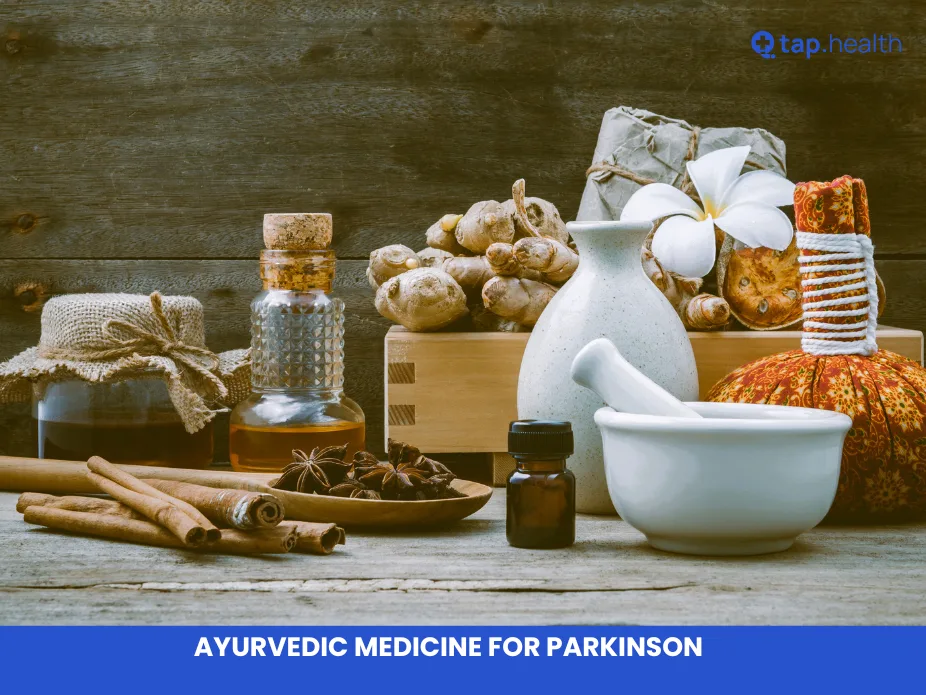
Parkinson’s disease, known as Kampavata in Ayurveda, is a progressive neurological disorder caused by aggravated Vata dosha. It leads to tremors, stiffness, slow movement, and balance issues. Ayurveda offers a safe, complementary approach using herbs, diet, Panchakarma, and lifestyle changes to manage symptoms and improve daily living.
Understanding Kampavata: Vata Imbalance in Parkinson’s Disease
In Ayurveda, Parkinson’s is primarily a Vata disorder affecting the nervous system. Excess Vata dries the tissues, depletes neurotransmitters like dopamine, and causes shaking (kampa), rigidity, and loss of coordination. Restoring Vata balance is the core of Ayurvedic treatment for Parkinson’s.
Top Ayurvedic Herbs for Parkinson’s Symptom Relief
- Mucuna Pruriens (Kapikacchu) Natural source of L-DOPA that boosts dopamine levels, reduces tremors, improves gait and motor control. Research in Neurology India confirms its efficacy and safety.
- Ashwagandha Neuroprotective adaptogen that reduces stress, inflammation, and oxidative damage while strengthening muscles and nerves.
- Brahmi (Bacopa monnieri) Enhances cognitive function, memory, and calmness; helpful for anxiety, depression, and brain fog in Parkinson’s.
- Guduchi (Giloy) Powerful antioxidant and immune modulator that slows disease progression by reducing inflammation.
- Shankhpushpi Calms the mind, improves focus, and supports better sleep and mood stability.
Panchakarma Therapy: Best Detox for Parkinson’s Patients
Panchakarma eliminates accumulated toxins (Ama) and pacifies Vata. Most recommended procedures:
- Abhyanga – Warm medicated oil massage to reduce stiffness and tremors
- Shirodhara – Steady flow of oil on forehead to calm the nervous system
- Basti (medicated enema) – Gold standard for Vata disorders, nourishes nerves
- Nasya – Nasal drops to clear head channels and improve brain function
Clinical studies show significant improvement in UPDRS scores after structured Panchakarma.
Vata-Pacifying Diet and Lifestyle for Parkinson’s Management
- Favor warm, moist, nourishing foods: soups, khichdi, milk, ghee, nuts
- Avoid cold, dry, bitter foods and caffeine
- Daily oil massage (self-abhyanga) with sesame or Maha Narayan oil
- Gentle yoga (Tadasana, Vrikshasana), Pranayama (Anulom Vilom, Bhramari), and meditation
- Fixed daily routine and early bedtime to stabilize Vata
Real-Life Results with Ayurvedic Treatment for Parkinson’s
A 68-year-old patient with 7 years of Parkinson’s reduced tremor intensity by 60% and improved walking speed after 3 months of Mucuna Pruriens, Ashwagandha, and monthly Panchakarma sessions along with his allopathic medicine.
Another patient reported better sleep, less anxiety, and sharper memory after regular Brahmi and Shirodhara therapy.
Scientific Evidence Supporting Ayurveda for Parkinson’s
- Journal of Ethnopharmacology: Mucuna Pruriens showed comparable or better results than synthetic Levodopa with fewer side effects.
- AYU Journal: 8-week Panchakarma significantly improved motor and non-motor symptoms.
- Neurology India: Ashwagandha reduces oxidative stress markers in Parkinson’s models.
Safety and Integration Tips
Always start under an experienced Ayurvedic neurologist. Mucuna Pruriens dosage must be titrated carefully to avoid dyskinesia. Regular monitoring with your neurologist is essential when combining therapies.
Frequently Asked Questions About Ayurvedic Treatment for Parkinson’s
Q: Can Ayurveda completely cure Parkinson’s?
A: No, Parkinson’s is progressive, but Ayurveda effectively controls symptoms and slows progression when used consistently.
Q: Is Mucuna Pruriens better than Levodopa tablets?
A: Studies show natural L-DOPA from Mucuna causes fewer side effects and fluctuations than synthetic versions.
Q: How soon can I expect improvement?
A: Noticeable changes in stiffness and mood within 3–6 weeks; major motor improvement in 3–6 months with proper protocol.
Q: Are there any side effects of Ayurvedic herbs?
A: Very rare when taken in correct dosage under supervision. Overdose of Mucuna can cause nausea or dyskinesia.
Q: Can I stop allopathic medicine if I start Ayurveda?
A: Never stop prescribed medication abruptly. Gradual integration under dual guidance is safest.
Can Ayurvedic Medicine Help Manage Diabetes and Parkinson’s Together at TapHealth?
At TapHealth, our expert Ayurvedic neurologists create personalized protocols combining time-tested herbs, Panchakarma, and modern monitoring to manage both Parkinson’s and co-existing diabetes effectively, helping you enjoy better movement, stable sugar levels, and improved quality of life naturally.