tap.health logo
  • Diabetes Management
  • Health Assistant
  • About Us
  • Blog
  • Contact Us
Get Plan
  • Diabetes Management
  • Health Assistant
  • About Us
  • Blog
  • Contact Us
  • All Blogs
  • Diabetes
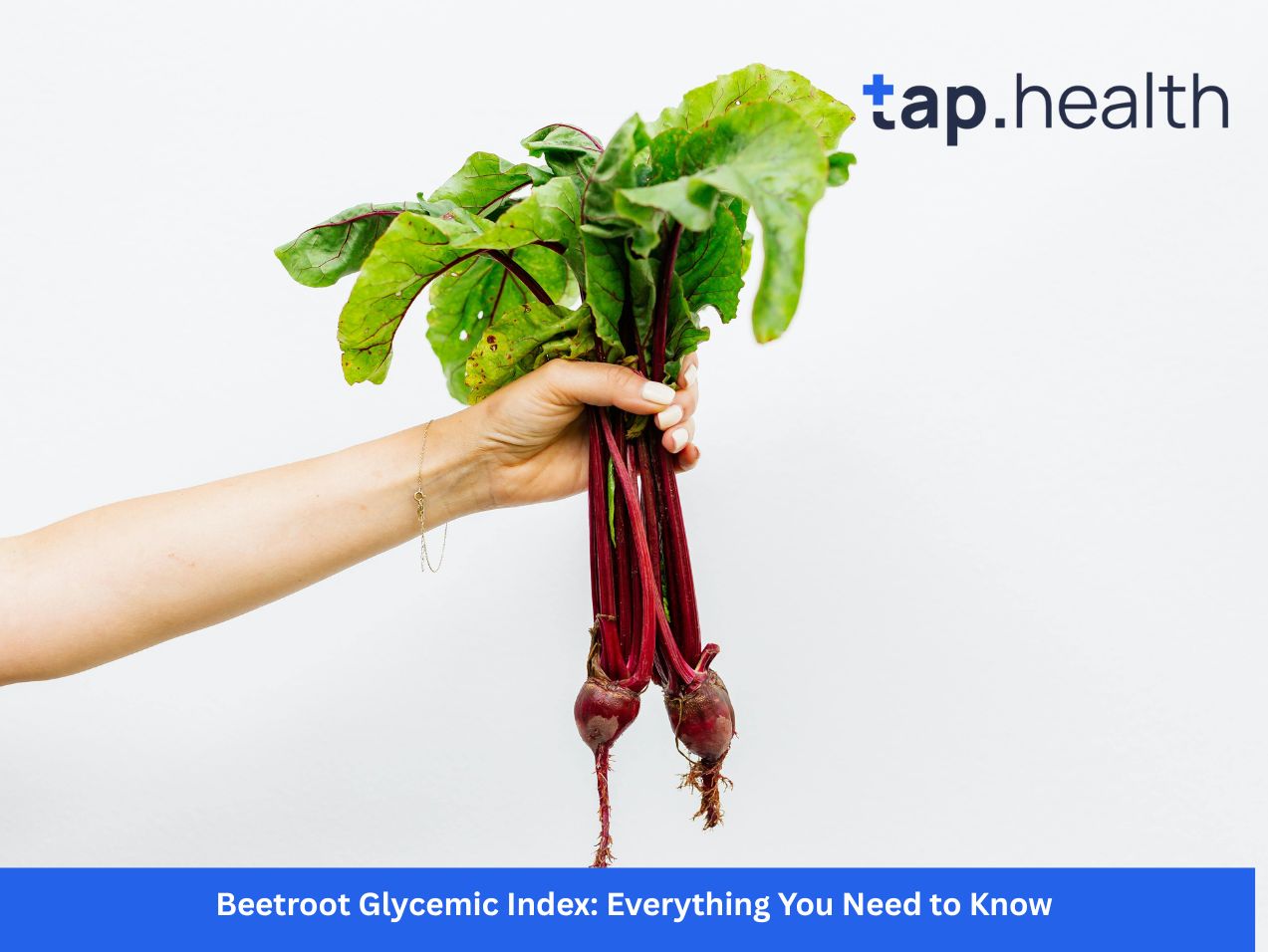
  • Beetroot Glycemic Index: Everything You Need to Know

Beetroot Glycemic Index: Everything You Need to Know

Diabetes
November 10, 2025
• 6 min read
Yasaswini Vajupeyajula
Written by
Yasaswini Vajupeyajula
Neha Sharma
Reviewed by:
Neha Sharma
Dietitian and Nutrition Officer
ChatGPT Perplexity WhatsApp LinkedIn X Grok Google AI
Beetroot Glycemic Index: Everything You Need to Know

Beetroot, with its rich purple colour and earthy taste, has long been a popular vegetable in Indian cuisine. Whether consumed raw, roasted, or in juices, beetroot offers a wealth of health benefits, including supporting heart health, boosting stamina, and enhancing digestion. However, if you’re managing blood sugar levels, especially with diabetes, you may be wondering: What is the glycemic index (GI) of beetroot, and how does it affect your health?

In this article, we will break down the glycemic index of beetroot, explain how it fits into a balanced diet, and explore its health benefits. Whether you’re diabetic or just aiming to eat healthier, this guide will give you all the information you need to incorporate beetroot into your diet.


What is Glycemic Index (GI)?

The glycemic index (GI) is a measure that ranks foods containing carbohydrates on a scale from 0 to 100 based on how quickly they raise blood sugar levels after consumption. Foods with a high GI cause a rapid increase in blood sugar, while those with a low GI lead to a slower, more gradual rise.

  • Low GI: 55 or less
  • Medium GI: 56–69
  • High GI: 70 or more

A lower GI is generally better for maintaining stable blood sugar levels, which is especially important for those managing diabetes or insulin resistance. Foods with low GI are digested and absorbed more slowly, leading to sustained energy and better overall metabolic control.


What is the Glycemic Index of Beetroot?

Beetroot is widely regarded as a low-GI food, with its GI value falling in the range of 64 to 75, depending on how it’s prepared. For the most part, raw beetroot has a moderate GI, while cooked beetroot may have a slightly higher GI. This range is due to the cooking process, which can break down the starches in beetroot and turn them into simpler sugars, thereby increasing the rate at which they are digested and absorbed into the bloodstream.

Why Does Beetroot Have a Moderate GI?

The reason beetroot doesn’t fall into the low GI category, like some other vegetables (e.g., leafy greens), is due to its natural sugar content. Beetroot contains a moderate amount of sugar, which, when digested, can contribute to a moderate rise in blood sugar. However, beetroot is still relatively low compared to many high-GI foods like white bread or potatoes.

Despite its moderate GI, beetroot still offers benefits for those managing their blood sugar levels, especially when consumed in moderation and as part of a balanced meal.


What is Glycemic Load (GL) and How Does It Relate to Beetroot?

While GI measures how quickly a food raises blood sugar, glycemic load (GL) takes both the GI and the portion size into account. GL provides a more accurate picture of how a food will impact blood sugar when consumed in typical serving sizes.

How to Calculate Glycemic Load

The formula for calculating GL is:

GL = (GI × available carbohydrates per serving) ÷ 100

For 100g of beetroot, we can calculate:

  • GI of beetroot ≈ 64 (moderate)
  • Available carbs in 100g beetroot ≈ 9.6g (approximately)

Thus, GL = (64 × 9.6) ÷ 100 = 6.1 (moderate GL)

Why Glycemic Load is Important

The glycemic load is a more reliable measure of how a food affects your blood sugar. Even though beetroot has a moderate GI, its GL is relatively low compared to high-GI foods, such as white rice. This means that a typical serving of beetroot is less likely to cause a sharp spike in blood sugar.


Health Benefits of Beetroot

Beetroot isn’t just a low-to-moderate GI food, it’s also packed with vitamins, minerals, and antioxidants that contribute to a variety of health benefits.

1. Boosts Heart Health

Beetroot is rich in nitrates, which can help improve blood flow and lower blood pressure. Regular consumption of beetroot has been shown to have a positive effect on cardiovascular health by improving blood vessel function and reducing the risk of heart disease.

2. Supports Liver Detoxification

The betalains in beetroot, the pigments responsible for its deep red colour, have anti-inflammatory and antioxidant properties. They help detoxify the liver by promoting the production of enzymes that support liver function and the elimination of toxins.

3. Aids Digestion

Beetroot is high in dietary fibre, which promotes healthy digestion. It helps prevent constipation, regulates bowel movements, and supports a healthy gut microbiome.

4. Improves Exercise Performance

The nitrates in beetroot are also known to improve exercise performance. Consuming beetroot juice has been shown to increase stamina and enhance endurance, making it a great natural performance booster for athletes and fitness enthusiasts.


Is Beetroot Good for Diabetics?

Yes, beetroot can be part of a diabetes-friendly diet. Despite its moderate glycemic index, beetroot is still a healthy option for people with type 2 diabetes, particularly because of its high fibre content and low glycemic load.

Why Is Beetroot Suitable for Diabetics?

  1. Fibre Content: The high fibre in beetroot slows down the absorption of sugars and helps maintain stable blood sugar levels.
  2. Nutrient-Rich: Beetroot contains important nutrients like vitamin C, folate, and potassium, which support overall health, especially heart health and immune function.
  3. Antioxidant Properties: The antioxidants in beetroot, particularly betalains, help reduce inflammation, which is critical for managing chronic conditions like diabetes.

How to Include Beetroot in a Diabetic Diet

  • Portion control: While beetroot is healthy, it’s important to manage portion sizes. 1/2 to 1 small beetroot per day is a good starting point.
  • Pair with protein and healthy fats: Combine beetroot with lean proteins like chicken or plant-based proteins like tofu, and healthy fats like avocados or nuts, to slow down glucose absorption and create a balanced meal.

How to Prepare Beetroot for Maximum Health Benefits

The way you prepare beetroot can affect its glycemic index and overall health benefits. Here are some ways to enjoy beetroot:

1. Raw Beetroot

Eating beetroot raw helps preserve its fibre content and nutrients. You can grate raw beetroot into salads, smoothies, or use it as a topping for yogurt or sandwiches.

2. Roasted Beetroot

Roasting beetroot brings out its natural sweetness. Roasted beetroot retains much of its fibre and antioxidants, making it a great addition to salads or as a side dish.

3. Beetroot Juice

Fresh beetroot juice is a popular option, though it lacks the fibre of whole beetroot. If you enjoy juices, it’s best to mix beetroot juice with other veggies like carrot, spinach, or cucumber for a nutrient-packed drink.

4. Boiled Beetroot

Boiled beetroot is commonly used in Indian dishes like beetroot paratha and beetroot curry. Boiling slightly lowers the GI of beetroot but still keeps it a healthy option for diabetics.


Myths vs. Facts About Beetroot and Blood Sugar

Myth 1: “Beetroot spikes blood sugar levels.”

Fact: While beetroot has a moderate glycemic index, it has a low glycemic load and is rich in fibre, which helps control blood sugar levels. It is a safe option for most people, including diabetics, when consumed in moderation.

Myth 2: “Beetroot juice is bad for diabetes.”

Fact: While beetroot juice may have a higher glycemic impact than whole beetroot, it can still be part of a healthy diet if consumed in moderation and without added sugar. Pairing it with other low-GI vegetables and fibre-rich ingredients can help reduce its glycaemic load.

Myth 3: “Beetroot is high in sugar and should be avoided.”

Fact: Beetroot contains natural sugars but in moderate amounts. It is considered a nutrient-dense food and offers more health benefits than risks for most people when consumed in normal portions.


Key Takeaways

  • Beetroot has a moderate glycemic index, typically between 64 and 75, but its glycemic load is low due to its high fibre content.
  • Beetroot is nutrient-rich, offering benefits like improved heart health, liver detoxification, digestive support, and enhanced exercise performance.
  • Diabetics can safely consume beetroot in moderate portions, preferably with other nutrient-dense foods to help manage blood sugar levels.
  • The best way to consume beetroot is in its whole form—whether raw, roasted, boiled, or juiced—with attention to portion control.

Frequently Asked Questions on Beetroot Glycemic Index:

What is the glycemic index of beetroot?

Beetroot has a moderate glycemic index that typically ranges from 64 to 75, depending on how it’s prepared.

Is beetroot good for diabetics?

Yes, beetroot is a healthy choice for diabetics due to its high fibre content and low glycemic load, which helps regulate blood sugar levels.

Can beetroot juice cause blood sugar spikes?

Beetroot juice can cause a faster rise in blood sugar than whole beetroot due to the loss of fibre. It’s best consumed in moderation, preferably mixed with other low-GI vegetables.

How should I eat beetroot for maximum benefits?

Beetroot can be eaten raw, roasted, boiled, or in juice form. Eating it whole preserves its fibre and nutrient content.

Can I eat beetroot every day?

Yes, you can include 1/2 to 1 small beetroot in your daily diet, as long as you maintain portion control and balance it with other foods.

Does beetroot improve heart health?

Yes, the nitrates in beetroot help lower blood pressure and improve circulation, contributing to better heart health.


Tags
A1C gestational diabetes poor sleep blood sugar HbA1c diabetes symptoms in women diabetes medicines diabetes nerve damage diabetes and blood pressure mango and diabetes dark patches diabetes diabetes stomach problems diabetes wounds metformin safety diabetes tingling hands banana blood sugar papaya for diabetes is jaggery good for diabetes poha blood sugar orange for diabetes sugar spike after rice gestational diabetes India blood sugar pregnancy diabetes sleep and diabetes diabetes in India women diabetes signs diabetes treatment advice tingling feet diabetes high blood pressure diabetes mango sugar diabetes walking after meals for diabetes diabetic gastroparesis diabetic wound care diabetes ketoacidosis warning signs diabetic neuropathy hands coconut water and diabetes is papaya good for diabetes gur for diabetes sprouts for diabetes can diabetics eat oranges Indian diet diabetes continuous glucose monitor India Medicine fasting glucose blood sugar pregnancy diabetes and stress diabetes risk factors India diabetes risk women Indian diabetic diet chart diabetes eye disease diabetes heart kidney risk diabetes reversal vs remission post meal walk diabetes diabetes bloating nausea diabetes yeast infection DKA symptoms fasting with diabetes coconut water for diabetes papaya blood sugar watermelon for diabetes are sprouts good for diabetes orange blood sugar glucose spike symptoms CGM cost India Health A1C test low blood sugar stress blood sugar diabetes prevention India diabetes symptoms in men diabetic meal plan diabetic eye test borderline HbA1c diabetes remission walking lowers blood sugar diabetes sick day rules diabetes fungal infection ketones diabetes diabetes fasting safety can diabetics drink coconut water oats for diabetes can diabetics eat watermelon sprouts blood sugar brown bread for diabetes post meal blood sugar time in range Lifestyle diabetes diet hypoglycemia cortisol diabetes best fruits for diabetes men diabetes signs HbA1c test high protein breakfast for diabetes HbA1c 5.7 to 6.4 reverse type 2 diabetes diabetes grocery list India diabetes during illness diabetes vaginal itching diabetes blurry vision can diabetics fast curd for diabetes oatmeal diabetes watermelon blood sugar methi seeds for diabetes bread for diabetes diabetes blood pressure glucometer accuracy Home remedies balanced meals diabetes safety diabetes eye care diabetes fruits diabetes risk men HbA1c normal range diabetes breakfast India prediabetes HbA1c diabetes plate method diabetic food list India blood sugar fever infection diabetes night sweats high blood sugar blurry vision insulin injection sites is curd good for diabetes are oats good for diabetes apple for diabetes fenugreek for diabetes whole wheat bread diabetes diabetes heart risk diabetes technology Fitness healthy eating diabetes heart health diabetic retinopathy fruit and blood sugar type 1 diabetes how to lower HbA1c diabetic breakfast ideas post-meal blood sugar Indian diabetes plate foods for diabetes shopping diabetes and alcohol low blood sugar at night diabetes excessive thirst insulin site rotation diabetes curd milk for diabetes can diabetics eat apple methi diabetes avocado for diabetes ABC diabetes CGM vs glucometer India Prevention why diabetes is considered as a lifestyle disease blood pressure diabetes eye test rice and diabetes type 1 diabetes symptoms fasting sugar normal range PCOS and diabetes blood sugar after food diabetes portion control diabetes kidney tests alcohol blood sugar diabetes diabetes sweating at night diabetes dry mouth insulin lumps tea and coffee in diabetes can diabetics drink milk apple blood sugar cinnamon for diabetes is avocado good for diabetes kidney risk diabetes diabetes reversal myths Hygiene lifestyle diabetes cholesterol diabetes kidney care can diabetics eat rice insulin diabetes high fasting blood sugar PCOS insulin resistance postprandial glucose low glycaemic index foods for diabetes urine albumin diabetes can diabetics drink alcohol diabetes headache frequent urination diabetes diabetes weight gain coffee diabetes best milk for diabetes eggs for diabetes cinnamon blood sugar avocado blood sugar blurred vision diabetes HbA1c remission Ailments type 2 diabetes lifestyle disease living with diabetes diabetic kidney disease diabetes diet India prediabetes diet reverse prediabetes naturally PCOS diabetes risk dawn phenomenon diabetes low GI foods India eGFR diabetes diabetes and dizziness high blood sugar headache diabetes fatigue diabetes and weight gain tea diabetes peanuts for diabetes are eggs good for diabetes dalchini for diabetes travelling with diabetes fundus exam diabetes remission vs reversal Hindi exercise and diabetes diabetes habits kidney tests diabetes morning blood sugar prediabetes food prediabetes reversal gestational diabetes diet Indian morning sugar high diabetes low GI diet diabetes and dental problems dizziness diabetes low blood sugar headache diabetes tiredness insulin weight gain roti for diabetes are peanuts good for diabetes egg diabetes amla for diabetes diabetes travel checklist eye care diabetes skin diseases blood sugar control diabetes management high blood sugar symptoms fasting sugar high lower diabetes risk how to prevent type 2 diabetes pregnancy diabetes diet high fasting sugar in morning diabetes and fatty liver diabetes gum disease low sugar dizziness blood sugar monitoring at home high blood sugar tiredness diabetes swollen feet best roti for diabetes peanuts blood sugar paneer for diabetes amla juice diabetes insulin travel storage diabetic retinopathy symptoms acne vulgaris symptoms physical activity insulin resistance hyperglycemia symptoms dawn phenomenon diabetes and weight loss insulin resistance diet gestational diabetes meal plan diabetes and cholesterol fatty liver diabetes dry mouth diabetes diabetes leg pain when to check blood sugar diabetes constipation swollen feet diabetes chapati diabetes sweet potato for diabetes is paneer good for diabetes amla blood sugar diabetes hot weather GDM screening AI Search diabetes foot care insulin sensitivity diabetes warning signs diabetes myths weight loss diabetes Indian foods for insulin resistance diabetic foot ulcer diabetes lipid profile insulin resistance fatty liver diabetes urine infection diabetic leg cramps blood glucose monitoring diabetes and constipation diabetes foot swelling can diabetics eat dates can diabetics eat sweet potato paneer diabetes guava for diabetes diabetes dehydration pregnancy blood sugar targets prediabetes diabetic foot type 2 diabetes risk normal blood sugar levels diabetes facts insulin resistance weight loss improve insulin sensitivity diabetes foot wound cholesterol in diabetes diabetes skin problems frequent UTI diabetes diabetes nerve pain legs metformin for diabetes constipation diabetes can diabetics eat banana dates for diabetes sweet potato blood sugar poha for diabetes can diabetics eat guava heat and blood sugar postpartum diabetes risk diabetes prevention foot health diabetes and sleep fasting blood sugar diabetes misconceptions diabetes medicine safety diabetic neuropathy symptoms diabetic foot ulcer warning signs can diabetics eat mango diabetes itching urinary infection diabetes diabetes slow wound healing metformin side effects diabetes numbness in hands banana for diabetes dates blood sugar jaggery for diabetes is poha good for diabetes guava blood sugar India diabetes diabetes after pregnancy
More blogs
Isha Yadav
Isha Yadav
• June 9, 2026
• 6 min read

Lifting for Remission: Strength Training for Rebuilding Insulin Sensitivity in Type 2 Diabetes

For years, the standard exercise prescription for type 2 diabetes was simple: “Go for a walk, jog, or do some cardio.” While cardiovascular exercise is excellent for heart health and calorie burning, focusing solely on aerobic exercise overlooks a highly powerful tool in metabolic medicine: strength training (resistance exercise). Skeletal muscle is not just for […]

Product
Beetroot Glycemic Index: Everything You Need to Know
Kazima Qureshi
Kazima Qureshi
• June 9, 2026
• 10 min read

The Somogyi Effect vs. Dawn Phenomenon: The Definitive Guide to High Morning Blood Sugar

Waking up with high blood sugar levels can be incredibly frustrating. You went to bed with a perfect reading, watched your carbohydrate intake, took your prescribed medications, and yet, the glucometer displays a high number first thing in the morning. This clinical mystery is a common challenge for individuals living with diabetes, especially those on […]

Diabetes
Beetroot Glycemic Index: Everything You Need to Know
Naimish Mishra
Naimish Mishra
• June 8, 2026
• 7 min read

Artificial Sweeteners Exposed: Stevia, Erythritol, and the Insulin Resistance Debate

For decades, sugar substitutes have been marketed as a metabolic free pass. The logic was simple: since non-nutritive sweeteners (NNS) contain zero calories and zero carbohydrates, they should have zero impact on blood sugar and insulin levels. Diabetics, keto enthusiasts, and weight-conscious individuals flocked to diet sodas, sugar-free snacks, and sugar substitutes like Stevia, erythritol, […]

Product, Diabetes
Beetroot Glycemic Index: Everything You Need to Know
Do you remember your last sugar reading?
Log and Track your glucose on the Tap Health App
All logs in one place
Smart trend graphs
Medicine Reminder
100% Ad Free
Download Now

Missed your diabetes meds

again? Not anymore.

Get medicine reminders on your phone.

✓ Glucose diary and Insights
✓ Smart Nudges
✓ All logs at one place
✓ 100% Ad free
Download Free
tap health
tap.health logo
copyright © 2025
2nd Floor,Plot No 4, Minarch Tower,
Sector 44,Gurugram, 122003,
Haryana, India
  • About Us
  • Blog
  • Doctor login
  • Contact Us
  • Privacy Policy
  • Return / Shipping Policy
  • Terms and Conditions
Get Your Free AI Diabetes Coach