Fats are often misunderstood in today’s health-focused world, where low-fat diets are sometimes celebrated. However, fats are a vital macronutrient that supports energy production, hormone regulation, and nutrient absorption. A lack of healthy fats can lead to fat deficiency diseases, causing issues like hormonal imbalances, skin problems, and impaired growth. This blog explores the importance of fats, the consequences of deficiency, and practical ways to prevent related health issues.
Why Are Fats Essential for Health?
Fats play a critical role in maintaining overall well-being. They provide energy, insulate organs, and support cell growth. Additionally, fats are crucial for absorbing fat-soluble vitamins (A, D, E, and K) and producing hormones like estrogen and testosterone. The brain, composed of nearly 60% fat, relies on healthy fats for cognitive function, memory, and mood stability.
There are different types of fats:
- Unsaturated fats (found in avocados, nuts, and olive oil) are heart-healthy and help lower bad cholesterol.
- Saturated fats (in red meat and dairy) should be consumed in moderation to avoid heart disease risks.
- Trans fats (in processed foods) are unhealthy and increase cardiovascular risks.
A balanced intake of healthy fats is key to preventing fat deficiency diseases and supporting long-term health.
What Are the Consequences of Fat Deficiency?
A diet lacking sufficient fats can lead to serious health problems. Below are the primary consequences:
1. Essential Fatty Acid Deficiency (EFAD)
Essential fatty acids (EFAs), such as omega-3 and omega-6, are critical for brain development, inflammation control, and skin health. EFAD can cause:
- Dry, scaly skin
- Hair loss
- Fatigue
- Poor wound healing
- Impaired cognitive function
- Weakened immune system
Omega-3s (found in salmon and walnuts) reduce inflammation, while omega-6s (in vegetable oils) support skin and hormone health. A balanced ratio of these EFAs is vital to avoid chronic diseases.
2. Fat-Soluble Vitamin Deficiencies
Fats are necessary for absorbing vitamins A, D, E, and K. Deficiencies in these vitamins can lead to:
- Vitamin A: Vision problems, weakened immunity
- Vitamin D: Weak bones, muscle weakness
- Vitamin E: Muscle weakness, poor balance
- Vitamin K: Abnormal bleeding, impaired clotting
3. Growth and Developmental Issues
Fats are crucial for children’s growth, supporting energy needs and nervous system development. Fat deficiency in children may cause:
- Stunted growth
- Delayed sexual development
- Cognitive impairments
4. Hormonal Imbalances
Fats are precursors to hormones that regulate metabolism, reproduction, and stress. Insufficient fat intake can lead to:
- Irregular menstrual cycles
- Fertility issues
- Mood swings
- Metabolic disorders like insulin resistance
5. Skin and Hair Problems
Fats nourish the skin and hair, providing moisture and protection. A lack of fats can result in:
- Dry, flaky skin
- Brittle nails
- Dull, lifeless hair
- Increased susceptibility to sun damage and premature aging
How to Identify Fat Deficiency Diseases
Recognizing fat deficiency symptoms early is crucial for timely intervention. Common signs include:
- Persistent fatigue and weakness
- Dry, scaly skin or hair loss
- Hormonal irregularities (e.g., irregular periods)
- Slow wound healing
- Cognitive issues like poor memory or focus
- Growth delays in children
If you notice these symptoms, consult a healthcare professional for a thorough evaluation and diagnosis.
How Can You Prevent Fat Deficiency Diseases?
Preventing fat deficiency diseases involves incorporating healthy fats into a balanced diet and making informed lifestyle choices. Below are effective strategies:
1. Include Healthy Fats in Your Diet
Focus on foods rich in unsaturated fats and essential fatty acids:
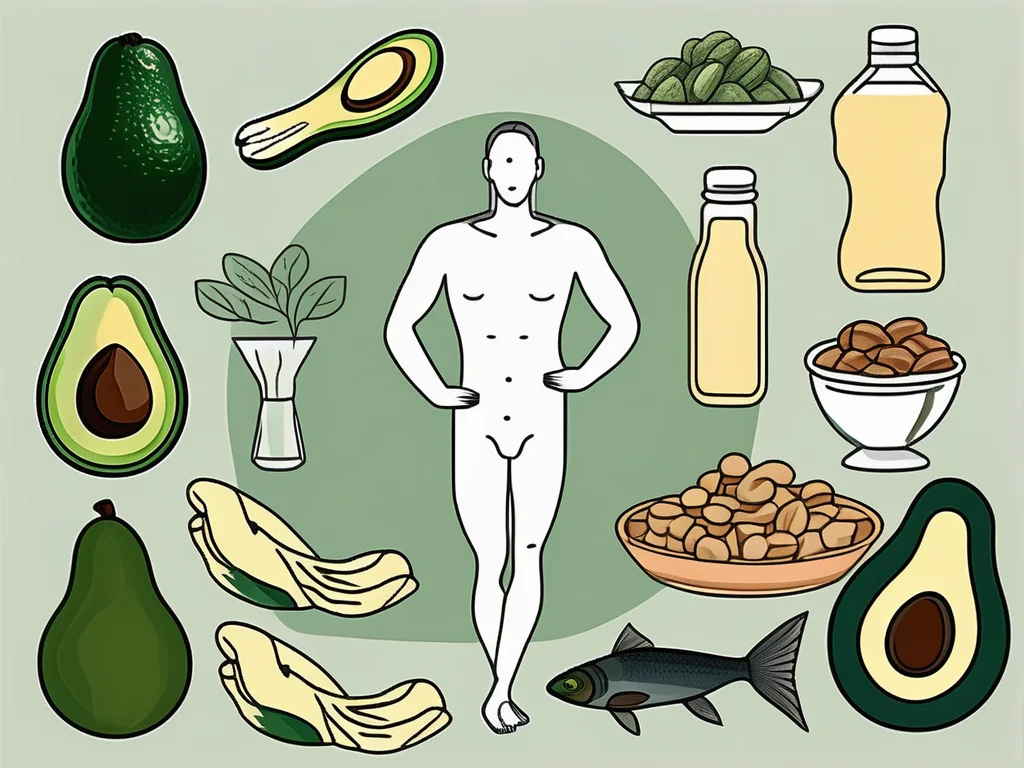
- Avocados: Packed with monounsaturated fats and vitamin E.
- Nuts and seeds: Almonds, walnuts, and chia seeds provide omega-3s and omega-6s.
- Fatty fish: Salmon, mackerel, and sardines are excellent sources of omega-3s.
- Olive oil: A heart-healthy fat for cooking or dressings.
- Flaxseeds: Rich in omega-3s and fiber.
Aim for moderation, as excessive fat intake can lead to weight gain. A general guideline is to include healthy fats in 20-35% of your daily caloric intake, depending on your needs.
2. Monitor Fat-Soluble Vitamin Intake
Ensure adequate consumption of vitamins A, D, E, and K through foods like:
- Vitamin A: Carrots, sweet potatoes, spinach
- Vitamin D: Fortified dairy, egg yolks, sunlight exposure
- Vitamin E: Sunflower seeds, almonds, spinach
- Vitamin K: Kale, broccoli, Brussels sprouts
Pair these foods with healthy fats to enhance absorption.
3. Maintain a Balanced Omega-3 and Omega-6 Ratio
Western diets often have an imbalance, with too much omega-6 and insufficient omega-3. To correct this:
- Increase omega-3-rich foods (e.g., fatty fish, flaxseeds).
- Reduce processed foods high in omega-6 (e.g., vegetable oils).
- Aim for a 4:1 or lower ratio of omega-6 to omega-3 for optimal health.
4. Consult a Dietitian for Personalized Plans
A registered dietitian can assess your dietary needs and recommend a plan to address fat deficiencies. They may suggest:
- Gradual inclusion of healthy fats
- Monitoring for vitamin deficiencies
- Balancing other nutrients like proteins and carbohydrates
5. Consider Supplementation When Necessary
If dietary changes aren’t enough, supplements like fish oil capsules or vitamin-specific supplements may help. Always consult a healthcare professional before starting supplementation to avoid overconsumption.
6. Medical Intervention for Severe Cases
In rare cases of severe fat deficiency, medical intervention may be required. This could include:
- Intravenous fat administration
- Tailored treatments for specific deficiencies
- Ongoing monitoring by healthcare professionals
Common Questions About Fat Deficiency Diseases
What foods are high in healthy fats? Avocados, nuts, seeds, olive oil, and fatty fish like salmon are excellent sources of healthy fats that support overall health.
How do I know if I have a fat deficiency? Symptoms like dry skin, hair loss, fatigue, or hormonal irregularities may indicate a fat deficiency. Consult a doctor for a proper diagnosis.
Can fat deficiency affect mental health? Yes, since the brain relies on fats for cognitive function, a deficiency can lead to poor memory, focus issues, or mood disorders.
Are supplements safe for addressing fat deficiency? Supplements like fish oil or vitamin capsules can help, but they should only be taken under medical supervision to avoid complications.
How much fat should I consume daily? Healthy fats should make up 20-35% of your daily calories, depending on your age, activity level, and health goals. A dietitian can provide personalized guidance.
Conclusion: Embrace Healthy Fats for Optimal Health
Fats are not the enemy—they’re a vital component of a balanced diet. Fat deficiency diseases, such as essential fatty acid deficiency, vitamin deficiencies, and hormonal imbalances, can significantly impact your health. By incorporating healthy fats like avocados, nuts, and fatty fish into your diet, monitoring vitamin intake, and seeking professional guidance when needed, you can prevent these conditions and promote long-term well-being.