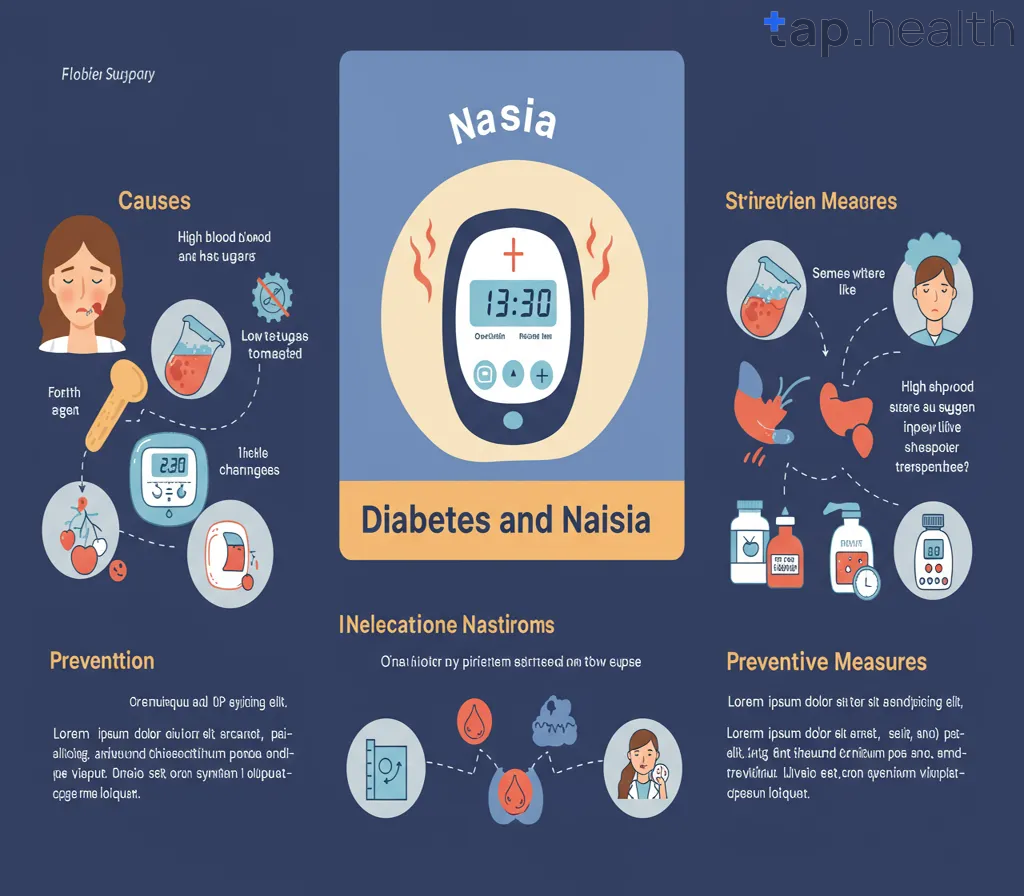
If you have diabetes, you might have experienced a range of symptoms—from fluctuating blood sugar levels to feeling fatigued. But did you know that nausea could also be a side effect of diabetes? It’s not as commonly talked about, but nausea can be a significant issue for people living with this condition. Understanding the connection between diabetes and nausea is crucial for better managing your health.
In this comprehensive guide, we’ll answer the question: Can diabetes make you nauseated? We’ll explore how diabetes can lead to nausea, its causes, and what you can do to treat or prevent it. Whether you’re dealing with nausea yourself or supporting a loved one with diabetes, this article will help you understand how nausea is linked to diabetes and how to alleviate it.
Can Diabetes Make You Nauseated?
Yes, diabetes can make you feel nauseated. Nausea can result from various factors related to diabetes, including blood sugar imbalances, complications like diabetic ketoacidosis (DKA), or side effects from medications. While nausea itself is not a typical symptom of diabetes, people living with diabetes often experience it due to specific issues linked to the condition.
Here are some reasons why diabetes might make you nauseated:
1. High Blood Sugar (Hyperglycemia)
When your blood sugar levels rise too high, it can cause several symptoms, including nausea. Hyperglycemia can lead to dehydration, which can make you feel nauseated. Additionally, when your blood sugar remains elevated for an extended period, it can affect your metabolism and lead to complications like diabetic ketoacidosis (DKA), which can cause nausea and vomiting.
2. Low Blood Sugar (Hypoglycemia)
On the flip side, hypoglycemia—or low blood sugar—can also cause nausea. When your blood sugar drops too low, your body releases stress hormones like adrenaline to try to increase glucose levels. This response can lead to symptoms like dizziness, nausea, shaking, and sweating.
3. Diabetic Ketoacidosis (DKA)
One of the more severe complications of poorly managed diabetes is diabetic ketoacidosis (DKA). This happens when your body starts breaking down fats instead of glucose for energy, leading to a buildup of ketones in the blood. High levels of ketones can make your blood acidic, which can cause nausea, vomiting, abdominal pain, and confusion. DKA is a medical emergency that requires immediate attention.
4. Gastroparesis
Gastroparesis is a condition that affects the stomach’s ability to empty properly. It’s common among people with long-term diabetes, especially those with high blood sugar levels. Gastroparesis can slow down digestion, leading to nausea, vomiting, bloating, and a feeling of fullness even after eating small amounts of food.
5. Medications and Side Effects
Some medications used to manage diabetes, such as metformin, GLP-1 receptor agonists, and insulin, can cause nausea as a side effect. While the nausea usually resolves after the body adjusts to the medication, it can be bothersome for some people.
6. Dehydration
Dehydration is a common problem for people with diabetes, especially if blood sugar levels are poorly controlled. High blood sugar leads to increased urination, which can result in fluid loss and dehydration. This dehydration can cause nausea, along with other symptoms like dry mouth and dizziness.
How Does High Blood Sugar (Hyperglycemia) Cause Nausea?
High blood sugar, or hyperglycemia, is a common issue for people with diabetes. When your blood sugar levels rise too high, it can cause nausea and a variety of other symptoms. Let’s take a closer look at how hyperglycemia contributes to nausea:
1. Dehydration from Increased Urination
When blood sugar levels are too high, your kidneys work harder to filter out the excess glucose, leading to increased urination. As a result, you lose fluids, which can cause dehydration. Dehydration can make you feel lightheaded, dizzy, and nauseated. Drinking enough water and managing your blood sugar levels can help prevent dehydration-related nausea.
2. Diabetic Ketoacidosis (DKA)
If blood sugar remains high for an extended period, the body may enter a state called diabetic ketoacidosis (DKA). DKA occurs when the body starts breaking down fat for energy instead of glucose, leading to the production of ketones. Ketones make the blood acidic, which can cause nausea, vomiting, abdominal pain, and confusion. DKA requires immediate medical attention to prevent more serious complications.
How Does Low Blood Sugar (Hypoglycemia) Cause Nausea?
While high blood sugar is commonly linked to nausea in diabetes, low blood sugar (hypoglycemia) can also be a culprit. Let’s take a closer look at how low blood sugar can make you feel nauseated:
1. Release of Stress Hormones
When your blood sugar drops too low, your body releases stress hormones like adrenaline and cortisol to raise glucose levels. These hormones can trigger symptoms like shaking, dizziness, sweating, and nausea. The nausea often occurs along with other signs of hypoglycemia, such as confusion, weakness, and irritability.
2. Gastrointestinal Effects
Low blood sugar can also affect your gastrointestinal system. Some people experience nausea, bloating, and even abdominal cramps when their blood sugar drops too low. It’s important to monitor your blood sugar levels and treat hypoglycemia promptly to prevent these uncomfortable symptoms.
How Does Gastroparesis Contribute to Nausea in Diabetes?
Gastroparesis is a condition that affects the digestive system, particularly the stomach. It’s a complication of diabetes that can lead to nausea and vomiting. In gastroparesis, the stomach doesn’t empty food as quickly as it should, leading to digestive problems.
1. Slow Digestion
Gastroparesis occurs when high blood sugar levels damage the nerves that control the stomach muscles. This nerve damage can slow down the movement of food through the digestive system, causing nausea, bloating, and a feeling of fullness even after eating small amounts of food.
2. Difficulty Managing Blood Sugar
Gastroparesis can make it harder to control blood sugar levels. Since food is digested more slowly, it’s difficult to predict how long it will take for food to affect blood glucose levels. This can lead to fluctuations in blood sugar, contributing to nausea and other symptoms.
How Can Diabetes Medications Cause Nausea?
Certain medications used to manage diabetes can also lead to nausea. Some of the most common medications associated with nausea include:
1. Metformin
Metformin is one of the most commonly prescribed medications for type 2 diabetes. While it is highly effective at controlling blood sugar, it can cause gastrointestinal side effects, including nausea, especially when starting the medication or increasing the dose.
2. GLP-1 Receptor Agonists
Medications like liraglutide (Victoza) and exenatide (Byetta) belong to a class of drugs called GLP-1 receptor agonists. These medications help lower blood sugar by stimulating insulin release and slowing stomach emptying. However, they can also cause nausea, especially when you first start taking them.
3. Insulin
Insulin therapy is essential for people with type 1 diabetes and some people with type 2 diabetes. While insulin itself doesn’t typically cause nausea, improper dosing or fluctuations in blood sugar due to insulin can lead to nausea.
How to Manage and Treat Nausea from Diabetes
If you’re experiencing nausea due to diabetes, it’s important to address the underlying cause. Here are some strategies to manage and treat nausea:
1. Monitor Blood Sugar Levels
The best way to prevent nausea related to diabetes is to maintain healthy blood sugar levels. Regularly monitor your blood glucose and take steps to prevent both hyperglycemia and hypoglycemia. Aim for a stable blood sugar range and avoid large fluctuations.
2. Stay Hydrated
Drinking plenty of water is crucial to prevent dehydration, especially if you have high blood sugar. Staying hydrated can help alleviate nausea and prevent other complications like dizziness and fatigue.
3. Eat Small, Frequent Meals
If you have gastroparesis or experience nausea after eating, try eating small, frequent meals throughout the day. Avoid heavy, greasy, or spicy foods, which can irritate your stomach and worsen nausea.
4. Adjust Your Medications
If your diabetes medications are causing nausea, talk to your doctor about adjusting the dosage or switching to a different medication. For example, taking metformin with food can reduce nausea. Your doctor may also suggest a different type of medication or insulin regimen.
5. Treat Underlying Conditions
If your nausea is caused by conditions like diabetic ketoacidosis, infections, or gastroparesis, it’s important to seek medical treatment. For DKA, prompt medical intervention is essential to restore electrolyte balance and prevent serious complications.
6. Manage Stress
Stress and anxiety can worsen nausea. Consider practicing relaxation techniques such as deep breathing, meditation, or yoga to help manage stress and reduce nausea.
Frequently Asked Questions (FAQs)
1. Can diabetes cause nausea even if blood sugar levels are normal?
Yes, nausea can still occur in people with diabetes, even if blood sugar levels are within the normal range. Other factors, such as gastroparesis, medications, or stress, can contribute to nausea.
2. What is diabetic ketoacidosis (DKA), and how does it cause nausea?
DKA is a serious complication of diabetes that occurs when the body produces high levels of ketones due to a lack of insulin. The accumulation of ketones makes the blood acidic, which can cause nausea, vomiting, abdominal pain, and confusion. DKA requires immediate medical attention.
3. How do I know if my nausea is caused by high or low blood sugar?
If you experience nausea along with symptoms like dizziness, sweating, or shaking, it may be due to low blood sugar (hypoglycemia). If nausea is accompanied by excessive thirst, frequent urination, or fruity-smelling breath, it could indicate high blood sugar (hyperglycemia) or DKA.
4. What should I do if I feel nauseated from diabetes medications?
If you experience nausea from diabetes medications, talk to your doctor. They may adjust your medication, recommend taking it with food, or prescribe a different treatment.
5. Can dehydration cause nausea in people with diabetes?
Yes, dehydration caused by high blood sugar can lead to nausea. When blood sugar levels are elevated, the body loses fluids through increased urination, which can cause dehydration and contribute to nausea.
Conclusion
Nausea is a common yet often overlooked symptom for people with diabetes. Whether it’s due to high or low blood sugar, complications like diabetic ketoacidosis, or medication side effects, understanding the link between diabetes and nausea is essential for managing the condition effectively. By monitoring blood sugar, staying hydrated, and treating underlying causes like gastroparesis or infections, you can alleviate nausea and improve your overall well-being. Always consult with your healthcare provider if nausea becomes persistent or severe to ensure proper diagnosis and treatment.