Diabetes is a chronic condition that requires careful management of your diet. What you eat plays a huge role in managing blood sugar levels and maintaining overall health. One of the questions that often arise is whether certain foods, like brown rice cakes, are safe for diabetics to consume.
Brown rice cakes are a popular snack, often seen as a healthier alternative to regular rice cakes because of the added fiber and nutrients from brown rice. But when it comes to diabetes, it’s essential to understand how these snacks affect blood sugar and if they fit into a diabetic meal plan.
In this blog, we will explore everything you need to know about brown rice cakes and diabetes. From their nutritional content to their impact on blood sugar levels, we’ve got you covered.
What Are Brown Rice Cakes?
Before diving into whether diabetics can eat them, let’s first understand what brown rice cakes are.
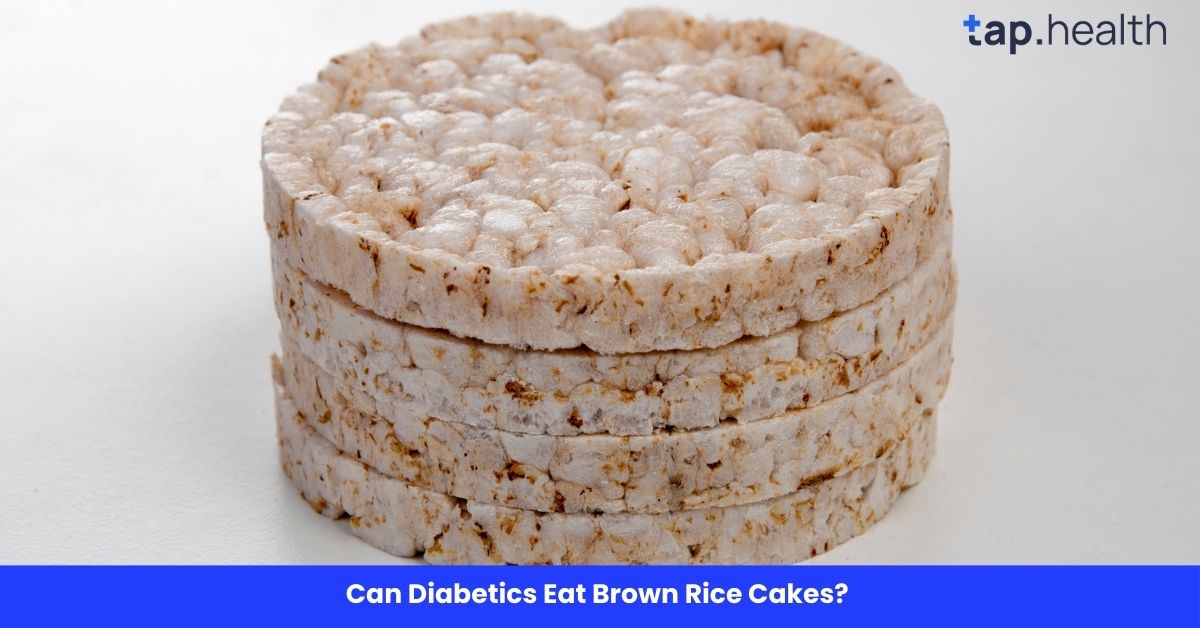
Brown rice cakes are made from puffed brown rice, which is rice that has been steamed and then compressed into thin, round cakes. They are commonly available in health food stores and are seen as a light snack option. Compared to white rice cakes, brown rice cakes are made from whole-grain rice, which retains the bran and germ, providing more fiber and nutrients.
Nutritional Content of Brown Rice Cakes
Brown rice cakes are relatively low in calories but provide a decent amount of carbohydrates, fiber, and some micronutrients. Here’s a basic nutritional breakdown of a typical brown rice cake (1 cake, approximately 9 grams):
- Calories: 35-50 kcal
- Carbohydrates: 7-9 grams
- Fiber: 1 gram
- Protein: 1 gram
- Fat: 0 grams
- Sodium: 0-5 milligrams (depending on brand)
- Vitamins & Minerals: Small amounts of magnesium, potassium, and B vitamins
As you can see, brown rice cakes are not a high-calorie food, and the fiber content helps to slow down the digestion of carbohydrates, which can have a positive effect on blood sugar levels.
Can Diabetics Eat Brown Rice Cakes?
The short answer is yes, diabetics can eat brown rice cakes in moderation. However, like any food, it’s essential to consider how brown rice cakes fit into your overall diet and how they affect your blood sugar.
The Glycemic Index (GI) of Brown Rice Cakes
One of the most important factors to consider for diabetics is the Glycemic Index (GI). The GI measures how quickly a carbohydrate-containing food raises blood glucose levels. Foods with a high GI cause rapid spikes in blood sugar, while those with a low GI are digested more slowly, causing a gradual increase in blood sugar.
Brown rice cakes have a medium glycemic index, which means they can raise blood sugar levels moderately. This is because even though they are made from brown rice (which is lower on the GI scale than white rice), the puffing process can increase their GI. Generally, brown rice has a GI of about 50-55, but the puffed version may have a GI closer to 70-80.
For diabetics, it’s essential to pair brown rice cakes with foods that help stabilize blood sugar, such as protein, healthy fats, or fiber-rich foods.
Portion Control Matters
Although brown rice cakes are healthier than regular rice cakes, portion control is key for diabetics. Overeating any food, including brown rice cakes, can lead to elevated blood sugar levels.
Tips for Eating Brown Rice Cakes as a Diabetic:
- Pair with Protein: Try topping your rice cakes with protein-rich foods like nuts, peanut butter, or a hard-boiled egg to slow down the sugar absorption.
- Combine with Healthy Fats: Add a slice of avocado or some seeds to make your snack more balanced.
- Watch the Toppings: Be mindful of high-sugar toppings, such as jam or honey, as these can spike blood sugar levels.
- Avoid Overconsumption: Stick to a reasonable portion size, typically 1-2 cakes, and incorporate them into your overall daily carbohydrate intake.
What Are the Benefits of Brown Rice Cakes for Diabetics?
While brown rice cakes are not a magical food, they do have several benefits for diabetics when eaten as part of a balanced diet.
1. High in Fiber
The fiber content in brown rice cakes helps slow down the digestion process, which in turn can prevent rapid blood sugar spikes. Fiber also supports gut health and aids in digestion, which is beneficial for those with diabetes.
2. Low in Calories
If you are managing your weight alongside diabetes, brown rice cakes can be a good snack option. With only 35-50 calories per cake, they are low in calories, which can help with weight management.
3. Provides Essential Nutrients
Brown rice cakes provide small amounts of important nutrients like magnesium, which is known to support healthy blood sugar regulation. Additionally, brown rice contains antioxidants that can help reduce inflammation and support overall health.
4. Gluten-Free Option
For individuals with diabetes who also have gluten sensitivity or celiac disease, brown rice cakes can be a great gluten-free snack alternative.
Risks and Considerations of Brown Rice Cakes for Diabetics
Although brown rice cakes can be part of a diabetic diet, there are some considerations to keep in mind:
1. Carbohydrate Content
While the carbohydrate content in brown rice cakes is moderate, it can add up quickly if you eat more than one or two cakes at a time. Carbs turn into glucose in the body, and consuming too many carbs at once can lead to elevated blood sugar levels.
2. Higher GI When Puffing Is Involved
The puffing process involved in making rice cakes can increase the glycemic index, making them less ideal for diabetics compared to whole grains like brown rice or quinoa. The GI of rice cakes is higher than that of regular brown rice, which may cause quicker spikes in blood sugar.
3. Potential for Overconsumption
Because brown rice cakes are light and crispy, it can be easy to overeat them. Consuming them in large quantities may not align with the need for blood sugar control.
Can Brown Rice Cakes Help with Weight Management in Diabetics?
Brown rice cakes can be a helpful food for diabetics who are also managing their weight. Since they are low in calories and high in fiber, they can provide a filling snack without adding too many calories. Eating brown rice cakes with protein-rich or healthy fat toppings can further increase satiety, helping control hunger between meals.
How to Make Brown Rice Cakes Healthier for Diabetics?
Here are some ideas to make your brown rice cake snack even healthier:
1. Top with Nut Butters
Add almond butter, peanut butter, or cashew butter to brown rice cakes for a tasty and filling snack. These nut butters are rich in healthy fats and protein, which help balance blood sugar levels.
2. Pair with Veggies
Use brown rice cakes as a base for veggie toppings. Sliced avocado, cucumber, or tomatoes can make for a refreshing, low-calorie, and diabetes-friendly snack.
3. Add a Protein Source
Pairing brown rice cakes with lean protein like turkey slices, boiled eggs, or tofu can help balance blood sugar by slowing the absorption of carbohydrates.
Real-Life Scenario
Consider Sarah, a 45-year-old woman with type 2 diabetes. She enjoys snacking on brown rice cakes but notices occasional spikes in her blood sugar levels. After consulting with her healthcare provider, Sarah learns that while brown rice cakes are a better option than white rice cakes, they still have a high glycemic index. By pairing them with a protein source like almond butter or a healthy fat like avocado, Sarah can mitigate the blood sugar spikes and enjoy her snack in moderation.
Expert Contribution
Dr. Emily Chen, a registered dietitian specializing in diabetes care, advises, “While brown rice cakes can be part of a diabetic diet, it’s crucial to pair them with protein or healthy fats to slow down the absorption of carbohydrates and prevent rapid blood sugar spikes.”
Similarly, Michael Anderson, an endocrinologist, emphasizes the importance of portion control. “Limiting the intake to one or two rice cakes and monitoring blood glucose levels can help individuals with diabetes manage their condition effectively.”
Recommendations Grounded in Proven Research and Facts
To incorporate brown rice cakes into a diabetic-friendly diet, consider the following evidence-based recommendations:
1. Pair with Protein or Healthy Fats
Combining brown rice cakes with protein-rich or healthy fat foods can slow down the digestion of carbohydrates, leading to a more gradual increase in blood sugar levels.
Examples:
- Nut butter (almond, peanut)
- Avocado slices
- Cottage cheese
- Hard-boiled eggs
2. Monitor Portion Sizes
Consuming multiple rice cakes in one sitting can lead to excessive carbohydrate intake. Stick to one or two rice cakes per snack and account for them in your total daily carbohydrate intake.
3. Choose Whole-Grain Options
Opt for brown rice cakes made from whole grains, as they contain more fiber and nutrients compared to those made from refined grains. Fiber helps slow down the absorption of sugar, aiding in blood sugar control.
4. Avoid High-Sugar Toppings
Toppings like jam, honey, or sugary spreads can negate the benefits of brown rice cakes. Instead, choose toppings that are low in sugar and high in nutrients.
5. Monitor Blood Sugar Levels
After consuming brown rice cakes, monitor your blood glucose levels to understand how they affect your body. This can help you make informed decisions about portion sizes and frequency of consumption.
Frequently Asked Questions (FAQs) on Can Diabetics Eat Brown Rice Cakes?
1. Can Diabetics Eat Rice Cakes Regularly?
Diabetics can eat rice cakes, including brown rice cakes, but they should be consumed in moderation. It’s essential to consider the portion size and combine rice cakes with other foods to balance blood sugar levels.
2. Are Brown Rice Cakes Better Than White Rice Cakes for Diabetics?
Yes, brown rice cakes are better than white rice cakes for diabetics. Brown rice is a whole grain and contains more fiber, which can help stabilize blood sugar. White rice cakes, on the other hand, are made from refined rice, which lacks the fiber and nutrients found in brown rice.
3. How Do Brown Rice Cakes Affect Blood Sugar?
Brown rice cakes have a moderate glycemic index, meaning they can cause a moderate increase in blood sugar. To prevent spikes, it’s recommended to pair them with foods that slow down sugar absorption, such as protein and healthy fats.
4. Can I Eat Brown Rice Cakes on a Low-Carb Diet for Diabetes?
If you are following a low-carb diet for diabetes, brown rice cakes may not be the best option due to their carbohydrate content. However, you can still include them in your diet occasionally, just be mindful of your total daily carbohydrate intake.
5. What is the Best Way to Eat Brown Rice Cakes for Diabetics?
The best way for diabetics to eat brown rice cakes is by pairing them with protein, healthy fats, or fiber-rich vegetables. Avoid sugary toppings and keep portion sizes in check to prevent excessive carb intake.
Conclusion
In conclusion, brown rice cakes can be a healthy snack option for diabetics when eaten in moderation. Their high fiber content, low-calorie count, and essential nutrients make them a suitable choice, especially when paired with other foods that help balance blood sugar. However, it’s essential to be mindful of portion sizes and the glycemic index, as overeating rice cakes can still lead to spikes in blood sugar.
If you have diabetes, it’s always a good idea to consult your healthcare provider or a nutritionist before making changes to your diet. By making informed decisions, you can enjoy a variety of foods, including brown rice cakes, while effectively managing your blood sugar levels.