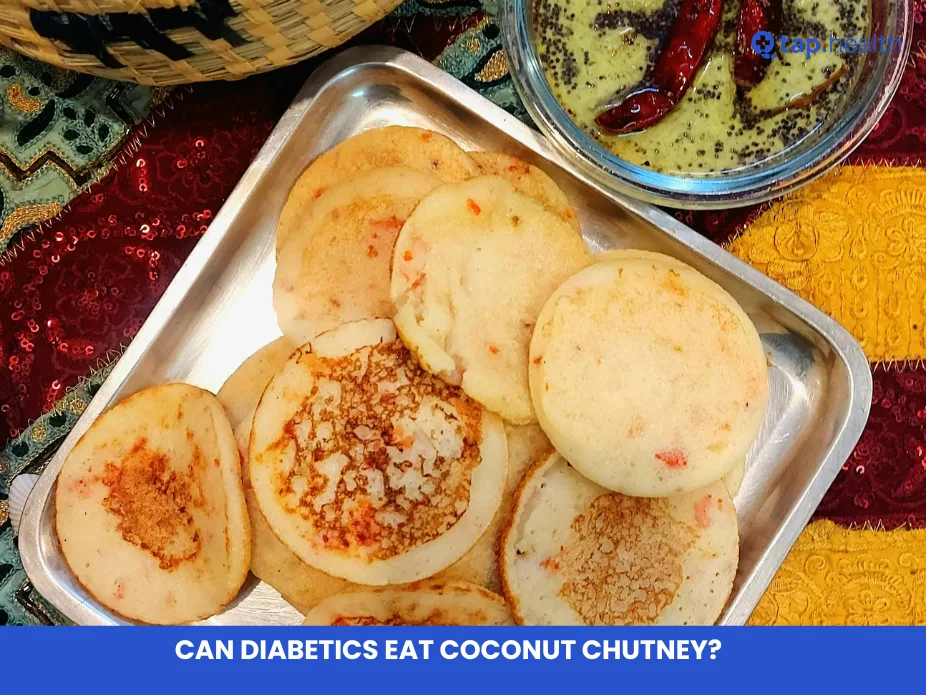
Coconut chutney is a staple condiment in Indian cuisine, often enjoyed with dishes like dosa, idli, and vada. Its creamy texture and unique flavor make it a favorite, but for those managing diabetes, the question arises: Is coconut chutney safe to eat? Let’s explore the nutritional aspects, potential benefits, and risks of including coconut chutney in a diabetic-friendly diet.
What is Coconut Chutney?
Coconut chutney is a blend of grated coconut, roasted lentils (usually urad dal), green chilies, and spices. It is typically tempered with mustard seeds, curry leaves, and asafoetida for added flavor. While it is rich in taste, understanding its nutritional profile is crucial for diabetics.
Nutritional Profile of Coconut Chutney
The nutritional value of coconut chutney can vary depending on the recipe. On average, 2 tablespoons (approximately 30 grams) contain:
- Calories: 45-60
- Carbohydrates: 2-4 grams
- Fiber: 1-2 grams
- Fat: 4-5 grams
- Protein: 1-2 grams
Coconut chutney is high in healthy fats, moderate in carbs, and a good source of fiber.
Can Diabetics Eat Coconut Chutney?
Yes, diabetics can eat coconut chutney, but portion control is key. The ingredients in coconut chutney, such as coconut and lentils, provide health benefits but can impact blood sugar levels if consumed in large quantities.
Benefits of Coconut Chutney for Diabetics
1. Rich in Healthy Fats
Coconut is a source of medium-chain triglycerides (MCTs), which provide energy and may improve insulin sensitivity.
2. High in Fiber
The fiber content in coconut and lentils helps slow the absorption of sugar into the bloodstream, reducing the risk of sugar spikes.
3. Low Glycemic Index Ingredients
Most ingredients in coconut chutney, like coconut, lentils, and spices, have a low glycemic index (GI), making it a safer choice for diabetics.
4. Boosts Digestive Health
Asafoetida and curry leaves used in tempering have digestive benefits, which can aid in overall gut health.
Risks of Eating Coconut Chutney for Diabetics
1. High-Calorie Content
Coconut chutney is calorie-dense due to its fat content. Overeating can contribute to weight gain, which is a risk factor for diabetes.
2. Portion Control Matters
Eating large servings can increase overall carb and calorie intake, potentially affecting blood sugar levels.
3. Added Ingredients
Some recipes may include sugar or high-carb additives, which should be avoided by diabetics.
How to Make Diabetic-Friendly Coconut Chutney
Here’s a simple, diabetes-friendly recipe for coconut chutney:
Ingredients:
- ½ cup fresh grated coconut
- 1 tablespoon roasted gram (chana dal)
- 1 green chili (adjust to taste)
- 1 teaspoon ginger
- ¼ teaspoon salt (optional)
- Water as needed
For Tempering:
- 1 teaspoon coconut oil
- ½ teaspoon mustard seeds
- 5-6 curry leaves
Instructions:
- Blend the grated coconut, roasted gram, green chili, ginger, and water into a smooth paste.
- Heat oil in a small pan, add mustard seeds, and curry leaves. Let them crackle.
- Pour the tempering over the chutney and mix well.
Real-Life Scenarios
Priya’s Routine
Priya, a Type 2 diabetic, includes coconut chutney in her meals twice a week. She pairs it with whole-grain dosa and ensures her chutney portion does not exceed 2 tablespoons to maintain steady glucose levels.
Raj’s Experiment
Raj replaced regular chutney with a high-fiber version by adding flaxseeds and reduced the quantity of coconut. His glucose readings showed improved control.
Expert Contributions
Dr. Meera Nair, a clinical nutritionist, says:
“Coconut chutney can be part of a diabetic diet when consumed in moderation. Adding ingredients like flaxseeds or fenugreek can enhance its health benefits while reducing its glycemic impact.”
For more insights, visit Diabetes.co.uk: Coconut and Diabetes.
Recommendations Grounded in Proven Research
- Portion Control: Limit your serving size to 1-2 tablespoons.
- Add Fiber: Mix in chia seeds, flaxseeds, or roasted fenugreek to boost fiber content.
- Avoid Sweeteners: Skip adding sugar or jaggery to the chutney.
- Pair with Low-GI Foods: Combine coconut chutney with foods like whole-grain dosa or steamed vegetables.
- Monitor Blood Sugar: Test your glucose levels post-meal to understand its impact.
Frequently Asked Questions (FAQs) on Can Diabetics Eat Coconut Chutney?
1. Does coconut chutney raise blood sugar?
Coconut chutney has a low glycemic index, so it doesn’t cause a rapid spike in blood sugar if eaten in moderation.
2. Can coconut chutney be eaten daily by diabetics?
It can be eaten a few times a week, but daily consumption might add excess calories and fat.
3. Is fresh coconut better than dried coconut in chutney?
Fresh coconut is preferred as it contains more fiber and less concentrated fat compared to dried coconut.
4. Are there healthier alternatives to coconut chutney for diabetics?
Yes, mint chutney, tomato chutney, or coriander chutney with no added sugar are excellent alternatives.
5. Can coconut chutney help manage diabetes?
While it’s not a cure, the healthy fats and fiber in coconut chutney can support glucose management as part of a balanced diet.