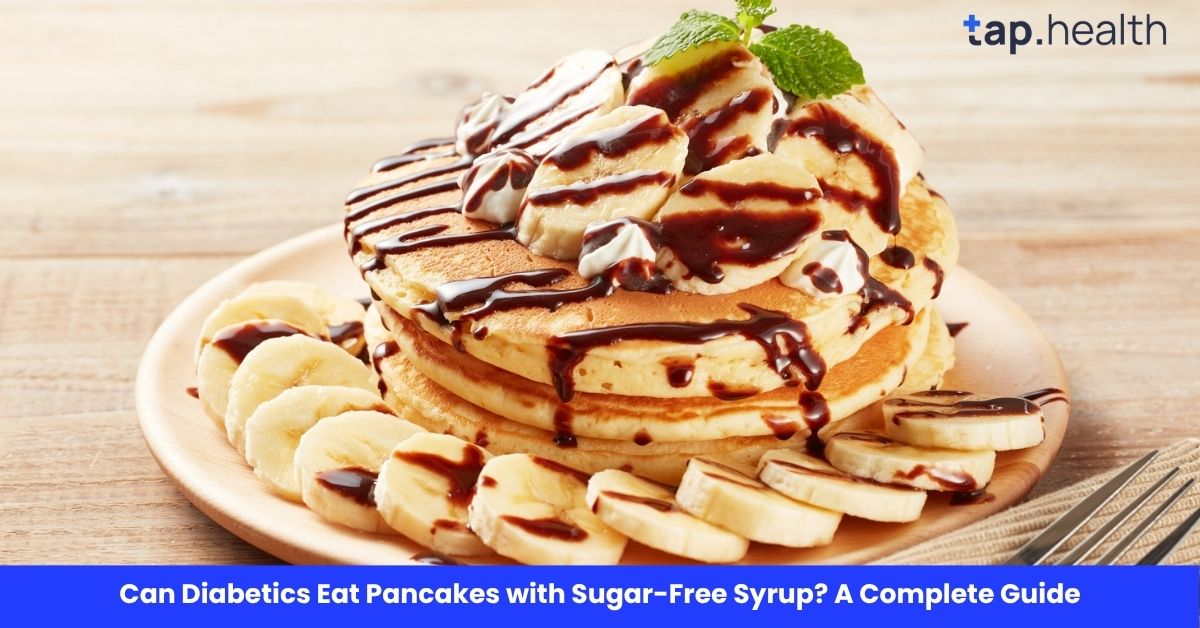
Diabetes is a condition that requires careful management of blood sugar levels. One question many diabetics ask is whether they can enjoy pancakes with syrup—especially when choosing sugar-free alternatives. While pancakes are often seen as a high-carb indulgence, it’s possible for diabetics to enjoy this breakfast favorite by making a few mindful choices. But is sugar-free syrup really a safe option? Let’s dive into this topic to help you make informed decisions about managing blood sugar while still enjoying delicious meals.
What Does it Mean to Have Diabetes?
Diabetes is a chronic condition where the body either doesn’t produce enough insulin or can’t effectively use the insulin it makes. Insulin is a hormone that helps regulate blood sugar (glucose) levels. There are two main types of diabetes:
- Type 1 Diabetes – A condition where the body doesn’t produce any insulin.
- Type 2 Diabetes – A condition where the body doesn’t use insulin properly, leading to insulin resistance.
Both types of diabetes can lead to high blood sugar levels, which can cause complications over time. People with diabetes need to carefully monitor their food intake to avoid spikes in blood sugar levels.
Can Diabetics Eat Pancakes?
The simple answer is yes—diabetics can enjoy pancakes, but with a few important considerations. Pancakes are typically made from flour, sugar, and milk, which can cause a rise in blood sugar due to their carbohydrate content. However, with the right substitutions, diabetics can still include pancakes in their diet without causing significant harm to their blood sugar levels.
Ingredients Matter
The type of flour you use for pancakes can make a big difference. Traditional white flour is refined and can cause blood sugar spikes. Instead, opt for whole grains like whole wheat flour or even almond flour, which are lower in carbohydrates and have a lower glycemic index (GI).
You can also try low-carb pancake recipes that use almond flour, coconut flour, or even flaxseed meal. These alternatives are rich in fiber and healthy fats, helping slow down the absorption of sugar into the bloodstream and preventing blood sugar spikes.
Portion Control
Portion sizes matter when it comes to managing diabetes. While pancakes are a fun and tasty breakfast option, eating them in moderation is key. A smaller portion of pancakes made with healthier ingredients can be a great choice, especially when paired with a protein source, like eggs or Greek yogurt, which can help stabilize blood sugar levels.
What About Syrup?
Now, let’s talk about syrup, a common topping for pancakes. Traditional syrup, such as maple syrup, is packed with sugar and can quickly spike blood sugar levels. This is why many diabetics opt for sugar-free syrup alternatives, which are made with artificial sweeteners or sugar substitutes.
Sugar-Free Syrups: Are They Safe for Diabetics?
Sugar-free syrups often contain sugar substitutes like sucralose, aspartame, or stevia. These sweeteners don’t raise blood sugar levels the way regular sugar does, making them a popular choice for diabetics.
Artificial Sweeteners vs. Natural Sweeteners
When it comes to sugar-free syrups, you’ll find both artificial and natural sweeteners. Some common options include:
- Sucralose (Splenda) – An artificial sweetener that is 600 times sweeter than sugar but has little to no calories or carbs.
- Stevia – A plant-derived, natural sweetener with zero calories and carbs.
- Aspartame – Another artificial sweetener, often used in diet sodas, that has negligible effects on blood sugar levels.
While sugar-free syrups may be a better option than regular syrup for diabetics, it’s important to remember that sugar substitutes can affect individuals differently. Some people might experience digestive issues, headaches, or other side effects from artificial sweeteners. It’s always a good idea to monitor your blood sugar levels and see how your body reacts to different sweeteners.
Is Sugar-Free Syrup Really “Sugar-Free”?
It’s important to understand that “sugar-free” doesn’t necessarily mean “carb-free.” Many sugar-free syrups still contain carbs, especially if they use sugar alcohols like maltitol or erythritol. These sugar alcohols are lower on the glycemic index, but they can still affect blood sugar levels in some individuals, though to a lesser extent than regular sugar.
Always check the nutrition label for total carbohydrate content and consider how these carbs may affect your blood sugar.
Sweeteners to Avoid
Some sugar-free syrups may contain sweeteners that are not suitable for diabetics. High-fructose corn syrup (HFCS), for example, is a sweetener that’s often found in processed foods and can cause significant spikes in blood sugar. Always check the ingredients list to ensure you’re not getting hidden sugars or unhealthy additives.
How to Make Pancakes with Sugar-Free Syrup More Diabetic-Friendly?
Making pancakes diabetic-friendly doesn’t just stop at choosing the right ingredients. Here are a few tips on how to enjoy your pancakes with sugar-free syrup while keeping your blood sugar in check:
Add Protein
Pair your pancakes with protein-rich foods to help balance the meal. Proteins, such as eggs, lean meats, or plant-based proteins like tofu or beans, can help slow the absorption of sugars, keeping your blood sugar levels stable.
Use High-Fiber Flours
As mentioned, the type of flour you use for your pancakes is crucial. High-fiber flours like almond flour, coconut flour, and oat flour are excellent alternatives to white flour. Fiber helps regulate blood sugar by slowing the absorption of glucose into the bloodstream.
Limit the Portion Size
Even if you use healthier ingredients, eating too much of anything can still raise your blood sugar. Stick to small portions of pancakes and complement them with other nutritious foods, such as berries or a small serving of yogurt.
Go Easy on the Syrup
Even with sugar-free syrup, it’s easy to go overboard. Limit the amount of syrup you use, and instead, try adding fresh fruit for natural sweetness. Strawberries, blueberries, and raspberries are low in carbs and are a great way to top your pancakes.
Is There a Better Way to Enjoy Pancakes for Diabetics?
Yes! There are many creative ways to make your pancakes more diabetic-friendly while still enjoying a delicious meal. Here are some ideas:
Add Healthy Fats
Healthy fats from sources like avocados, nut butters, or seeds can help stabilize your blood sugar and make your meal more satisfying. For instance, topping your pancakes with almond butter or a handful of chia seeds can add flavor and help maintain healthy blood sugar levels.
Try Low-Carb Pancake Recipes
If you’re following a low-carb or ketogenic diet, you can try low-carb pancake recipes that use almond flour or coconut flour. These pancakes have fewer carbohydrates and a lower glycemic index, which makes them a better option for people with diabetes.
Real-Life Scenario
Ravi, a 45-year-old man with type 2 diabetes, loves pancakes for breakfast. He switches to sugar-free syrup and uses almond flour pancakes instead of regular ones. His blood sugar readings remain stable, and he can enjoy his favorite breakfast without worrying about spikes.
Expert Contribution
Nutritionists and endocrinologists agree that sugar-free syrup can be a safe alternative for diabetics. They emphasize that the total carbohydrate content of the meal matters more than the syrup alone. Pairing pancakes with protein sources like eggs or Greek yogurt can further help in controlling post-meal blood sugar levels.
Recommendations Grounded in Proven Research and Facts
- Use sugar-free syrup: Look for options with natural sweeteners like stevia or erythritol.
- Choose low-carb or whole-grain pancakes: This helps reduce blood sugar spikes.
- Control portion size: One or two small pancakes are preferable.
- Add protein or fiber: Toppings like nuts, seeds, or Greek yogurt can improve blood sugar management.
- Monitor blood sugar: Testing after meals helps understand how pancakes affect individual glucose levels.
FAQ: Can Diabetics Eat Pancakes with Sugar-Free Syrup?
1. Can diabetics eat pancakes with regular syrup?
While regular syrup is high in sugar and can cause spikes in blood sugar, diabetics should avoid it. Sugar-free syrup alternatives are a better option, but they should still be used in moderation.
2. What sweeteners are safe for diabetics in sugar-free syrup?
Sweeteners like stevia and sucralose are generally safe for diabetics. However, sugar alcohols like erythritol and maltitol should be monitored, as they can affect blood sugar levels in some individuals.
3. How can I make pancakes healthier for diabetes?
To make pancakes healthier for diabetes, use whole grain or low-carb flours, reduce sugar or syrup intake, and add protein or healthy fats to the meal.
4. Are sugar-free syrups the best option for diabetics?
Sugar-free syrups are generally a better choice than regular syrup, but it’s important to check the ingredient list and carb content. Moderation is key.
5. Can I add fruit to my pancakes if I have diabetes?
Yes, fruits like berries, which are low in carbs and high in fiber, can be a great addition to pancakes. They provide natural sweetness without causing blood sugar spikes.
6. How can I enjoy pancakes without affecting my blood sugar?
Stick to small portions, use low-carb or whole grain flours, pair with protein or healthy fats, and limit syrup or opt for fresh fruit as a topping.
Conclusion
In conclusion, diabetics can enjoy pancakes with sugar-free syrup, but it requires a bit of planning. Opting for healthier flour choices, controlling portions, and being mindful of sugar substitutes can help make pancakes a safe and enjoyable option. As always, it’s important to monitor your blood sugar levels after eating to see how your body reacts to different foods. By making informed choices, diabetics can enjoy pancakes without worrying about their blood sugar levels.