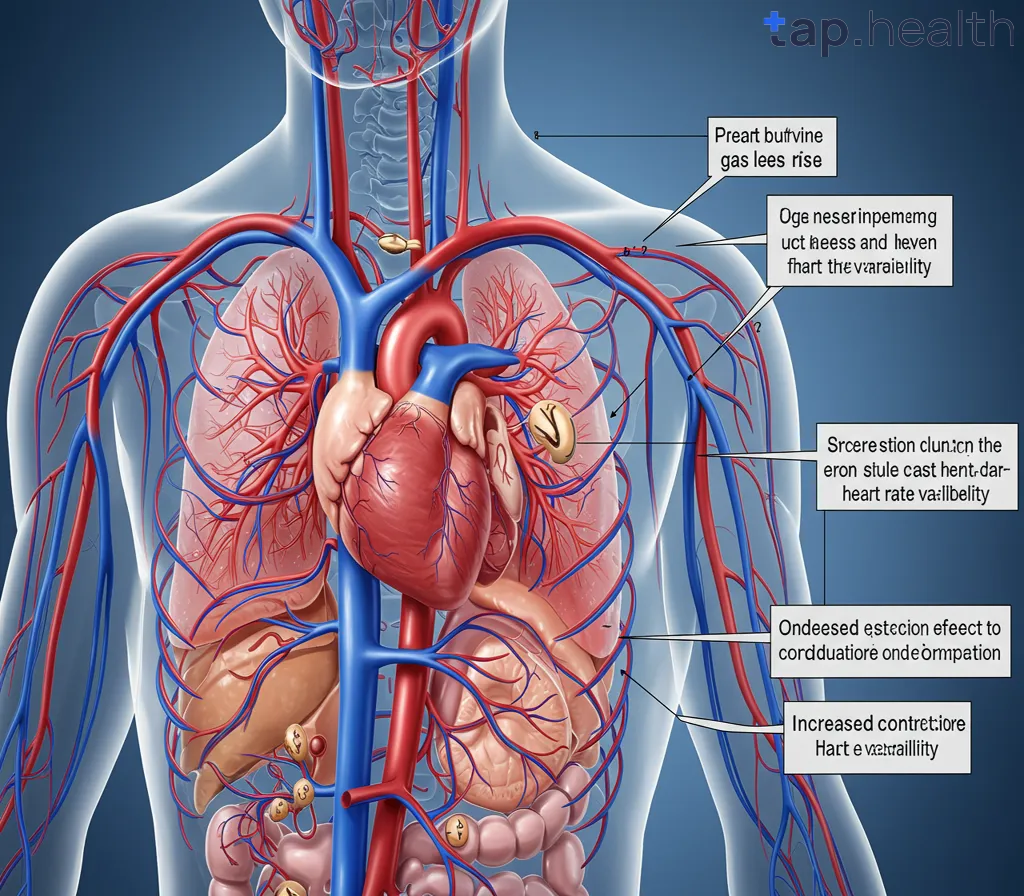
Heart rate, or pulse, is the number of times your heart beats in a minute. It can fluctuate for various reasons, such as physical activity, stress, emotions, and even the food you eat. But, can exposure to certain gases actually increase heart rate?
In this comprehensive guide, we’ll explore the link between different types of gases and how they can impact your heart rate. We’ll also discuss why your heart rate increases, the risks associated with gas exposure, and how you can protect your health.
What is Heart Rate?
Before we dive into the relationship between gas exposure and heart rate, it’s important to understand what heart rate is. Your heart rate is a key indicator of your heart’s activity and overall health. It measures how many times your heart beats in one minute.
Normal Heart Rate Ranges
- Adults: A normal resting heart rate for adults ranges from 60 to 100 beats per minute (bpm).
- Children: Resting heart rate can vary by age. For example, children between the ages of 6 to 15 have a normal resting heart rate of 70 to 100 bpm.
Heart rate can increase due to physical activity, emotional stress, or even as a response to certain environmental factors such as gases.
Can Gas Exposure Increase Heart Rate?
Yes, certain gases can increase heart rate, especially when inhaled in higher concentrations or over prolonged periods. The effects of gases like carbon monoxide, nitrogen dioxide, and sulfur dioxide on your cardiovascular system can indirectly or directly cause an increase in heart rate. Here’s how:
1. Carbon Monoxide and Heart Rate
Carbon monoxide (CO) is a colorless, odorless gas that is produced by incomplete combustion of carbon-containing fuels. It’s commonly found in car exhaust fumes, gas-powered appliances, and even tobacco smoke. While carbon monoxide poisoning is more often associated with respiratory issues, it can also have significant effects on your heart rate.
How Carbon Monoxide Increases Heart Rate:
- Reduced Oxygen in the Blood: When inhaled, carbon monoxide binds to hemoglobin in the blood, forming carboxyhemoglobin, which prevents the blood from carrying oxygen effectively. This leads to less oxygen being delivered to your organs and tissues, forcing your heart to work harder.
- Increased Heart Demand: As your body struggles to compensate for the lack of oxygen, your heart rate increases in an attempt to circulate more oxygenated blood. This can lead to tachycardia (an abnormally fast heart rate), especially if you’re exposed to high levels of carbon monoxide.
2. Nitrogen Dioxide and Heart Rate
Nitrogen dioxide (NO2) is a gas that is primarily released by vehicles, industrial processes, and the burning of fossil fuels. Long-term exposure to NO2 can negatively impact your respiratory and cardiovascular health, including increasing your heart rate.
How Nitrogen Dioxide Affects Heart Rate:
- Increased Blood Pressure: Nitrogen dioxide is a known air pollutant that can cause inflammation in the airways. Chronic exposure has been linked to higher blood pressure, which directly affects your heart rate. When blood pressure rises, your heart has to pump harder and faster to circulate blood.
- Vascular Effects: NO2 exposure can also trigger inflammation in the blood vessels, leading to reduced elasticity and harder pumping. The increased effort needed to push blood through stiffened arteries can cause your heart rate to rise.
3. Sulfur Dioxide and Heart Rate
Sulfur dioxide (SO2) is produced by burning coal and oil, as well as by certain industrial processes. While sulfur dioxide is most commonly associated with respiratory issues, it can also influence cardiovascular health.
How Sulfur Dioxide Contributes to Increased Heart Rate:
- Airway Irritation: SO2 can irritate the airways, making it difficult for the lungs to effectively exchange gases. This can cause shortness of breath, forcing the heart to increase its rate to compensate for the lack of oxygen.
- Increased Stress on the Heart: Inflammation and irritation caused by SO2 exposure can lead to higher blood pressure, similar to the effects of nitrogen dioxide. As your body works harder to maintain adequate oxygen levels, your heart rate can increase.
Why Does Gas Exposure Increase Heart Rate?
Now that we understand how different gases can influence heart rate, let’s explore why these gases cause this reaction in the first place.
1. Oxygen Deprivation
The primary reason gases like carbon monoxide cause an increase in heart rate is oxygen deprivation. When there’s less oxygen in your blood due to the presence of harmful gases, your heart compensates by beating faster to deliver more oxygen to your tissues.
2. Inflammation and Stress Response
Exposure to gases like NO2 and SO2 leads to inflammation in the airways and blood vessels. This inflammation is recognized by the body as stress, triggering an increase in heart rate to help the body respond to the perceived threat.
3. Increased Blood Pressure
Certain gases can cause vasoconstriction (narrowing of the blood vessels), which increases blood pressure. As the heart works harder to pump blood through constricted vessels, the heart rate naturally increases.
The Risks of Long-Term Gas Exposure on Heart Health
While short-term exposure to gases like carbon monoxide or nitrogen dioxide can cause temporary increases in heart rate, long-term exposure to these gases can have serious consequences for your cardiovascular health.
1. Chronic Heart Disease Risk
Long-term exposure to air pollutants, including carbon monoxide and nitrogen dioxide, can increase the risk of developing chronic heart diseases like atherosclerosis, heart failure, and hypertension. These conditions occur when the blood vessels are damaged over time, leading to higher blood pressure and increased strain on the heart.
2. Increased Risk of Heart Attack
When the heart has to work harder over an extended period of time, it can lead to heart attacks. As blood pressure rises, blood vessels can become damaged or blocked, increasing the risk of a heart attack. The presence of harmful gases in the air exacerbates this process, especially for individuals already at risk of heart disease.
How to Protect Yourself from Harmful Gases
While some exposure to gases is inevitable, there are several ways to minimize your risk and protect your heart health.
1. Install Carbon Monoxide Detectors
One of the best ways to protect yourself from carbon monoxide is to install a carbon monoxide detector in your home. These devices can alert you when CO levels rise, allowing you to take action before it becomes dangerous.
2. Improve Ventilation in Your Home
Make sure your home is well-ventilated, especially if you use gas-powered appliances. Proper ventilation reduces the concentration of harmful gases, decreasing the likelihood of exposure.
3. Limit Exposure to Air Pollutants
If you live in an area with high levels of air pollution, try to limit your time outdoors, especially during peak traffic hours. Using air purifiers inside your home can help reduce the concentration of pollutants like nitrogen dioxide and sulfur dioxide.
4. Maintain Regular Health Checkups
If you have pre-existing heart conditions or respiratory problems, it’s essential to maintain regular checkups with your healthcare provider. This can help detect early signs of gas-related health issues, such as increased blood pressure or inflammation.
FAQ on Can Gas Increase Heart Rate?
1. Can Carbon Monoxide Increase My Heart Rate?
Yes, carbon monoxide can increase your heart rate by reducing the amount of oxygen in your blood. The body compensates for this lack of oxygen by making your heart beat faster.
2. What Gases Are Known to Affect Heart Rate?
Gases like carbon monoxide, nitrogen dioxide, and sulfur dioxide can all affect heart rate. These gases can cause increased heart rate through mechanisms like oxygen deprivation, inflammation, and increased blood pressure.
3. How Does Nitrogen Dioxide Increase Heart Rate?
Nitrogen dioxide can increase heart rate by causing inflammation in the blood vessels and raising blood pressure. This forces the heart to work harder, leading to an elevated heart rate.
4. Can Long-Term Exposure to Gas Pollutants Cause Heart Disease?
Yes, long-term exposure to harmful gases like carbon monoxide and nitrogen dioxide can increase the risk of heart disease by contributing to inflammation, high blood pressure, and plaque buildup in the arteries.
5. How Can I Protect My Heart from Gas Exposure?
You can protect your heart by installing carbon monoxide detectors, improving ventilation in your home, limiting exposure to outdoor air pollution, and having regular health checkups to monitor your heart health.
Conclusion
Gas exposure, particularly to gases like carbon monoxide, nitrogen dioxide, and sulfur dioxide, can indeed increase heart rate. This occurs due to the body’s response to oxygen deprivation, inflammation, and increased blood pressure caused by these gases. While short-term exposure may cause temporary increases in heart rate, long-term exposure can have serious consequences for cardiovascular health, including an increased risk of heart disease and heart attacks.
By taking protective measures such as installing carbon monoxide detectors, improving home ventilation, and limiting exposure to outdoor pollutants, you can reduce your risk and protect your heart health. If you have pre-existing heart conditions, be sure to consult with your healthcare provider to assess your risk and get the necessary support.