Many women eagerly await the day their period is due, wondering if they might be pregnant. One of the most common questions that arise is: “Can I do a pregnancy test on the first missed period day?” This is a crucial question, especially for those who are eager to confirm their pregnancy as early as possible.
In this blog, we will explore whether you can take a pregnancy test on the first day of your missed period, how accurate it is, and what factors influence the test result. We’ll also answer other important questions about the timing of pregnancy tests.
Can I Take a Pregnancy Test on the First Missed Period Day?
The short answer is yes; you can take a pregnancy test on the first day of a missed period. However, the accuracy of the test may vary depending on several factors. To understand this better, let’s break down the process.
How Pregnancy Tests Work
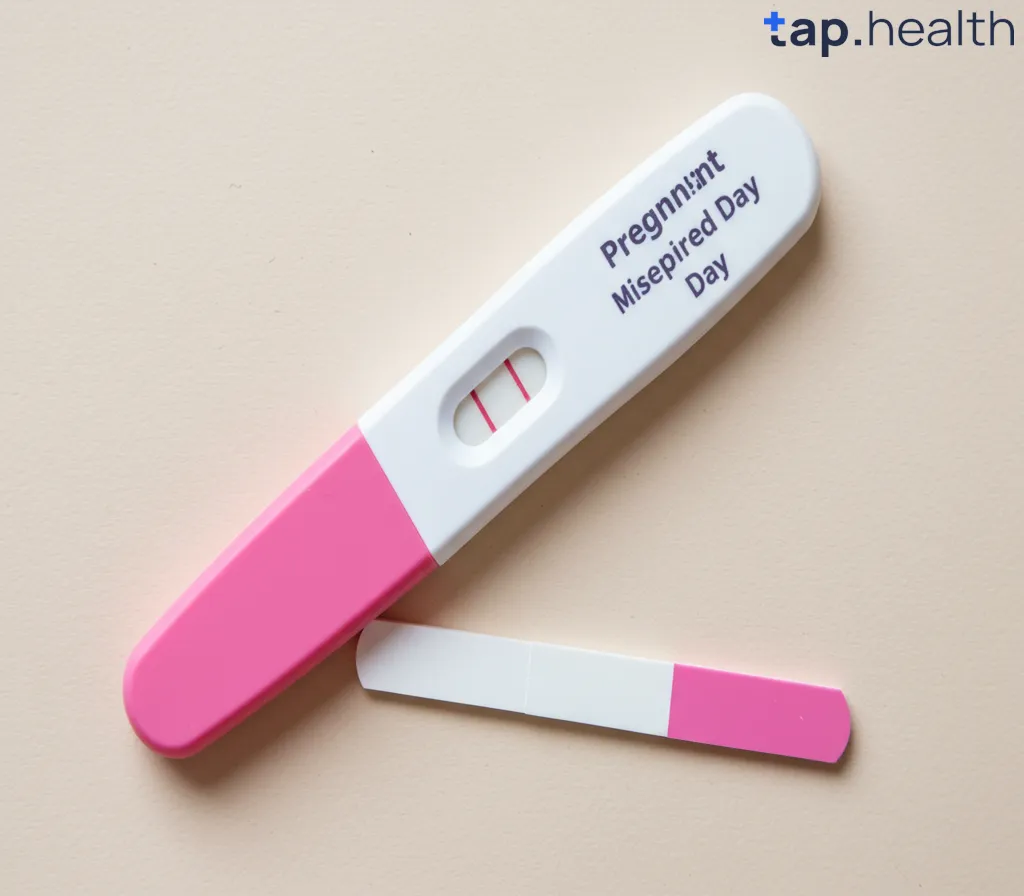
Pregnancy tests detect the presence of human chorionic gonadotropin (hCG), a hormone that is produced after a fertilized egg attaches to the lining of the uterus. This hormone starts to appear in your urine a few days after implantation, which typically occurs about 6-12 days after ovulation.
Most home pregnancy tests (HPTs) are designed to detect hCG levels in urine, and they are most accurate when taken after the first day of a missed period. However, the concentration of hCG in your urine can vary from woman to woman, and in the early stages of pregnancy, it may be too low to be detected accurately.
First Missed Period: Is It the Best Time to Test?
The first missed period is often the most anticipated time to take a pregnancy test. For most women, this is the time when they realize their period is late, and they wonder if it’s because of pregnancy.
If you have a regular menstrual cycle, your period should be fairly predictable. A missed period can be one of the first signs of pregnancy. However, if your cycle is irregular, it can be harder to determine exactly when your period is due, and you might not be able to rely on it to confirm pregnancy.
How Accurate Is a Pregnancy Test on the First Missed Period Day?
Home pregnancy tests are generally accurate, but their accuracy depends on when you take the test. Let’s discuss the factors that can influence the result.
1. hCG Levels at the Time of Testing
As mentioned earlier, pregnancy tests detect the hormone hCG, which increases rapidly in the early stages of pregnancy. On the first day of your missed period, your hCG levels may be high enough to be detected by most pregnancy tests. However, this can vary depending on the test and how quickly your body produces hCG.
Some pregnancy tests claim to be able to detect pregnancy as early as 6 days before your missed period, but these tests are usually more sensitive and may not be as widely available. If you use a less sensitive test, it might not be able to detect low hCG levels on the first missed period day.
2. Type of Pregnancy Test
There are different types of pregnancy tests available, and their sensitivity varies. Early detection tests are designed to detect lower levels of hCG, which makes them ideal for testing on the first day of a missed period. These tests can give a positive result as early as 10 days after conception.
3. Testing Time of Day
The timing of your pregnancy test can impact its accuracy. Morning urine typically has the highest concentration of hCG, which means testing in the morning may give you a more reliable result. If you test later in the day, your urine may be more diluted, which can affect the test’s ability to detect hCG.
4. Follow the Instructions Carefully
Following the instructions on your pregnancy test is critical for accuracy. Different tests may have different instructions, so make sure you understand the timing and how to interpret the result to avoid confusion.
Factors That Can Affect the Result of a Pregnancy Test
While you can technically take a pregnancy test on the first missed period day, several factors can affect the result. Here are some factors to consider:
1. Late Ovulation
If you ovulated later than usual, it could delay implantation and, in turn, delay the detection of hCG in your urine. In this case, testing on the first missed period day may result in a false negative. If you test too early, there may not be enough hCG in your system to be detected.
2. Ectopic Pregnancy or Chemical Pregnancy
In some rare cases, you may experience an ectopic pregnancy or a chemical pregnancy. Both of these conditions may cause a delay in the rise of hCG levels, leading to a false negative result. It’s important to consult your healthcare provider if you have concerns about these conditions.
3. Medication Use
Certain medications can affect pregnancy test results, especially those containing hCG. If you have taken fertility medications or shots that contain hCG, the test may show a false positive. On the other hand, some medications may interfere with the hormone levels detected by the test, leading to a false negative.
4. Expired Pregnancy Tests
An expired pregnancy test may not be as effective, and the result may not be accurate. Always check the expiration date on the packaging before using the test.
What to Do After a Negative Result on the First Missed Period Day?
If you take a pregnancy test on the first missed period day and the result is negative, it doesn’t necessarily mean you’re not pregnant. Here’s what you can do:
1. Wait and Retest
If your first test is negative, wait a few days and test again. As the days pass, the levels of hCG in your body may rise, making it easier for the test to detect pregnancy. Most home pregnancy tests recommend waiting at least 48 hours before retesting to get a more accurate result.
2. Monitor Your Symptoms
If you continue to have pregnancy symptoms such as nausea, fatigue, breast tenderness, or a missed period, it’s worth taking another test or consulting your healthcare provider. Sometimes, early pregnancy signs may not show up immediately on a test.
3. Visit Your Healthcare Provider
If you have concerns or if your period is significantly delayed, it’s a good idea to visit your healthcare provider. They can conduct a blood test to measure the hCG levels in your system, which is more accurate than a home pregnancy test.
Frequently Asked Questions (FAQs) on Can I Do a Pregnancy Test on the First Missed Period Day?
1. Can I Test Early If I Missed My Period?
Yes, you can test on the first day of your missed period. However, the accuracy of the test depends on factors such as your hCG levels, the type of test, and when you ovulated. Early detection tests may offer better accuracy if used correctly.
2. How Soon After Conception Can I Take a Pregnancy Test?
Most home pregnancy tests can detect pregnancy about 10 days after conception. However, it is generally recommended to wait until the first missed period for the most accurate result, as hCG levels may not be high enough for detection before that.
3. What Is the Best Time of Day to Take a Pregnancy Test?
The best time to take a pregnancy test is in the morning when your urine is concentrated with the highest levels of hCG. Testing later in the day may result in a less accurate result, as your urine may be diluted.
4. Can Stress Affect My Pregnancy Test?
Stress itself does not directly affect a pregnancy test result. However, stress can lead to irregular periods, which may make it difficult to track your menstrual cycle. This could lead to confusion about when to take the test.
5. What Should I Do If I Get a False Negative?
If you get a false negative, wait a few days and retest. If you still haven’t gotten your period and are still experiencing pregnancy symptoms, consider seeing your healthcare provider for a blood test to confirm the pregnancy.
Conclusion
You can take a pregnancy test on the first day of your missed period, but keep in mind that the accuracy of the result depends on various factors such as the type of test, the timing of the test, and your individual body’s hCG levels. It’s essential to follow the instructions carefully and consider retesting a few days later for a more accurate result. If in doubt, consult with your healthcare provider for confirmation and guidance.