Pregnancy is an exciting time, but it also comes with a lot of questions, especially when it comes to diet. One common question expectant mothers often ask is, “Can I eat colocasia during pregnancy?” Colocasia, also known as taro root, is a popular root vegetable in many parts of the world, including India. It’s delicious, nutritious, and versatile, but is it safe for pregnant women to eat? Let’s explore all aspects of eating colocasia during pregnancy and help you make an informed decision.
What is Colocasia?
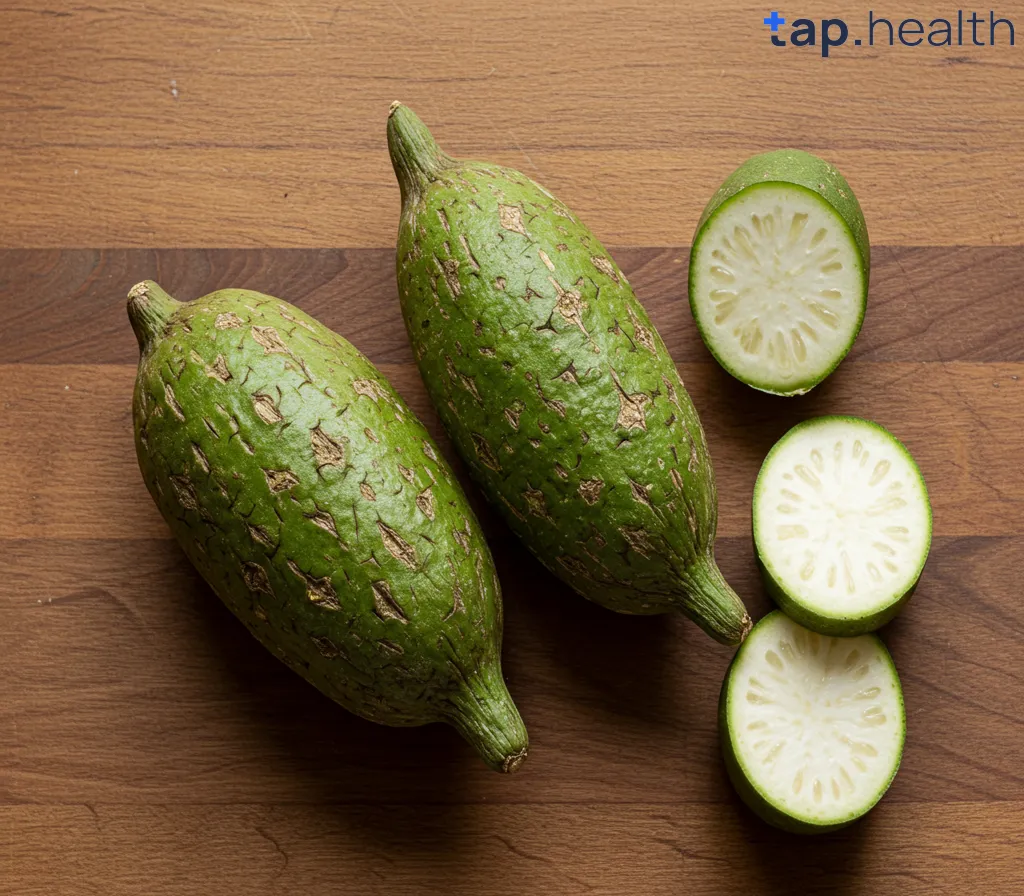
Colocasia, also known as taro root or arbi, is a starchy root vegetable widely consumed across different cultures. The vegetable is rich in carbohydrates, fiber, and essential nutrients like vitamins B and E. It is commonly used in various dishes such as curries, stews, and even as a deep-fried snack in some regions. However, while it’s enjoyed by many, it’s important to understand whether it’s a safe and healthy option during pregnancy.
Is It Safe to Eat Colocasia During Pregnancy?
In general, it is safe to eat colocasia during pregnancy, but there are a few things to consider before including it in your diet. Colocasia, like many other vegetables, should be prepared and cooked properly to avoid any health risks.
Colocasia and Its Nutritional Value
Colocasia is an excellent source of essential nutrients, which can be beneficial during pregnancy:
- Carbohydrates: A good source of energy, especially during the later stages of pregnancy when energy needs increase.
- Fiber: Helps with digestion and prevents constipation, a common issue during pregnancy.
- Vitamins: Contains vitamins B6 and C, which are important for both your health and the development of your baby.
- Minerals: Rich in potassium, magnesium, and iron, which support muscle function, reduce the risk of cramping, and help prevent iron-deficiency anemia.
These nutrients make colocasia a nutritious option for pregnant women, provided it is consumed in moderation.
Are There Any Risks of Eating Colocasia During Pregnancy?
While colocasia is generally safe for most pregnant women, there are a few important considerations to keep in mind:
1. Potential for Toxicity if Not Cooked Properly
Colocasia contains compounds known as calcium oxalate and protease inhibitors, which can be toxic if not cooked properly. Eating raw or undercooked colocasia can lead to irritation in the throat and mouth, making it difficult to swallow. Therefore, it is crucial to ensure that colocasia is thoroughly cooked to eliminate these harmful substances.
2. Allergic Reactions
Some individuals may experience allergic reactions to colocasia. Symptoms could include itching, swelling, and difficulty breathing. If you have a known allergy to this vegetable or similar root vegetables, it’s best to avoid consuming it during pregnancy.
3. Digestive Issues
Colocasia is high in fiber, and while fiber is generally good for digestion, too much fiber can cause bloating, gas, and stomach discomfort. It’s important to start with small servings and see how your body responds, especially if you are prone to digestive issues during pregnancy.
Can Colocasia Help with Pregnancy Symptoms?
Yes, colocasia can offer several benefits to expectant mothers. Here’s how it may help with common pregnancy symptoms:
1. Relieves Constipation
One of the most common issues during pregnancy is constipation. Colocasia is high in dietary fiber, which can help improve bowel regularity and prevent constipation. The fiber in colocasia adds bulk to stools and supports better digestion, offering relief from this common pregnancy problem.
2. Reduces Swelling and Cramps
The potassium content in colocasia helps maintain a healthy fluid balance in the body, which can reduce the chances of swelling (edema) and muscle cramps, especially during the second and third trimesters. It may also help prevent the leg cramps that are common in pregnancy.
3. Supports Fetal Development
Colocasia is a good source of folate, an essential nutrient that supports the healthy development of your baby’s brain and spine. Folate is crucial during the early stages of pregnancy, especially in the first trimester, to reduce the risk of neural tube defects.
How to Safely Include Colocasia in Your Pregnancy Diet
To enjoy the benefits of colocasia during pregnancy while minimizing any risks, follow these guidelines:
1. Cook It Thoroughly
Always ensure that colocasia is cooked thoroughly before consuming. Raw or undercooked colocasia can cause irritation and potential toxicity. Boiling, steaming, or frying are the best methods to prepare this vegetable.
2. Moderation is Key
Although colocasia is nutritious, it is essential to eat it in moderation. Too much fiber can cause digestive issues, so limit your portion sizes and include a variety of other fruits and vegetables in your diet to ensure a balanced intake of nutrients.
3. Pair with Other Pregnancy Superfoods
Pair colocasia with other pregnancy-friendly foods to enhance its benefits. For instance, adding a source of protein (like lentils or tofu) can provide you with a balanced meal. You can also include green leafy vegetables, which are rich in iron, to improve iron absorption.
Can Colocasia Help with Morning Sickness?
Morning sickness, characterized by nausea and vomiting, is a common pregnancy symptom, particularly in the first trimester. Some pregnant women find that eating small, bland meals throughout the day helps alleviate nausea. Colocasia, being mild in taste and easy to digest, can be a good option for this.
However, it’s important to note that everyone’s experience with morning sickness is different. Some women may find that they are sensitive to certain foods, so it’s a good idea to experiment with small portions of colocasia to see how your body reacts.
What Are the Alternatives to Colocasia During Pregnancy?
If you’re unsure about eating colocasia or want to explore other nutritious options, here are some alternatives to consider:
1. Sweet Potatoes
Sweet potatoes are another nutritious root vegetable high in fiber, vitamins, and minerals, and they are safe to consume during pregnancy. They are particularly rich in beta-carotene, which is essential for fetal development.
2. Carrots
Carrots are a great alternative that provides similar nutritional benefits to colocasia. They are rich in vitamin A, which supports the growth and development of your baby.
3. Beetroot
Beetroot is another pregnancy-friendly vegetable that can support healthy blood pressure and circulation. It’s high in folate and iron, which are essential for your baby’s growth.
FAQ Section on Can I Eat Colocasia During Pregnancy?
1. Can I eat raw colocasia during pregnancy?
No, eating raw colocasia during pregnancy is not recommended. Raw colocasia contains toxins that can cause irritation in your mouth and throat. Always cook colocasia thoroughly before eating.
2. Is colocasia safe during the first trimester?
Yes, colocasia can be safe during the first trimester as long as it is cooked properly. It’s important to consume it in moderation and ensure that you don’t overdo it with fiber, as it may cause digestive discomfort.
3. Can colocasia help with leg cramps during pregnancy?
Yes, colocasia is rich in potassium, which can help reduce the frequency and intensity of leg cramps during pregnancy. Potassium helps maintain proper fluid balance and supports muscle function.
4. Can colocasia cause an allergic reaction?
Although rare, some people may be allergic to colocasia. If you experience symptoms such as swelling, itching, or difficulty breathing after consuming colocasia, seek medical attention immediately.
5. How should I cook colocasia to make it safe for pregnancy?
To make colocasia safe for consumption during pregnancy, ensure that it is thoroughly cooked. Boiling, steaming, or frying are the best methods. Avoid consuming it raw or undercooked.
Conclusion
In conclusion, colocasia can be a safe and nutritious addition to your pregnancy diet, provided it is properly cooked and consumed in moderation. It offers a variety of health benefits, including improved digestion, reduced swelling, and support for fetal development. However, like any food, it should be enjoyed as part of a balanced diet that includes a variety of other pregnancy-friendly foods. If you have any concerns about eating colocasia or any other foods during pregnancy, it’s always best to consult with your healthcare provider.