Ovarian cysts are relatively common, and many women have them at some point in their lives. While most ovarian cysts are harmless and go unnoticed, some may raise concerns about fertility and pregnancy. If you’re wondering whether ovarian cysts can stop pregnancy or affect your ability to conceive, you’re not alone.
In this article, we’ll explore how ovarian cysts can impact pregnancy, fertility, and your overall reproductive health. By the end, you’ll have a thorough understanding of how ovarian cysts may or may not affect your chances of getting pregnant.
What Are Ovarian Cysts?
Before we dive into how ovarian cysts can affect pregnancy, let’s first understand what ovarian cysts are and how they form.
Types of Ovarian Cysts
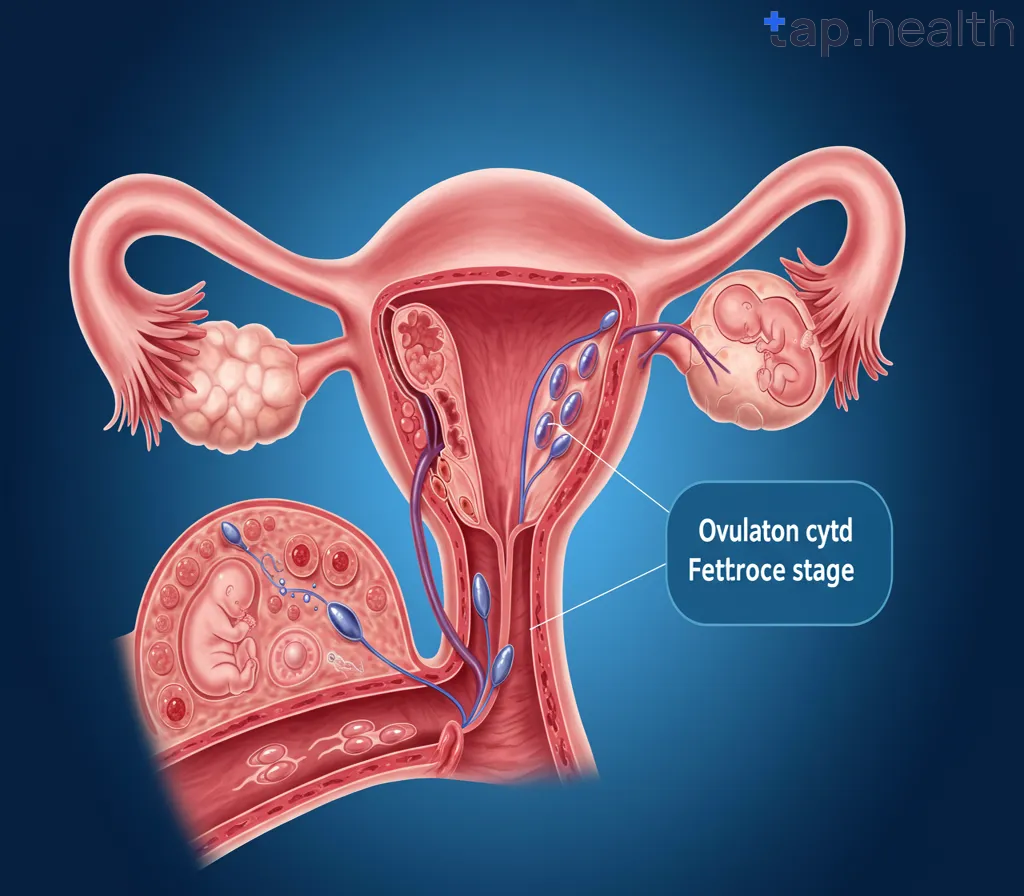
An ovarian cyst is a fluid-filled sac that forms on or inside the ovary. While many women have ovarian cysts without experiencing symptoms, some can cause pain or other complications. Ovarian cysts are typically categorized based on their cause and appearance. The most common types of ovarian cysts include:
- Functional Cysts: These cysts form as part of the normal menstrual cycle. They include follicular cysts (which form when an egg is not released) and corpus luteum cysts (which form after ovulation).
- Endometriomas: These cysts are related to endometriosis, a condition where tissue similar to the uterine lining grows outside the uterus.
- Dermoid Cysts: These are rare cysts that may contain different types of tissue, such as hair, fat, or even teeth.
- Cystadenomas: These cysts develop from the outer surface of the ovary and can become large, sometimes causing pain.
While most ovarian cysts are benign and do not cause major issues, certain types of cysts can affect your fertility or cause complications in pregnancy.
Can Ovarian Cysts Stop Pregnancy?
The main question that many women ask is: can ovarian cysts stop pregnancy?
The Impact of Ovarian Cysts on Fertility
In most cases, ovarian cysts do not stop pregnancy, but they can affect your ability to conceive depending on their type and size. Some cysts can interfere with ovulation, making it harder for a woman to get pregnant. Let’s explore how this works:
1. Polycystic Ovary Syndrome (PCOS)
One of the most common causes of ovarian cysts that can affect fertility is Polycystic Ovary Syndrome (PCOS). In PCOS, women develop multiple small cysts on their ovaries. These cysts can prevent the ovaries from releasing eggs, a process known as ovulation. Without ovulation, it’s impossible to conceive because there is no egg available for fertilization.
Women with PCOS may have irregular periods and hormonal imbalances that further complicate the ability to get pregnant. However, with proper treatment, many women with PCOS can still conceive.
2. Endometriomas (Cysts Related to Endometriosis)
Endometriomas are cysts that develop in women who have endometriosis, a condition where tissue similar to the uterine lining grows outside the uterus. Endometriomas can cause inflammation and scarring, which may affect the ovaries and fallopian tubes, potentially making it more difficult for sperm to meet the egg. In severe cases, endometriosis can lead to infertility.
If you have endometriosis and are trying to conceive, it’s essential to work with a healthcare provider to manage the condition and improve fertility.
3. Large Cystadenomas
Cystadenomas are large cysts that develop from the outer surface of the ovaries. While they are typically benign, these cysts can grow quite large and cause pain or discomfort. In rare cases, large cystadenomas can interfere with ovarian function and reduce the chances of conception. The size of the cysts can sometimes block the fallopian tubes or affect the normal function of the ovaries.
How Do Ovarian Cysts Affect Pregnancy?
If you are already pregnant, you might wonder how ovarian cysts could affect your pregnancy. Most ovarian cysts do not pose a significant risk during pregnancy, but there are a few concerns that women should be aware of.
1. Ovarian Cysts During Early Pregnancy
It is not uncommon for women to develop ovarian cysts during early pregnancy. The most common type of cyst in early pregnancy is the corpus luteum cyst. This cyst forms after ovulation and helps support the pregnancy by producing hormones until the placenta takes over. These cysts are usually harmless and resolve on their own as the pregnancy progresses.
However, in some cases, the cyst can grow large or cause discomfort. If the cyst becomes too large, it may cause pain, and in rare instances, it could rupture.
2. Cyst Rupture
A ruptured ovarian cyst can be a serious issue. While it is rare, if an ovarian cyst ruptures during pregnancy, it can cause severe abdominal pain, internal bleeding, and other complications. A ruptured cyst may also increase the risk of miscarriage, especially if it causes significant bleeding. Prompt medical attention is needed if you experience severe pain or other concerning symptoms.
3. Risk of Ovarian Torsion
Ovarian torsion is another potential risk for women with ovarian cysts. Torsion occurs when an ovary twists, cutting off its blood supply. This can cause severe pain and may lead to the loss of the ovary if not treated quickly. While ovarian torsion is rare during pregnancy, it is more likely to occur if you have large cysts.
How Are Ovarian Cysts Treated to Improve Fertility?
For women who are trying to conceive and have ovarian cysts, there are several treatment options to improve fertility and manage cysts.
1. Medications to Induce Ovulation
If ovarian cysts are preventing ovulation, your doctor may prescribe medications to stimulate ovulation. Common medications used for this purpose include Clomid and gonadotropins. These medications help balance hormone levels and encourage the ovaries to release eggs, increasing the chances of conception.
2. Laparoscopy Surgery
In some cases, surgery may be necessary to remove ovarian cysts, especially if they are large or causing complications. Laparoscopy is a minimally invasive procedure that allows doctors to remove cysts and preserve ovarian function. This procedure can improve fertility and make it easier to conceive.
3. Lifestyle Changes
For women with conditions like PCOS, making certain lifestyle changes can help improve fertility. Maintaining a healthy weight, managing stress, and adopting a balanced diet can help regulate hormonal levels and increase the chances of ovulation. Exercise and dietary changes may also help women with insulin resistance, a common issue in PCOS that can interfere with fertility.
Can Ovarian Cysts Cause Miscarriage?
Ovarian cysts are generally not linked to miscarriage. However, some conditions that cause cysts, such as endometriosis or PCOS, may increase the risk of miscarriage due to hormonal imbalances, poor egg quality, or issues with implantation. If you have ovarian cysts and are pregnant, it’s important to monitor your pregnancy with your healthcare provider to ensure everything is progressing smoothly.
When Should You See a Doctor About Ovarian Cysts?
If you suspect you have ovarian cysts or have been diagnosed with them, it’s important to consult with your doctor, especially if you are trying to conceive. Your doctor may perform an ultrasound to determine the size and type of cyst and assess whether it could affect your fertility or pregnancy. It’s also essential to see a doctor if you experience any of the following symptoms:
- Severe pelvic pain or cramping
- Pain during sexual intercourse
- Abnormal bleeding or irregular periods
- Difficulty conceiving
- Sudden sharp pain in the abdomen
FAQ Section on Can Ovarian Cysts Stop Pregnancy?
Can ovarian cysts prevent pregnancy?
While ovarian cysts don’t usually prevent pregnancy, certain types, like those associated with PCOS or endometriosis, can interfere with ovulation, making it more difficult to conceive.
Can ovarian cysts cause a miscarriage?
Ovarian cysts are not typically linked to miscarriage. However, underlying conditions like endometriosis or PCOS, which can cause cysts, may increase the risk of miscarriage.
How can I treat ovarian cysts to improve fertility?
Treatment options for ovarian cysts include medications to induce ovulation, laparoscopy surgery to remove cysts, and lifestyle changes to improve hormonal balance and fertility.
What happens if an ovarian cyst ruptures during pregnancy?
A ruptured ovarian cyst during pregnancy can cause severe abdominal pain and bleeding. While this is rare, it requires prompt medical attention to avoid complications.
Are there any risks associated with ovarian cysts during pregnancy?
Risks include cyst rupture, ovarian torsion, or pain from the cysts. However, most ovarian cysts don’t cause complications and resolve on their own during pregnancy.
Conclusion
In summary, while ovarian cysts can affect fertility and pregnancy in some cases, most ovarian cysts are harmless and do not prevent pregnancy. However, conditions like PCOS and endometriosis, which are associated with ovarian cysts, can make it more difficult to conceive. If you’re experiencing symptoms related to ovarian cysts or trying to conceive, it’s essential to seek medical advice to manage the condition effectively.
By working closely with your healthcare provider, you can take steps to improve fertility and address any issues related to ovarian cysts.