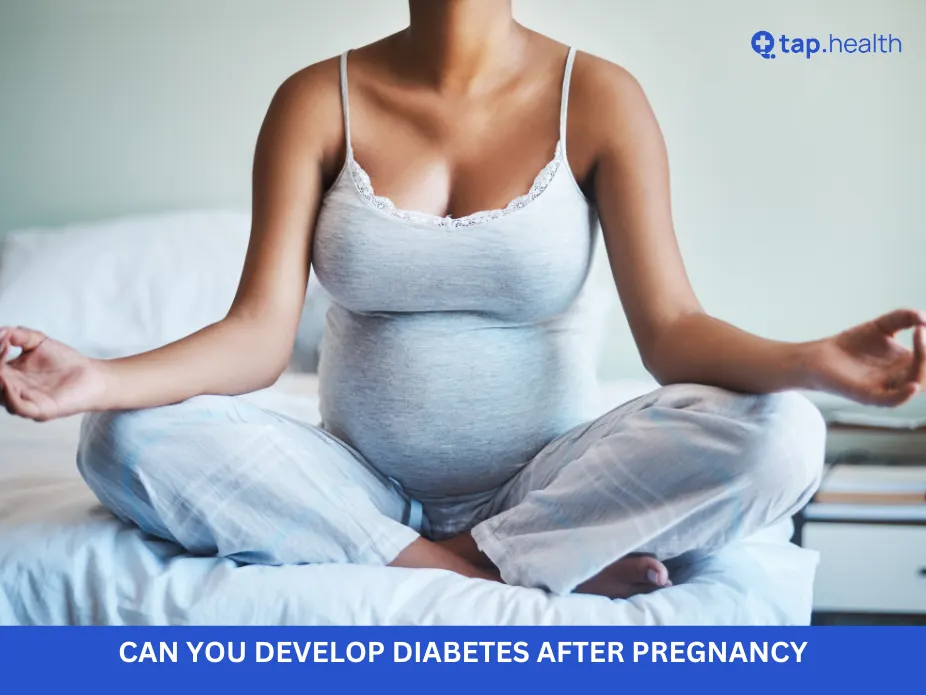
Pregnancy is a magical time, but it also brings a range of health changes. While many women focus on the joy of bringing a new life into the world, some face health challenges after childbirth. One important concern that often arises is the risk of developing diabetes after pregnancy. This condition is known as postpartum diabetes and can have serious long-term health implications. But, can you really develop diabetes after pregnancy? Let’s dive into this question, uncover its causes, and explore ways to manage and prevent it.
What is Postpartum Diabetes?
Postpartum diabetes refers to the development of type 2 diabetes in women who have had gestational diabetes during pregnancy. Gestational diabetes is a temporary form of high blood sugar that occurs only during pregnancy. However, for some women, this condition can pave the way for type 2 diabetes later in life.
Many women who have gestational diabetes may not realize the long-term risks, as it’s often a silent condition that develops gradually.
Can You Develop Diabetes After Pregnancy?
Yes, you can develop diabetes after pregnancy — especially if you had gestational diabetes (a type of diabetes that occurs during pregnancy).
Here’s how it works:
- Gestational diabetes usually goes away after delivery, but it increases your risk of developing type 2 diabetes later in life.
- Research shows that about 50% of women who had gestational diabetes develop type 2 diabetes within 5–10 years after pregnancy.
- Even if you did not have gestational diabetes, other factors—like being overweight, having a family history of diabetes, or leading a sedentary lifestyle—can increase your risk postpartum.
What you can do:
Maintain a healthy diet, stay physically active, and keep a healthy weight.
Get your blood sugar tested 6–12 weeks after childbirth and then at least once every 1–3 years.
What Causes Diabetes After Pregnancy?
1. Gestational Diabetes as a Precursor
If you had gestational diabetes during pregnancy, you’re at a higher risk of developing diabetes after childbirth. Gestational diabetes occurs when the body cannot produce enough insulin to meet the increased demands of pregnancy. After delivery, blood sugar levels typically return to normal, but for some women, the body may continue to struggle with insulin resistance, which can lead to type 2 diabetes.
2. Insulin Resistance and Hormonal Changes
The body’s ability to process sugar (glucose) relies heavily on insulin, a hormone that helps regulate blood sugar levels. During pregnancy, hormonal changes can make it more difficult for your body to use insulin efficiently, leading to insulin resistance. After pregnancy, this resistance may not entirely disappear for some women, increasing the likelihood of developing type 2 diabetes.
3. Lifestyle Factors
After pregnancy, changes in lifestyle, such as reduced physical activity or poor eating habits, can increase the risk of developing diabetes. Weight gain and a lack of exercise can exacerbate insulin resistance, making it harder for the body to process glucose.
4. Genetics
If you have a family history of diabetes, you may be at a greater risk. Family history is a significant risk factor for both gestational diabetes and type 2 diabetes. If your mother, father, or siblings have diabetes, the likelihood of developing it after pregnancy increases.
Real-Life Scenarios: Understanding the Impact
Let’s take a look at a few real-life examples to illustrate how postpartum diabetes can impact a woman’s life:
Aarti’s Story
Aarti, a 32-year-old mother from Delhi, was diagnosed with gestational diabetes during her pregnancy. Although her blood sugar levels returned to normal after childbirth, she noticed that she gained more weight than usual and struggled to get back to her pre-pregnancy routine. Aarti felt tired often and noticed her thirst levels increased, which concerned her. After some time, she was diagnosed with type 2 diabetes. Aarti’s case is a common one, as gestational diabetes can be a strong indicator of the possibility of developing diabetes after pregnancy.
Priya’s Experience
Priya, a 28-year-old new mother from Mumbai, had gestational diabetes but was proactive in her recovery. She followed her doctor’s advice to lose weight gradually, adopted a balanced diet, and started walking regularly after her baby was born. Thankfully, Priya did not develop diabetes after pregnancy because she took steps to manage her health during the postpartum period.
These stories highlight that while the risk of developing diabetes post-pregnancy is real, it can be managed with lifestyle changes and proper medical care.
Expert Contributions: Understanding the Risks
Dr. Sudhir R. Agarwal, a renowned endocrinologist from India, emphasizes the importance of monitoring blood sugar levels even after pregnancy, particularly for women who had gestational diabetes. He says, “Gestational diabetes should be viewed as a warning sign. It’s crucial for women to have their blood sugar levels checked postpartum and take preventive steps to reduce the risk of developing type 2 diabetes.”
Can You Prevent Diabetes After Pregnancy?
1. Early Screening and Monitoring
The first step in preventing diabetes after pregnancy is regular screening. Your doctor may recommend tests such as the oral glucose tolerance test (OGTT) to measure how well your body processes glucose after pregnancy. It’s essential to keep up with these tests, especially if you had gestational diabetes during pregnancy.
2. Healthy Diet and Weight Management
Postpartum, it’s important to focus on a balanced diet that includes plenty of fiber, fruits, vegetables, whole grains, and lean proteins. Avoiding sugary snacks and processed foods can help maintain healthy blood sugar levels. Portion control is key—eating smaller meals more frequently can prevent spikes in blood sugar.
Maintaining a healthy weight is crucial. Losing excess pregnancy weight gradually and maintaining a healthy BMI can significantly reduce your risk of developing diabetes.
3. Physical Activity
Exercise plays a vital role in preventing and managing diabetes. Regular physical activity improves insulin sensitivity, helps regulate blood sugar, and supports weight management. Aim for at least 30 minutes of moderate exercise most days of the week. Walking, swimming, and yoga are excellent options for new mothers.
4. Breastfeeding
Research suggests that breastfeeding for at least six months can reduce the risk of developing diabetes after pregnancy. Breastfeeding helps regulate insulin and supports the health of both mother and baby.
Recommendations Grounded in Proven Research
- Monitor Blood Sugar Regularly: If you had gestational diabetes, continue checking your blood sugar levels postpartum to catch any potential issues early.
- Focus on a Low-Glycemic Diet: Eating foods with a low glycemic index can help maintain stable blood sugar levels.
- Exercise Consistently: Aim for at least 30 minutes of exercise a day to improve insulin sensitivity.
- Lose Weight Gradually: Aim for gradual weight loss after pregnancy to avoid insulin resistance.
- Follow Your Doctor’s Advice: Regular checkups and consultations with your doctor are essential for long-term health management.
FAQ : Can You Develop Diabetes After Pregnancy?
1. Can gestational diabetes turn into type 2 diabetes?
Yes, women who have had gestational diabetes are at a higher risk of developing type 2 diabetes later in life. Regular monitoring and a healthy lifestyle can help prevent it.
2. How can I lower my risk of developing diabetes after pregnancy?
Adopting a healthy diet, staying active, breastfeeding, and monitoring your blood sugar levels are all effective ways to reduce your risk.
3. How soon should I get tested for diabetes after pregnancy?
You should get tested within 6-12 weeks after giving birth, and continue to monitor your blood sugar levels regularly.
4. Is it too late to make lifestyle changes?
No, it’s never too late. Even small changes, like improving your diet or starting a fitness routine, can significantly lower your risk of developing diabetes.
Conclusion
While it’s possible to develop diabetes after pregnancy, it’s not inevitable. By staying vigilant and making healthy lifestyle choices, women can prevent the onset of diabetes and take control of their long-term health. Regular screenings, a balanced diet, exercise, and weight management are all key factors in reducing your risk. Always consult with your healthcare provider for personalized advice.