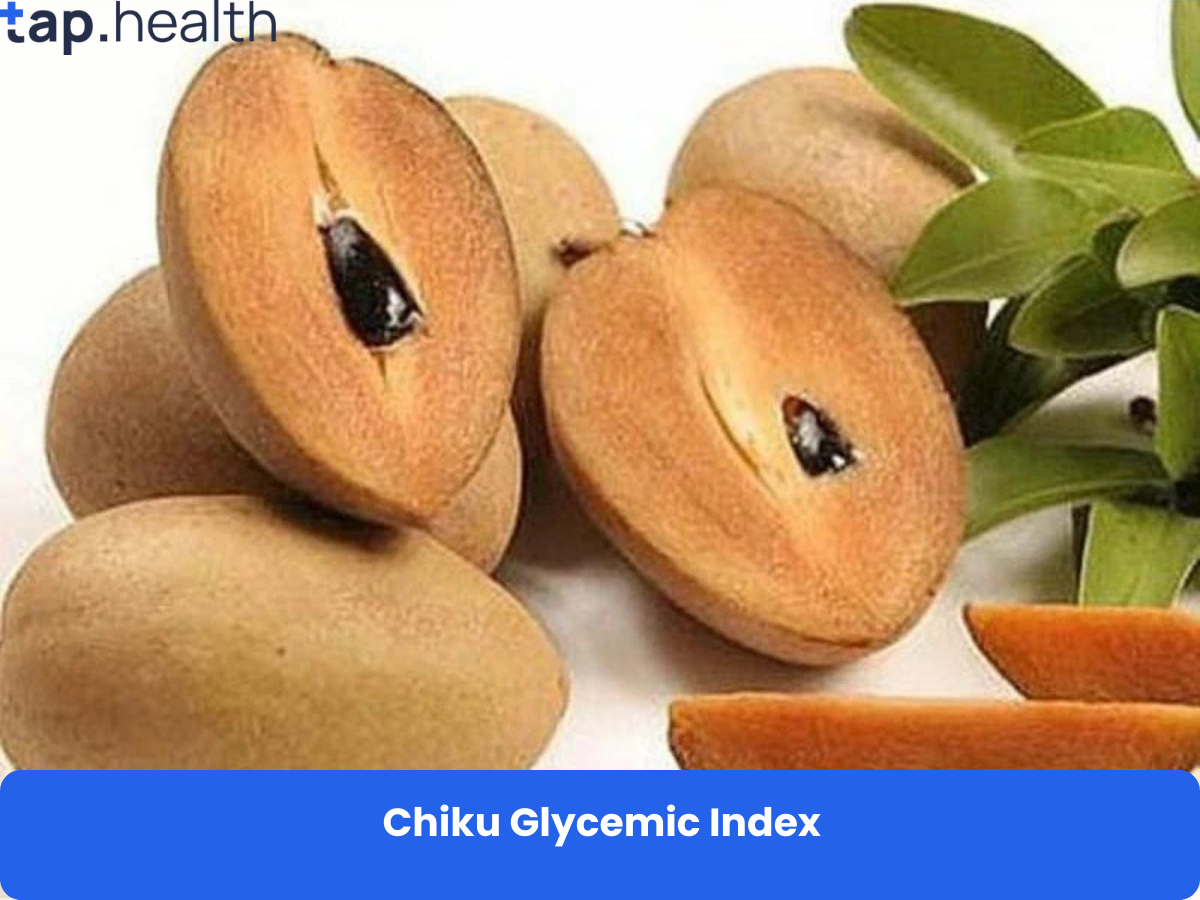
Chiku, known as sapodilla in many parts of the world, is a tropical fruit enjoyed for its sweet, caramel-like taste and rich nutritional profile. But if you have diabetes or are concerned about your blood sugar levels, you may wonder: “What is the glycemic index of chiku, and how does it affect my blood sugar?” This article will provide a comprehensive overview of the glycemic index (GI) of chiku, its benefits, and how it impacts blood sugar levels, especially for those managing diabetes.
Understanding the glycemic index of foods is crucial for making informed dietary choices. In this blog post, we will break down everything you need to know about chiku’s GI, its health benefits, and how to incorporate it into a balanced diet.
What is Glycemic Index (GI)?
The glycemic index (GI) is a measure of how quickly a food raises blood sugar levels after consumption. Foods are ranked on a scale from 0 to 100:
- Low GI (0-55): Foods that raise blood sugar levels slowly.
- Medium GI (56-69): Foods that cause a moderate increase in blood sugar.
- High GI (70 and above): Foods that cause a rapid rise in blood sugar levels.
Foods with a low GI are generally better for those with diabetes because they result in a slower, more controlled increase in blood sugar, whereas high-GI foods can cause spikes, which are best avoided by those managing their blood sugar.
What is the Glycemic Index of Chiku?
Chiku (sapodilla) has a medium glycemic index, ranging from 54 to 59, depending on its ripeness and variety. This means it has a moderate impact on blood sugar levels. While it may not cause the rapid spikes associated with high-GI foods, those managing diabetes should still consume it in moderation.
Compared to fruits like watermelon (GI 72) or pineapple (GI 66), chiku’s GI is relatively moderate. However, it’s important to remember that the GI of a food can vary depending on factors such as ripeness, processing, and preparation methods.
Health Benefits of Chiku
Chiku offers a host of health benefits, making it a great addition to a balanced diet. Here are some of the top reasons to include chiku in your meals:
1. Rich in Nutrients
Chiku is packed with essential vitamins and minerals that promote overall health. It is an excellent source of:
- Vitamin C: Supports the immune system and helps in collagen production for healthy skin.
- Vitamin A: Contributes to vision health and immune function.
- B-Vitamins: Provides energy and supports metabolism.
- Potassium: Helps in maintaining healthy blood pressure levels.
- Iron: Supports the production of red blood cells and prevents anaemia.
2. Improves Digestion
Chiku is a rich source of dietary fibre, which promotes good digestion. Fibre helps regulate bowel movements and prevents constipation, contributing to overall gut health. A healthy digestive system is essential for nutrient absorption and maintaining a balanced metabolism.
3. Antioxidant Properties
The antioxidants in chiku, such as flavonoids and tannins, protect the body from oxidative stress. This helps combat free radicals, which are harmful compounds that can cause chronic diseases, including heart disease and cancer. By neutralising free radicals, chiku helps support a healthy immune system.
4. Supports Skin Health
The high vitamin C content in chiku plays an essential role in skin health. Vitamin C is known for its ability to boost collagen production, which keeps skin firm and youthful. Antioxidants in chiku also help combat wrinkles and other signs of aging, making it a natural skincare ally.
5. Weight Management
Despite its natural sweetness, chiku is low in calories and high in fibre, making it a great option for those looking to manage their weight. The fibre content helps increase feelings of fullness, preventing overeating and promoting better portion control.
Chiku and Blood Sugar Levels
As chiku falls in the medium-GI category, it will raise blood sugar levels more gradually compared to high-GI foods like white bread or sugary drinks. This makes it a safer fruit for people who want to avoid blood sugar spikes. However, individuals with diabetes or those monitoring their glucose levels should still be mindful of their portion sizes.
Here’s how chiku affects blood sugar:
- Moderate Impact: Chiku releases glucose slowly into the bloodstream, providing a steady source of energy without causing rapid fluctuations in blood sugar.
- Helps in Preventing Insulin Spikes: Since it has a medium GI, consuming chiku in moderation can help in preventing insulin resistance, which is a key concern for diabetics.
However, moderation is key, and it’s always a good idea to pair chiku with protein-rich or healthy fat foods (like almonds or chia seeds) to slow down the absorption of sugars.
Is Chiku Good for Diabetics?
For those managing diabetes, chiku can be part of a healthy diet, but portion control is essential. The fruit’s moderate glycemic index means it won’t lead to sharp blood sugar spikes like high-GI foods. Nevertheless, overconsumption may still cause an increase in blood glucose, so it’s best to:
- Eat in Moderation: A small portion of chiku (one or two fruits) is enough to benefit from its nutrients without overwhelming your blood sugar levels.
- Pair with Low-GI Foods: Combine chiku with foods that have a low GI, like leafy greens or nuts, to keep your blood sugar levels stable.
- Monitor Blood Sugar: Always check your blood sugar levels after eating chiku to understand how your body reacts to it.
If you are diabetic, it is advisable to consult a healthcare provider or a nutritionist before incorporating chiku into your daily diet.
Chiku vs Other Fruits: Glycemic Index Comparison
Chiku’s glycemic index is comparable to other common fruits. Here’s a look at how it compares to some popular fruits:
| Fruit | Glycemic Index (GI) |
|---|---|
| Chiku (Sapodilla) | 54-59 |
| Mango | 56 |
| Banana | 51 |
| Apple | 36 |
| Pineapple | 59 |
| Orange | 43 |
| Watermelon | 72 |
As shown, chiku has a similar GI to fruits like mango and banana, making it a relatively safe option for diabetics when consumed in moderation. It is lower in GI than watermelon, which should be consumed cautiously by those managing blood sugar.
How to Include Chiku in Your Diet
Now that you know the glycemic index and benefits of chiku, here are some practical ways to include it in your diet:
1. Fresh and Raw
The simplest way to enjoy chiku is by eating it raw. Just peel the skin, remove the seeds, and enjoy its naturally sweet, rich texture.
2. In Smoothies
Blend chiku with other low-GI fruits like berries or banana, and add some yogurt or almond milk for a nutrient-packed smoothie. This makes a delicious and filling breakfast or snack.
3. Chiku Salad
Chiku can be added to fruit salads, combined with other fruits like apple, pear, or citrus, to create a refreshing and healthy dish. Add some nuts for a crunchy texture.
4. Chiku Pudding
Chiku can be pureed and used as the base for a naturally sweetened pudding. Add some chia seeds, nuts, or a dash of cinnamon for added flavour.
Key Takeaways
- Chiku Glycemic Index: Chiku has a moderate glycemic index of 54-59, making it a better option than high-GI fruits for those with diabetes or anyone monitoring blood sugar.
- Health Benefits: Rich in vitamins, antioxidants, fibre, and minerals, chiku supports digestive health, skin health, and weight management.
- Moderation is Key: For diabetics, portion control is essential. Consume chiku in moderation to avoid blood sugar spikes.
- Pair with Other Foods: Combine chiku with low-GI foods or healthy fats to balance its impact on blood sugar.
FAQ
Q1: Is chiku good for people with diabetes?
Yes, chiku can be consumed by people with diabetes in moderation. Its moderate glycemic index means it does not cause sharp spikes in blood sugar. However, portion control is important.
Q2: What is the glycemic index of chiku?
The glycemic index of chiku ranges between 54 and 59, classifying it as a medium-GI food. It provides a gradual rise in blood sugar compared to high-GI foods.
Q3: How does chiku affect blood sugar levels?
Chiku causes a moderate increase in blood sugar, making it a safer option than high-GI fruits. Consuming it in moderation is important to avoid unwanted sugar spikes.
Q4: Can I eat chiku every day?
Yes, chiku can be eaten every day in moderation. It is a nutritious fruit that provides a variety of vitamins, minerals, and fibre. However, portion control is key for diabetics.
Q5: How should I include chiku in my diet?
Chiku can be eaten fresh, blended into smoothies, added to salads, or used to make desserts like pudding. Pair it with other low-GI foods for a balanced meal.
Q6: Is chiku good for weight loss?
Chiku is low in calories and high in fibre, making it a good choice for weight management. It helps increase feelings of fullness and reduces the likelihood of overeating.
Q7: Can chiku cause a sugar spike?
Chiku has a moderate glycemic index and, if consumed in large amounts, can cause a sugar spike. It is important to monitor your intake, especially if you have diabetes.
Q8: What are the best fruits for diabetics?
Low-GI fruits like apples, pears, berries, and citrus fruits are ideal for diabetics. These fruits have a minimal impact on blood sugar levels when consumed in moderation.