Over the past decade, Continuous Glucose Monitors (CGMs) have transformed diabetes management. By providing real-time glucose data, CGMs have helped millions of individuals identify glycemic swings, understand their response to specific foods, and optimize their insulin regimens.
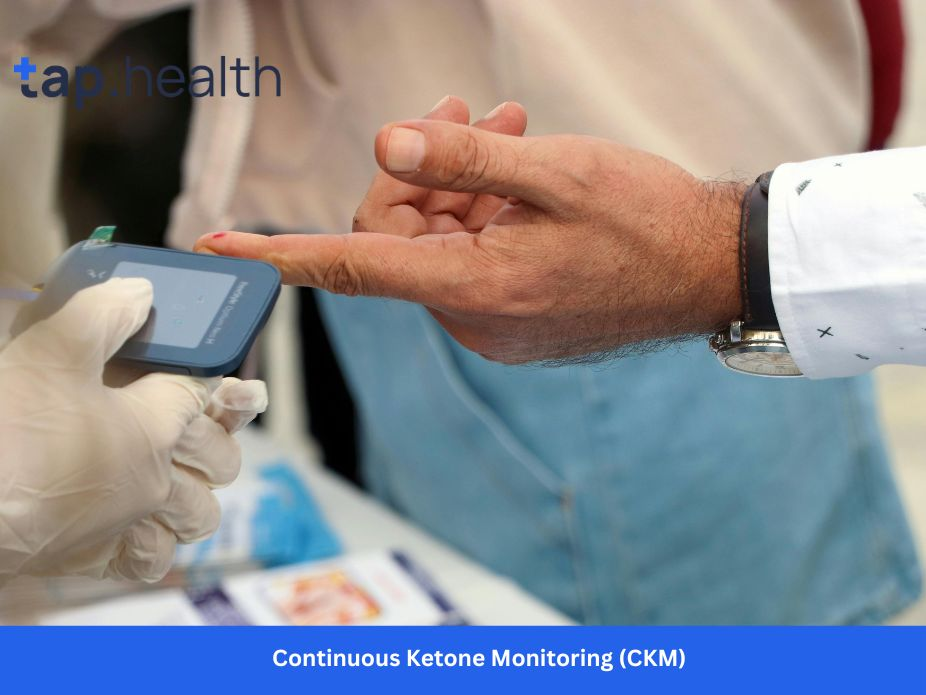
As biosensor technology continues to advance, a new metabolic marker is entering the consumer and clinical space: Continuous Ketone Monitoring (CKM). CKM sensors read levels of beta-hydroxybutyrate (the primary ketone body in the blood) in real time.
By tracking ketones alongside glucose, users can monitor their body’s transition between carbohydrate and fat metabolism. This “dual-fuel” tracking offers potential benefits for managing type 1 diabetes (by providing an early warning for diabetic ketoacidosis), optimizing ketogenic diets, and supporting metabolic flexibility.
This guide provides a comprehensive, evidence-based exploration of Continuous Ketone Monitoring. We will explain how CKM biosensors operate, discuss the physiological differences between nutritional ketosis and diabetic ketoacidosis (DKA), analyze the clinical applications of dual-fuel tracking, and discuss the future of multi-analyte metabolic sensors.
—
1. What is Continuous Ketone Monitoring (CKM)?
Similar to a CGM, a CKM sensor is a small wearable patch applied to the back of the upper arm or abdomen. It uses a tiny subcutaneous filament to read levels of Beta-Hydroxybutyrate (BHB) in the interstitial fluid.
Beta-Hydroxybutyrate (BHB): The Primary Ketone
When the body’s glycogen stores are depleted (due to fasting, exercise, or a low-carbohydrate diet), the liver begins to break down fatty acids into ketone bodies to provide an alternative fuel source, particularly for the brain.
The three primary ketone bodies are:
1. Beta-Hydroxybutyrate (BHB): The most stable and abundant ketone body in the blood, accounting for approximately 78% of circulating ketones. CKM sensors measure BHB.
2. Acetoacetate: Constitutes about 20% of circulating ketones.
3. Acetone: A volatile byproduct excreted through the breath, responsible for the “fruity” breath associated with ketosis.
Traditional blood ketone meters require finger-prick testing, which only provides a single point-in-time measurement. CKM sensors provide a continuous, real-time look at ketone dynamics, mapping out how dietary choices, exercise, and sleep affect fat oxidation throughout the day.
—
2. Physiological Ranges: Nutritional Ketosis vs. Diabetic Ketoacidosis (DKA)
When tracking ketones, it is critical to distinguish between Nutritional Ketosis (a safe, physiological state of fat burning) and Diabetic Ketoacidosis (a life-threatening medical emergency).
The table below outlines the clinical ranges for blood BHB levels:
| BHB Range (mmol/L) | Metabolic State | Clinical Status | Action Required |
|---|---|---|---|
| :— | :— | :— | :— |
| < 0.5 | Baseline / Glucocentric | Standard state where glucose is the primary fuel source. | None. |
| 0.5 – 1.5 | Light Nutritional Ketosis | Fat oxidation is occurring; typical during short fasts or low-carb diets. | Safe; optimal for weight loss and fat burning. |
| 1.5 – 3.0 | Deep Nutritional Ketosis | High rate of fat burning; therapeutic range for neurological and metabolic diets. | Safe; monitor energy levels. |
| 3.0 – 5.0 | High Ketosis | Can occur during extended fasting or intense endurance exercise. | Safe in healthy individuals; monitor closely if you have Type 1 diabetes. |
| > 10.0 | Diabetic Ketoacidosis (DKA) | Life-threatening state of uncontrolled ketone production due to absolute insulin deficiency. | Medical Emergency. Seek immediate hospital treatment. |
—
3. CKM in Type 1 Diabetes: An Early Warning System for DKA
For individuals living with Type 1 diabetes, CKM technology represents a significant safety advancement, offering an early warning system for Diabetic Ketoacidosis (DKA).
The DKA Pathway
DKA occurs when the body lacks sufficient insulin to transport glucose into cells. Deprived of glucose, the cells signal the liver to rapidly break down fat into ketones. Without insulin to regulate this pathway, ketone production occurs uncontrollably, causing the blood to become acidic, which can lead to organ failure or coma.
Crucially, ketone levels begin to rise hours before blood glucose levels spike. A patient can develop DKA even with normal blood sugar levels (a condition called euglycemic DKA, often associated with SGLT-2 inhibitor use).
- The CKM Benefit: A CKM sensor can detect rising BHB levels (e.g., above 1.0 mmol/L) early. The reader or smartphone app can trigger an alarm, allowing the patient to administer correction insulin and consume fluids to prevent progression to DKA, potentially avoiding emergency hospitalization.
—
4. CKM in Type 2 Diabetes and Metabolic Health
For individuals with Type 2 diabetes, obesity, or metabolic syndrome, CKM sensors can help track and support metabolic health.
Tracking Fat Oxidation
Type 2 diabetes is characterized by insulin resistance, which keeps blood glucose levels high and inhibits fat burning. When insulin is elevated, the enzyme hormone-sensitive lipase (HSL) is suppressed, preventing the release of fatty acids from fat tissue.
- Monitoring Glycemic Recovery: As a patient improves their insulin sensitivity through diet and lifestyle changes, insulin levels drop, allowing the body to burn fat and produce ketones. A CKM sensor can verify this transition, helping users identify when their body is effectively utilizing stored fat for fuel.
—
5. The Dual-Fuel Concept: Integrating Glucose and Ketones
The integration of CGM and CKM data—known as dual-fuel tracking—provides a comprehensive view of metabolic health.
Understanding Metabolic Flexibility
A metabolically flexible individual can transition between burning carbohydrates (after a meal) and burning fats/ketones (during fasting or exercise). Dual-fuel tracking allows you to monitor this transition:
- Post-Carbohydrate State: Glucose is elevated, and ketones are low (< 0.2 mmol/L).
- Fasting/Fat-Burning State: Glucose drops to a stable baseline (e.g., 70–90 mg/dL), and ketones rise into the nutritional ketosis range (0.5–1.5 mmol/L).
If your glucose remains high and you cannot produce ketones even after an overnight fast, it indicates metabolic inflexibility, suggesting that dietary or lifestyle adjustments are needed to improve insulin sensitivity.
—
6. The Future of Metabolic Monitoring: Multi-Analyte Sensors
The metabolic monitoring landscape is moving toward integrated, multi-analyte sensors.
Rather than wearing separate patches for glucose and ketones, medical manufacturers are developing single-sensor systems:
- Abbott’s Lingo and Libre Rio: Designed to help users track glucose, ketones, and other metabolic markers using a single sensor.
- Lactate Tracking: Future sensors may also measure lactate, helping athletes monitor aerobic and anaerobic thresholds in real time.
- Personalized Nutrition: Combining real-time glucose and ketone data will allow for highly personalized dietary recommendations, helping users optimize their metabolic health and performance.
—
7. FAQ Section
Q1: Is continuous ketone monitoring safe for everyone?
A: Yes, CKM sensors are safe. However, for individuals with Type 1 diabetes, they should be used in consultation with a medical team as an educational and warning tool, not as a replacement for standard clinical protocols.
Q2: Why are my ketones low in the morning?
A: Cortisol levels rise in the early morning hours, signaling the liver to release glucose and temporarily increasing insulin resistance. This morning rise in glucose and insulin can suppress ketone production, a normal physiological pattern.
Q3: Can CKM replace finger-prick testing for DKA?
A: CKM is a valuable monitoring and early-warning tool, but if your CKM indicates elevated ketones (> 1.5 mmol/L) and you feel unwell (nausea, vomiting, abdominal pain), verify the reading with a blood ketone meter and seek medical advice.
Q4: How does exercise affect ketone levels on a CKM?
A: During moderate aerobic exercise (Zone 2), your body increases fat oxidation, which can raise ketone levels. During high-intensity anaerobic exercise, the body relies primarily on glucose, and the associated adrenaline release may temporarily lower ketone levels.
—
Conclusion
Continuous Ketone Monitoring represents an exciting development in biosensor technology and metabolic health. By providing real-time data on fat oxidation and ketone production, CKM sensors help bridge the gap between carbohydrate and lipid metabolism.
Whether used to help prevent DKA in Type 1 diabetes, optimize fat loss in Type 2 diabetes, or monitor metabolic flexibility, CKM technology offers valuable insights. Work with your healthcare team to understand how tracking ketones alongside glucose can help you optimize your metabolic health and achieve your wellness goals.
—
Disclaimer: The information in this article is for educational purposes. Consult a healthcare provider before making major changes to your diabetes management or diet.