Table of Contents
- Understanding Esophageal Varices in Diabetics
- Diabetes & Esophageal Varices: Key Risk Factors
- Symptoms of Esophageal Varices: A Diabetic’s Guide
- Preventing Esophageal Varices: Diabetes Management Strategies
- Esophageal Varices in Diabetes: Diagnosis and Treatment
- Frequently Asked Questions
- References
Living with diabetes comes with its own set of challenges, and understanding potential complications is crucial for proactive health management. One such complication, often overlooked, is the development of esophageal varices. This blog post focuses on Understanding Esophageal Varices in Diabetes: Symptoms & Risk Factors, exploring how diabetes increases the risk and what you need to know to protect your health. We’ll delve into the telltale signs, the underlying causes, and what steps you can take to mitigate this serious condition. Let’s work together to empower you with the knowledge you need to stay informed and healthy.
Understanding Esophageal Varices in Diabetics
Diabetes significantly increases the risk of various complications, and esophageal varices represent a serious concern, particularly prevalent in India and other tropical countries. While often associated with liver disease, the link between diabetes and the development of esophageal varices is complex and warrants attention. This is especially crucial considering the high prevalence of diabetes in these regions.
Risk Factors and Symptoms
Several factors contribute to the increased risk of esophageal varices in diabetic individuals. High blood sugar levels can damage blood vessels over time, weakening the veins in the esophagus. This, coupled with potential liver complications frequently seen in individuals with poorly controlled diabetes, creates a fertile ground for the development of varices. Symptoms can be subtle initially, but may include vomiting blood (hematemesis), bloody stools (melena), and difficulty swallowing (dysphagia). These symptoms require immediate medical attention. The presence of these symptoms alongside a history of diabetes should prompt a thorough medical evaluation, potentially including an endoscopy.
The Importance of Early Detection and Management
Early detection is crucial in managing esophageal varices in diabetics. Regular check-ups with a physician, including blood tests to monitor blood sugar and liver function, are vital. Given the significant burden of diabetes-related complications, including the high rates of foot ulcers—nearly 15% of diabetics experience foot ulcers in their lifetime, with high amputation risks—it’s imperative that individuals with diabetes prioritize proactive healthcare. This proactive approach can help prevent severe complications like esophageal varices. Understanding how diabetes affects blood flow, as detailed in How Does Diabetes Affect Blood Flow?, is also crucial for preventative care.
Seeking Help in India and Tropical Countries
In India and other tropical countries, access to quality healthcare can vary. It is crucial to seek medical attention immediately if you experience any of the aforementioned symptoms. Consult with a gastroenterologist or hepatologist experienced in managing complications related to diabetes and liver disease to receive a thorough evaluation and personalized treatment plan. Regular monitoring and adherence to a prescribed treatment plan, including medication and dietary changes, are key to managing this potentially life-threatening condition. Maintaining good oral health, as explained in Why Oral Health Matters for Diabetic Patients, is also an important aspect of overall diabetes management.
Diabetes & Esophageal Varices: Key Risk Factors
Understanding the Link Between Diabetes and Esophageal Varices
Diabetes significantly increases the risk of developing esophageal varices, abnormally enlarged veins in the esophagus. This is largely due to the damaging effects of high blood sugar on the liver. Liver cirrhosis, a common complication of poorly managed diabetes, is a major risk factor for esophageal varices. The diseased liver struggles to process blood efficiently, leading to increased pressure in the portal vein and the subsequent formation of these fragile, life-threatening veins. This condition is particularly concerning in regions like India and other tropical countries where diabetes prevalence is high.
Lifestyle Factors and Increased Risk
Several lifestyle choices exacerbate this risk. Smoking, already a significant health concern, dramatically increases the danger. Studies show smokers with diabetes face a two-fold higher mortality rate from cardiovascular issues. This heightened risk extends to esophageal varices, as smoking further impairs liver function and cardiovascular health. In tropical climates, where access to quality healthcare might be limited, the combination of diabetes and smoking poses an even greater threat. Regular check-ups and proactive lifestyle changes are crucial for reducing the likelihood of complications. The connection between diabetes and other health issues, such as obesity, is also significant. For more information, read our blog on Understanding the Link Between Diabetes and Obesity.
Seeking Help and Prevention
Regular monitoring of blood sugar levels, along with healthy dietary habits and regular exercise, is essential for diabetes management and reducing the risk of liver complications. If you have diabetes, particularly if you are a smoker residing in India or a tropical country, consulting a gastroenterologist for regular screenings is highly recommended. Early detection and appropriate management can significantly improve outcomes and prevent life-threatening complications such as esophageal varice rupture. Don’t delay; your health is your wealth. Managing diabetes effectively becomes even more crucial as we age. For insights and solutions, refer to our article on Managing Diabetes as You Age: Challenges and Solutions.
Symptoms of Esophageal Varices: A Diabetic’s Guide
Recognizing the Signs
Diabetes significantly increases your risk of developing complications, including esophageal varices. These swollen veins in the esophagus can be life-threatening, so early detection is crucial. While not all diabetics will experience them, understanding the symptoms is paramount, especially in high-risk populations common in Indian and tropical countries. Common symptoms often mimic other digestive issues, making early diagnosis challenging. These can include vomiting blood (hematemesis), which may appear as dark, coffee-ground-like vomit, or passing black, tarry stools (melena). You might also experience difficulty swallowing (dysphagia), abdominal pain, or unexplained weight loss. The presence of these symptoms, particularly in individuals with diabetes, requires immediate medical attention.
The Link Between Diabetes and Esophageal Varices
The connection between diabetes and esophageal varices is often indirect, stemming from the increased risk of liver disease. Nearly 30% of diabetics develop diabetic nephropathy, a type of kidney disease. This kidney damage can further burden the liver, leading to portal hypertension, a condition where pressure builds up in the veins leading to the liver. This elevated pressure causes veins in the esophagus to swell, forming varices. This highlights the importance of proactive diabetes management to reduce the risk of complications like kidney disease and, consequently, esophageal varices. Understanding the early signs of diabetes is crucial for prevention. For more information, read our article on 10 Early Signs and Symptoms of Diabetes? – Tap Health.
Seeking Help in Tropical Climates
In Indian and tropical countries, access to timely healthcare can sometimes be a challenge. If you experience any of the symptoms mentioned above, do not delay seeking medical attention from a qualified gastroenterologist or hepatologist. Early diagnosis and treatment are essential to prevent potentially fatal complications. Remember, proactive healthcare is key to managing diabetes and its associated risks, especially in regions where access to advanced medical facilities may be limited. Don’t hesitate; your health is paramount. Some symptoms of esophageal varices can be similar to those of Gastroesophageal Reflux Disease, highlighting the importance of a proper diagnosis.
Preventing Esophageal Varices: Diabetes Management Strategies
Controlling Blood Sugar Levels
Maintaining healthy blood sugar levels is paramount in preventing esophageal varices, a serious complication affecting many individuals with diabetes, particularly in the 20-64 age group, representing 61% of those living with diabetes according to the International Diabetes Federation. Strict adherence to prescribed medication, regular blood glucose monitoring, and a balanced diet rich in fruits, vegetables, and whole grains are crucial. In tropical climates, incorporating locally sourced, fresh produce can help manage blood sugar effectively. For more comprehensive tips on diabetes management, check out our guide on 10 Proven Tips for Effective Diabetes Management.
Managing High Blood Pressure
Hypertension significantly increases the risk of esophageal varices. Regular monitoring and medication adherence, as advised by your physician, are essential. Lifestyle modifications such as reducing sodium intake and regular exercise are particularly important, especially given the high prevalence of diabetes among the adult population aged 20-64 in India and other tropical countries.
Addressing Liver Health
Since liver cirrhosis is a major risk factor for esophageal varices, protecting liver health is vital. This includes avoiding excessive alcohol consumption, managing weight effectively, and getting regular check-ups for liver function. Many individuals in the 65+ age group (39% of those with diabetes) are more susceptible to liver issues. Prioritizing liver health through these strategies is crucial for this population segment. Learning how to prevent long-term complications is key, and you can find valuable information in our article, How to Prevent Long-Term Complications of Diabetes: Easy Tips.
Seeking Regular Medical Care
Regular check-ups with your doctor are essential for early detection and management of complications associated with diabetes, including esophageal varices. Early diagnosis and intervention are key to preventing severe complications and improving the quality of life for individuals with diabetes in India and throughout the tropical regions. Don’t hesitate to seek medical advice if you experience any symptoms such as vomiting blood or black, tarry stools. Early intervention can greatly impact long-term health outcomes.
Diagnosis of Esophageal Varices
Diagnosing esophageal varices—swollen veins in the esophagus that can rupture and cause life-threatening bleeding—is especially important for individuals with diabetes, as they are more likely to have associated liver and circulatory complications.
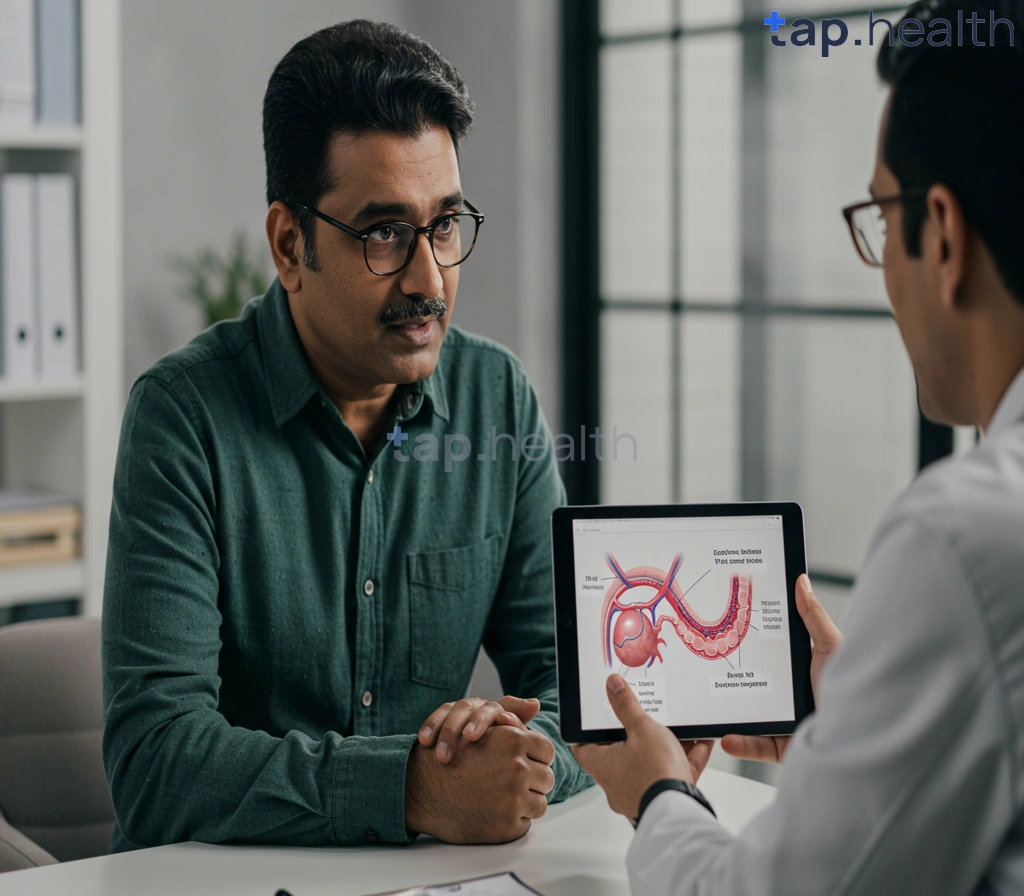
The primary diagnostic method is endoscopy, where a thin, flexible tube with a camera is gently inserted through the throat to directly visualize the esophagus. This allows doctors to assess both the presence and severity of varices.
In addition to endoscopy:
-
Blood tests (including liver function tests) are performed to evaluate liver health, since varices are often linked to liver disease or portal hypertension.
-
Ultrasound or imaging studies may be used to examine liver structure and blood flow patterns.
-
Blood pressure monitoring is vital—particularly in India, where over 60% of diabetics also have hypertension. Elevated blood pressure can worsen liver strain and contribute to varice development.
In tropical countries, doctors must also consider parasitic infections such as schistosomiasis, which can lead to portal hypertension and varices. Recognizing these region-specific factors ensures accurate diagnosis and targeted treatment.
Treatment Options for Esophageal Varices
Treatment depends on the size of the varices and whether bleeding is present:
1. Non-Bleeding Varices (Preventive Care)
-
Beta-blockers (like propranolol or nadolol) are often prescribed to lower portal vein pressure, reducing the risk of rupture.
-
Lifestyle modifications—including avoiding alcohol, maintaining healthy blood sugar levels, and managing blood pressure—are essential to protect liver and vascular health.
2. High-Risk or Bleeding Varices (Active Intervention)
-
Endoscopic band ligation (EBL): Tiny rubber bands are placed around the varices to block blood flow and prevent rupture.
-
Endoscopic sclerotherapy: A special solution is injected into the varices to shrink them.
-
Transjugular Intrahepatic Portosystemic Shunt (TIPS): In severe or recurrent cases, a shunt is created to redirect blood flow and relieve portal pressure.
If active bleeding occurs, immediate hospitalization is critical. Rapid medical intervention can prevent severe blood loss and other life-threatening complications.
Importance of Early Management in Diabetics
For people with diabetes, early detection and proactive management of esophageal varices are vital. Diabetes can worsen liver function, vascular health, and immune response, increasing the risk of complications. Regular check-ups with a gastroenterologist, liver monitoring, and good glycemic control are key steps in prevention.
Moreover, diabetes affects more than just the liver. It can also impair respiratory health, circulation, and sexual function.
Key Takeaway
Esophageal varices represent a serious but manageable complication, especially when identified early. For individuals with diabetes—particularly in India and tropical regions—routine screenings, healthy lifestyle choices, and close medical supervision can dramatically reduce risks.
If you experience symptoms such as vomiting blood, black stools, dizziness, or fatigue, seek immediate medical attention. Timely diagnosis and treatment are the best ways to protect both your liver and your life.
Frequently Asked Questions on Esophageal Varices in Diabetes
Q1. What are esophageal varices, and why are people with diabetes at higher risk?
Esophageal varices are abnormally enlarged veins in the esophagus. Diabetes significantly increases the risk because high blood sugar damages blood vessels, making esophageal veins weaker and more prone to enlargement.
Q2. What are the symptoms of esophageal varices, and when should I seek immediate medical attention?
Symptoms include vomiting blood, bloody stools, and difficulty swallowing. If you experience any of these, seek immediate medical attention.
Q3. How can I reduce my risk of developing esophageal varices if I have diabetes?
Proactive diabetes management is key. This includes carefully monitoring your blood sugar and blood pressure, addressing any liver complications, and making healthy lifestyle choices like quitting smoking.
Q4. What are the common diagnostic methods for esophageal varices?
Diagnosis typically involves regular checkups, blood tests, and potentially an endoscopy (a procedure where a thin, flexible tube with a camera is inserted into the esophagus).
Q5. What treatment options are available for esophageal varices?
Treatment may involve medication, dietary changes, and endoscopic procedures. Prompt consultation with a gastroenterologist or hepatologist is crucial for determining the best course of action.
References
- A Practical Guide to Integrated Type 2 Diabetes Care: https://www.hse.ie/eng/services/list/2/primarycare/east-coast-diabetes-service/management-of-type-2-diabetes/diabetes-and-pregnancy/icgp-guide-to-integrated-type-2.pdf
- Exploring Long-Term Prediction of Type 2 Diabetes Microvascular Complications: https://arxiv.org/pdf/2412.01331