tap.health logo
  • Diabetes Management
  • Health Assistant
  • About Us
  • Blog
  • Contact Us
Get Plan
  • Diabetes Management
  • Health Assistant
  • About Us
  • Blog
  • Contact Us
  • All Blogs
  • Diabetes
  • Diabetes-Friendly Puri Recipe: Healthy, Low-Glycemic and Delicious!

Diabetes-Friendly Puri Recipe: Healthy, Low-Glycemic and Delicious!

Diabetes
February 21, 2026
• 6 min read
Nishat Anjum
Written by
Nishat Anjum
Nishat Anjum
Reviewed by:
Nishat Anjum
ChatGPT Perplexity WhatsApp LinkedIn X Grok Google AI
Diabetes-Friendly Puri Recipe: Healthy, Low-Glycemic and Delicious!

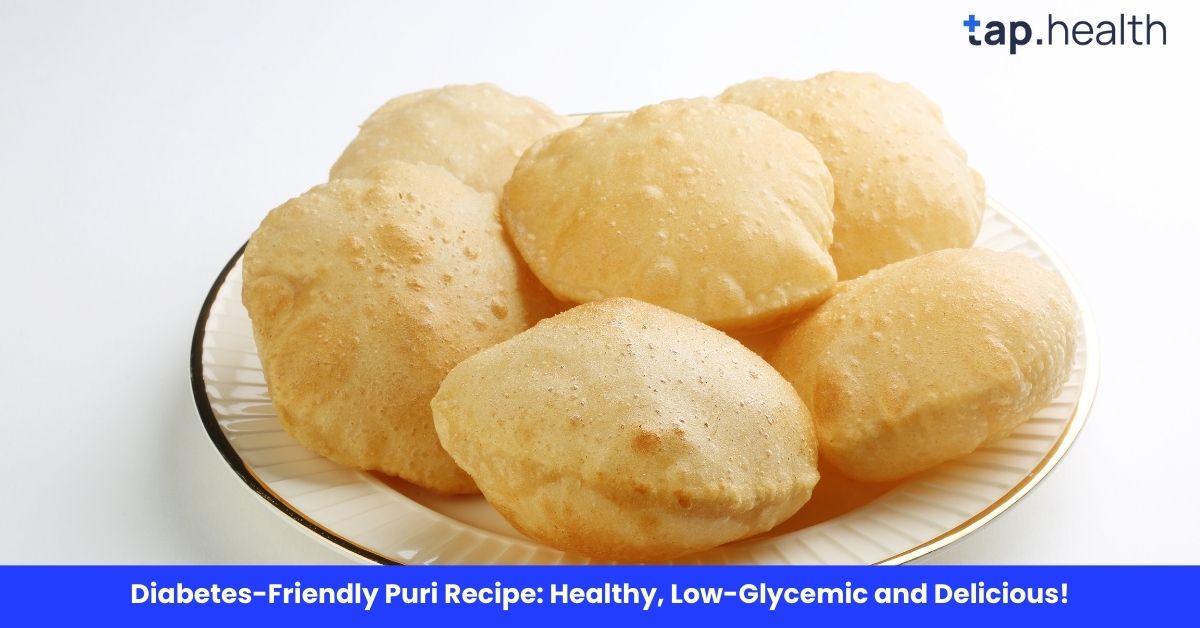
Puri, or poori, is a beloved Indian bread typically enjoyed during special occasions or as part of a festive meal. However, for individuals with diabetes, traditional poori made from refined flour (maida) and deep-fried in oil can cause significant blood sugar spikes, making it difficult to manage the condition. The good news is that you don’t have to give up your favorite foods entirely. With a few ingredient swaps, you can create a diabetes-friendly poori that’s both delicious and blood sugar-conscious.

In this article, we’ll explore how to make a diabetes-friendly poori recipe, the benefits of choosing healthier ingredients, and how to enjoy poori without worrying about your blood sugar levels.


Why Traditional Poori Isn’t Ideal for Diabetics

To understand why traditional poori may not be suitable for diabetics, it’s important to know its ingredients and how they affect the body.

1. Refined Flour (Maida)

Traditional poori is made from refined flour (maida), which has a high glycemic index (GI). Foods with a high GI cause a rapid spike in blood sugar levels. When you eat foods made with refined flour, your body breaks down these carbs quickly, releasing sugar into the bloodstream. This leads to hyperglycemia (high blood sugar), which is challenging for people with diabetes to manage.

2. Fried in Oil

Puris are deep-fried in oil, which increases their fat content. Fried foods are not ideal for diabetics as they contribute to weight gain and insulin resistance. Increased body fat, especially around the abdomen, makes it harder for the body to use insulin effectively, leading to higher blood sugar levels over time.

3. Lack of Fiber

Traditional puris made from refined flour lack fiber, which is essential for slowing down the absorption of sugar into the bloodstream. Fiber helps manage blood sugar levels, making it a crucial component of a diabetic-friendly diet.


Why Diabetes-Friendly Poori Is a Better Option

Making some simple swaps in the ingredients can turn the traditional poori into a much healthier version suitable for diabetics. Here’s why the diabetes-friendly poori recipe is a better choice:

1. Lower Glycemic Index

By using whole grain flours or low-carb flour alternatives, the glycemic index (GI) of poori can be significantly reduced. This means that the sugar from these poories will be absorbed more slowly, resulting in more stable blood sugar levels.

2. Healthy Fats

In a diabetes-friendly poori recipe, you can use healthier oils, such as olive oil or coconut oil, for frying. These oils contain healthier fats that are beneficial for heart health and do not contribute to insulin resistance as much as the trans fats found in traditional deep frying oils.

3. More Fiber

Using whole wheat flour, almond flour, or coconut flour increases the fiber content of the poori. Fiber helps regulate blood sugar levels by slowing the absorption of sugar and improving digestion.

4. Reduced Calories

By using healthier ingredients and reducing the fat content, a diabetes-friendly poori is typically lower in calories, helping with weight management. Maintaining a healthy weight is essential for controlling diabetes.


Key Ingredients for Diabetes-Friendly Poori

To make a diabetes-friendly poori, you’ll need to replace the traditional refined flour and deep-frying oil with healthier options. Here’s a list of ingredients that can make your poori better suited for diabetes management.

1. Whole Wheat Flour

Switching from refined flour (maida) to whole wheat flour is one of the best changes you can make. Whole wheat flour contains more fiber, which helps slow down sugar absorption and keeps blood sugar levels more stable. Whole wheat flour also provides more nutrients, such as B vitamins and iron.

2. Almond Flour

For a low-carb option, you can use almond flour instead of wheat flour. Almond flour is made from finely ground almonds, and it’s rich in healthy fats, protein, and fiber. It has a lower glycemic index, meaning it will not cause a sharp rise in blood sugar.

3. Coconut Flour

Coconut flour is another excellent low-carb alternative to refined flour. It’s made from dried coconut meat and is high in fiber and healthy fats. Coconut flour absorbs a lot of moisture, so you may need to use less of it than regular flour in recipes.

4. Olive Oil or Coconut Oil

Instead of deep frying in unhealthy vegetable oils, opt for olive oil or coconut oil. Both are healthy fats that provide a range of benefits, including improved heart health. Coconut oil also has a high smoke point, making it ideal for frying.

5. Flax Seeds

Flax seeds are an excellent source of omega-3 fatty acids and fiber. They can help lower blood sugar levels and improve insulin sensitivity. Adding flax seeds to your poori dough increases its fiber content, making it more diabetic-friendly.


Diabetes-Friendly Poori Recipe

Now that we’ve covered the key ingredients, let’s dive into the actual diabetes-friendly poori recipe that’s easy to make and delicious.

Ingredients:

  • 1 cup whole wheat flour
  • 1/4 cup almond flour or coconut flour (optional, for a lower-carb version)
  • 1 tbsp flaxseed meal (optional, for added fiber)
  • 1/2 tsp salt
  • 1 tbsp olive oil or coconut oil
  • 1/2 cup water (add gradually, as needed)
  • Ghee or coconut oil for frying (use minimally)

Instructions:

  1. Mix the Flours and Dry Ingredients: In a large mixing bowl, combine the whole wheat flour, almond flour (or coconut flour), flaxseed meal, and salt. Mix well.
  2. Add Oil: Add olive oil or coconut oil to the flour mixture. This helps create a soft, pliable dough and adds healthy fats to the recipe.
  3. Gradually Add Water: Slowly add water, a little at a time, and knead the dough until it’s soft but not sticky. The dough should be firm enough to roll out into small discs but still moist.
  4. Rest the Dough: Cover the dough with a damp cloth and let it rest for about 15 minutes. This helps the dough become more pliable.
  5. Roll the Dough into Small Balls: After resting, divide the dough into small balls (about the size of a walnut). Roll each ball into a smooth, round shape.
  6. Roll Out the Puris: Using a rolling pin, roll each ball of dough into a small, round disc. Try to keep the puris uniform in size and not too thick or too thin.
  7. Heat Oil for Frying: Heat a pan or deep fryer with ghee or coconut oil. The oil should be hot but not smoking (about 350°F or 175°C).
  8. Fry the Pooris: Gently slide each puri into the hot oil. Fry for 30-40 seconds on each side, or until golden brown and puffy. Use a slotted spoon to remove the puris from the oil and place them on a paper towel to drain excess oil.
  9. Serve: Serve your diabetes-friendly puris with a healthy side of dal, vegetable curry, or yogurt for a balanced meal.

How to Enjoy Diabetes-Friendly Poori in Moderation

While this recipe is much healthier than traditional puris, moderation is still key. Here are some tips to help you enjoy puris while managing your blood sugar:

1. Control Portion Size

Even with healthier ingredients, eating too many puris can still impact blood sugar levels. Stick to 1-2 small puris per meal, and be mindful of the portion size.

2. Pair with Protein and Vegetables

To prevent blood sugar spikes, pair your poori with protein-rich foods like dal, chicken, or paneer, and fiber-rich vegetables like spinach, broccoli, or cauliflower. This combination helps slow down sugar absorption and keeps blood sugar levels stable.

3. Use Sparingly

While it’s okay to enjoy poori occasionally, make it a treat rather than a regular part of your diet. Consider having puri only during special occasions or as a part of a balanced meal.

Real-Life Scenario

Anita, a 52-year-old woman with type 2 diabetes, always loved starting her Sundays with hot pooris. But after meals, she noticed her sugar levels shot up, leaving her feeling tired. Instead of giving up on pooris completely, she began experimenting with whole wheat flour, besan, and flax seeds, and started frying them in very little oil. This simple change allowed her to enjoy her favorite dish without spiking her blood sugar too much.

Expert Contribution

Nutrition experts suggest that people with diabetes should avoid deep-fried foods made with refined flour. However, when pooris are made using whole wheat or multigrain flour, high-fiber ingredients like flaxseed, and minimal oil, they can be enjoyed occasionally. Dieticians also stress on portion control—having one or two small pooris with vegetables or dal instead of a full plate.

Recommendations Grounded in Proven Research and Facts

Research shows that whole grains and fiber-rich flours lower the glycemic index of foods, reducing blood sugar spikes. Studies also suggest that replacing refined flour with multigrain or besan improves satiety and supports better glucose control. For people with diabetes, air frying or shallow frying is a healthier choice compared to deep frying. Pairing pooris with non-starchy vegetables and protein-rich curries can further balance the meal.


FAQs About Diabetes-Friendly Poori

1. Can diabetics eat puri?

Yes, diabetics can eat puri, but it should be made with healthy ingredients like whole wheat flour, almond flour, or coconut flour and should be consumed in moderation. Avoid deep-frying in unhealthy oils and try baked puris instead.

2. Is whole wheat flour better than refined flour for diabetics?

Yes, whole wheat flour is better than refined flour because it has more fiber, which helps slow the absorption of sugar into the bloodstream, keeping blood sugar levels stable.

3. Can I use coconut flour for making puris?

Yes, coconut flour is a great low-carb option for making diabetic-friendly puris. It’s rich in fiber and healthy fats, but because it absorbs a lot of moisture, you may need to use less water in the recipe.

4. What oil should I use to fry puris for diabetics?

For diabetics, olive oil or coconut oil are better choices than vegetable oils. These oils contain healthier fats and have a higher nutritional value.

5. Can I eat puris every day if I have diabetes?

It’s best not to eat puris every day if you have diabetes. Instead, enjoy them occasionally in moderation, and pair them with healthy sides to balance blood sugar levels.


Conclusion

Making diabetes-friendly puris is a great way to enjoy a traditional Indian favorite without compromising your health. By using whole wheat flour, almond flour, coconut flour, and healthier oils, you can significantly reduce the impact on blood sugar levels. Moderation, portion control, and pairing with protein and fiber-rich foods are essential for maintaining balanced blood sugar levels. With these simple adjustments, you can enjoy your favorite dishes without worry!


Tags
diabetes prevention foot health diabetes and sleep fasting blood sugar diabetes misconceptions diabetes medicine safety diabetic neuropathy symptoms diabetic foot ulcer warning signs can diabetics eat mango diabetes itching urinary infection diabetes diabetes slow wound healing metformin side effects diabetes numbness in hands banana for diabetes dates blood sugar jaggery for diabetes is poha good for diabetes guava blood sugar India diabetes diabetes after pregnancy type 1 and type 2 diabetes difference diabetes heart disease risk A1C gestational diabetes poor sleep blood sugar HbA1c diabetes symptoms in women diabetes medicines diabetes nerve damage diabetes and blood pressure mango and diabetes dark patches diabetes diabetes stomach problems diabetes wounds metformin safety diabetes tingling hands banana blood sugar papaya for diabetes is jaggery good for diabetes poha blood sugar orange for diabetes sugar spike after rice gestational diabetes India difference between type 1 and type 2 diabetes diabetes and heart attack Medicine blood sugar pregnancy diabetes sleep and diabetes diabetes in India women diabetes signs diabetes treatment advice tingling feet diabetes high blood pressure diabetes mango sugar diabetes walking after meals for diabetes diabetic gastroparesis diabetic wound care diabetes ketoacidosis warning signs diabetic neuropathy hands coconut water and diabetes is papaya good for diabetes gur for diabetes sprouts for diabetes can diabetics eat oranges Indian diet diabetes continuous glucose monitor India diabetes vs metabolic syndrome gestational diabetes vs type 2 diabetes Health fasting glucose blood sugar pregnancy diabetes and stress diabetes risk factors India diabetes risk women Indian diabetic diet chart diabetes eye disease diabetes heart kidney risk diabetes reversal vs remission post meal walk diabetes diabetes bloating nausea diabetes yeast infection DKA symptoms fasting with diabetes coconut water for diabetes papaya blood sugar watermelon for diabetes are sprouts good for diabetes orange blood sugar glucose spike symptoms CGM cost India metabolic syndrome and diabetes pregnancy diabetes and type 2 diabetes Lifestyle A1C test low blood sugar stress blood sugar diabetes prevention India diabetes symptoms in men diabetic meal plan diabetic eye test borderline HbA1c diabetes remission walking lowers blood sugar diabetes sick day rules diabetes fungal infection ketones diabetes diabetes fasting safety can diabetics drink coconut water oats for diabetes can diabetics eat watermelon sprouts blood sugar brown bread for diabetes post meal blood sugar time in range metabolic syndrome symptoms gestational diabetes future risk Home remedies diabetes diet hypoglycemia cortisol diabetes best fruits for diabetes men diabetes signs HbA1c test high protein breakfast for diabetes HbA1c 5.7 to 6.4 reverse type 2 diabetes diabetes grocery list India diabetes during illness diabetes vaginal itching diabetes blurry vision can diabetics fast curd for diabetes oatmeal diabetes watermelon blood sugar methi seeds for diabetes bread for diabetes diabetes blood pressure glucometer accuracy diabetes vs thyroid diabetes vs anaemia Fitness balanced meals diabetes safety diabetes eye care diabetes fruits diabetes risk men HbA1c normal range diabetes breakfast India prediabetes HbA1c diabetes plate method diabetic food list India blood sugar fever infection diabetes night sweats high blood sugar blurry vision insulin injection sites is curd good for diabetes are oats good for diabetes apple for diabetes fenugreek for diabetes whole wheat bread diabetes diabetes heart risk diabetes technology diabetes and thyroid disease diabetes fatigue or anaemia Prevention healthy eating diabetes heart health diabetic retinopathy fruit and blood sugar type 1 diabetes how to lower HbA1c diabetic breakfast ideas post-meal blood sugar Indian diabetes plate foods for diabetes shopping diabetes and alcohol low blood sugar at night diabetes excessive thirst insulin site rotation diabetes curd milk for diabetes can diabetics eat apple methi diabetes avocado for diabetes ABC diabetes CGM vs glucometer India thyroid blood sugar anaemia diabetes symptoms Hygiene why diabetes is considered as a lifestyle disease blood pressure diabetes eye test rice and diabetes type 1 diabetes symptoms fasting sugar normal range PCOS and diabetes blood sugar after food diabetes portion control diabetes kidney tests alcohol blood sugar diabetes diabetes sweating at night diabetes dry mouth insulin lumps tea and coffee in diabetes can diabetics drink milk apple blood sugar cinnamon for diabetes is avocado good for diabetes kidney risk diabetes diabetes reversal myths diabetes vs PCOS diabetes vs stress hyperglycaemia Ailments lifestyle diabetes cholesterol diabetes kidney care can diabetics eat rice insulin diabetes high fasting blood sugar PCOS insulin resistance postprandial glucose low glycaemic index foods for diabetes urine albumin diabetes can diabetics drink alcohol diabetes headache frequent urination diabetes diabetes weight gain coffee diabetes best milk for diabetes eggs for diabetes cinnamon blood sugar avocado blood sugar blurred vision diabetes HbA1c remission diabetes vs hypertension temporary high blood sugar Hindi type 2 diabetes lifestyle disease living with diabetes diabetic kidney disease diabetes diet India prediabetes diet reverse prediabetes naturally PCOS diabetes risk dawn phenomenon diabetes low GI foods India eGFR diabetes diabetes and dizziness high blood sugar headache diabetes fatigue diabetes and weight gain tea diabetes peanuts for diabetes are eggs good for diabetes dalchini for diabetes travelling with diabetes fundus exam diabetes remission vs reversal diabetes and hypertension stress hyperglycaemia skin diseases exercise and diabetes diabetes habits kidney tests diabetes morning blood sugar prediabetes food prediabetes reversal gestational diabetes diet Indian morning sugar high diabetes low GI diet diabetes and dental problems dizziness diabetes low blood sugar headache diabetes tiredness insulin weight gain roti for diabetes are peanuts good for diabetes egg diabetes amla for diabetes diabetes travel checklist eye care diabetes vildagliptin blood sugar vs blood pressure acne vulgaris symptoms blood sugar control diabetes management high blood sugar symptoms fasting sugar high lower diabetes risk how to prevent type 2 diabetes pregnancy diabetes diet high fasting sugar in morning diabetes and fatty liver diabetes gum disease low sugar dizziness blood sugar monitoring at home high blood sugar tiredness diabetes swollen feet best roti for diabetes peanuts blood sugar paneer for diabetes amla juice diabetes insulin travel storage diabetic retinopathy symptoms vildagliptin benefits in type 2 diabetes patients diabetes vs high cholesterol AI Search physical activity insulin resistance hyperglycemia symptoms dawn phenomenon diabetes and weight loss insulin resistance diet gestational diabetes meal plan diabetes and cholesterol fatty liver diabetes dry mouth diabetes diabetes leg pain when to check blood sugar diabetes constipation swollen feet diabetes chapati diabetes sweet potato for diabetes is paneer good for diabetes amla blood sugar diabetes hot weather GDM screening DPP-4 inhibitor lipid profile diabetes type 2 diabetes diabetes foot care insulin sensitivity diabetes warning signs diabetes myths weight loss diabetes Indian foods for insulin resistance diabetic foot ulcer diabetes lipid profile insulin resistance fatty liver diabetes urine infection diabetic leg cramps blood glucose monitoring diabetes and constipation diabetes foot swelling can diabetics eat dates can diabetics eat sweet potato paneer diabetes guava for diabetes diabetes dehydration pregnancy blood sugar targets diabetes medicine India diabetes vs neuropathy prediabetes diabetic foot type 2 diabetes risk normal blood sugar levels diabetes facts insulin resistance weight loss improve insulin sensitivity diabetes foot wound cholesterol in diabetes diabetes skin problems frequent UTI diabetes diabetes nerve pain legs metformin for diabetes constipation diabetes can diabetics eat banana dates for diabetes sweet potato blood sugar poha for diabetes can diabetics eat guava heat and blood sugar postpartum diabetes risk type 1 vs type 2 diabetes diabetes vs heart disease
More blogs
Neha Sharma
Neha Sharma
• June 16, 2026
• 13 min read

Vildagliptin Cost, Availability, and Practical Use in India

Vildagliptin Cost, Availability, and Practical Use in India Learn benefits, safety, side effects, Indian diet tips, and doctor questions in simple language

Diabetes
Diabetes-Friendly Puri Recipe: Healthy, Low-Glycemic and Delicious!
Kritika Singh
Kritika Singh
• June 16, 2026
• 13 min read

Vildagliptin When Metformin Is Not Tolerated: Benefits and Alternatives

Vildagliptin When Metformin Is Not Tolerated: Benefits and Alternatives Learn benefits, safety, side effects, Indian diet tips, and doctor questions in sim

Diabetes
Diabetes-Friendly Puri Recipe: Healthy, Low-Glycemic and Delicious!
Naimish Mishra
Naimish Mishra
• June 16, 2026
• 13 min read

Vildagliptin for Newly Diagnosed Type 2 Diabetes: Benefits and Treatment Planning

Vildagliptin for Newly Diagnosed Type 2 Diabetes: Benefits and Treatment Planning Learn benefits, safety, side effects, Indian diet tips, and doctor questi

Diabetes
Diabetes-Friendly Puri Recipe: Healthy, Low-Glycemic and Delicious!
Do you remember your last sugar reading?
Log and Track your glucose on the Tap Health App
All logs in one place
Smart trend graphs
Medicine Reminder
100% Ad Free
Download Now

Missed your diabetes meds

again? Not anymore.

Get medicine reminders on your phone.

✓ Glucose diary and Insights
✓ Smart Nudges
✓ All logs at one place
✓ 100% Ad free
Download Free
tap health
tap.health logo
copyright © 2025
2nd Floor,Plot No 4, Minarch Tower,
Sector 44,Gurugram, 122003,
Haryana, India
  • About Us
  • Blog
  • Doctor login
  • Contact Us
  • Privacy Policy
  • Return / Shipping Policy
  • Terms and Conditions
Get Your Free AI Diabetes Coach